
Full Season 1 spoilers ahead, including Episodes 6–9.
In the later episodes of Pluribus, Carol Sturka paints two words across the road outside her house: COME BACK. She has spent weeks insisting that the rest of humanity leave her alone. They have, with the sort of courteous efficiency that makes the whole arrangement even more sinister. Now she is standing in an empty Albuquerque cul-de-sac, asking the people she distrusts most to return. I found that more unsettling than almost anything the series had shown me up to that point.


Vince Gilligan’s science-fiction drama begins with an extravagant idea — most of humanity absorbed into a cheerful, accommodating collective consciousness — but its most interesting questions are painfully ordinary. How much of ourselves would we give up to stop feeling lonely? Is an act of kindness still kindness when we cannot refuse it? And if everybody agrees that the world is better now, what happens to the one person who thinks they are wrong? The season’s closing stretch keeps turning those questions over, sometimes with a nasty joke and sometimes with a silence that goes on rather longer than television usually allows.
An apocalypse with excellent customer service
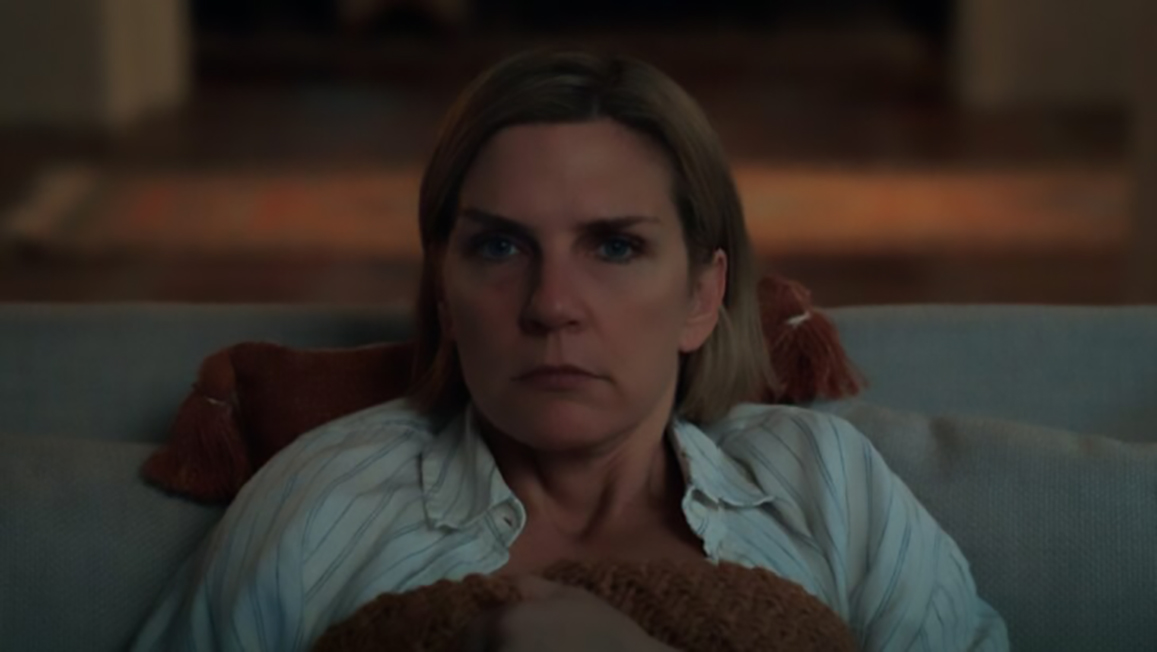
Carol, played by Rhea Seehorn, is a successful writer of fantasy romance novels who has little affection for the books that made her comfortable. She is sharp-tongued, stubborn and not particularly interested in pretending to like people. When the Joining transforms nearly everybody else into a single, placid mind, she becomes one of the few people who remain separate from it. Her partner, Helen, has died in the upheaval, leaving her with grief she cannot negotiate away and a world that keeps offering to make her happy.
That last detail is the clever part. The Joined do not behave like conventional body-snatching villains. They smile, apologise, bring food, arrange transport and try to anticipate whatever Carol might need. They appear to have eliminated much of humanity’s old appetite for cruelty, and they seem genuinely unable to understand why anyone would reject their help. Their friendliness is so relentless that a simple request for privacy begins to look like a radical political position. Gilligan has made an invasion in which the customer service is impeccable and the customer has absolutely no confidence in the company.

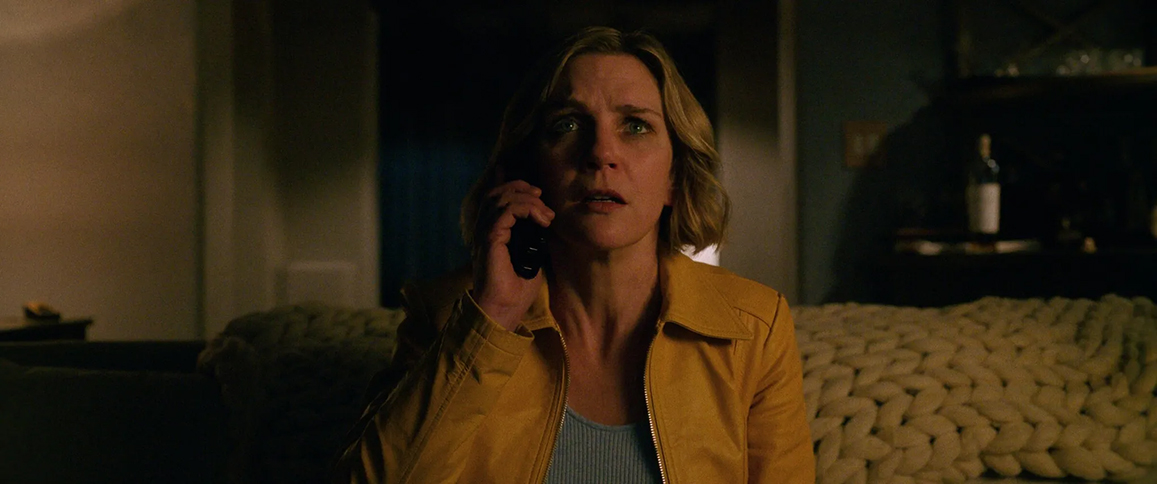
Seehorn makes Carol difficult without making her impossible to understand. There are moments when I wanted her to stop shouting, listen to somebody and perhaps go a whole afternoon without putting another person in danger. Then I remembered that she has lost the only person who really knew her, along with the right to encounter somebody whose thoughts are their own. Carol is not automatically correct because she resists, but neither is the collective entitled to her agreement because it is polite.
Human-derived protein, served with a smile

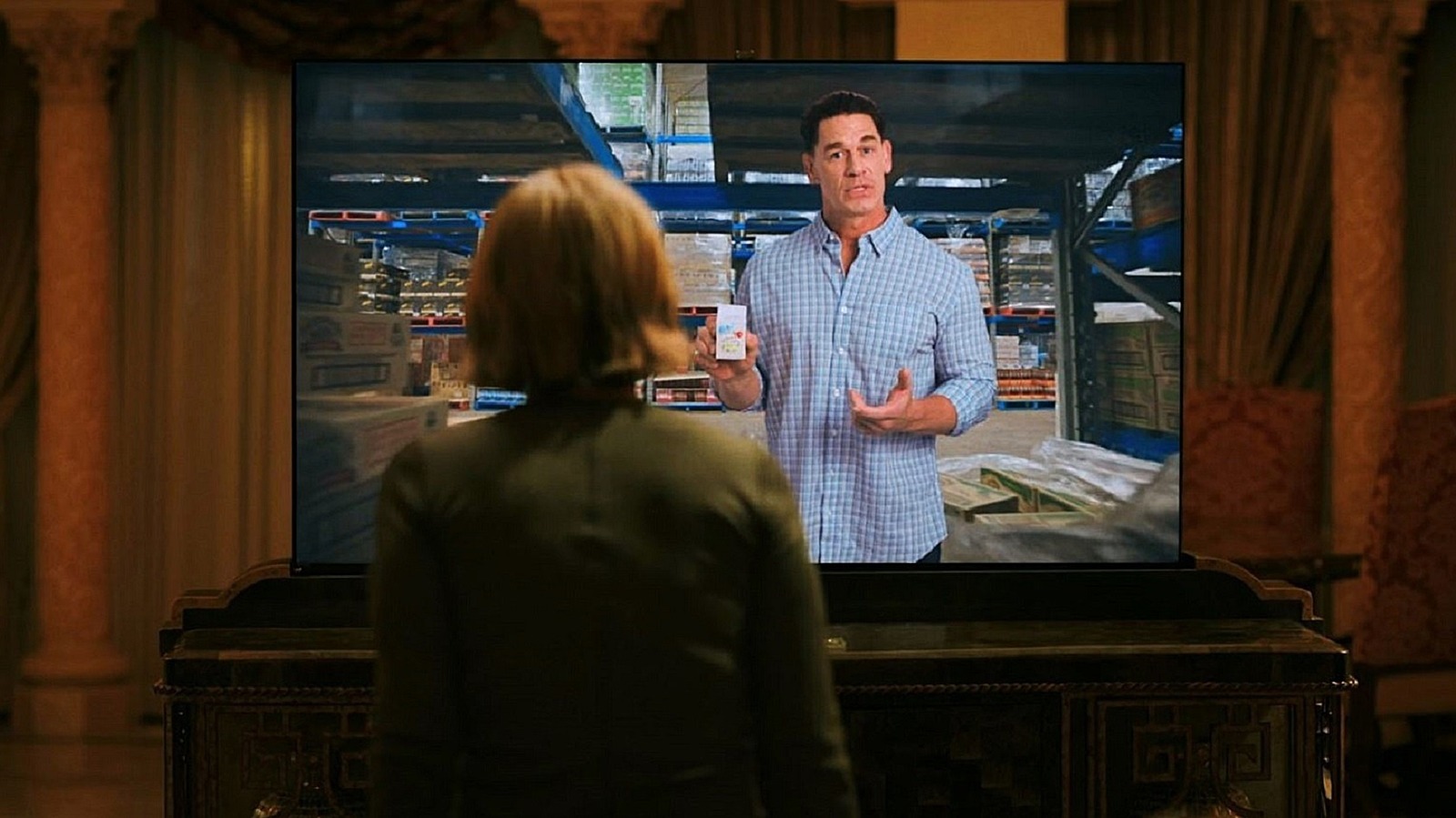
“HDP” provides the sort of revelation that would normally settle the argument about who the monsters are. Returning to the warehouse that horrified her in the previous episode, Carol records evidence of human remains being processed and stored. It is cold, industrial, almost banal. She has found something awful, and for a moment it feels as though she finally has the proof she has been searching for.
Then the show produces one of its strangest comic turns: John Cena appearing in an explanatory video on behalf of the Joined. With all the reassuring manner of a corporate training film, he explains that HDP means human-derived protein. The collective has been using the bodies of people who have already died as a source of nutrition. The reasoning is grotesque, but internally consistent. The Joined will not kill living creatures for food, and they are facing an enormous problem feeding the population. They see the dead as a resource that would otherwise be wasted. Carol sees what most of us would see: an industrial system turning human bodies into ingredients.


The discomfort comes from the fact that the episode does not let either explanation simply cancel the other. The dead have not been murdered for this purpose, yet that hardly makes the machinery pleasant. The Joined claim a duty to preserve life, but they have also transformed the conditions under which all those people now live. Their version of ethical behaviour is so narrowly defined that it leaves very little room for grief, ritual or disgust. I kept thinking how neatly a truly terrible policy can be presented when the person presenting it has a bright smile and a reassuring tone.
Carol’s trip to see Koumba Diabaté in Las Vegas adds another irritation. He has known about HDP already, as have other immune survivors, and he has been speaking with them and with the Joined rather than conducting a one-woman campaign against the new order. Koumba is enjoying the amenities of the apocalypse, certainly, but he is not quite the fool Carol wants him to be. The conversation makes her look isolated in a different way: not simply because she cannot join the collective, but because she struggles to trust anyone who responds to it differently.
There is also the apparent reassurance that the Joined need cooperation to obtain the stem cells required to tailor the Joining to an immune person. At the time, that sounds like a boundary. They can hope Carol changes her mind, perhaps, but cannot simply take what they need. It is worth remembering that promise, because the finale eventually shows how flimsy the distinction between respecting a boundary and finding a way around it can be.
All the freedom in the world, and nobody to share it with


“The Gap” is where Pluribus really got under my skin. Having ordered the Joined away, Carol is left with a city that functions almost entirely for her benefit. She can play golf from rooftops, help herself to whatever she fancies, visit the Georgia O’Keeffe Museum and replace a print on her wall with the actual painting. She sings along to songs as she goes, as though she is starring in a rather expensive end-of-the-world mixtape. At first it is funny, even enviable in an irresponsible sort of way.

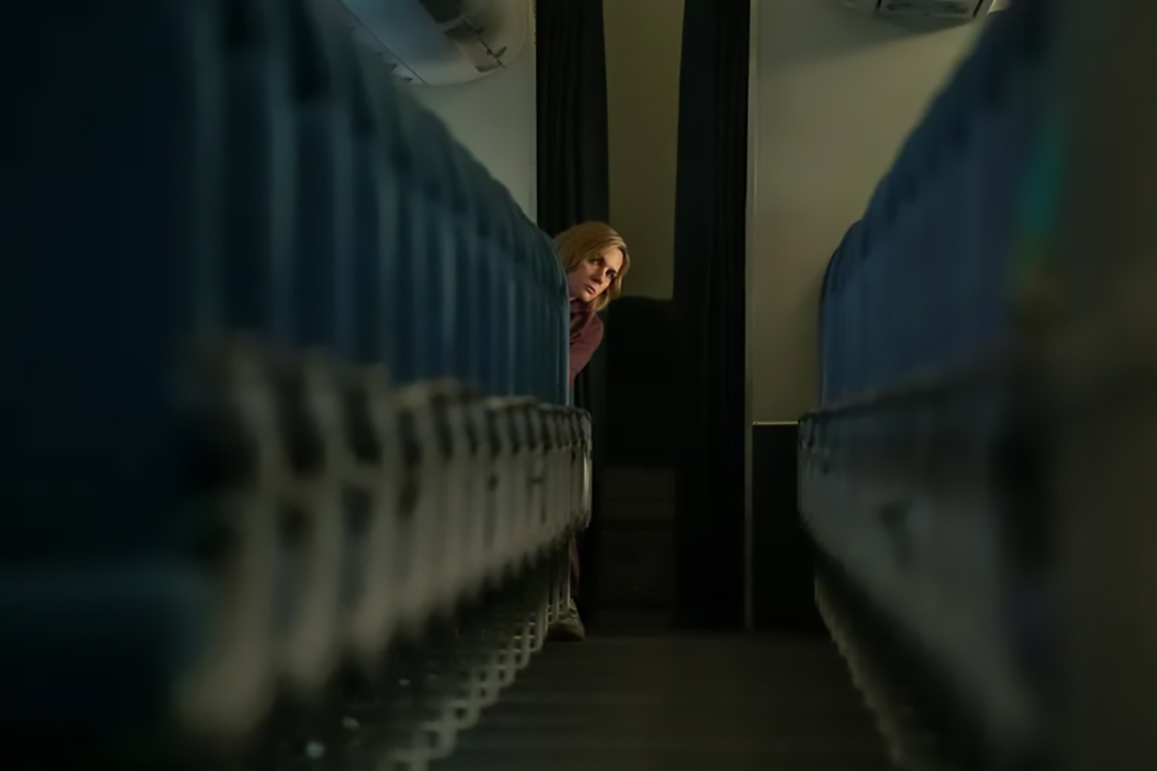
But freedom turns out to be a poor substitute for company. The calendar advances and the activities lose their point. A meal marking her anniversary with Helen is especially hard to watch, because no amount of excellent food can bring back the person who should be sitting opposite her. The sequence with the fireworks, when Carol seems almost indifferent to whether a misdirected charge hits her, is frightening precisely because the show does not underline it. We have been watching the fun slowly drain out of her, and by then there is very little left.
So she paints that message on the road. When Zosia arrives, Carol collapses into her arms. It is a powerful moment because it is not a neat change of allegiance. Carol has not suddenly decided the Joined were right all along. She simply cannot bear another day like the last one. There is a difference between accepting somebody’s philosophy and needing somebody to hold you, and Seehorn lets us see both the relief and the humiliation.
The man who would rather walk


Running alongside Carol’s empty-world holiday is the extraordinary journey of Manousos Oviedo, played by Carlos-Manuel Vesga. He is another immune survivor, based in Paraguay, but where Carol quarrels with the Joined and occasionally accepts their help, Manousos tries to refuse them altogether. He survives in his storage facility, investigates their vulnerabilities and sets off in a small MG Midget to find Carol. He teaches himself English with recorded lessons, siphons petrol when he has to and leaves money behind for the owners of cars who may never come looking for it. That small gesture tells us more about his principles than a speech could.
His route takes him to the Darién Gap, the roadless stretch of jungle between Colombia and Panama. The Joined offer to carry him and his car safely onwards. He refuses, denounces their claim to possess anything on Earth, burns the car and heads into the jungle on foot. There is something admirable in the refusal, and something almost unbearable in watching how far he takes it. He is injured by the spines of a chunga palm and reaches the point where his determination can no longer keep his body moving. The appearance of a rescue helicopter leaves him dependent on the very people he has rejected.

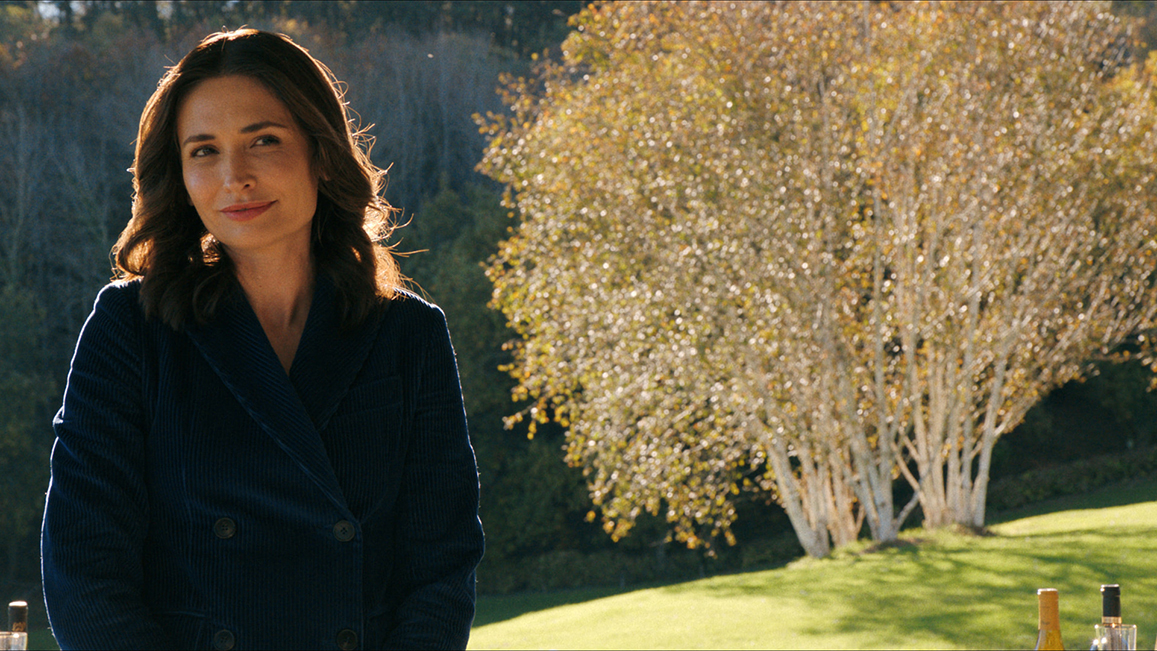
I like that the series does not make Manousos into a straightforward moral counterweight to Carol. He has a clearer purpose, but he can be just as inflexible. His resistance also has a different texture. For somebody whose life has already involved displacement and rebuilding, the invitation to surrender an identity for the sake of belonging can carry a particular sting. That is one possible way to read the character, rather than a full explanation of him. What matters is that neither his uncompromising independence nor Carol’s frightened pragmatism has proved sufficient on its own.
Zosia, or the problem with personalised affection


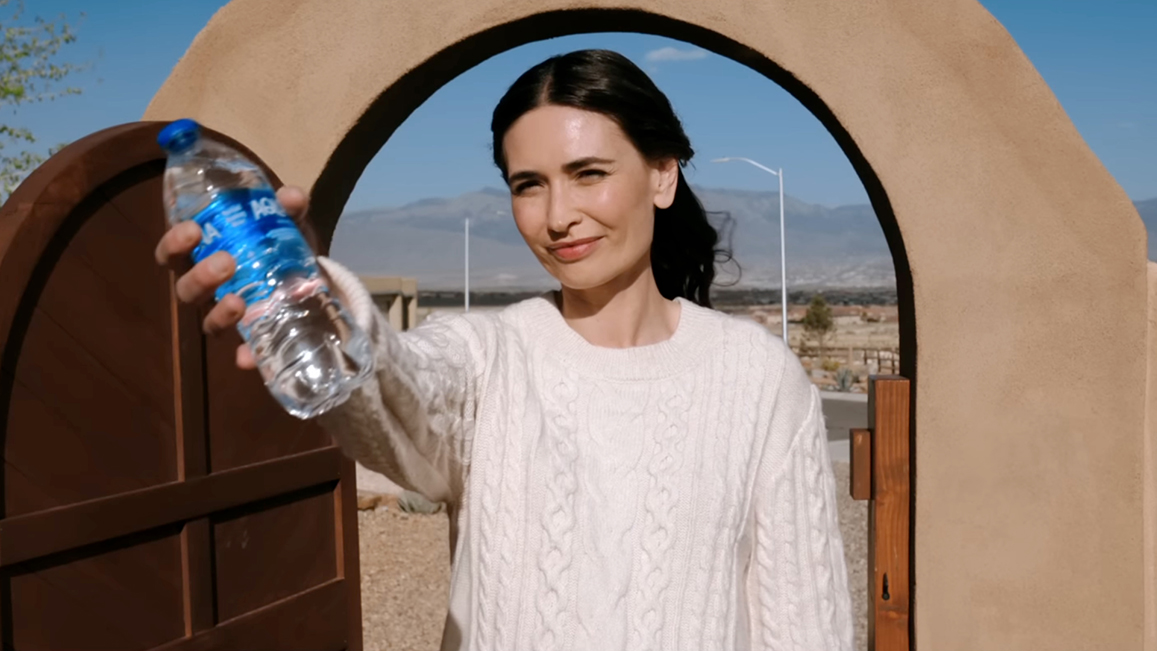
Zosia (Karolina Wydra) is the most troubling figure in all of this, partly because I can understand why Carol wants her around. She is patient, beautiful, attentive and apparently immune to taking offence. She also belongs to a consciousness shared by billions of people. The person sitting beside Carol is never simply the person sitting beside Carol. Every reassurance comes from the collective, with all its knowledge of Carol’s history and desires.
The Joined have even selected a face that recalls the romantic figure Carol imagined in her own fiction. It is an extraordinary form of personalisation, and I cannot decide whether that makes it touching or deeply creepy. The answer is probably both. Carol’s attraction is not difficult to believe. She has lost Helen, she is exhausted by resistance, and here is someone who never seems to run out of patience. By the penultimate episode, that need for contact has become an intimate relationship. The problem is that Zosia’s gentleness and the collective’s agenda may be inseparable.
That is what makes the romance more interesting than a simple betrayal plot. I do not think Carol’s affection is necessarily false because the relationship is complicated. Her relief in Zosia’s presence looks real enough. But whether Zosia can offer the kind of individual, unpredictable love that Carol misses is another question. Loving everybody equally sounds generous until you begin to wonder whether it leaves room to love one particular person differently.

The finale and a small, abandoned goat

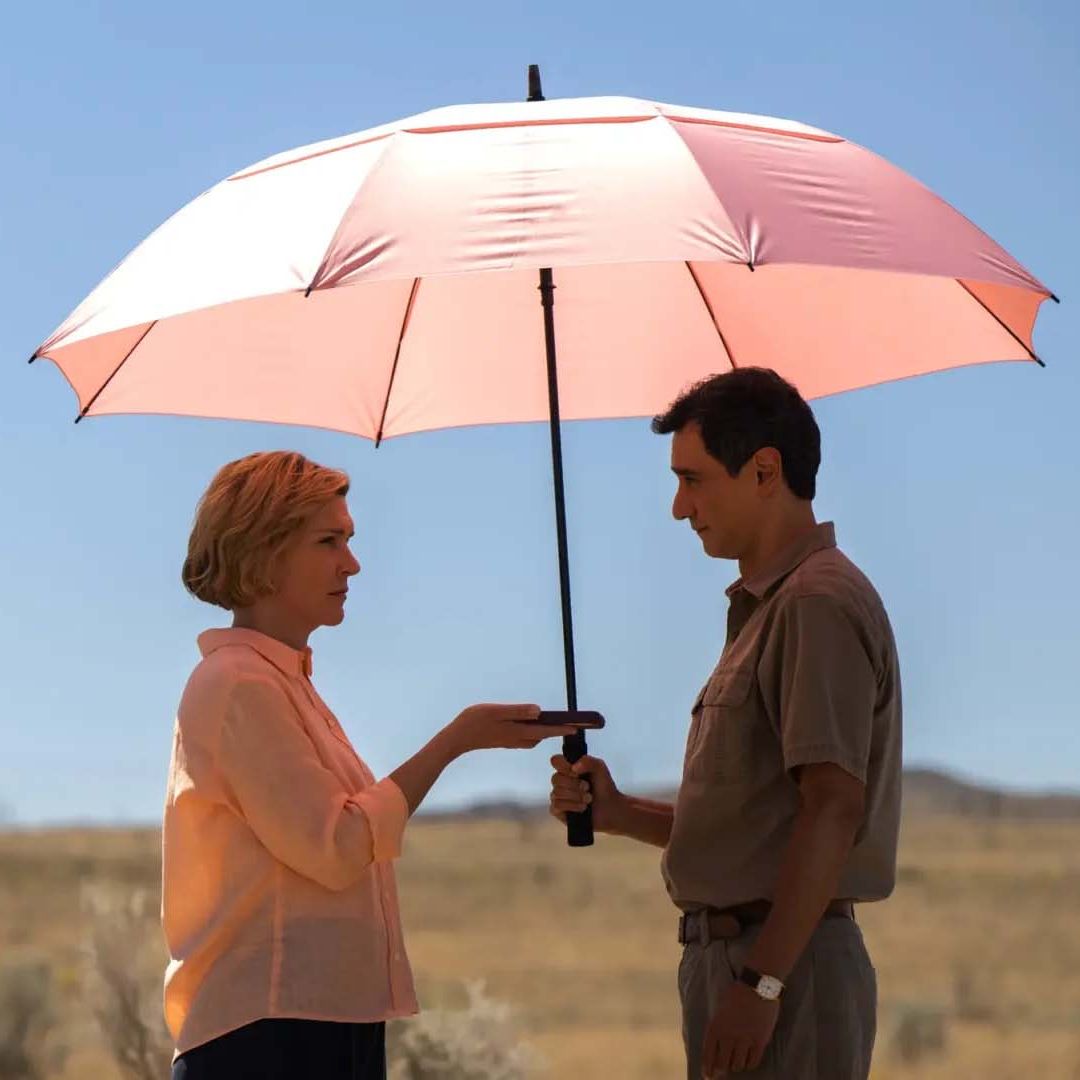
The Season 1 finale, “La Chica o El Mundo”, opens far from Albuquerque, with Kusimayu in a Peruvian village. She has chosen to join the collective, and the people around her prepare for the occasion with warmth and ceremony. A baby goat receives a little affection from her before the process begins. Then she breathes in the customised treatment, becomes part of the Joined, and the mood changes. The village’s shared life is abruptly emptied of its old meaning. The people leave, and the goat is left behind.
It is a modest image to carry such a large idea, and that is why it works. The Joined have not become actively cruel to the animal. Their particular attachment to it has simply disappeared. They seem able to care in general while no longer caring in the small, untidy and specific ways that make a relationship what it is. A collective that loves the whole world may have surprisingly little reason to stay for one goat. I found that more affecting than another lecture about the loss of individuality would have been.
Then Carol finally meets Manousos, the ally she has been hoping for and the ally who has travelled a ridiculous distance to reach her. Their encounter is gloriously awkward. Their English and Spanish do not quite meet in the middle, the translation app becomes an unwilling participant, and their temperaments clash almost immediately. Manousos believes he has come to help someone determined to reverse the Joining. Instead he finds a woman who has grown attached to Zosia and is no longer certain what she is prepared to sacrifice.
I appreciated that the series resists the easy pleasure of giving us two rebels who instantly understand each other. Manousos’s methods, including his work with radio frequencies, frighten Carol. Her willingness to make excuses for the Joined infuriates him. They are both individual people with individual histories, and naturally that means they cannot agree on much. In a programme about enforced consensus, their irritating failure to get along might be the most reassuring thing on screen.
The kindness has a catch

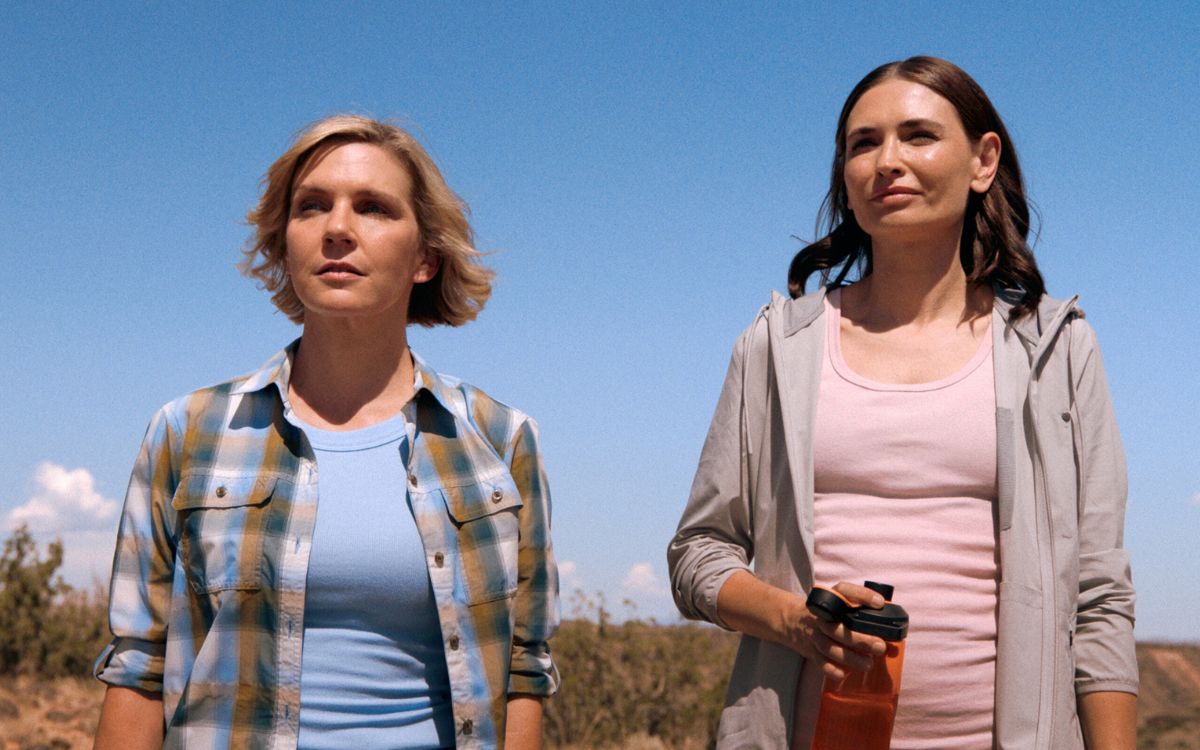
For a while, Carol seems to choose Zosia over the mission. They travel together and Carol experiences a measure of happiness that has eluded her for much of the season. Then Zosia lets something slip: the Joined are still preparing to assimilate her. Carol realises they have access to eggs she froze years earlier with Helen. Those eggs can provide the biological material needed to develop a version of the Joining tailored to her, without asking her to undergo the stem-cell extraction she had refused.

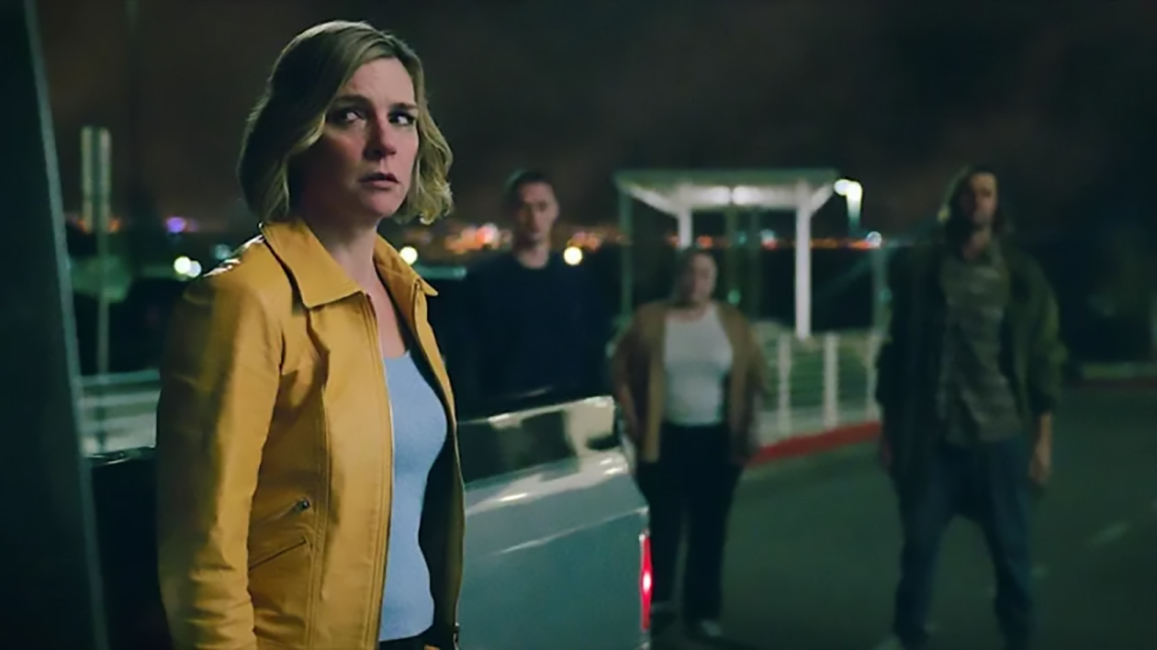
That revelation changes the meaning of the earlier reassurance. The collective’s restraint was not a settled commitment to Carol’s autonomy. It was, at best, a limitation they were prepared to work around. They can believe themselves loving and still plan to do something to her body that she has explicitly said she does not want. In fact, their certainty that she will be happier afterwards makes the violation easier for them to justify. They need not hate Carol, or even wish her harm, to become dangerous to her.
The sequence also reframes Zosia’s attentiveness. Carol has been offered a relationship that feels like a refuge from loneliness, while the people behind that relationship are quietly preparing to remove her ability to refuse them. I do not think the show asks us to regard every moment between Carol and Zosia as an elaborate performance. The more uncomfortable possibility is that the Joined can mean every affectionate word and still be incapable of recognising where love ought to stop.
The girl, the world, and one very large bomb
The finale’s title asks Carol to choose between the girl and the world. It is a deliberately melodramatic question for two people whose lives have become absurdly complicated, but the choice eventually becomes unavoidable. Carol leaves Zosia and returns to Manousos, no longer able to trust the collective’s promises. She also brings an atomic bomb, delivered with such outrageous visual understatement that I laughed before I had properly considered what she might intend to do with it.
It is a wonderfully alarming ending. Carol is not transformed into a cool, efficient freedom fighter. She is the same grieving, impulsive woman who has been making a mess of things all season, except now she has acquired a weapon that could make a vastly bigger mess. Manousos may have found an ally, but not necessarily the one he imagined. The bomb gives the story momentum without providing a comforting answer about what responsible resistance should look like.


The slow parts are the point
I can see why “The Gap” tested some viewers’ patience. A great deal of its running time is spent watching ordinary actions take place in extraordinary circumstances. Somebody walks. Somebody drives. Somebody eats alone. Gilligan has always been interested in process, from Breaking Bad to Better Call Saul, and here he lets process reveal character rather than simply move the plot along. Long silences, wide New Mexico landscapes and small physical gestures carry as much weight as the bigger science-fiction machinery.
What holds the season together for me is the refusal to make anyone’s position entirely comfortable. Carol is often abrasive and sometimes wrong. Koumba’s accommodation is understandable without being especially noble. Manousos has principles that may well get him killed. The Joined appear gentle until their benevolence runs up against somebody else’s right to say no. Even the question of whether happiness is worth pursuing becomes slippery when happiness is something administered rather than found.
I started these episodes worrying about what the collective might do to Carol. By the end, I was also worrying about what isolation had already done to her, and what she might do now that she feels betrayed. That, to me, is the lasting achievement of Pluribus. It understands that human beings need one another and that needing one another does not make us property. It is quite possible to want company, affection and peace while still refusing the terms on which they are offered.
I keep returning to two images: the words COME BACK painted outside an empty house, and the small goat left behind after a whole village discovers a new kind of happiness. One asks for someone to stay. The other is left wondering why everyone has gone. Between them, there is most of what I found troubling about this strange, patient and occasionally very funny series.

Leave a Reply