
Spoilers for Seasons 1 and 2 of Monarch: Legacy of Monsters, including the second-season finale.
I came to Monarch: Legacy of Monsters late, got through Season 1 in about two days and, having apparently learnt nothing about pacing myself, carried straight on with Season 2. I watched nine episodes in a run before discovering I would have to wait an actual week for the finale. Streaming has spoilt us rather thoroughly. I had almost forgotten that an interval between episodes used to be part of watching television, not a service failure.


That week did give me time to think about what I liked, though. It was not simply Godzilla, Kong or the prospect of another Titan wandering into the wrong city. It was the way Monarch kept returning to the people left standing once the spectacle was over. We know what a giant monster does to a skyline. I was more interested in what it does to a family, or to someone who survives the attack and is then expected to report back to work on Monday.


The Morning After G-Day
Most MonsterVerse films understand their selling point. Godzilla appears through smoke, Kong punches something enormous, and a great deal of expensive architecture becomes dust. I enjoy that as much as anyone. But their human stories can feel like the material between the scenes we paid to see. Monarch reverses the emphasis. The creature is still there, sometimes only as a memory or the possibility of something moving beneath the surface, but the camera stays with the people who have to live with knowing that such things exist.


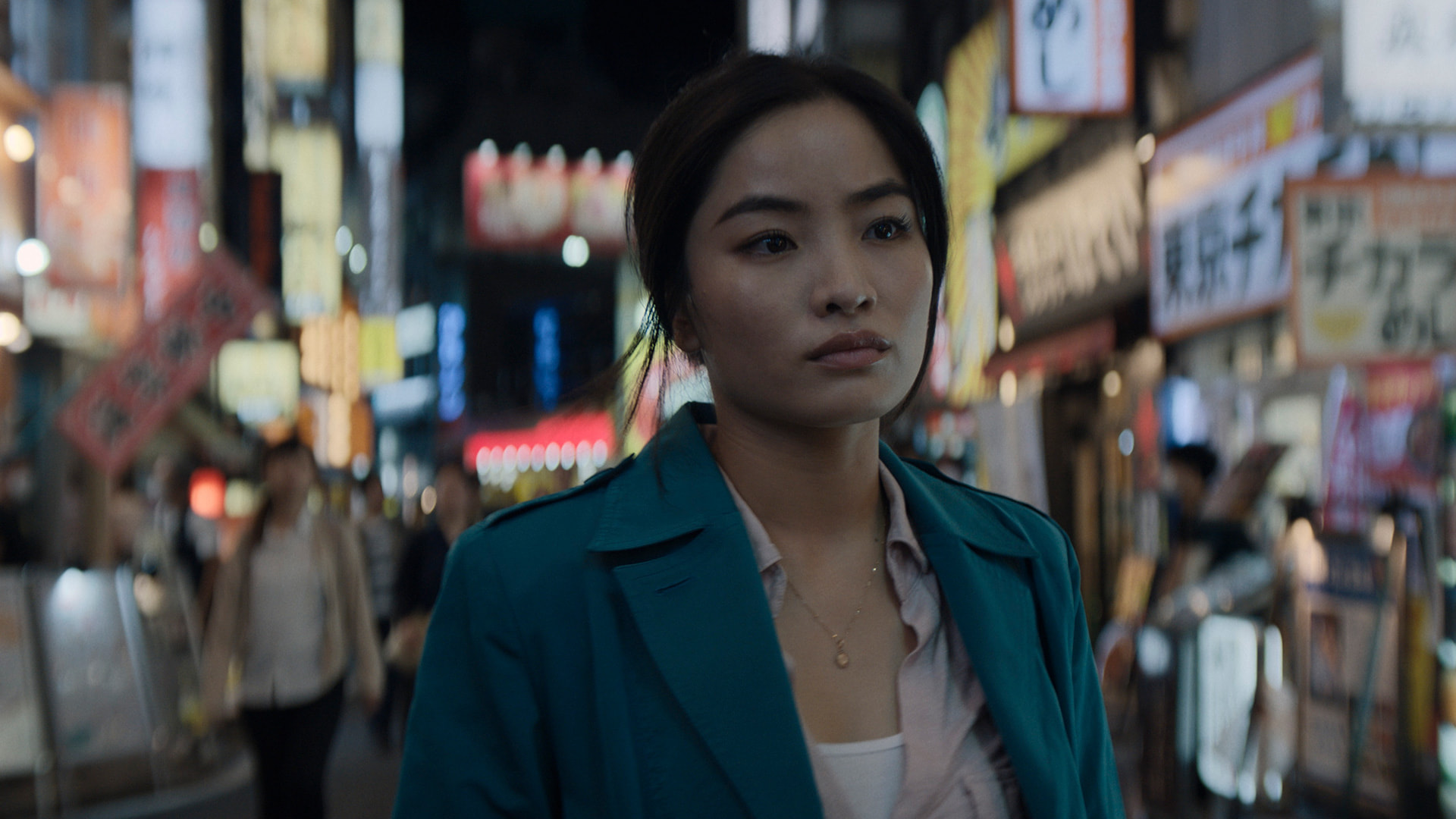
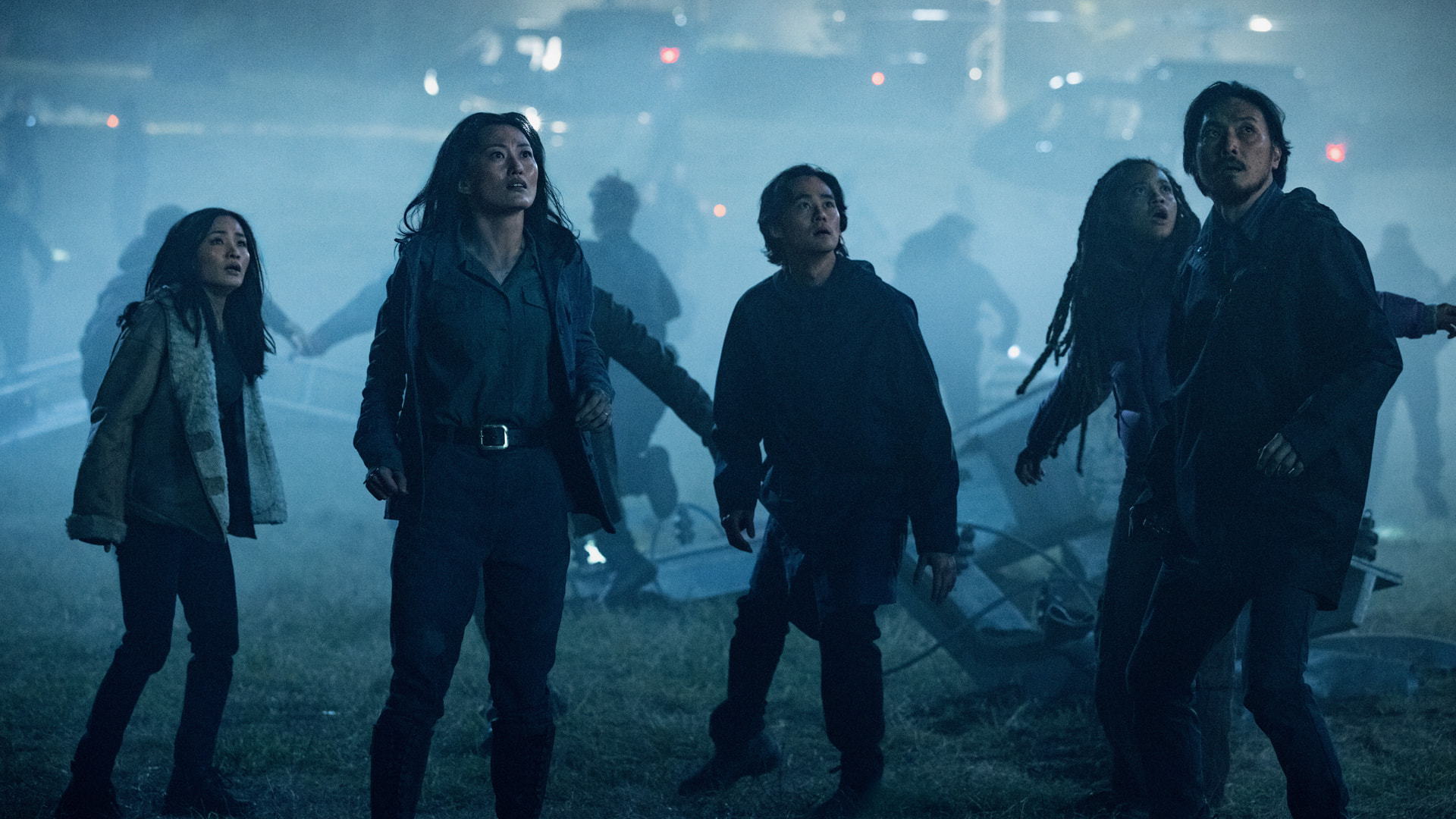
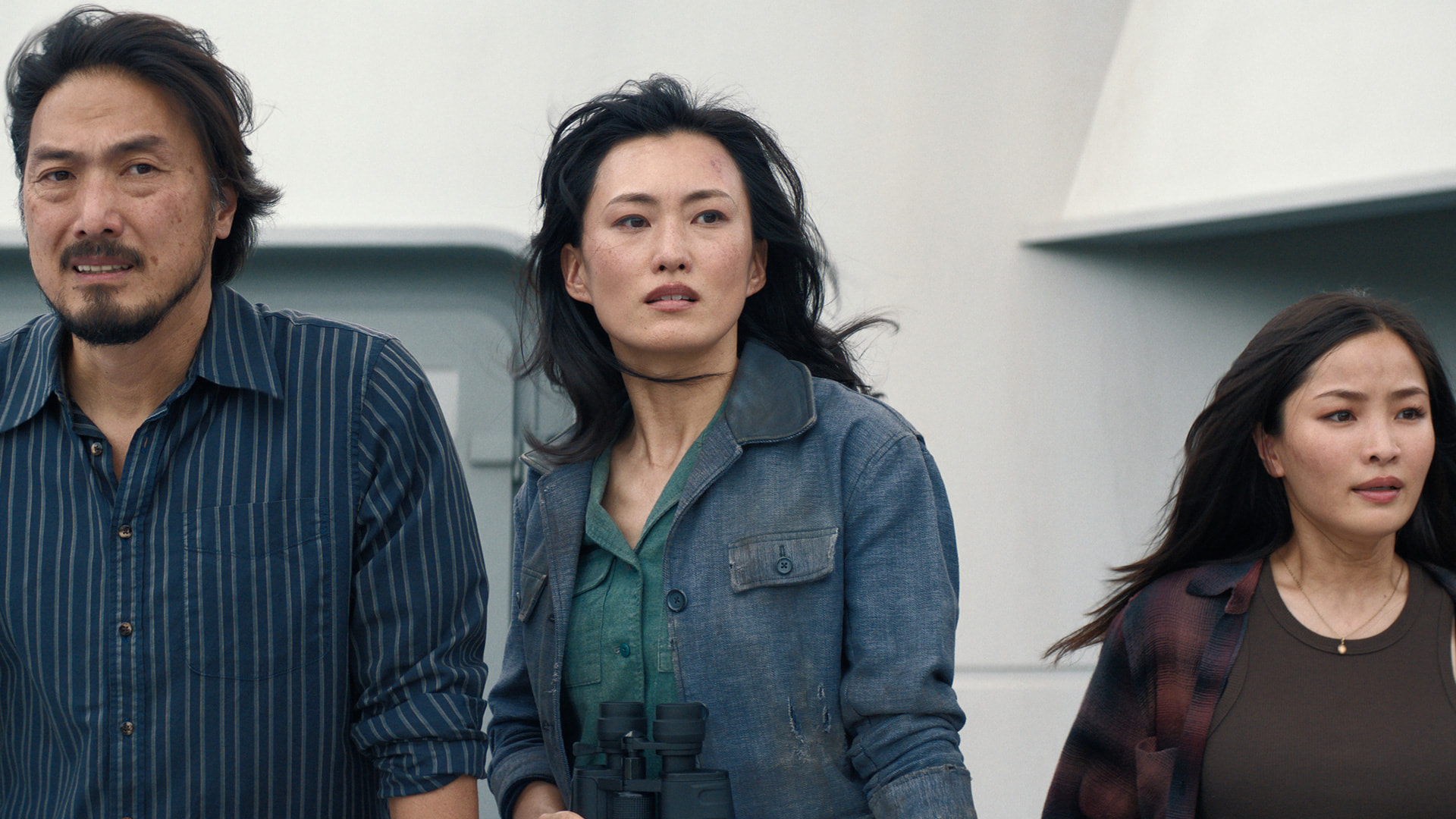
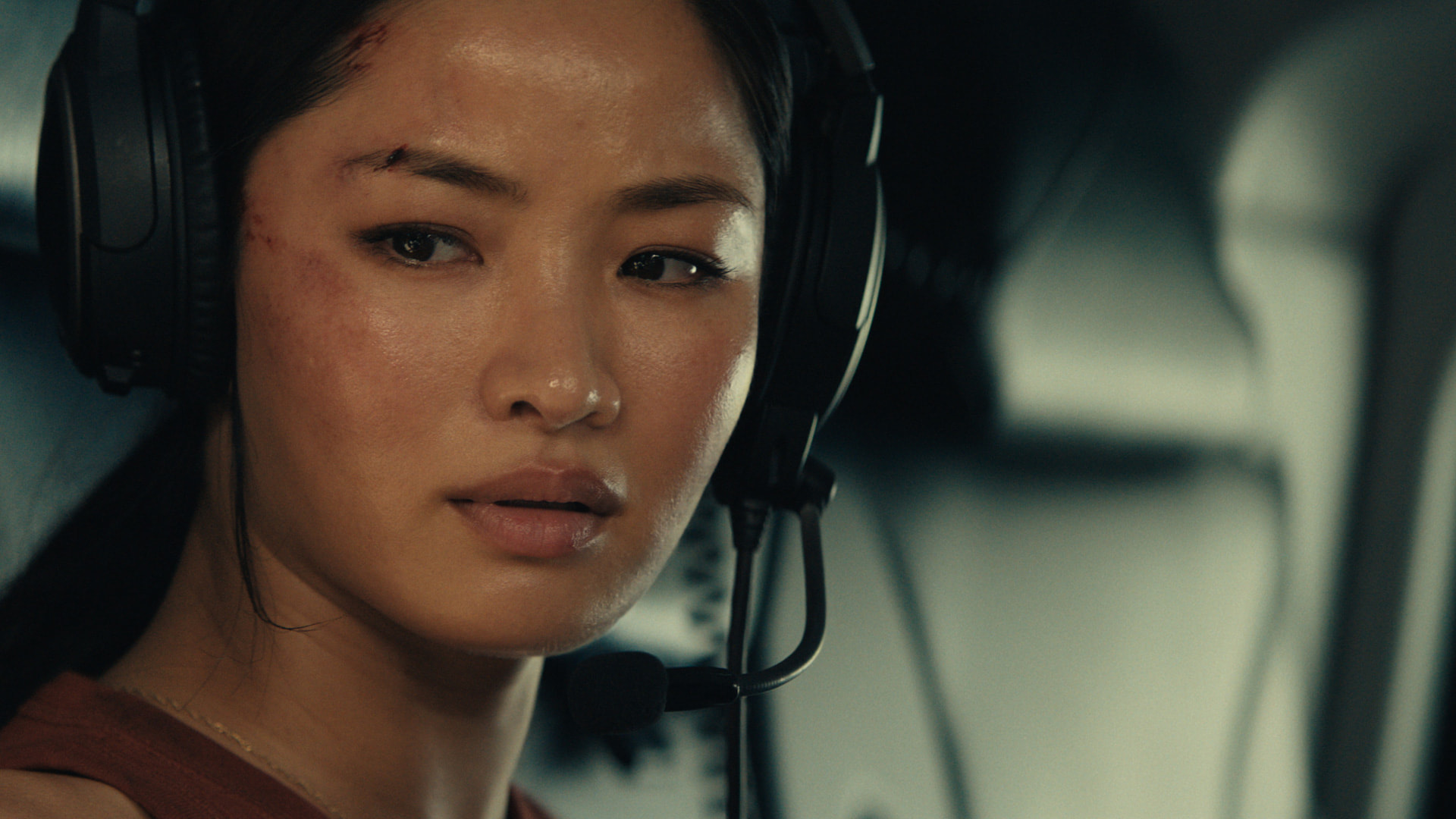
The modern storyline begins in 2015, in the shadow of Godzilla’s 2014 attack on San Francisco. Cate Randa, played by Anna Sawai, survived G-Day, but she has not emerged from it with a convenient new sense of purpose. She is guarded, angry and occasionally difficult company. I liked that about her. Survival has made her wary rather than heroic, and every new revelation about Monarch or her father feels like another aftershock she did not ask for.
The series is particularly good at suggesting how quickly even the impossible becomes administrative. Once monsters have been publicly confirmed, there are procedures, classified documents, departments and people whose job is to decide what everyone else is allowed to know. That is a familiar human response to something incomprehensible: give it a name, put it in a file, then behave as if filing it were the same as understanding it.

A Family Mystery With More Than One Set of Secrets


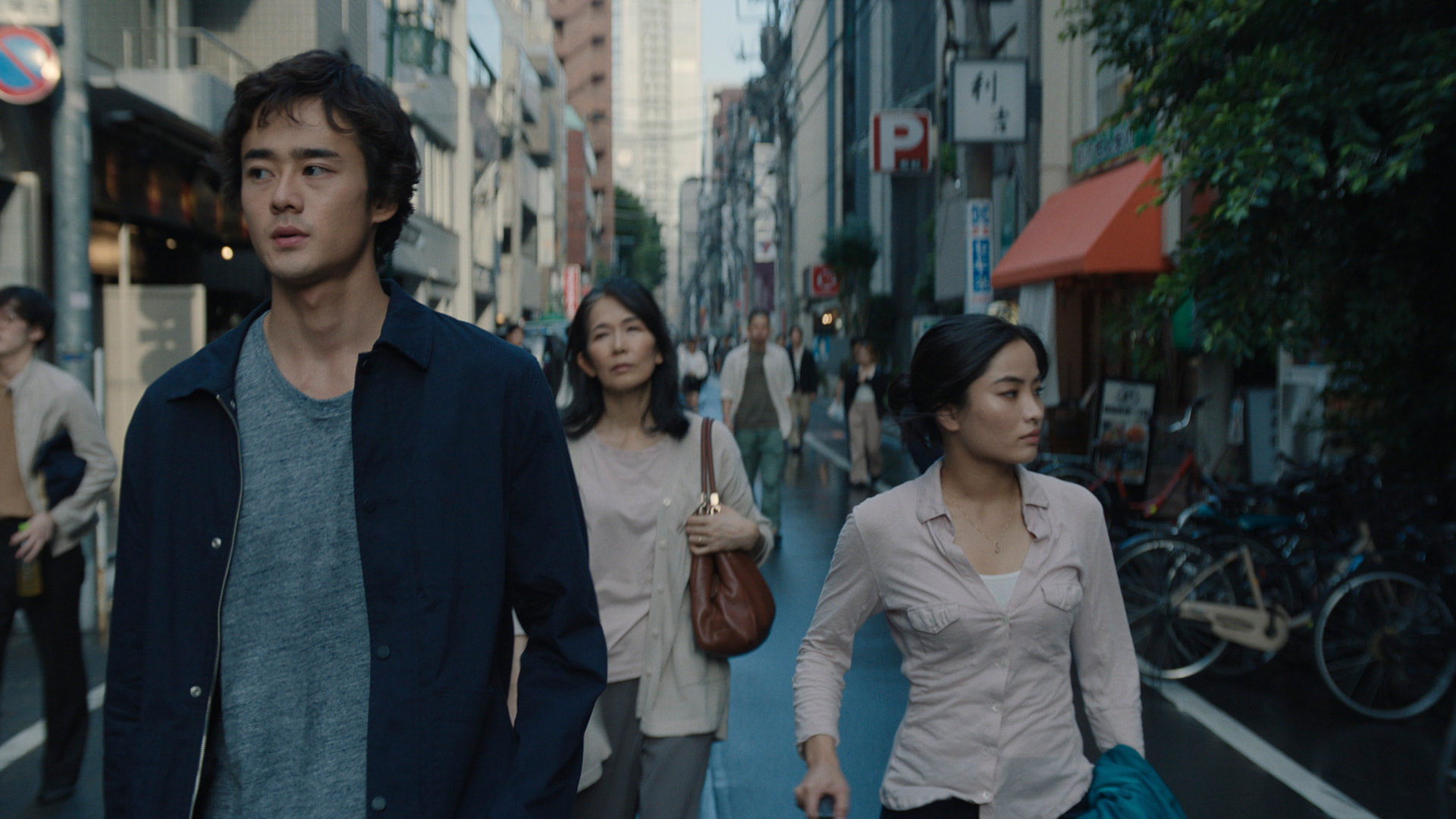
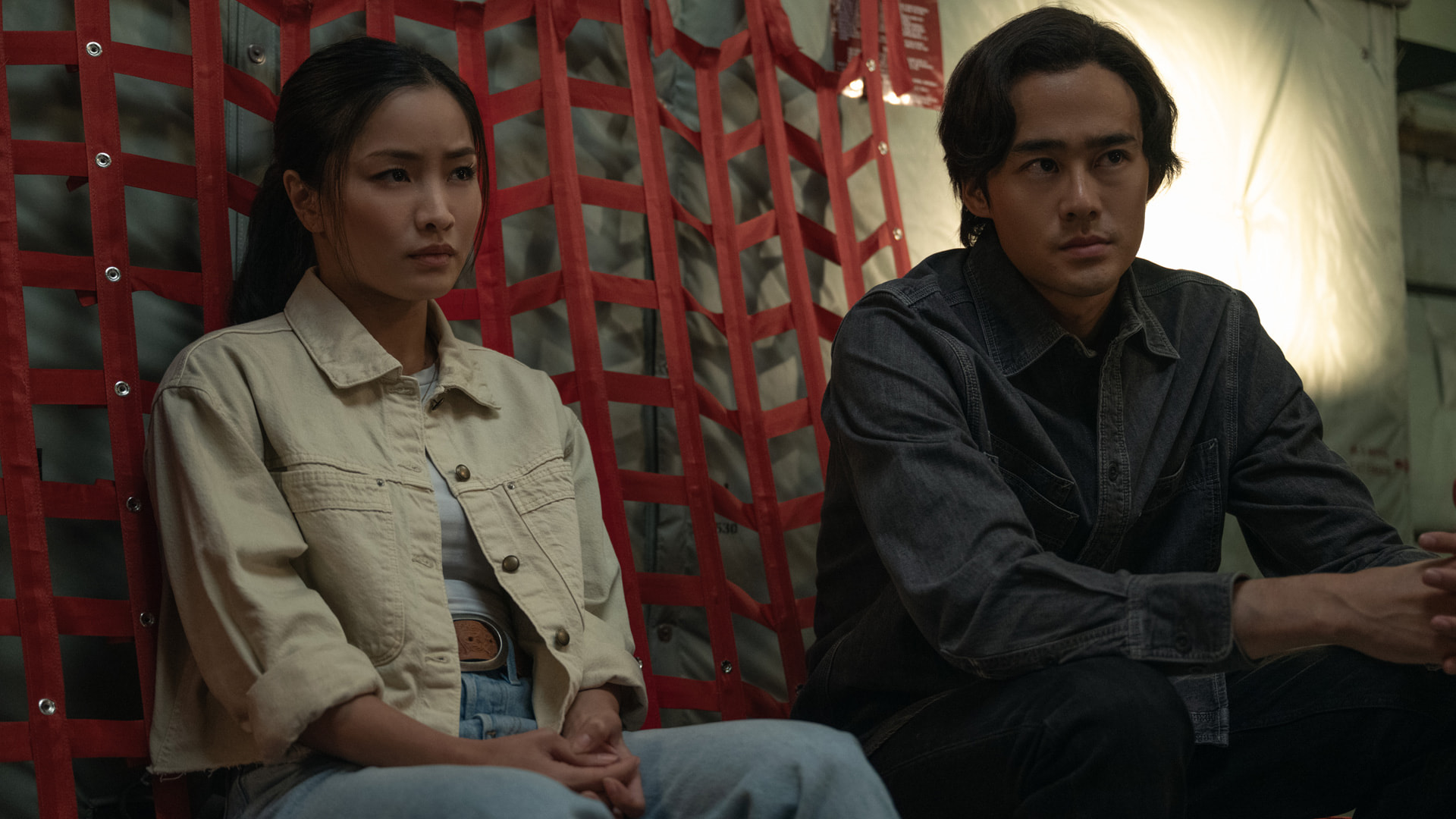
The search for Hiroshi Randa leads Cate to Tokyo and to Kentaro, the half-brother she never knew she had. There is a straightforward conspiracy story in there, but I thought the family revelation was more effective than any secret document. Hiroshi did not merely disappear into his work. He built separate lives and left his children to discover the architecture of his dishonesty. Cate and Kentaro are trying to solve a mystery, certainly, but they are also attempting to work out whether they knew their father at all.

Ren Watabe gives Kentaro a restrained, inward sort of hurt. He is an artist rather than a scientist or soldier, someone accustomed to interpreting incomplete things, and now nearly everything that matters to him turns out to be incomplete. Cate’s damage is tied to what she witnessed. Kentaro’s is tied to what was withheld. Their relationship grows through irritation and shared bewilderment rather than an easy television reconciliation, which feels about right.

I was slower to warm to May, played by Kiersey Clemons. She initially looks like the usual technically gifted outsider brought along to open locked doors and explain unfamiliar systems. As her past emerges, she becomes much more interesting: someone who has already learnt how dangerous it can be to let powerful organisations use what you know. She is another person living under an edited identity. That gives the central trio a useful common ground. Each has been forced to reconsider a version of themselves that once seemed secure.

Back When Monarch Was Still an Idea
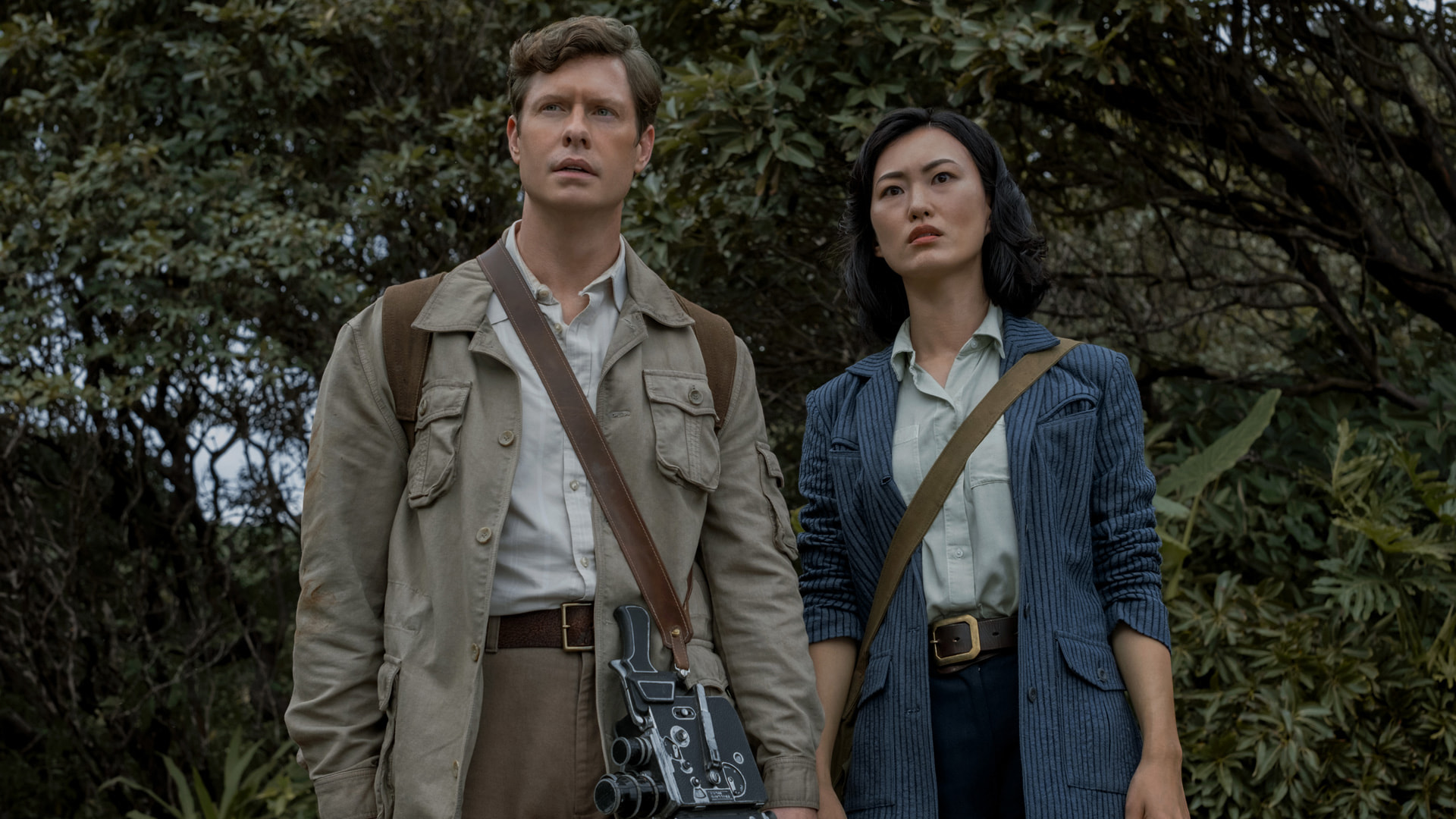
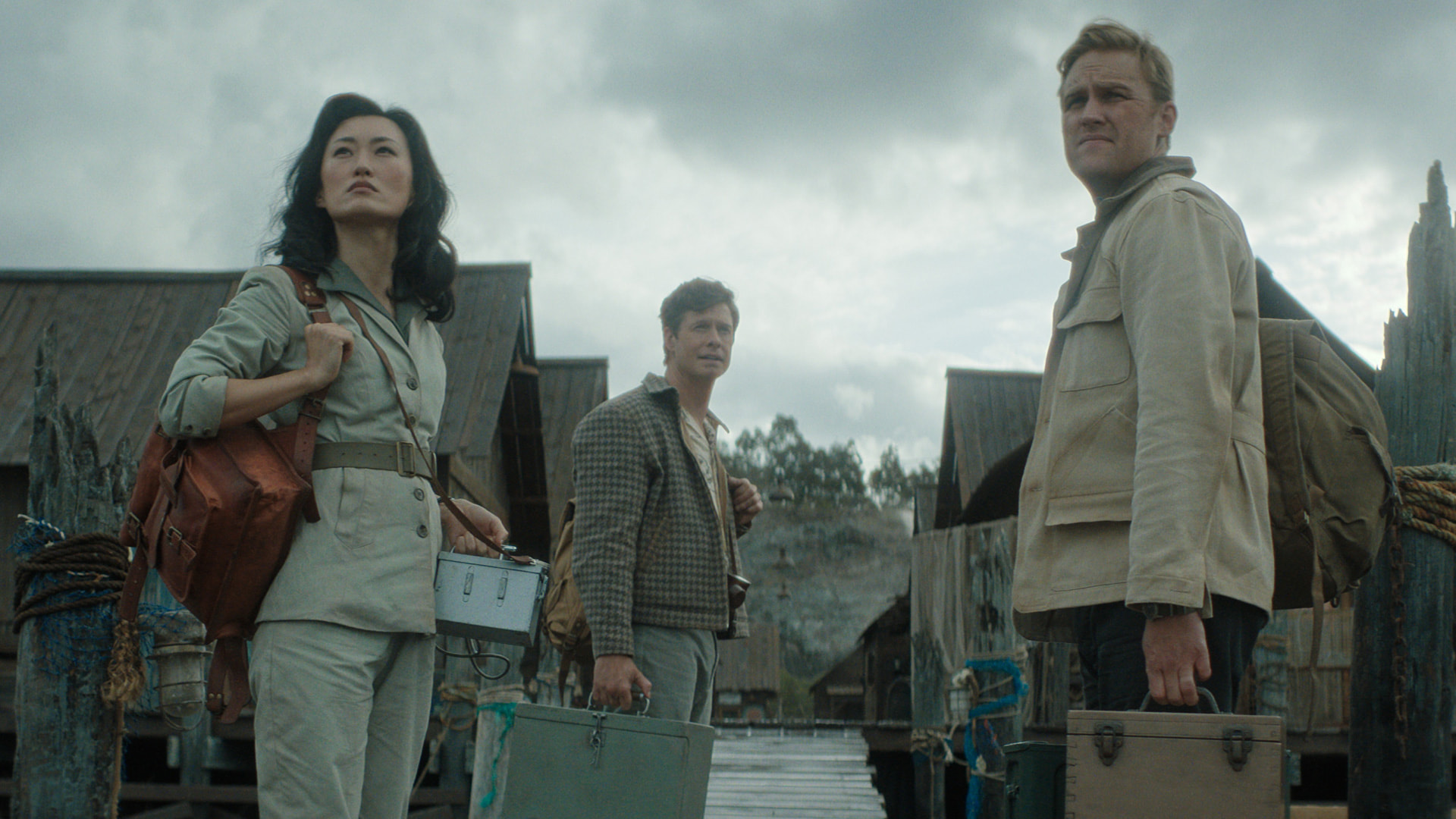
The 1950s storyline was, for me, one of the pleasures of Season 1. Keiko Miura, Bill Randa and young Lee Shaw are still close enough to the beginning of the story to believe that curiosity and courage might be sufficient. Their expeditions have something of an older adventure film about them: genuine wonder mixed with obsession, danger and the conviction that an extraordinary discovery will justify the risks.

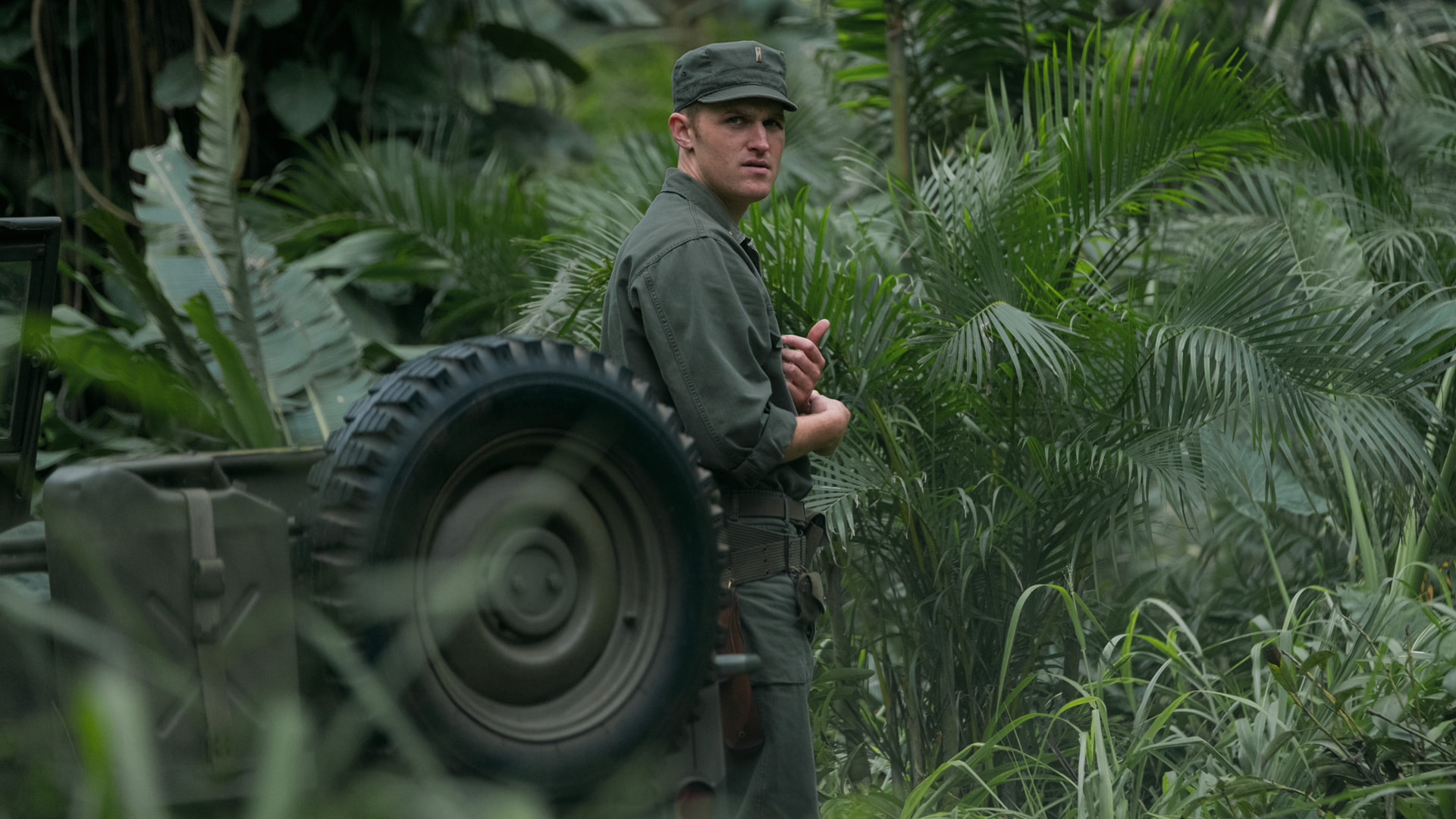
Mari Yamamoto’s Keiko is the centre of that material. She is scientifically curious without being naive and determined without needing to behave like an action-film caricature. Bill, played by Anders Holm, supplies a different kind of belief, one increasingly entangled with the need to prove that he is right. Knowing that an older Bill appears in Kong: Skull Island gives his younger self a little extra sadness. We are watching people start an institution before they can possibly know what it will become.

I also appreciated the space given to Tokyo, Japanese characters and the Japanese language. Godzilla is not a generic monster with an interchangeable birthplace; he comes with decades of Japanese cinema and cultural history behind him. Monarch does not magically solve every problem involved in folding that history into a Hollywood franchise, but it feels more conscious of those roots than some of the larger films.
The two timelines do more than alternate between exposition and action. The early Monarch story builds the decisions and relationships that the 2015 characters inherit. Keiko and Bill’s work shapes Hiroshi; Hiroshi’s secrets fracture Cate and Kentaro; Lee carries the knowledge, regret and unfinished business between generations. The past is not a flashback for decoration. It is still causing trouble.


Two Russells and One Long Regret
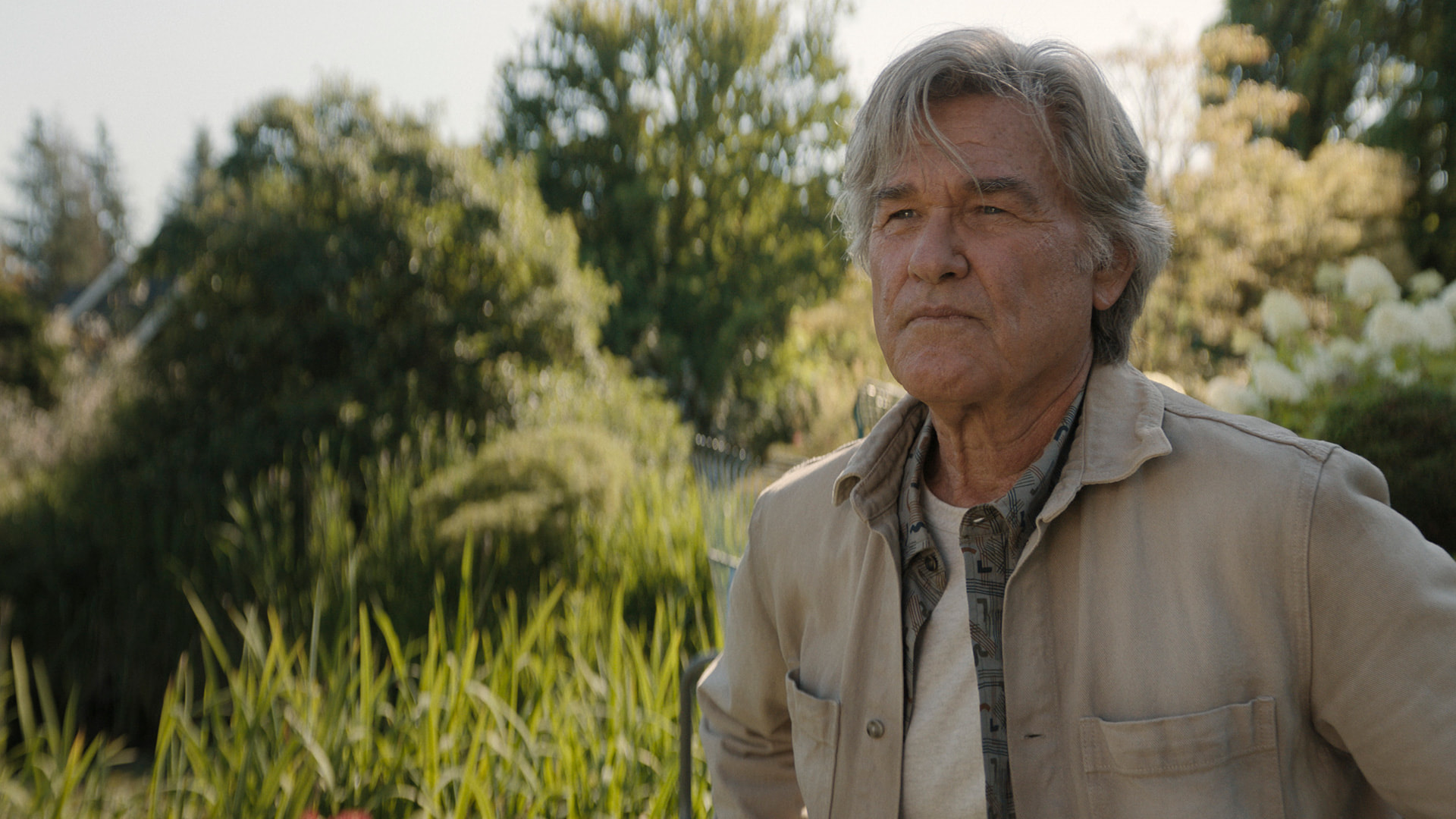
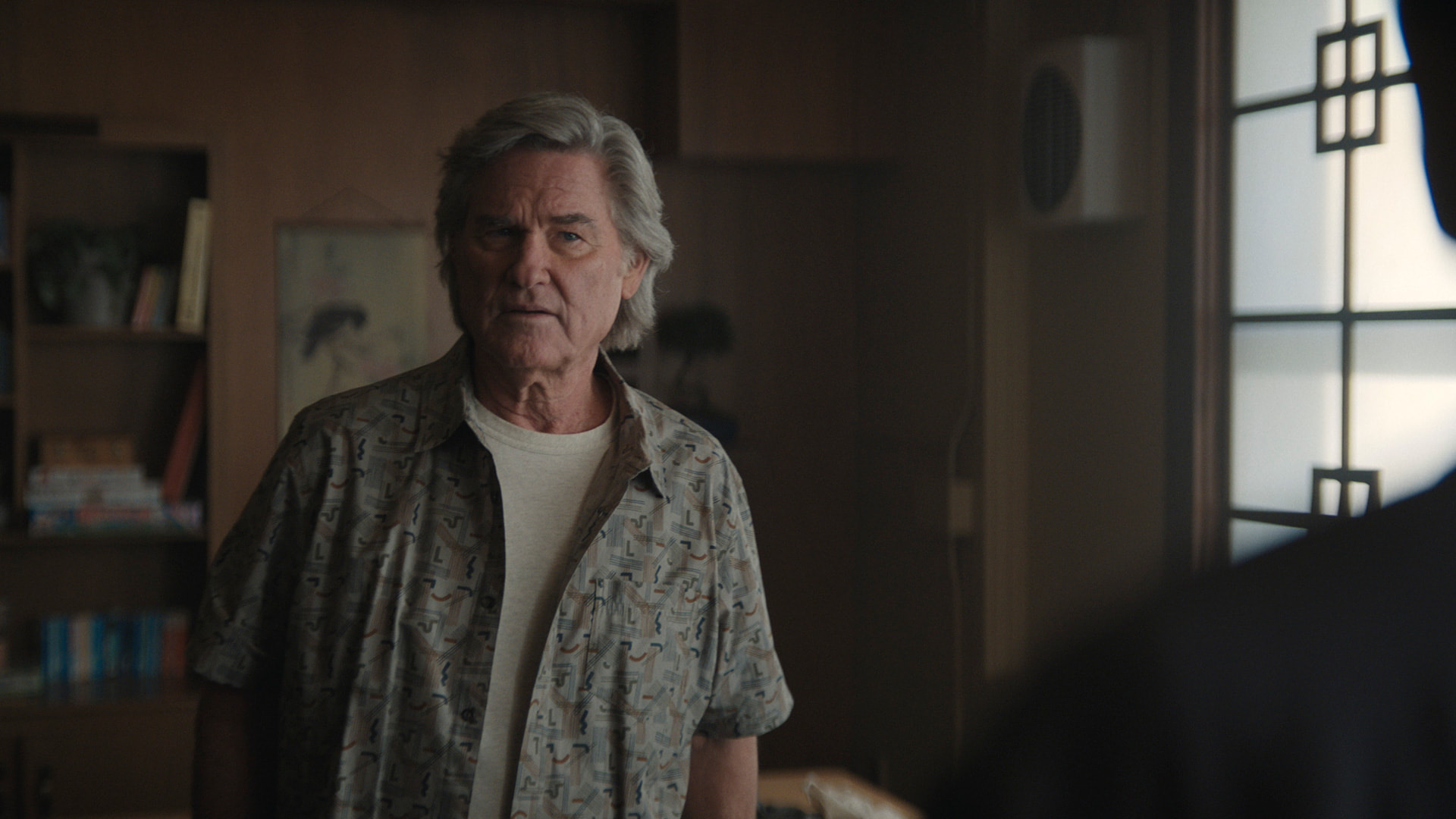
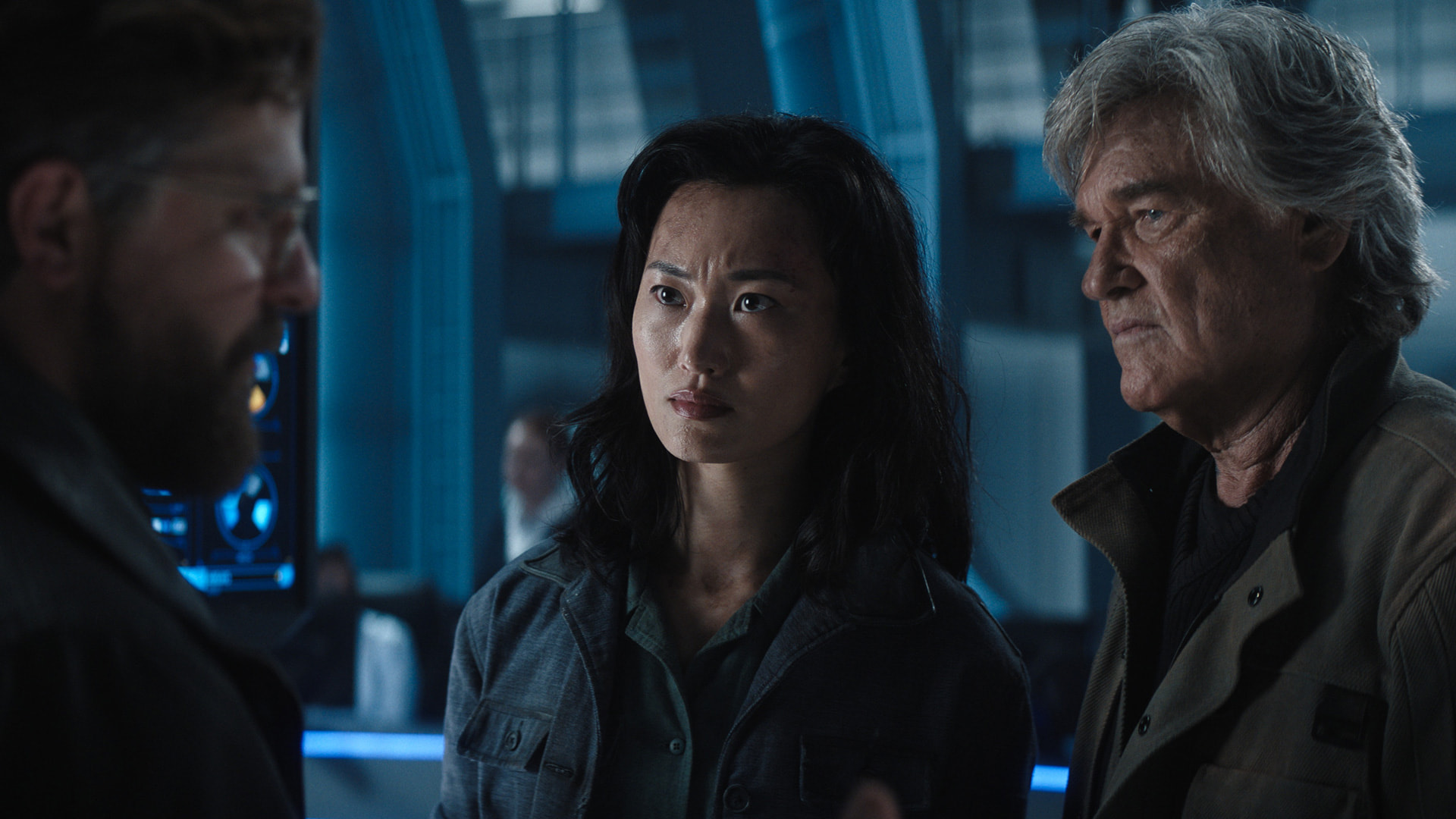
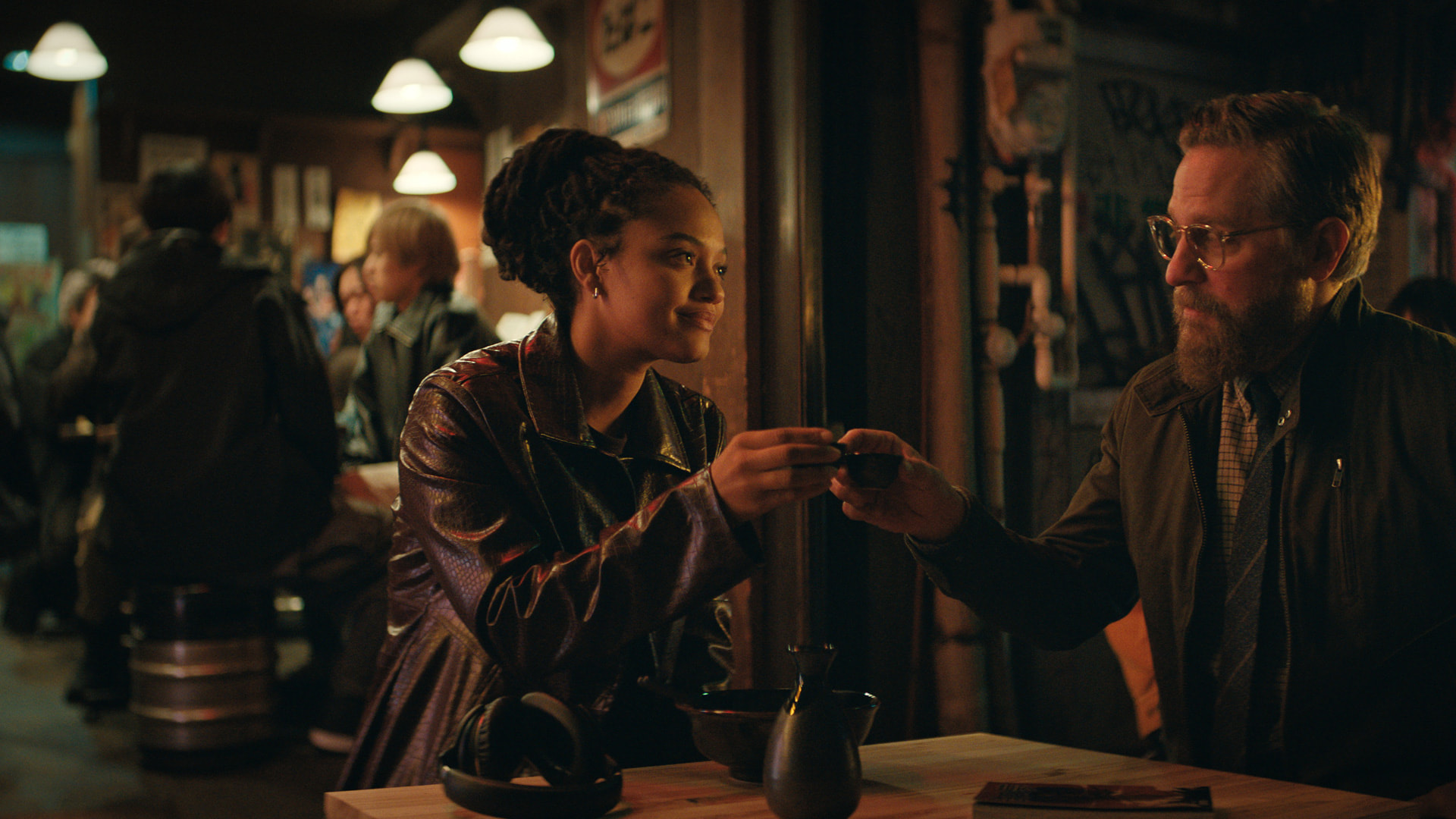
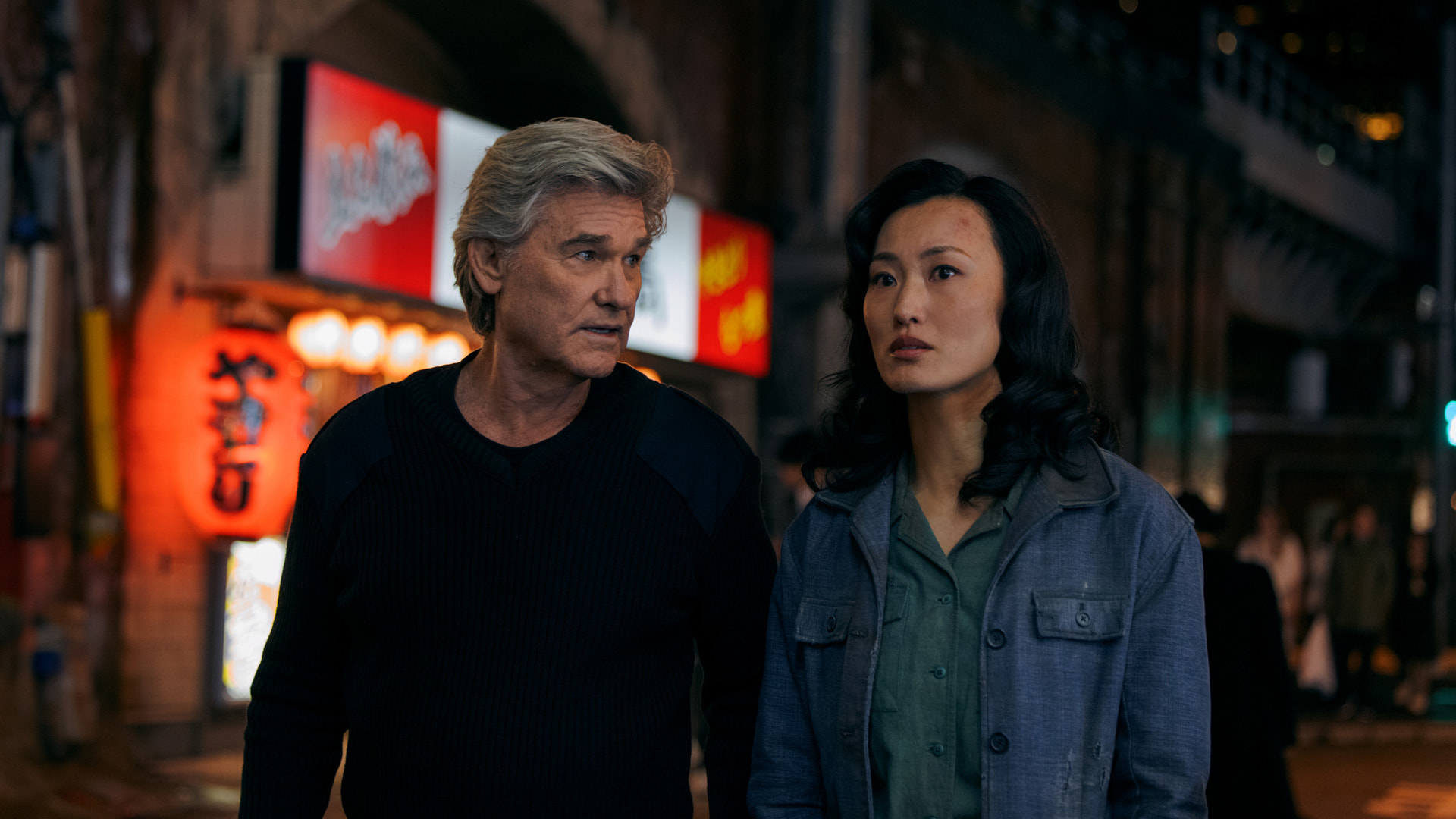
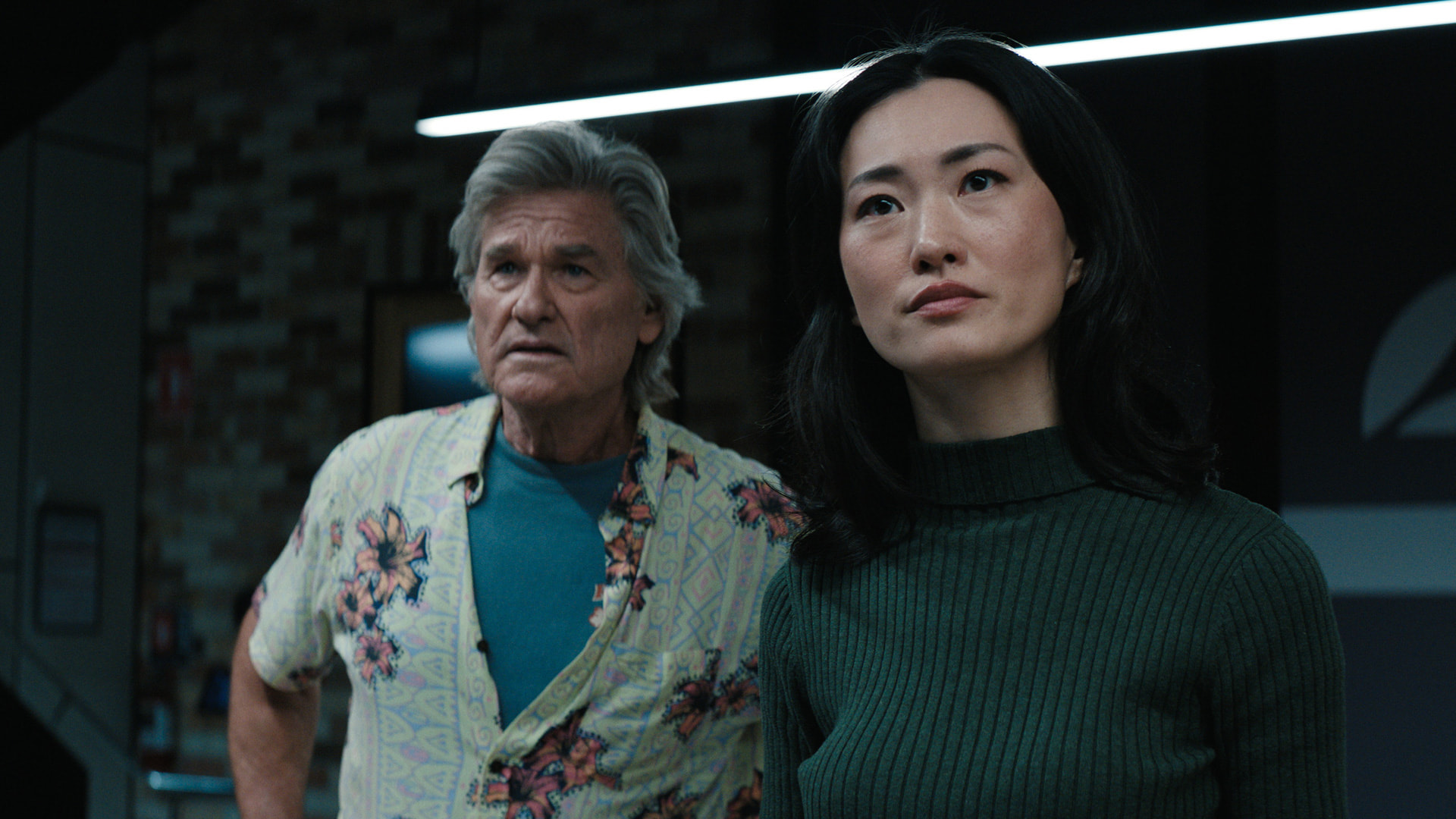
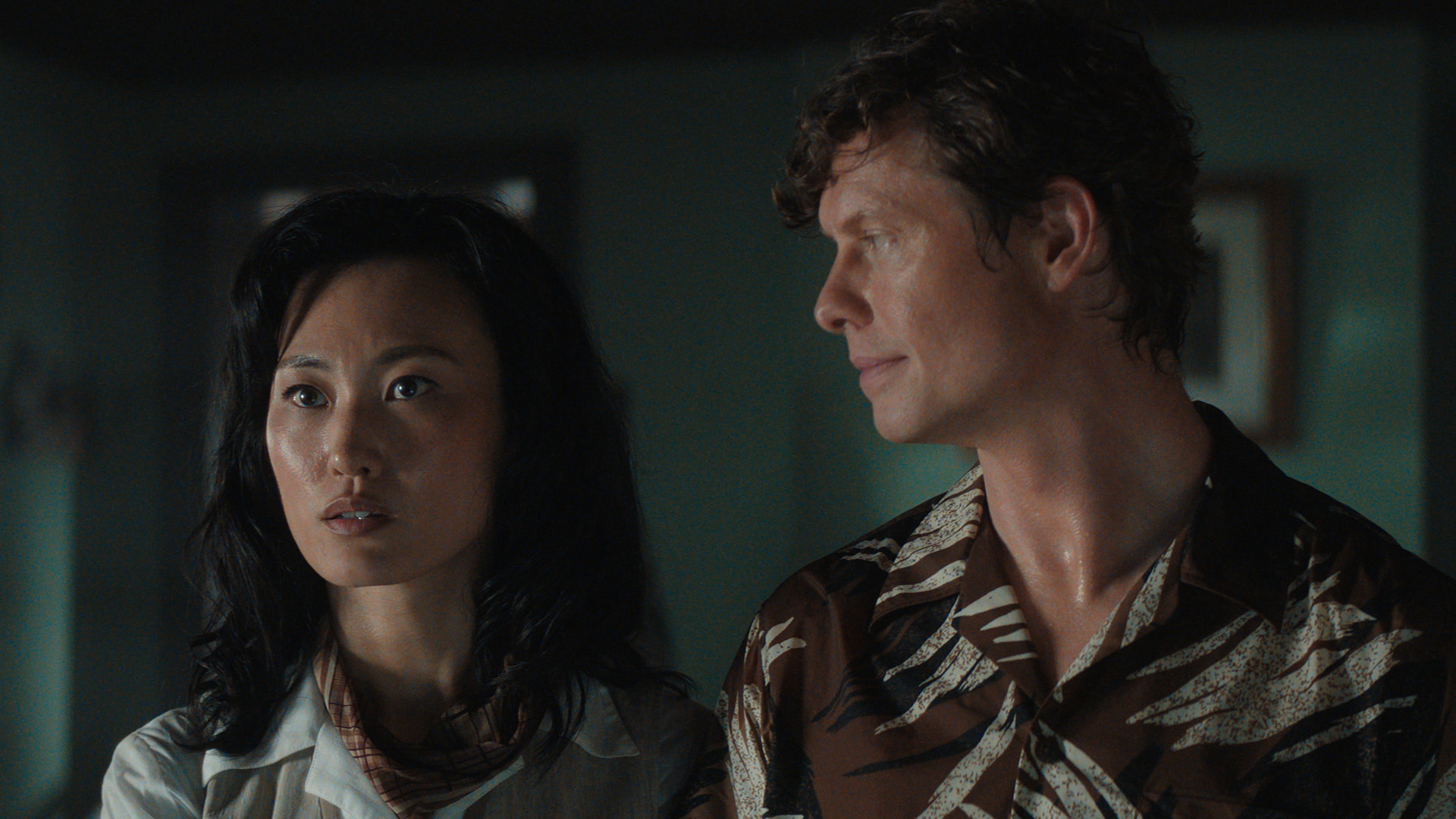
Casting Wyatt Russell and Kurt Russell as younger and older versions of Lee Shaw might have been a clever gimmick and little more. Instead, it is one of the best things about the series. Wyatt gives the younger Lee confidence, swagger and the impetuous charm of someone who still thinks a bad situation can be fixed. Kurt plays a man who has retained the charm but acquired several lifetimes’ worth of reasons not to trust his own optimism.

Lee is not interesting simply because he knows Monarch’s secrets. His knowledge has not saved him from anything. He has watched a promising institution grow secretive, lost people he loved and spent far too much time trying to correct decisions whose consequences are already out in the world. He belongs partly to old-fashioned adventure cinema and partly to a modern story about guilt, which gives the performance a distinctive friction.


Then there is Keiko. The distortions of time around Axis Mundi mean that someone long believed lost can return while the people who mourned her have continued ageing. The idea sounds like a science-fiction mechanism until you consider its cruelty. Imagine meeting someone you loved who has scarcely changed while you have spent decades becoming someone else. Lee’s history stops being a matter of old photographs and becomes an awkward, living presence again.

Monarch, or How Wonder Becomes Bureaucracy
The organisation itself is probably the show’s most persistent antagonist, although that does not make everyone inside it a villain. In the 1950s, Monarch begins as an attempt to understand the impossible. By the modern timeline, that impulse has accumulated security clearances, rival interests, damaged loyalties and the familiar conviction that secrecy is a public service.

I like that Monarch is not against science. It is suspicious of certainty and of the people who treat a discovery as permission to own it. Tim, played by Joe Tippett, becomes more useful as the story continues because he is a genuine institutional believer who begins to question what loyalty ought to mean. May understands the same problem from the technological side: knowledge can be repurposed by someone whose ambitions are not nearly as innocent as the original research.

The Randas, meanwhile, demonstrate that the habits of an institution and the habits of a family can look uncomfortably similar. Information is withheld in the name of protection. People are told they will understand later. Those making the decisions rarely have to live with the whole cost. By the time later generations open the files, the people who created the mess have often moved on, died or found another very important secret to keep.

Season 2: Bigger Monsters, Messier People

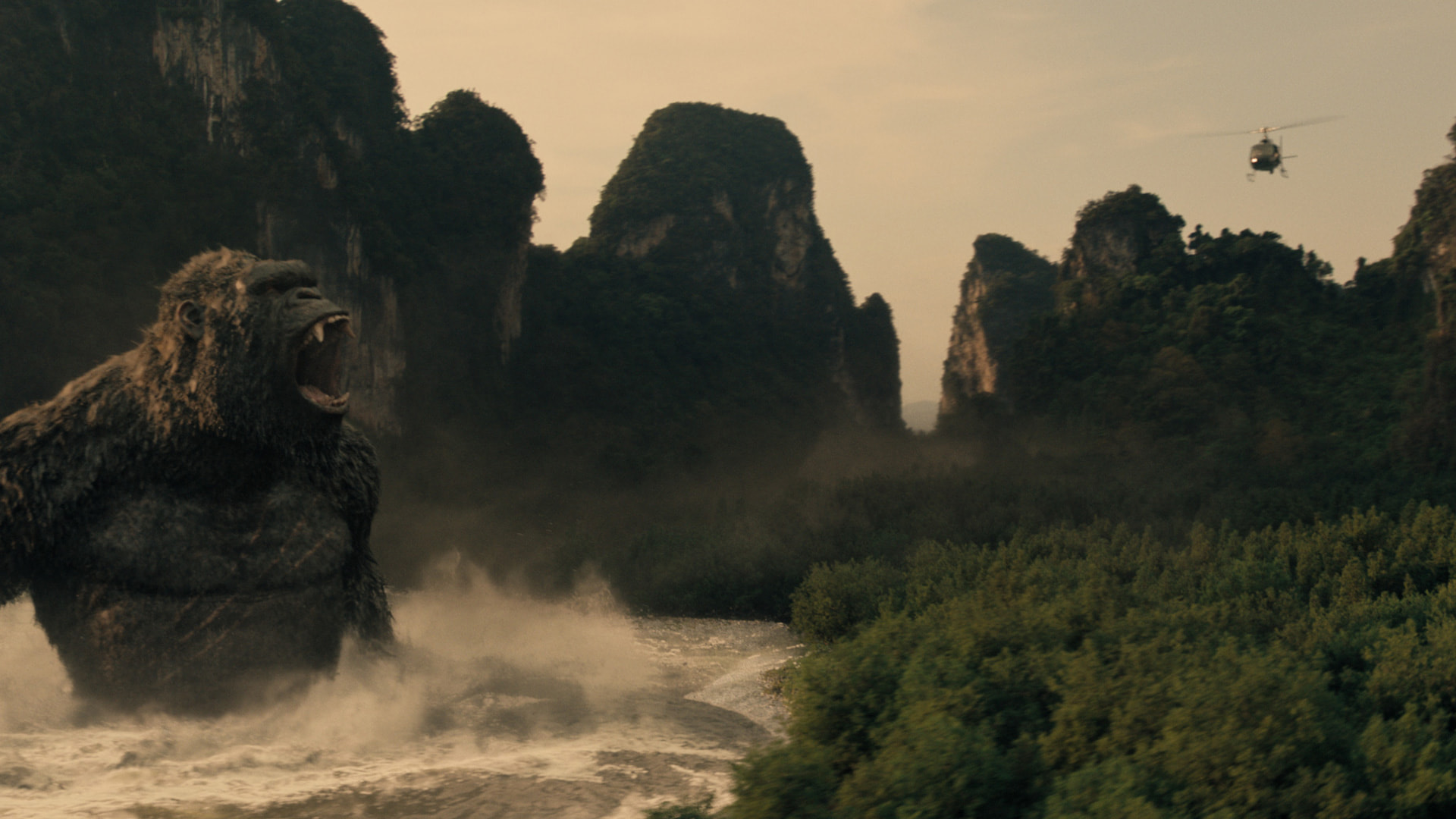
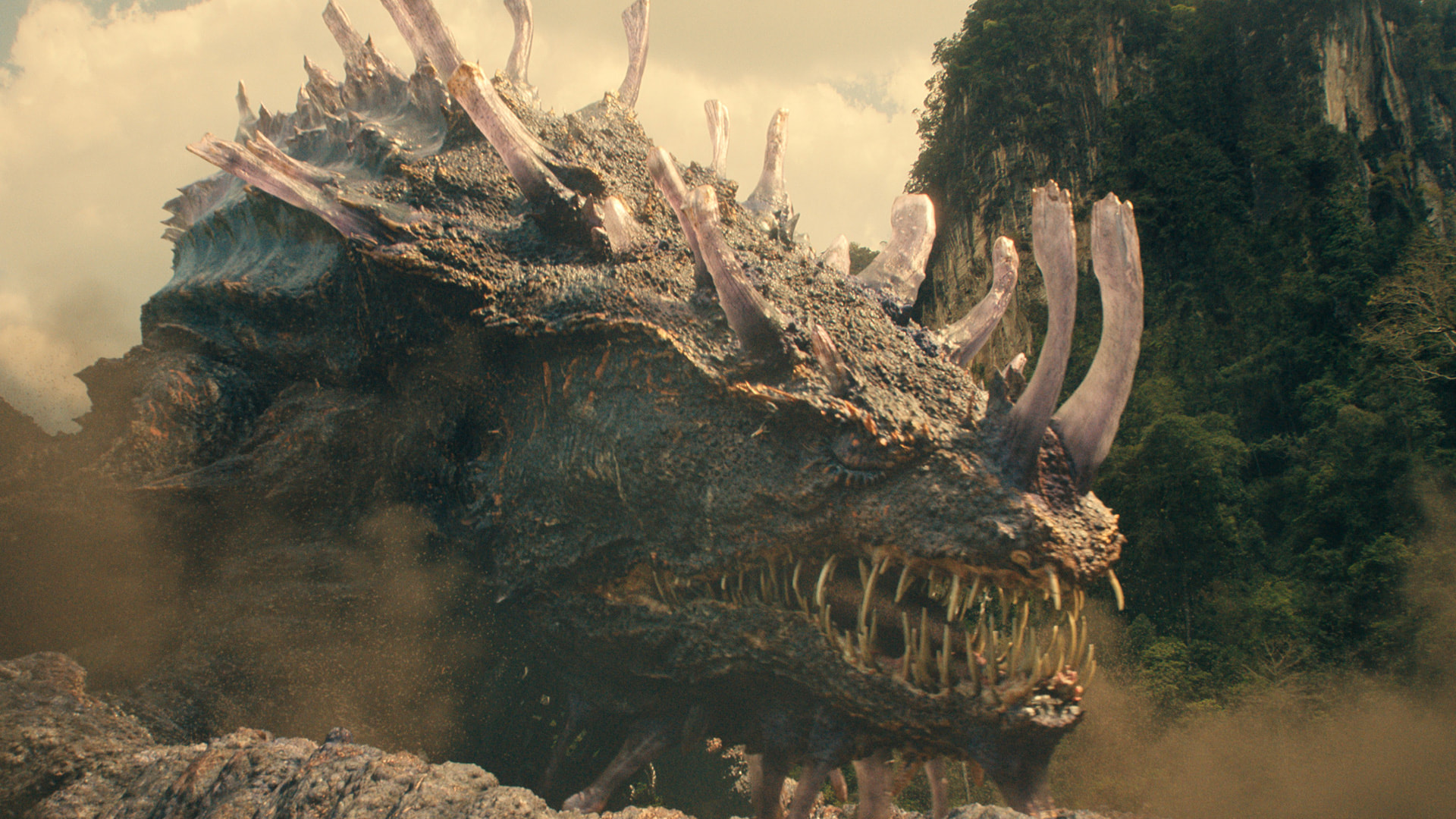
The second season pushes the series further into the machinery of the MonsterVerse. Skull Island takes on a larger role; Kong and Godzilla are more visible presences; and Titan X emerges as the new creature at the centre of the crisis. The production has considerably more to juggle, not least because the emotional stakes of the Randa family now have to coexist with a threat enormous enough to interest the wider franchise.

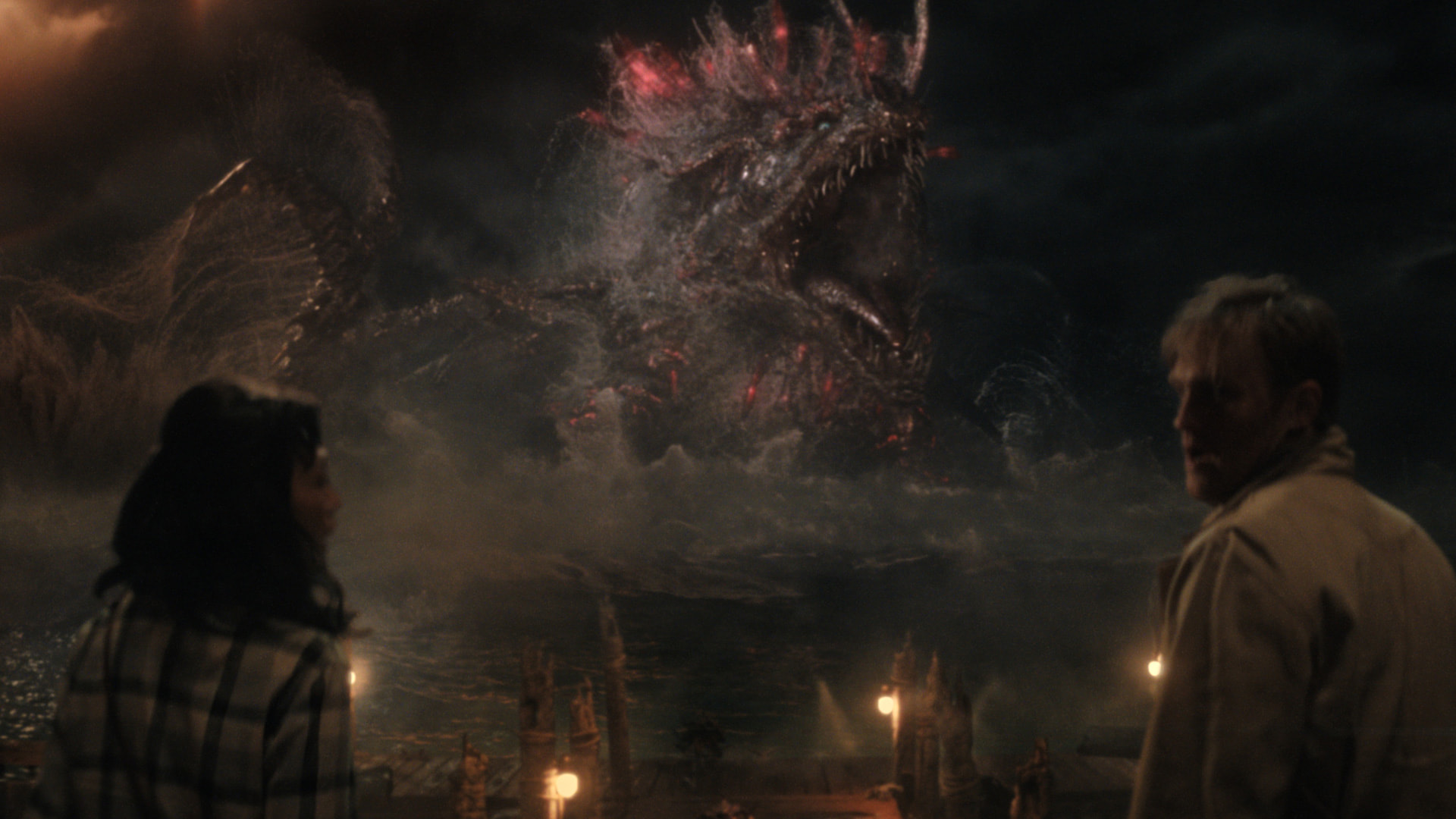
I enjoyed Season 2, which should be obvious from how quickly I went through it, but it was also the season that tested my patience. Some stretches keep circling their mysteries when I would rather the characters simply talked to one another. Titan X is intriguing long before the series fully explains what is happening around her, but withholding information is not automatically the same as generating suspense. The story occasionally seems so attached to its destination that it takes a winding route to get there.


Kentaro is especially frustrating, although his choices make emotional sense. Someone who has spent years trying to discover the shape of his family history might be vulnerable to anyone offering a purpose and a way to change what has happened. His connection with Isabel Simmons, played by Amber Midthunder, draws him into the kind of corporate ambition that runs throughout these films: if something magnificent and dangerous exists, someone with money will immediately work out how to exploit it. I found his arc harder to like than Cate’s, but not necessarily less believable.

Keiko, Cate and the Cruelty of Coming Back

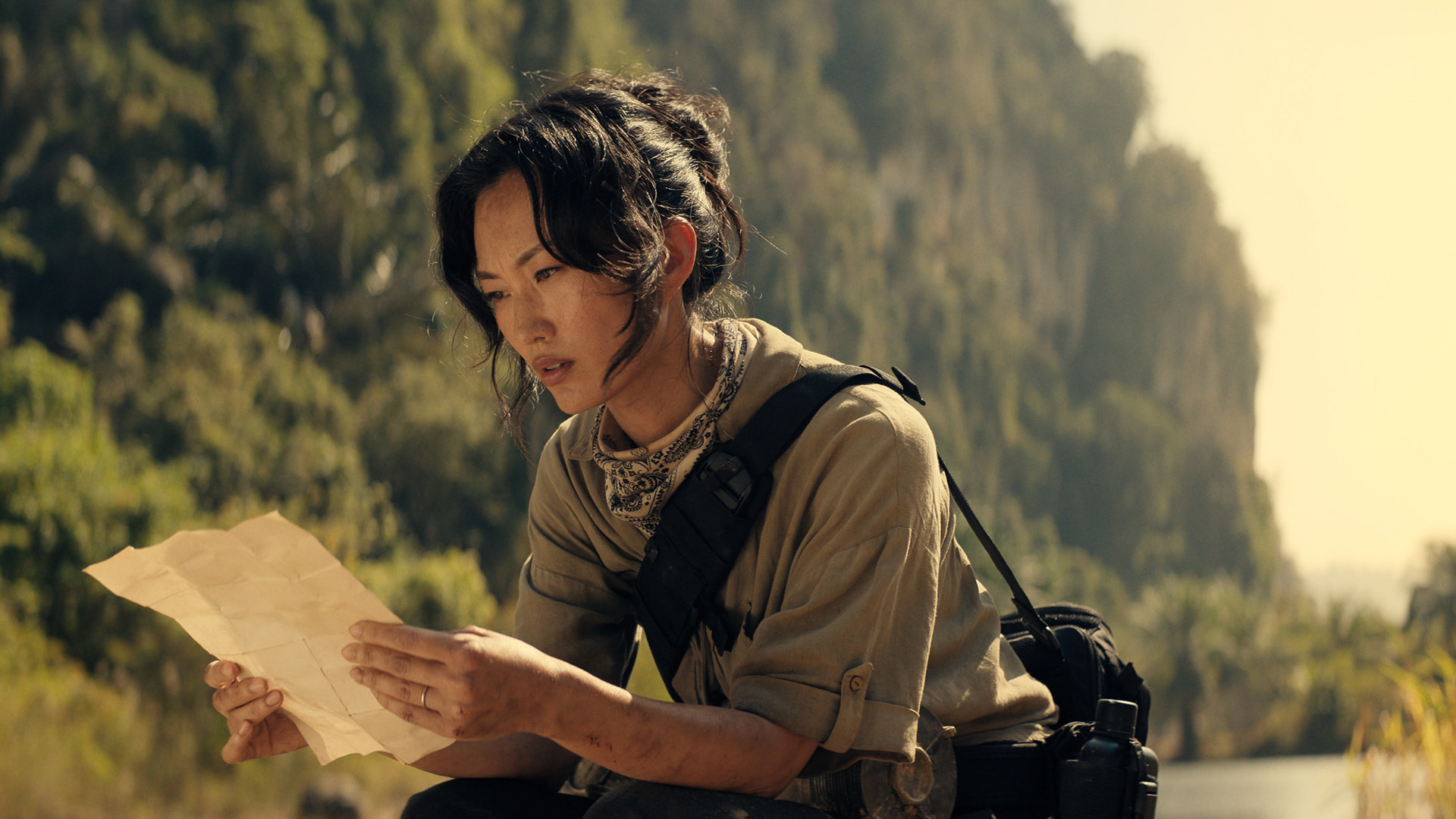
Season 2 also makes better use of an idea that was already moving me in Season 1: what happens when the person being mourned is the one who returns. Keiko finds a world transformed by her absence. Her son Hiroshi lived a life she could not share. Her grandchildren inherited a chain of decisions that started before they were born. Lee has grown old around a loss she did not experience in the same way. It is a strange, quiet reversal of the usual reunion scene.

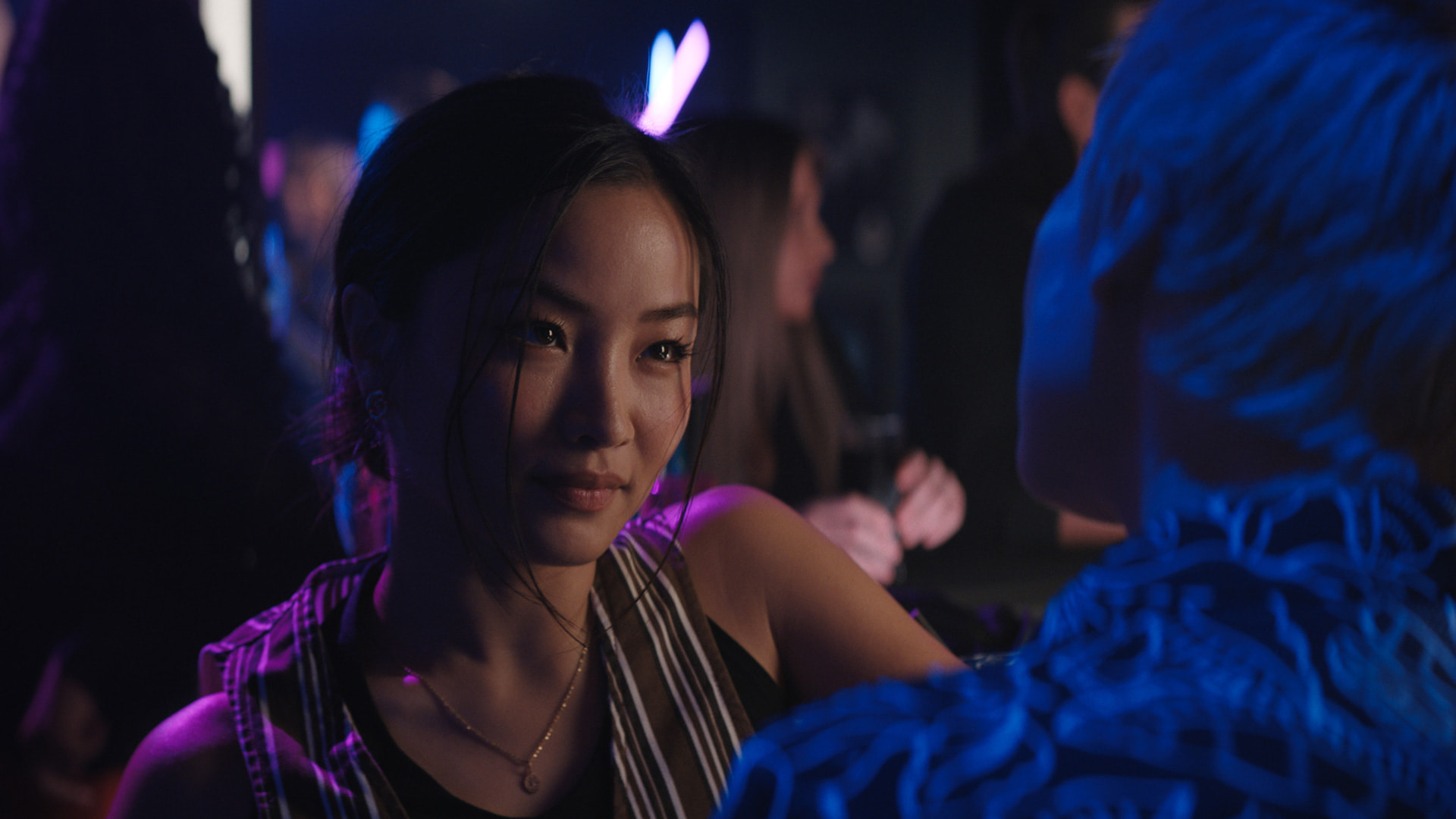
Yamamoto keeps Keiko grounded even when the plot becomes complicated. She does not exist simply to explain how the Titans work or to give the audience another clue about Axis Mundi. She gives the science a human cost. Sawai does something similar with Cate, whose relationship to the monsters evolves from fear towards a more difficult form of understanding. By the finale, the important change is not that Cate has become fearless. She has learnt to act without pretending that the fear has disappeared.


Those are the moments that keep the series from becoming a collection of Titan sightings. The effects are impressive, but a convincing change in a frightened person has a different kind of weight, and the show is better when it makes room for both.


When the Titans Are More Than a Boss Fight

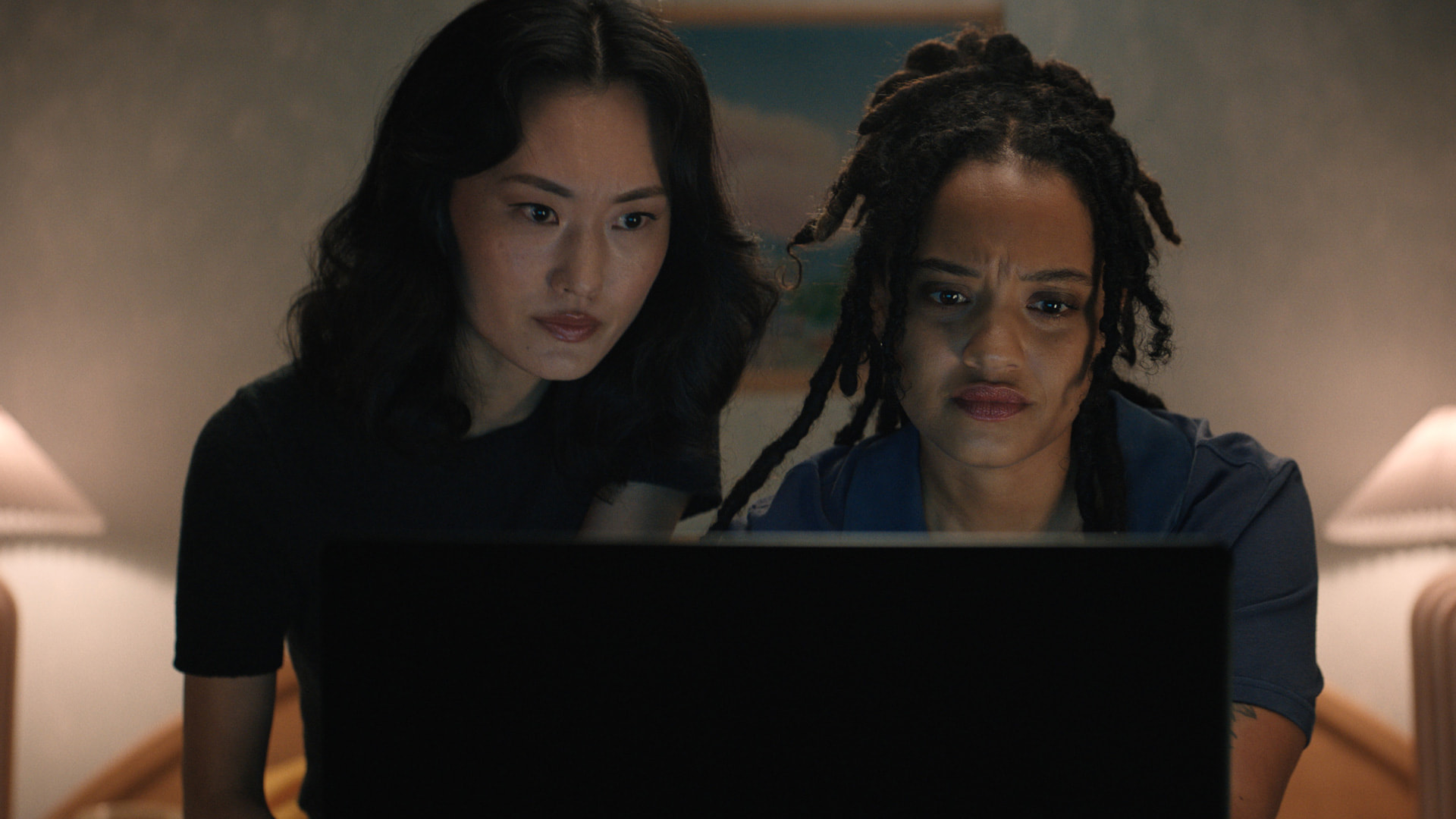
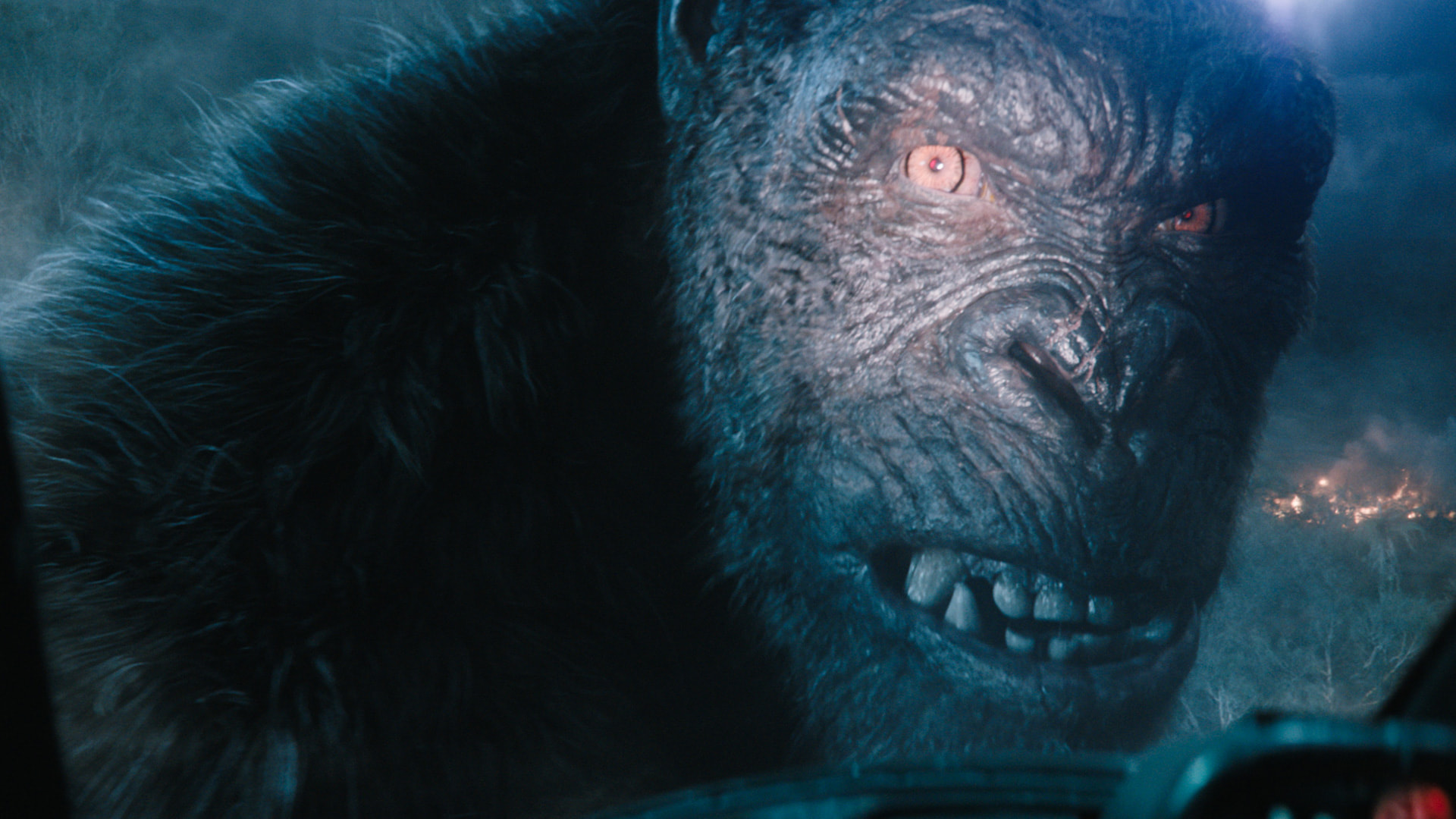
Godzilla’s appearances are still events, and Kong remains a wonderfully expressive giant presence, but Titan X gives the second season an opportunity to reconsider what a Titan confrontation means. The creature is not interesting merely because of her size or destructive potential. She is frightened, displaced and manipulated, and the story gradually makes it harder to see the situation as a simple contest between humans and monsters.


That becomes essential in the finale, Where We Belong, when Kong and Titan X meet on Skull Island. The confrontation offers the scale expected of a MonsterVerse climax, but it also brings the season’s concerns about exploitation, separation and family into the fight. Cate’s part in resolving the crisis matters because it depends on recognising a creature’s needs rather than treating her as a target. The show is stronger when its giant animals feel like living beings rather than computer-generated obstacles between plot points.

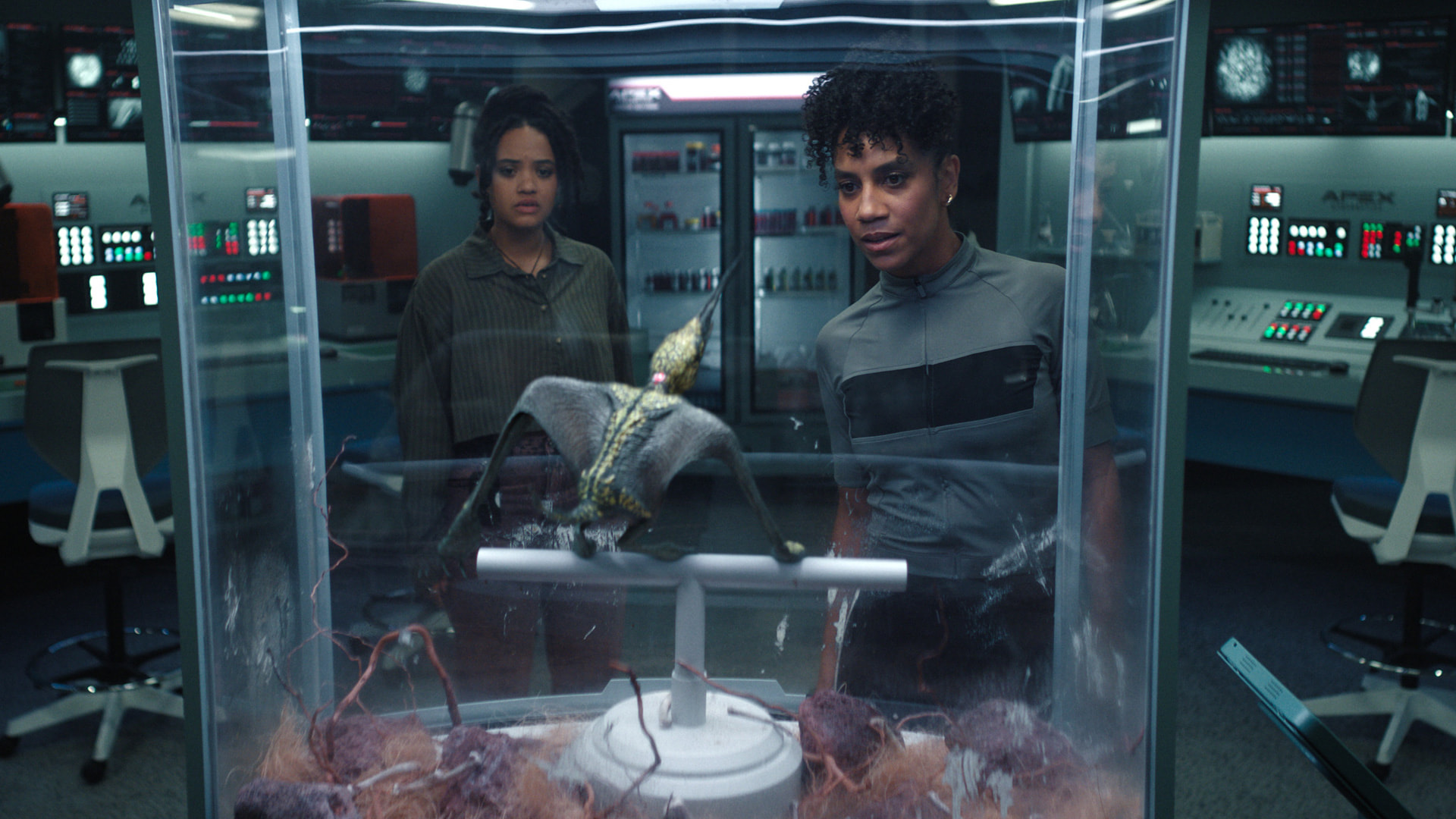
Of course, the final Rodan reveal worked on me too. I can sit through hours of family drama and ethical arguments about humanity’s relationship with nature, but the suggestion of another enormous creature lurking near a volcano still gets my attention. Some habits are difficult to outgrow.

Axis Mundi: A Wonderful Idea With a Dangerous Amount of Flexibility
Axis Mundi is both one of Monarch‘s best inventions and one of its more convenient escape routes. Its relationship to time and the space between worlds gives the series a genuinely unsettling idea: absence can become geography, and people separated by decades can suddenly be standing in the same room. That is rich material for a programme already occupied with inheritance and regret.

It is also a device the writers need to handle carefully. If time, loss and rescue can be rearranged whenever the story requires, consequences begin to feel negotiable. I thought the second season sometimes leaned too heavily on the mechanics of the place instead of letting their emotional implications do the work. I would rather the series take that risk than settle for another set of tunnels under the Earth, but it occasionally makes its own mythology harder to take seriously.

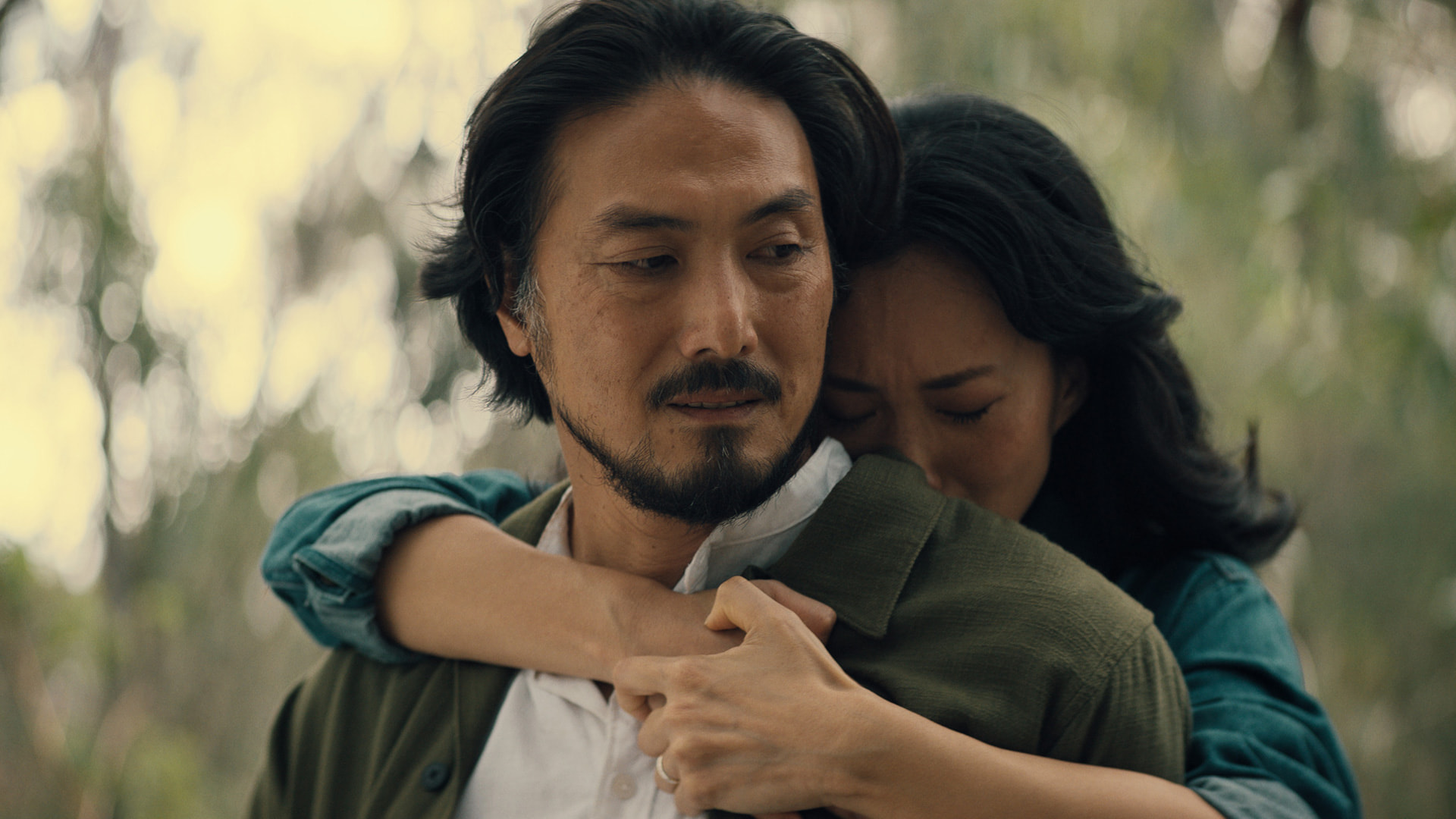
That is why I find the scenes in which Lee and Keiko confront what Axis Mundi has done to their lives far more affecting than any attempt to explain its rules. The science-fiction device matters most when it leaves somebody with an ordinary, impossible choice.


Where We Belong, and What Is Left Unresolved


The second-season finale is not perfect, but it returns the series to a question worth asking. Where do the Titans belong in a world that keeps trying to control them? Where does Cate belong after spending so long defined by catastrophe? Where does Keiko fit in a family that has aged without her? And what is Monarch supposed to be if it finally acknowledges that observation and ownership are not the same thing?


The episode delivers the large-scale confrontation it has been working towards. It also leaves Kentaro’s choices, Lee’s unfinished business and the wider franchise’s future in motion. Not every subplot arrives with the grace I would have liked. Some answers turn up rather late and others are left tantalisingly out of reach. Yet I came away satisfied that the people still mattered as much as the next spectacular monster reveal.

I had been mildly annoyed when I reached the end of Episode 9 and realised I had to wait for the finale. By the end of Episode 10, I was glad I had. That week of anticipation reminded me how much of television used to happen in the space between episodes, when you had time to think about characters rather than merely press play again.

The Damage We Inherit
Monarch: Legacy of Monsters is uneven, and it occasionally mistakes more mythology for more depth. Season 1 has moments when its characters seem to tread water; Season 2 gives its time-bending science enough flexibility to make me suspicious. But both seasons keep returning to a point that some of the films lose beneath the noise: the presence of something godlike does not make ordinary human failings disappear. It makes them more consequential.

At a certain age, the family-secret side of the programme feels more familiar than the monsters. Most families have their old omissions, their people who believed silence was kindness, their decisions nobody explained until much later. Monarch has files, research facilities and a rather serious security budget, but the habit is much the same. Someone decided they knew best. Someone else inherited the problem.

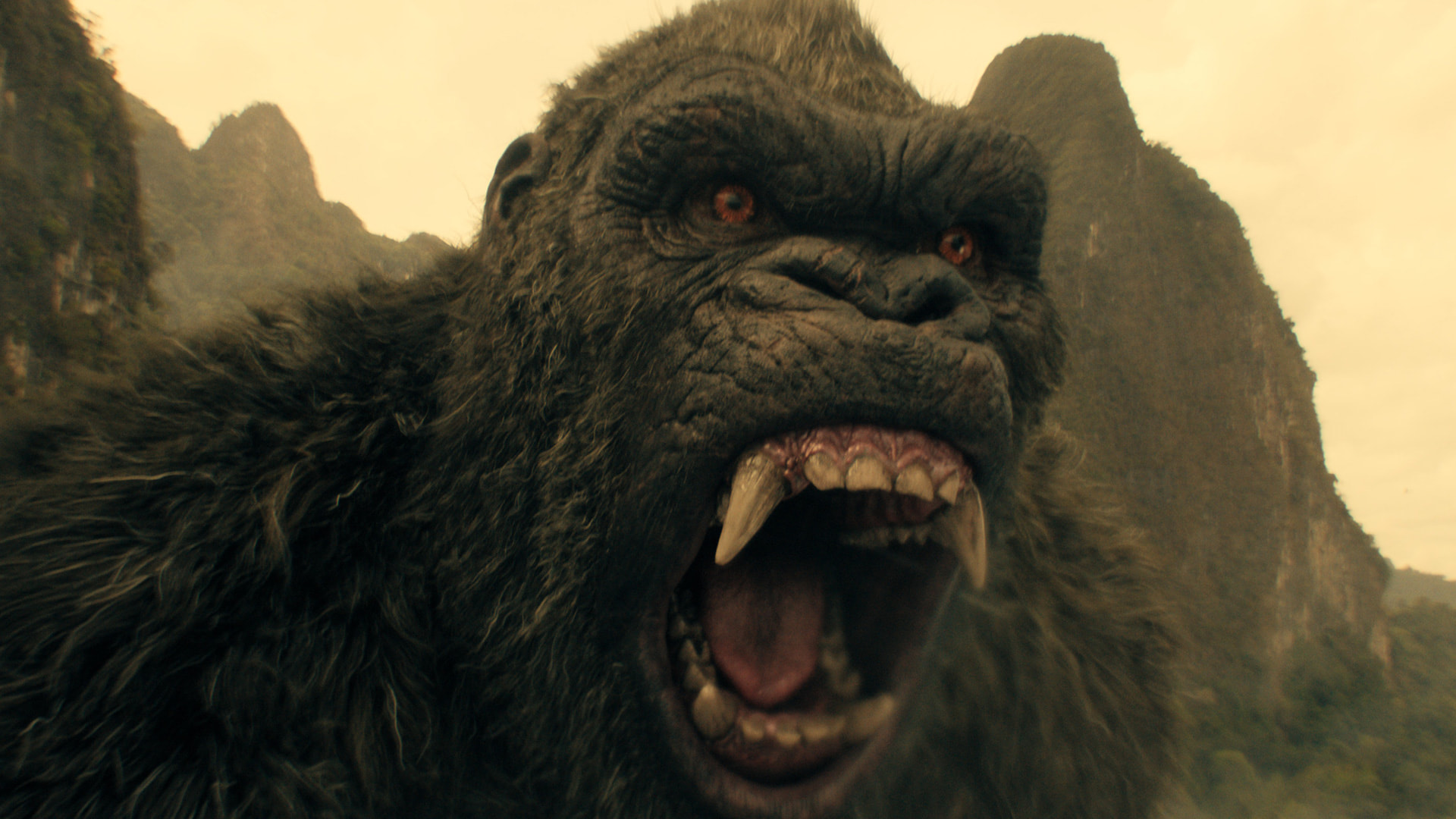
I will happily watch Godzilla rise through the smoke or Kong confront another impossible creature. That was never in doubt. What makes me want to return to Monarch is the smaller business underneath: Keiko trying to find her place, Cate refusing to let her fear decide everything, Lee still hoping to put one thing right, and a family discovering that the real legacy is not written on the folder. It is what everyone has to live with after the folder is opened.

Leave a Reply