
An Unwelcome Recommendation from the Feed
I came to Stare, or Shirai-san, in the modern horror-viewing way: not through a video-shop shelf, a lurid VHS cover glimpsed at the wrong age, or late-night television where everything felt faintly illicit after midnight, but through one of the Facebook horror-film accounts I follow. That is where a fair amount of horror now reaches me — screenshots, recommendations, grainy clips and people insisting something is “the scariest thing ever” when they usually mean there are three decent moments and one thoroughly unpleasant bit.
It is not necessarily a bad way to find films. Horror has always spread by word of mouth: campfire story, playground rumour, bootleg tape, chain letter, badly compressed video, Facebook post. Same disease, different carrier. Shirai-san is particularly well suited to that route because its central idea can be reduced to a few nasty instructions. Learn the name and you become involved. Hear the bells and something is coming. When Shirai-san appears, keep looking at her. Look away and you die.
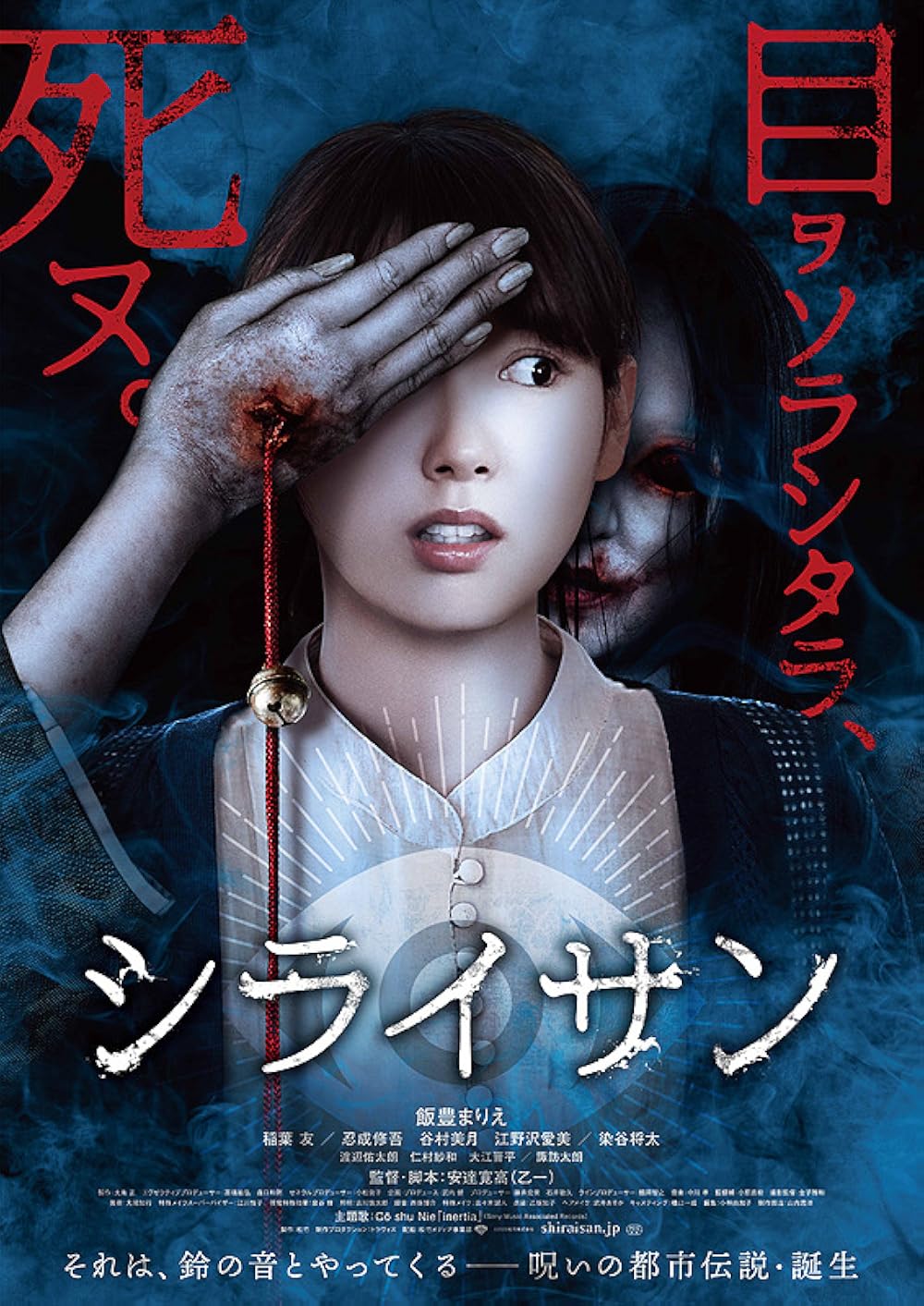
The film, written and directed by Hirotaka Adachi — better known as novelist Otsuichi — opened theatrically in Japan on 10 January 2020. According to Shochiku’s official film information, the synopsis starts with a succession of victims found with ruptured eyeballs and heart failure, each having shown signs of terror before dying. That is the part I had no difficulty understanding. The eyeballs are not subtle, but they are memorable, and the film builds a surprisingly elaborate system around getting you to dread what might happen to them.
What took me longer was the logic underneath. I understood the broad outline while watching, but the later idea that spreading the story to more people might improve an individual victim’s chances made me feel as though I had wandered from a haunting into an actuarial meeting. The curse is not defeated; the queue gets longer. It is a clever idea, and also faintly ridiculous, which turns out to describe quite a lot of what I enjoyed about the film.



The Film Behind the Stare
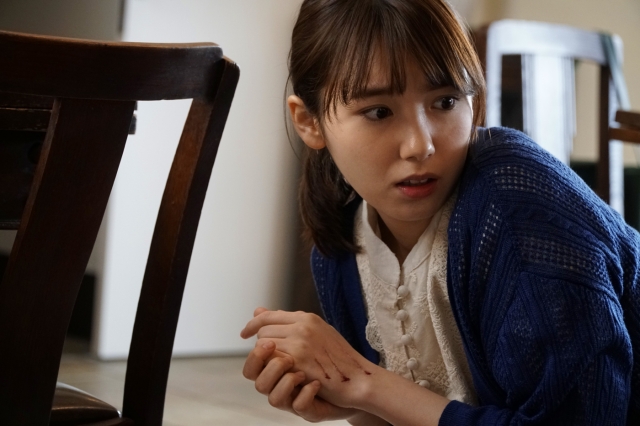
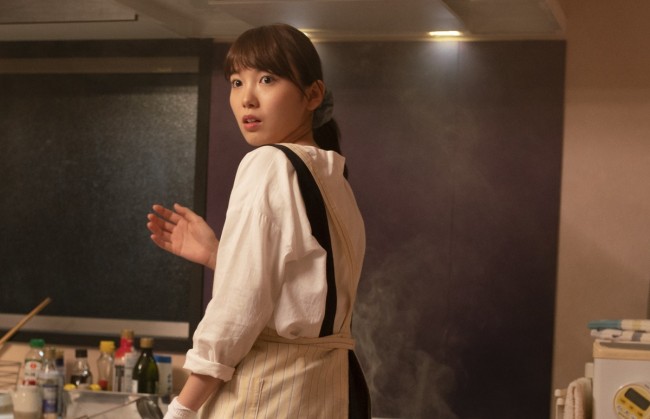
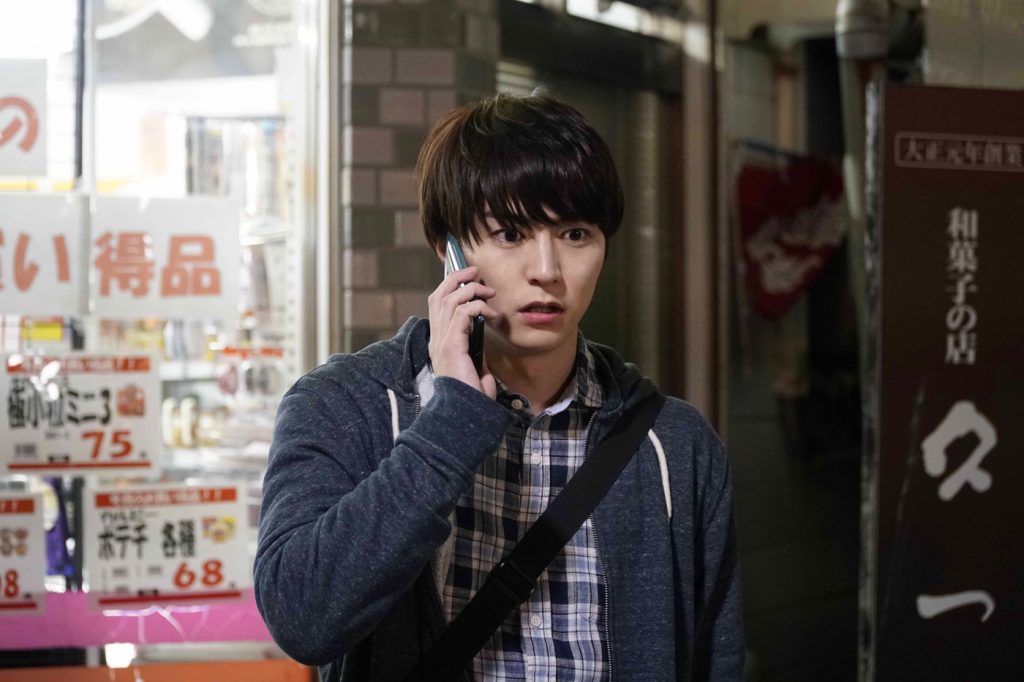
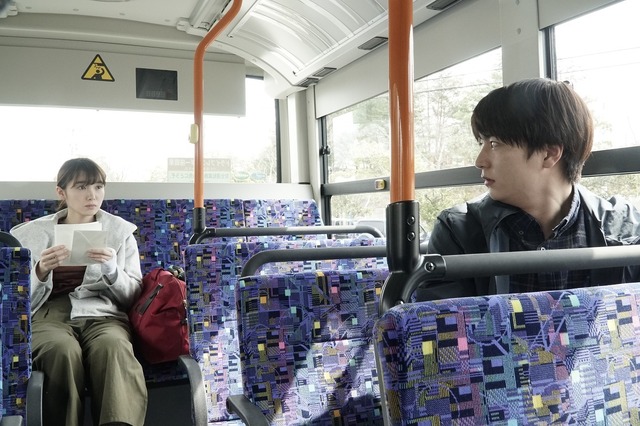
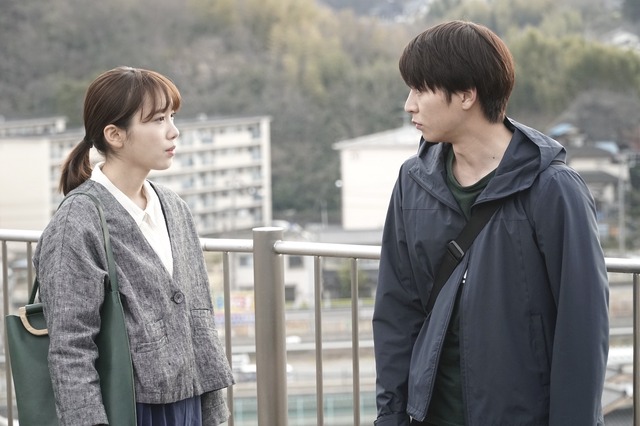
The basic shape of Shirai-san is familiar J-horror machinery. Mizuki, played by Marie Iitoyo, watches a friend die in front of her. Haruo, played by Yu Inaba, loses his younger brother. Both deaths are sufficiently strange to rule out the ordinary explanations, so grief becomes investigation. Their search eventually leads them towards Eiko, the name “Shirai-san”, and a curse that behaves less like a traditional haunting than an infectious piece of information.
That places the film in recognisable company. Ring made watching dangerous. Ju-on made entering a place dangerous. Shirai-san makes knowing dangerous. The important thing is not simply that there is a ghost, but that the ghost has become attached to a story which people can repeat. Once someone has told you enough, ignorance is no longer available as a defence.


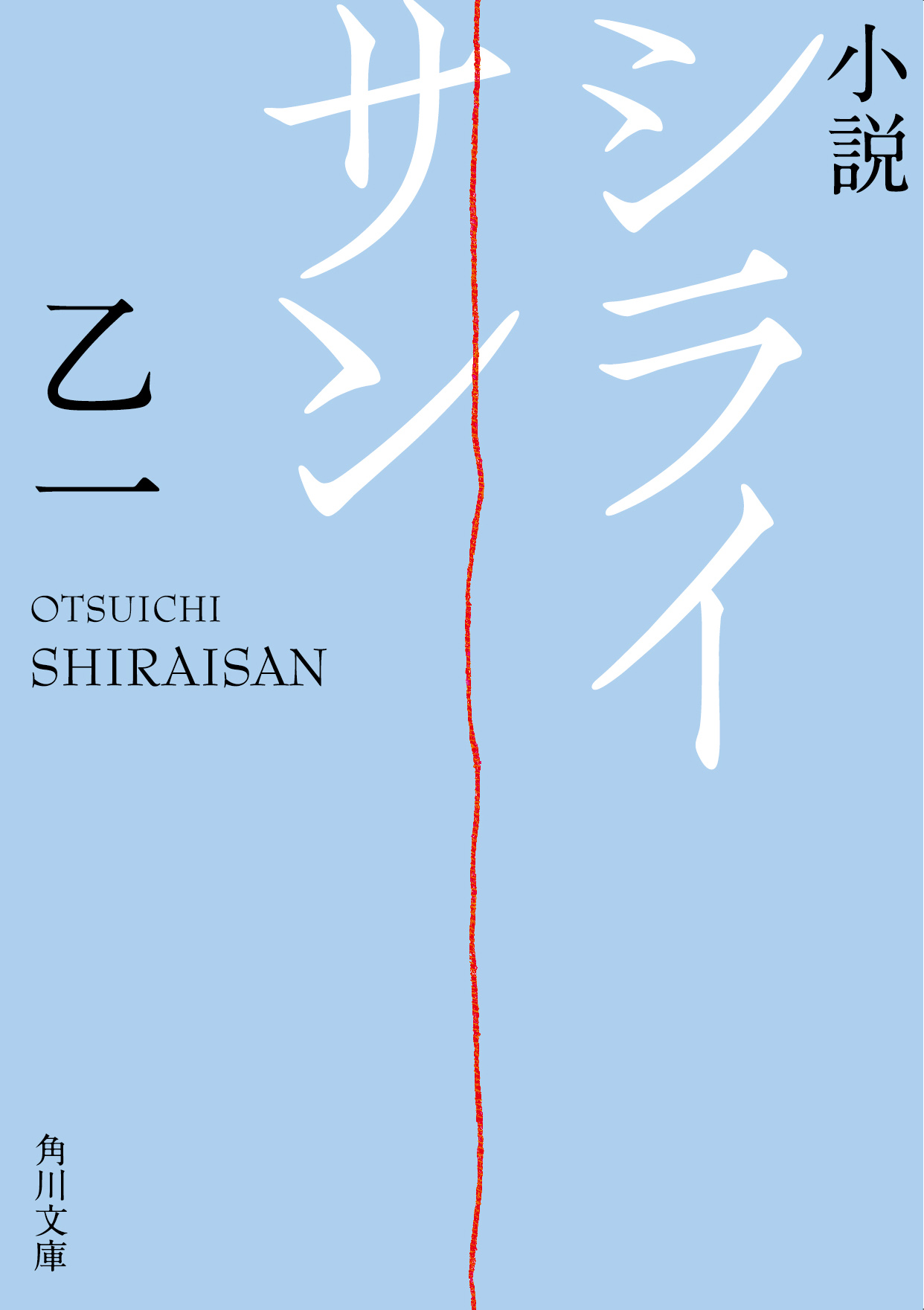
Adachi had already built a substantial reputation as Otsuichi through horror and mystery fiction including Goth and Zoo. The related Shirai-san novel appeared shortly before the film, an interesting reversal of the usual adaptation path because the story was conceived for the screen and then allowed to spread into print. That suits a film obsessed with transmission. It is not a studio franchise trying to adapt an old monster. It is a deliberate attempt to manufacture a new piece of folklore with a name, a sound, a visual signature and a rule simple enough to repeat.

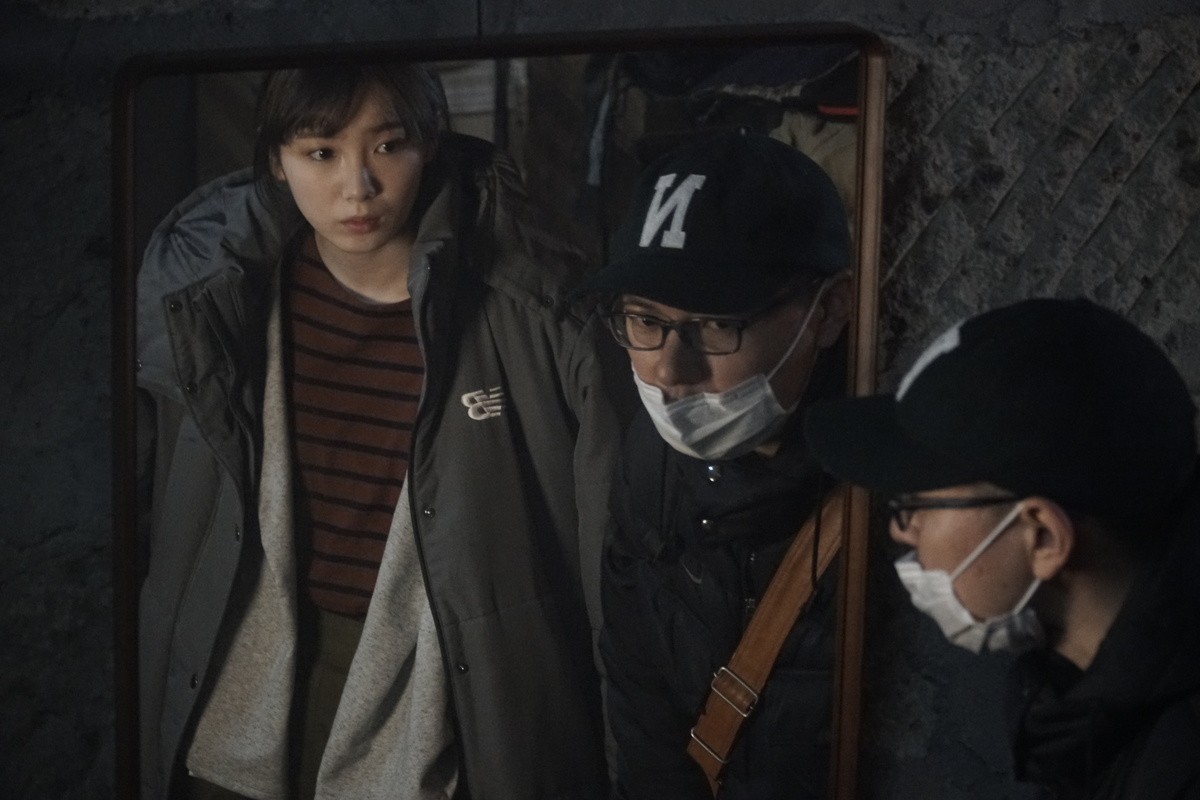
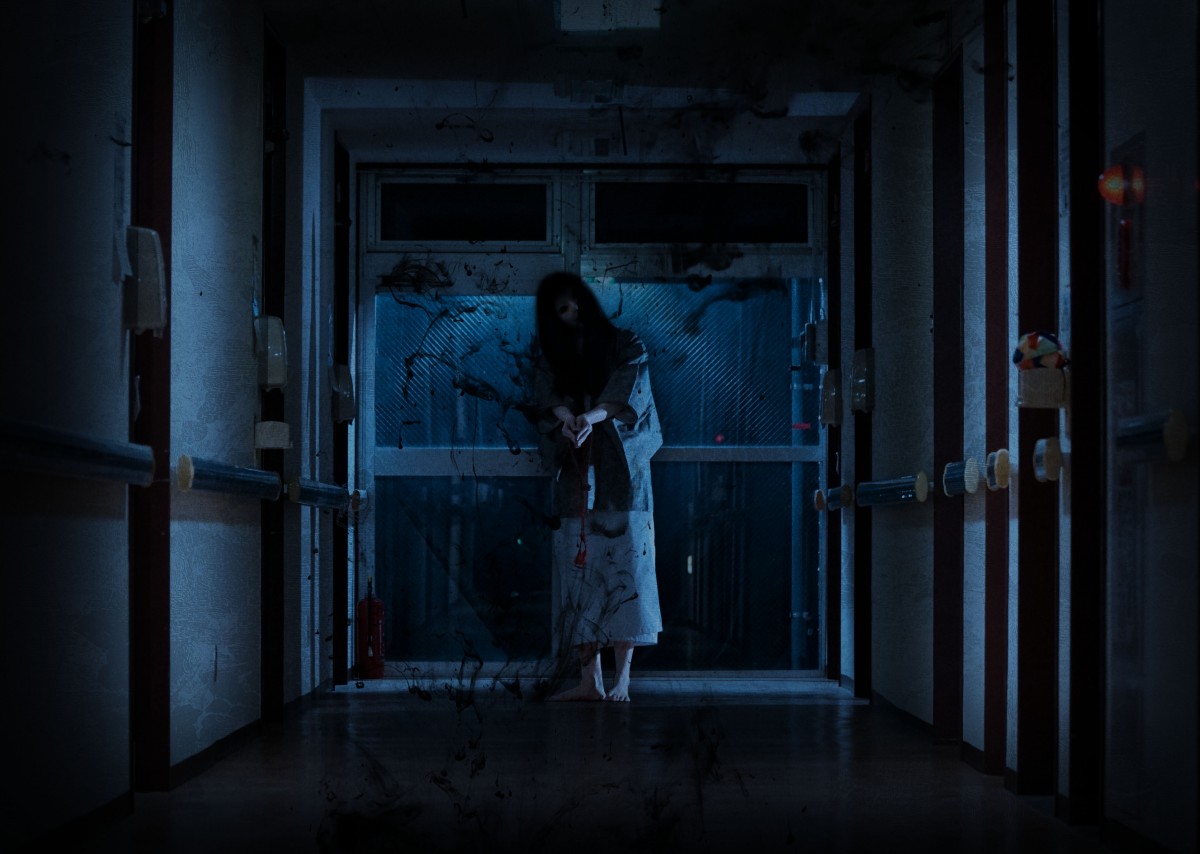
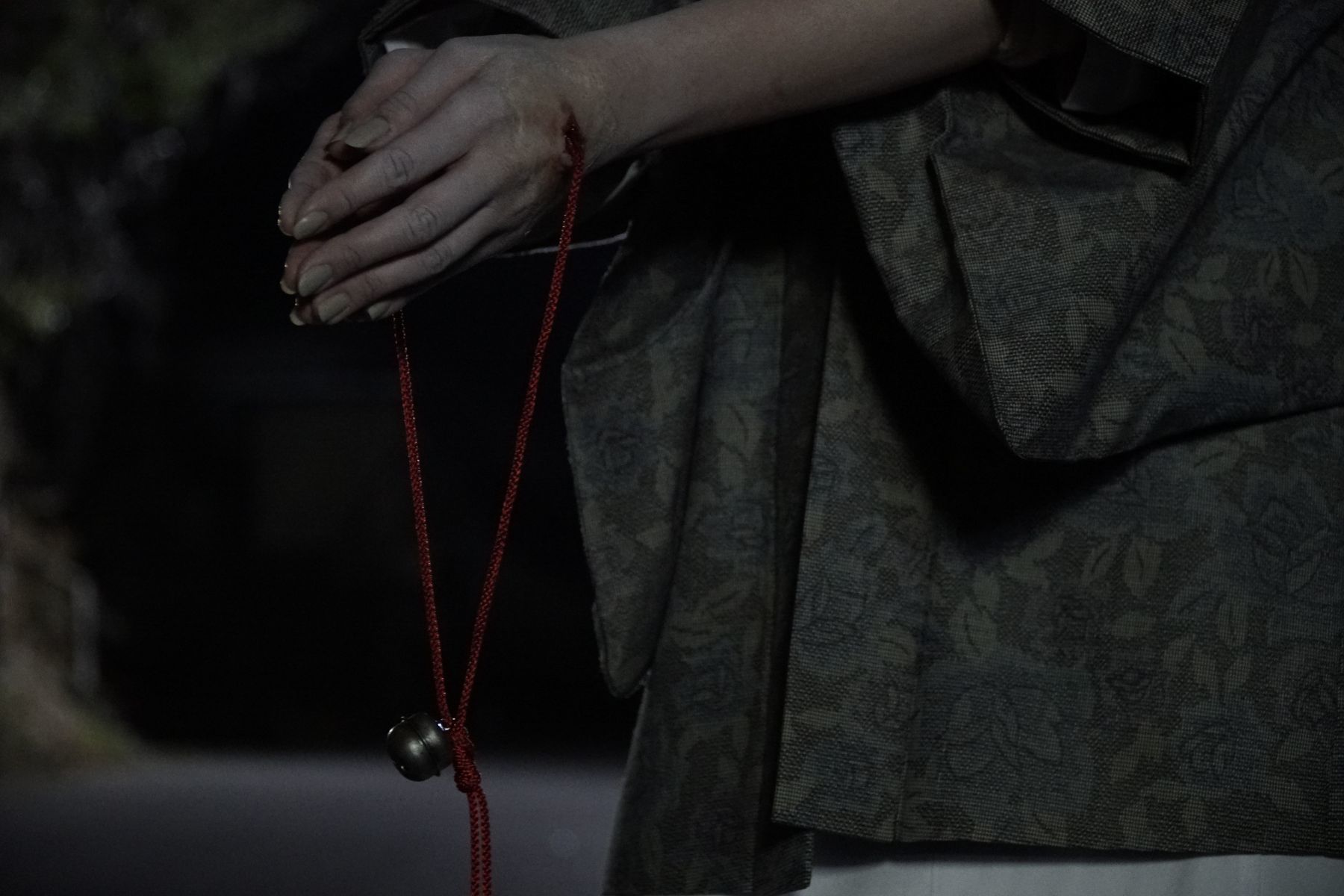
Shirai-san’s design is economical enough to survive retelling: unnaturally large eyes, hands fixed together by a red cord and bell, and an approach announced by sound. Shochiku’s publicity reduced it even further: know the name, become cursed; avert your eyes, die. Bell. Eyes. Name. Stare. That is enough material for an urban legend, and more importantly it is enough material for somebody to send to somebody else.


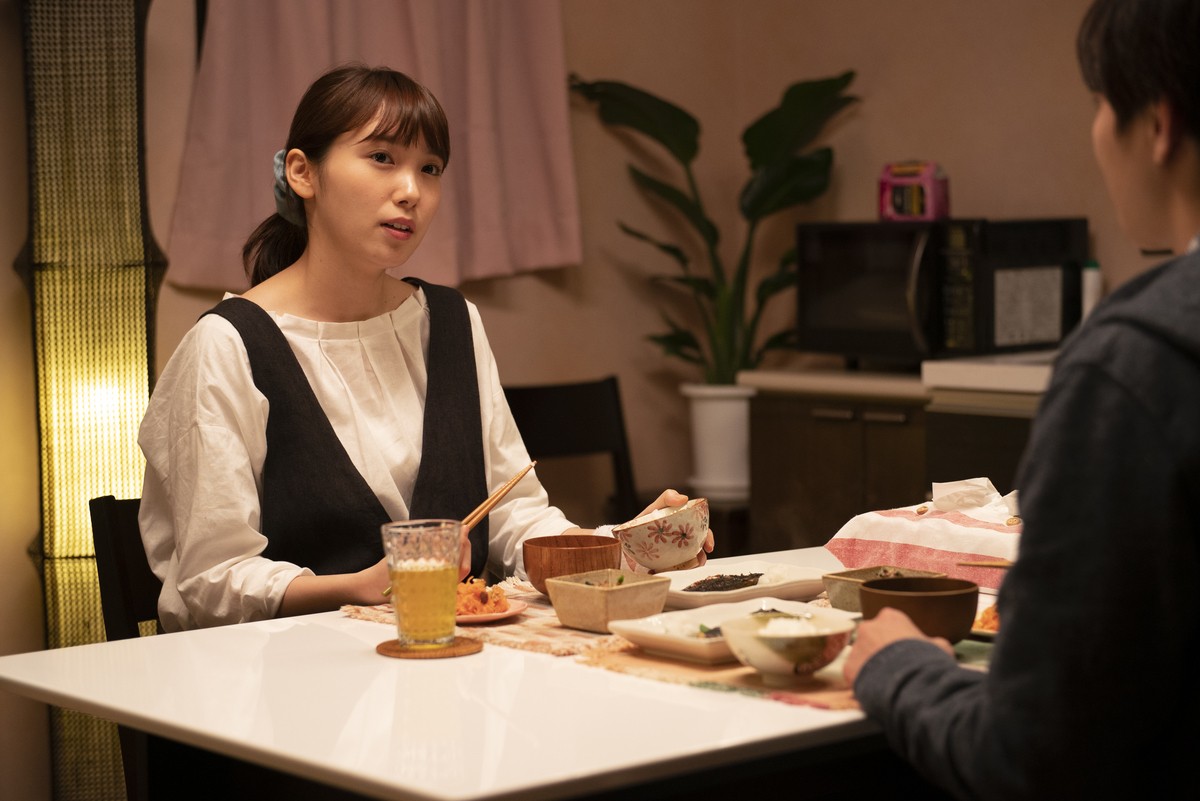
The Curse as a User Agreement Nobody Read
The first thing that works about Shirai-san is that nobody needs to deserve the curse. Older supernatural stories often arrive with some moral explanation: a grave was disturbed, a promise broken, a forbidden place entered, somebody wronged the dead. Here, you mostly need to receive information. Hear the story, learn the name, and congratulations — you have accepted the supernatural terms and conditions without scrolling to the bottom.
There is something very contemporary in that. We live inside feeds of rumours, clips, warnings, headlines, screenshots, true-crime summaries, urban legends, fake news and things we wish we had not clicked. Shirai-san turns attention itself into exposure. The story does not need belief to circulate; curiosity will do perfectly well.
The public-facing rule is admirably clean: if you know the name, Shirai-san can come for you; when she appears, looking away is fatal. The complications arrive later. There is timing, target selection, the possibility of surviving an encounter by maintaining eye contact, and finally the idea that a vastly larger group of cursed people might reduce how often any one person is selected.
The protagonists therefore do not really break the curse. They dilute it. If Shirai-san is moving through a pool of possible victims, expanding the pool lengthens the interval before she circles back to you. It is a horrible kind of mathematics: morally grubby, mechanically intriguing and the sort of thing that makes you wonder whether the ghost is keeping a spreadsheet somewhere.

People Trying to Reason With Something That Does Not Care
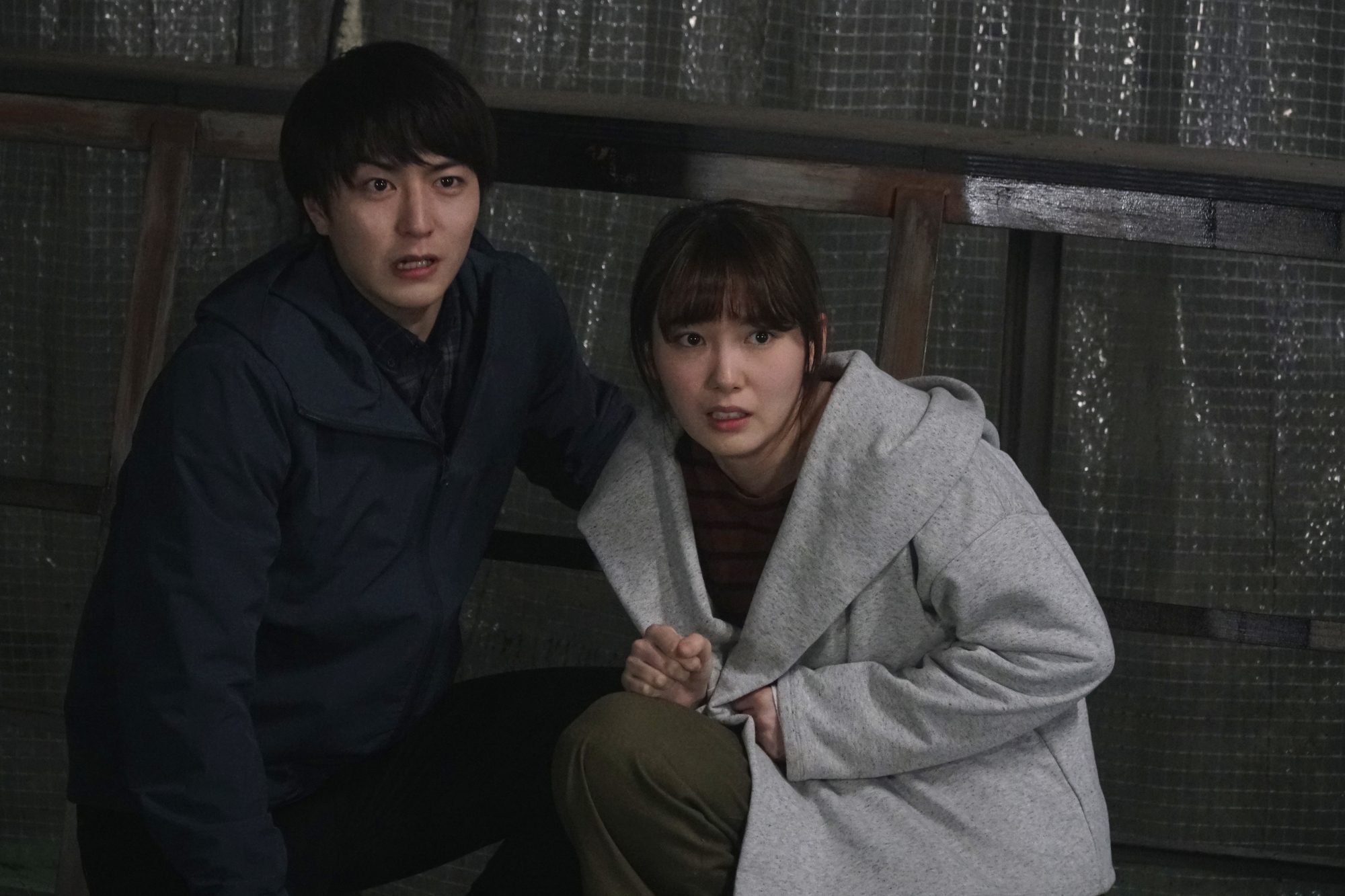
Marie Iitoyo’s Mizuki and Yu Inaba’s Haruo are not flamboyant horror protagonists. They are grieving people pulled into an investigation because the deaths close to them cannot be filed as ordinary. That restraint is useful. Mizuki has the slightly stunned quality of someone who has seen something her mind has not yet found a drawer for, while Haruo is steadier and more analytical. They function as an investigative pair rather than as an obvious romance, which keeps the film from wandering into a different set of genre expectations.
The problem is that the mythology eventually becomes more vivid than the people carrying it. Once a supernatural film starts explaining its rules, characters can become delivery systems for exposition. Somebody has to visit the witness, replay the recording, read the article, inspect the old house and ask the question nobody sensible would ask after the third unexplained death. Shirai-san does not collapse into that entirely, but it gets close.
Shugo Oshinari’s Mamiya is useful precisely because he represents that problem. He is a journalist, which means curiosity, documentation and circulation are built into his role. In most curse stories, the researcher seems helpful until you remember that research creates records, and records create audiences. Trying to understand the thing can become another way of feeding it.
Fuyumi and the other supporting characters widen the film beyond Mizuki and Haruo’s immediate losses. The curse works because people are linked socially: relatives, friends, witnesses, writers, readers. Nobody is isolated from the network for long, and the ending eventually makes that network the mechanism of survival.


Shota Sometani’s Watanabe is especially effective because he belongs to the film’s oral-history side. Horror stories need someone who knows just enough to be dangerous. He helps turn scattered deaths into lore, and once a haunting has lore it becomes much easier to package, repeat and transmit.
That is also why Kana matters more than her screen time might suggest. Before the rules arrive, death is still simply death. The film is strongest when it remembers that every piece of curse mythology was once a person becoming terrified in an ordinary room.



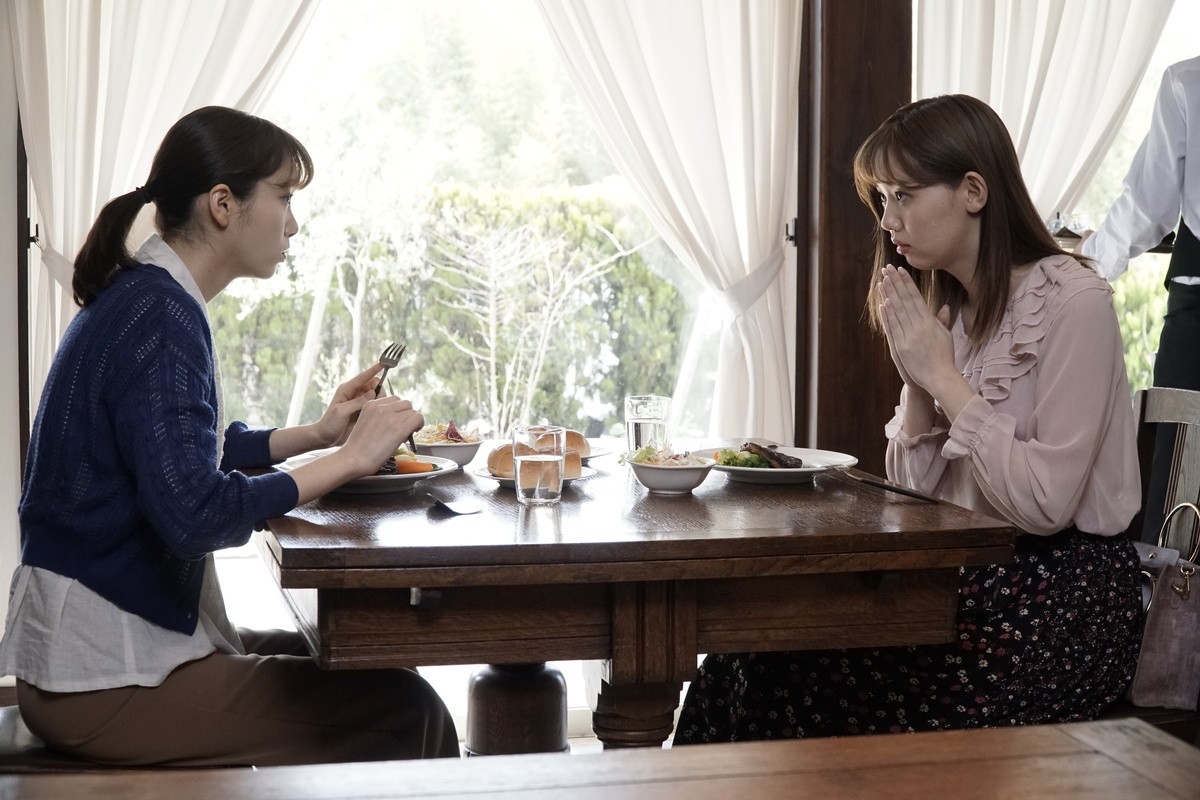
Exploding Eyes and the Horrible Clarity of the Body
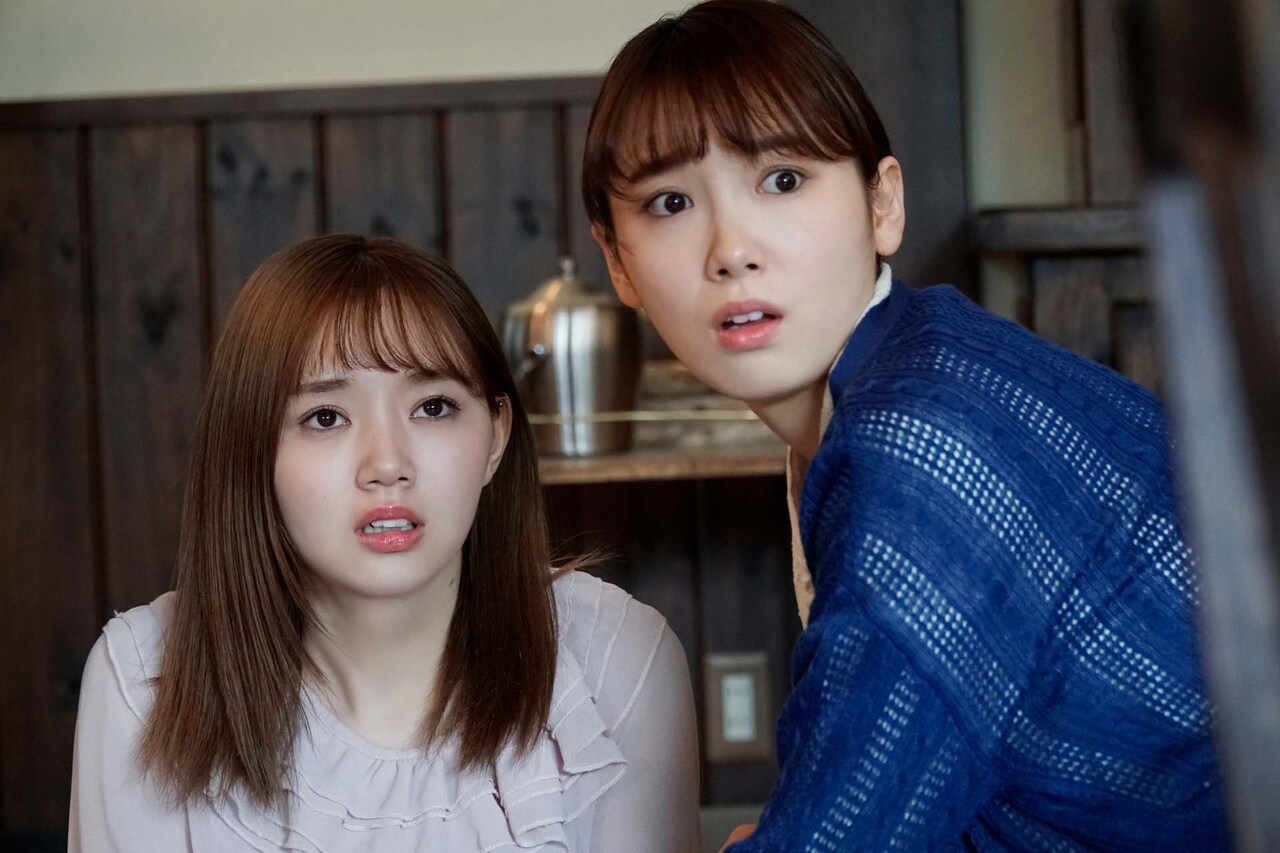
Whatever confusion I had about the mythology, the death effect is admirably direct. The eyes rupture. The body fails. The curse leaves evidence. J-horror has a long tradition of letting the unseen do most of the work, and Shirai-san certainly uses distance, sound and anticipation, but its signature is aggressively physical.
That physicality matters because sight is not an arbitrary theme pasted onto the gore. The eyes are the trap. Seeing is what brings the threat into focus; continuing to look is how you may survive; the organs required to do that are exactly what the curse destroys. There is a nasty symmetry to it. The film does not always exploit that idea as deeply as it could, but the concept is clean enough to stay with you after the finer points of the plot have started falling out of memory.


The grisly deaths also explain why the film travels so well through horror accounts. A recommendation does not always sell you an entire film; sometimes it sells one image, one scare or one bit of bodily damage unpleasant enough to make you curious. Shirai-san has that. I may have needed supplementary reading to make the curse arithmetic behave itself, but the eye trauma communicated perfectly well without footnotes.

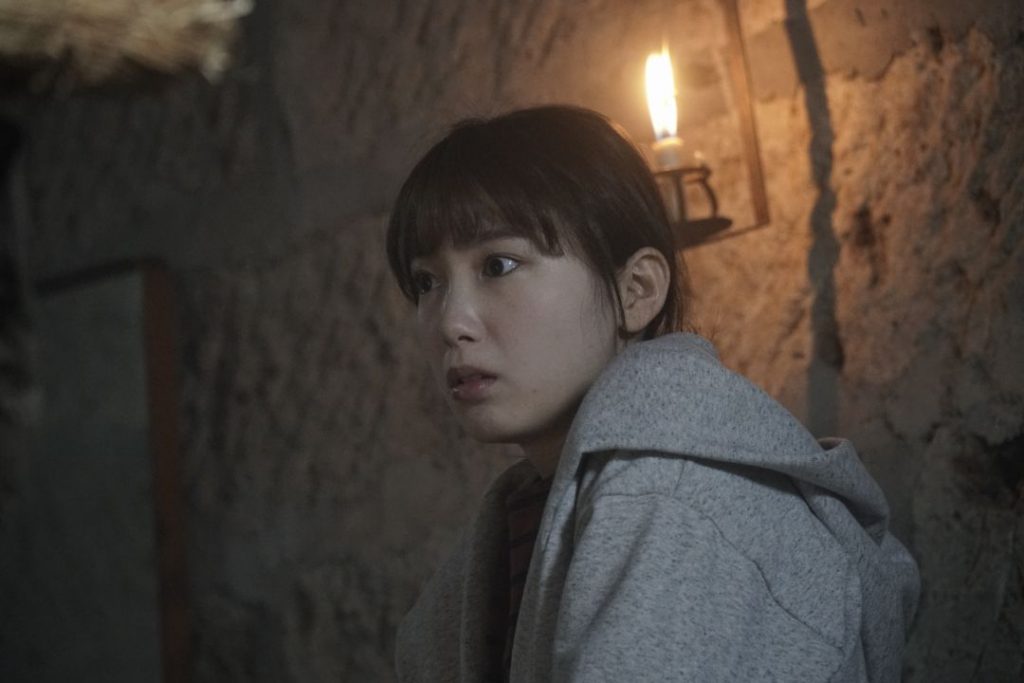
Iitoyo is good at that quieter fear. She can look shaken without becoming inert, which is useful in a film whose central rule makes the usual horror reflex — turning away — actively dangerous. Adachi reportedly wanted to avoid simply ending each scare with a scream, and the restraint gives some of the confrontations an uncomfortable duration. The character has to stay present in the moment instead of escaping it through reaction.

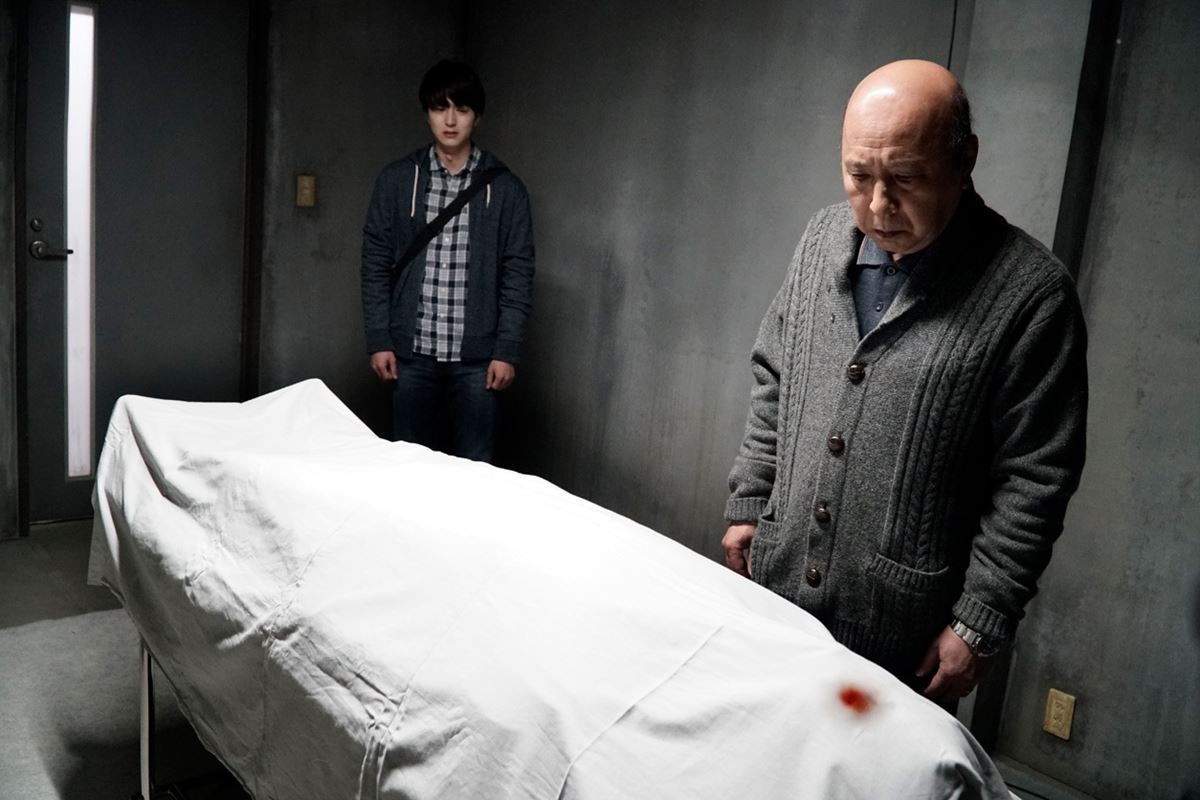
The Arithmetic of Staying Alive
The strangest pleasure in Shirai-san is the point where supernatural dread becomes logistics. The curse appears to operate according to a kind of target rotation. When only a handful of people know the story, those people are repeatedly exposed. When the story spreads widely, Shirai-san has not gone away; she simply has a much larger population to work through.
That is clever because it refuses the usual idea that knowledge automatically gives the heroes a way to defeat evil. Here, knowledge gives them a model. They can estimate risk, manipulate exposure and buy time, but none of that makes the curse morally or spiritually resolved. They are essentially trying to improve their odds inside a system they cannot shut down.

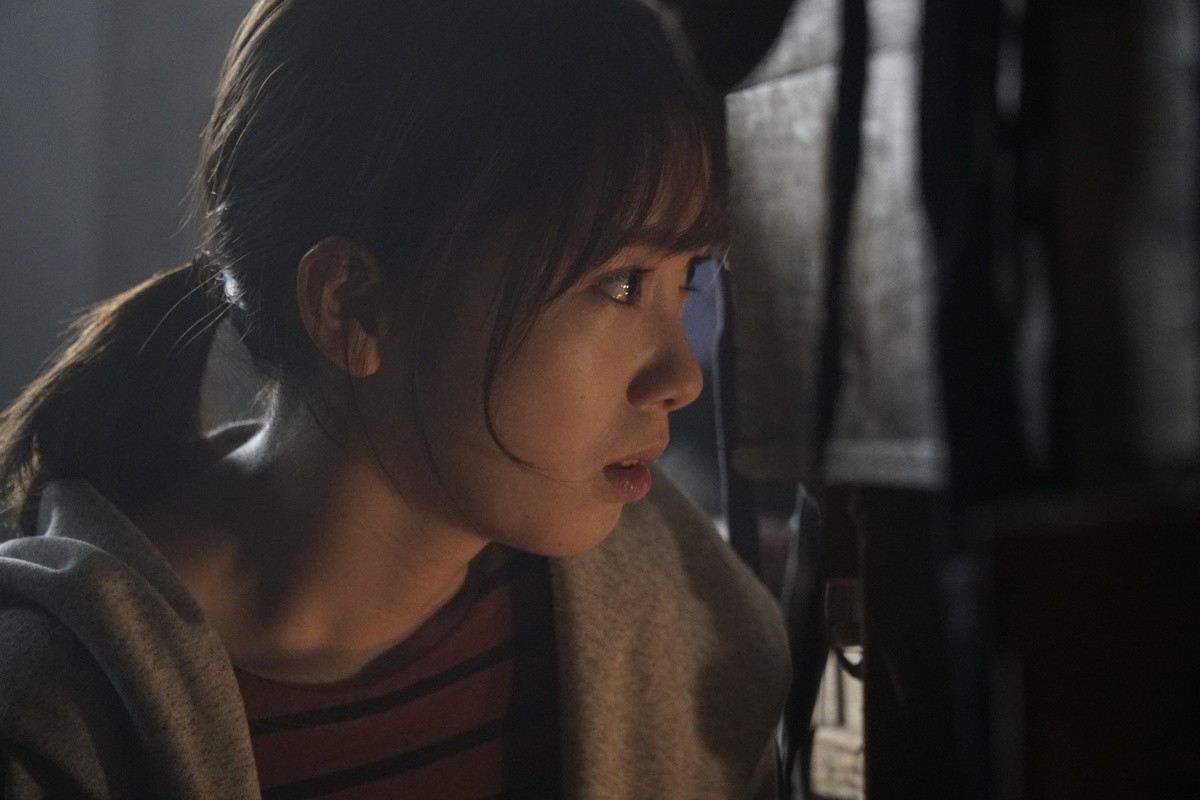
Once I understood that, the ending made more sense than it did while I was watching. I still think the film could communicate the mechanism more cleanly, because horror rules stop being frightening when the audience is busy auditing them. A good rule creates anticipation; too many clauses create paperwork. Shirai-san gets very close to turning its ghost into a board game, but it also finds something genuinely bleak in the idea of survival by statistical avoidance.


The Sound of Something Coming Closer
One production detail I wish I had experienced in its original form is the theatrical “Earphone 360” experiment. Japanese audiences could use an app and earphones to hear additional three-dimensional sound during the film. Shochiku later recreated that material as a special Blu-ray audio track. For this particular ghost, it is a good idea because her arrival is announced acoustically before it is resolved visually.
Bells are simple, old and effective. They belong to ritual, warning, doors, temples, animals and childhood. Put one into a horror film and it stops being neutral almost immediately. You do not need a large orchestra to tell an audience that something is getting closer; a small repeated sound can do more damage, especially when you cannot be certain which direction it came from.
The secondary-audio gimmick also fits the film’s media logic rather neatly. The curse spreads through information, while the theatrical experience asked you to add another device to the process. Your phone and earphones became part of the haunting. It is clever and also very modern in a faintly absurd way: please download the official app to improve your supernatural trauma.


A Face Built to Be Passed Around
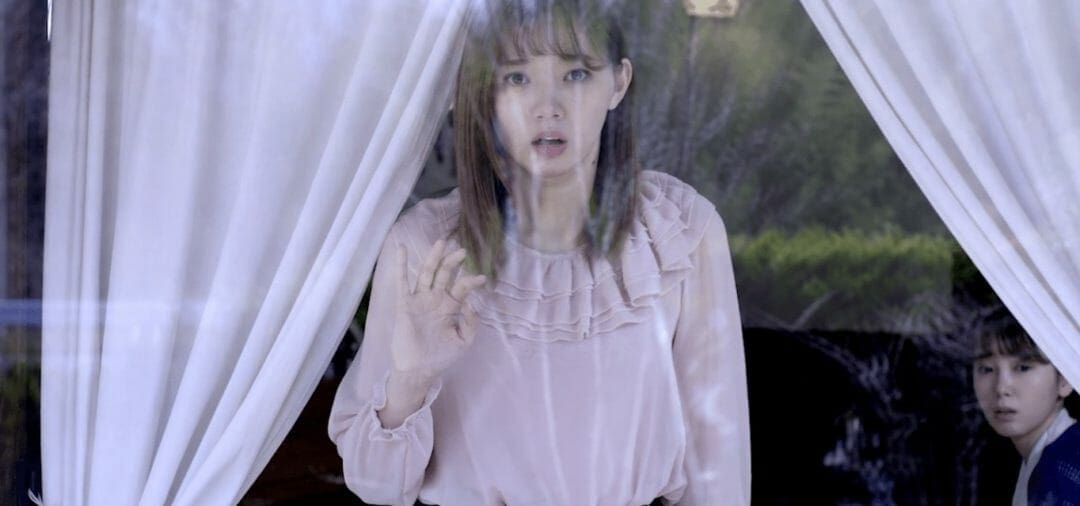
Shirai-san’s design is not complicated, and that is probably wise. Durable horror figures are often simple enough to describe or draw badly from memory. Long hair. White dress. Mask. Glove. Hook. Tape. Mouth. Eyes. Here, the eyes do most of the work, but the hands and bell stop the character from feeling like merely another long-haired ghost.


Oversized eyes can become cartoonish if the lighting is too generous or the camera hangs around too long. For me, Shirai-san works best as an approaching presence rather than as an object for close inspection. The face has a wrongness that suits the film’s fixation on looking, but the idea around the monster is still stronger than the monster itself. That is not fatal. Plenty of horror lives in anticipation more comfortably than revelation.
The hands are more interesting than I expected. Adachi has discussed the religious and occult associations behind the pose: the palms are pierced, the hands held together, and the red cord carries the small bell that announces the ghost’s arrival. It is an ugly little design problem solved quite efficiently — sound, silhouette and body horror joined into one prop.



The Ending: Surviving by Making the World Worse (Spoilers)
The ending is where the film becomes nastier than its mechanics initially suggest. Mizuki and Haruo survive, but not because the curse has been purified, exorcised or defeated. The story spreads. The pool of possible victims expands. Shirai-san continues doing what she does; the odds merely shift away from the people we have been following.
At first I found that unsatisfying because it feels like a mathematical loophole rather than a dramatic release. The protagonists have not reached a spiritual understanding or completed the correct ritual. They have effectively made the haunting someone else’s problem. But the longer I sat with it, the more that moral ugliness became the point. Their survival depends on publicising danger.
That gives the film a surprisingly contemporary sting. Once the story reaches the internet, containment is over. People can share it because they believe it, because they do not believe it, because they want to debunk it, because they think the image is creepy, or because a horror account tells them they need to see this. The curse does not require faith. Distribution is enough.

What Worked, and Where It Lost Me
What worked for me was the core image, the bodily nastiness of the deaths and the uncomfortable modern logic of the ending. I like that the film does not simply resolve its ghost through one final ritual where the correct ancestral phrase is spoken over the correct candle. Survival involves compromise rather than victory, and the compromise makes the wider world less safe.
The performances help because they stay reasonably grounded. Iitoyo and Inaba do not behave as though they are auditioning for the loudest possible horror trailer. Oshinari’s journalist gives the story a useful media angle, while the supporting cast — including Mitsuki Tanimura, Manami Enosawa and Shota Sometani — helps make the curse feel socially distributed rather than confined to two protagonists.
What does not fully work is clarity. I do not need every supernatural mechanism explained; overexplaining a ghost is one of the genre’s dependable ways of ruining a perfectly good evening. But Shirai-san occupies an awkward middle ground. It wants rules, patterns and investigative revelation while also wanting irrational dread. Sometimes those things strengthen one another. At other times I could almost hear the mythology tripping over the furniture.
The film could also have pushed harder into the contamination of ordinary life. Its premise is invasive enough to make mirrors, windows, phone screens, dark streets and half-lit rooms feel permanently suspect. There are glimpses of that, particularly when the ghost simply seems to be approaching through normal space, but not quite enough. I wanted the curse to settle into daily life more deeply, to make every act of looking feel a little compromised.
Cö shu Nie and the Strange Softness of “inertia”
The theme song, “inertia” by Cö shu Nie, is a more delicate choice than the exploding-eyeball premise might suggest. Sony Music announced the then-unreleased track as the film’s theme, and Adachi described it as music that made him think about the lives of the people who die in the film and the things they loved and tried to protect.
The title fits almost too neatly. Inertia is motion continuing because nothing has stopped it, which is a good description of this curse. A story once set in motion keeps moving; a name keeps travelling; Shirai-san keeps appearing. People intervene, but they do not end the force so much as redirect it towards somebody else, which lends the song a melancholy the film itself does not always pause to notice.
The song also gives the film a melancholy that the narrative sometimes underplays. Beneath the rules and gore are grieving people: friends, siblings and families whose dead eventually become evidence in an investigation. Horror can forget its victims once they have done their work for the plot. “inertia” feels more interested in what has been lost, which made me wish the film itself had allowed that sadness a little more room.
The Next Great J-Horror Ghost, Almost
I do not think Shirai-san becomes another Sadako or Kayako, though the comparison is unavoidable because the film is plainly interested in that lineage. The ingredients are present: the recognisable figure, the rule, the sound cue, the transmission method, the death signature. What is missing is an atmosphere quite strong enough to survive all the explanation around it.
Sadako worked not only because of the videotape but because her arrival felt like the medium itself had become diseased. Kayako worked because the house in Ju-on seemed to turn trauma into architecture. Shirai-san has a good gimmick and a memorable face, but the world around her never becomes quite as oppressive. I remember the mechanism more clearly than the spaces.
Even so, I would not dismiss the film. Its ending has aged into relevance rather well. We live inside systems designed to make information move, and we know that a story can become bigger, stranger and more dangerous because everyone is only “passing it on”. Shirai-san catches a grim little truth about modern folklore: nobody has to believe a curse to help it travel.
A Curse Worth Looking At
I came to Stare because a Facebook horror account put it in front of me, which now feels suspiciously appropriate. This is a film about a story made dangerous by repetition. Someone pointed at it, I watched it, and now I am writing about it. That is basically the transmission model, minus the ruptured eyeballs so far.
As a horror film, it is uneven. The curse mechanics are more interesting in theory than clear in the moment, the characters could use more emotional depth, and the mythology occasionally begins to feel like homework. Yet the core rule is strong, the sound of something getting closer still works, and the idea of making a curse less personally dangerous by making it more publicly disastrous is nasty enough to linger.
I did not love Shirai-san, and I did not fully grasp every moving part while watching it. It is the kind of horror that stays more interesting when I think about what its rules mean than when I try to remember exactly how they work. Still, I kept looking, which under the circumstances seems like the sensible choice.
Affiliate Disclosure: This post contains affiliate links. If you click through and make a purchase, I may earn a small commission—at no additional cost to you. I only recommend products I personally find useful or relevant. Thank you for your support.
Leave a Reply