
When I think about The Smashing Pumpkins, I do not immediately think about a career stretching across nearly four decades. I think about a much narrower strip of time, roughly corresponding to my last few years at university and the records that surrounded them. My exposure came somewhere around 1993 to 1995, when a considerable amount of American guitar music seemed to arrive in one great wave. Pearl Jam were there, Soundgarden were there, Stone Temple Pilots were there, and Nirvana hung over everything whether anyone wanted them to or not. From a distance it was convenient to place all of these bands together. They had distorted guitars, difficult young men, varying quantities of flannel and a record industry suddenly behaving as though it had personally invented alienation.
The Smashing Pumpkins never quite fitted that picture for me. They were clearly part of the same moment, but their music seemed to occupy its own peculiar climate. What I remember most is something I can still only describe as beautiful noise. Their guitars could be enormous without becoming merely blunt. Distortion was not simply aggression; it had colour, depth and, oddly enough, softness. Songs could move from something almost weightless into a wall of sound and somehow retain the melody inside it. Billy Corgan’s voice, which nobody could accuse of being conventionally handsome, cut through rather than sitting politely on top. Jimmy Chamberlin played drums with a movement and sophistication that seemed almost indecently elaborate for alternative rock. James Iha and D’arcy Wretzky contributed to a band image that was stranger and less straightforwardly masculine than many of the groups with whom they were routinely bundled.
My own Smashing Pumpkins remain suspended within that period. The version lodged in my head begins with Gish, expands dramatically through Siamese Dream and Mellon Collie and the Infinite Sadness, and reaches an uneasy stopping point with Adore. The dates do not correspond neatly with my university years, because memory rarely files things with that sort of administrative precision. It is more that those records belong to the same room in my head, and for a long time I scarcely felt the need to open the door beyond Adore.
The band, of course, continued moving. They broke apart and re-formed, changed personnel, made sprawling conceptual records, embraced electronics, rediscovered guitars, lost people, regained people and continued producing music long after the alternative-rock boom that first delivered them to me had become historical material. Their career eventually grew far larger than the period through which I knew them, and that creates the question that interests me more than simply asking which albums are best. What happens when a band keeps evolving long after your own relationship with it has stopped? How much of what you remember is the music, how much is the moment in which you heard it, and how much is simply a version of yourself that happened to be listening?


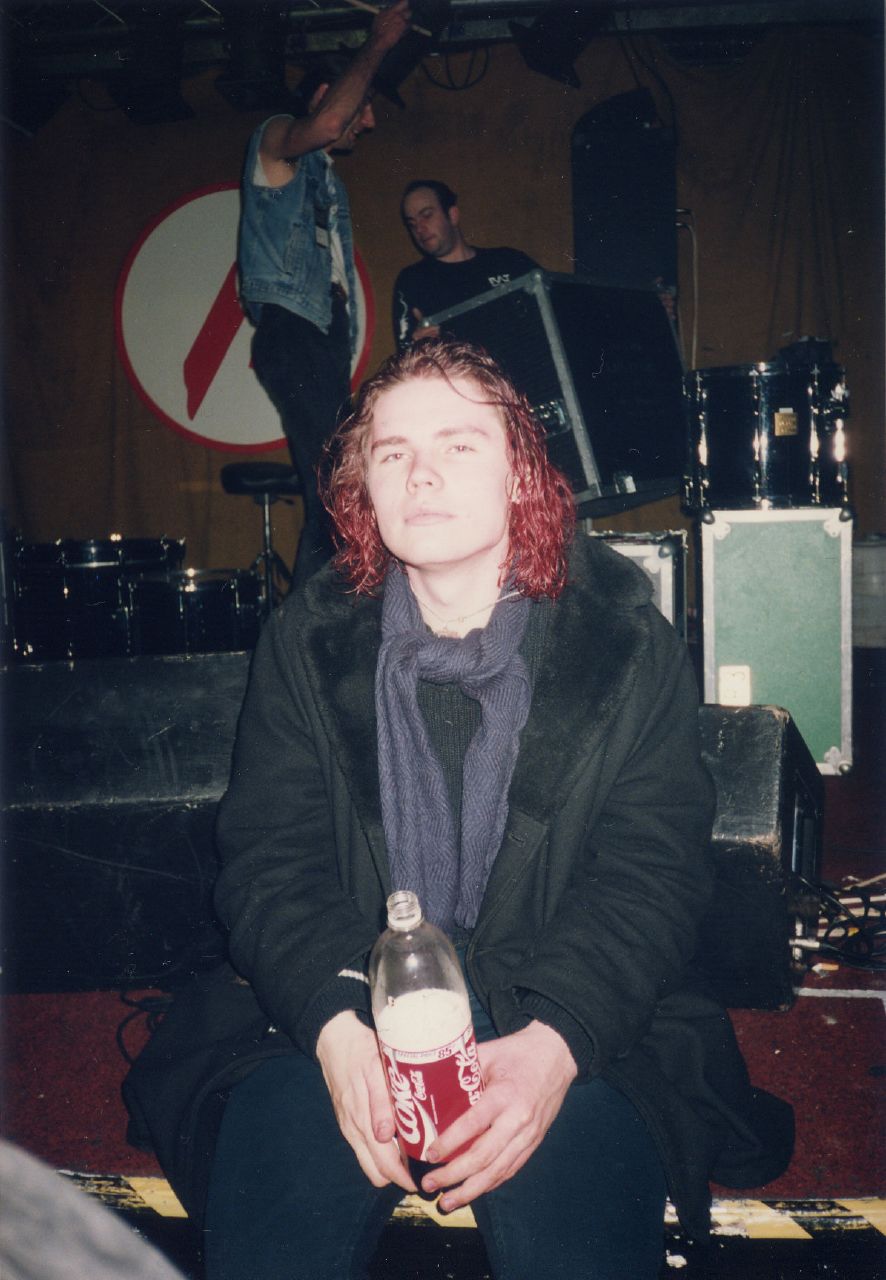
Going back through the catalogue now, I am less interested in deciding whether The Smashing Pumpkins were better than Pearl Jam, Soundgarden or anyone else filed beside them in 1993. They were doing something sufficiently different that the comparison becomes less useful with time. What interests me instead is whether that original combination — delicacy buried inside volume, grand ambition undercut by insecurity, beauty assembled out of abrasive material — survived once the particular chemistry of the 1990s disappeared.
The wrong box
The Smashing Pumpkins came from Chicago rather than Seattle, which should have been an early clue, although geography rarely troubles a record company once it has discovered a useful category. Their background was unusually promiscuous. There was hard rock and Black Sabbath weight in Billy Corgan’s guitar playing, but also psychedelia, goth, post-punk, dream pop and the smeared guitar textures that had come from My Bloody Valentine and shoegaze. Jimmy Chamberlin brought a drummer’s vocabulary drawn partly from jazz and classic rock rather than the more basic thump that alternative rock could sometimes favour. The result was heavy music that rarely behaved as though heaviness were the only thing worth demonstrating.

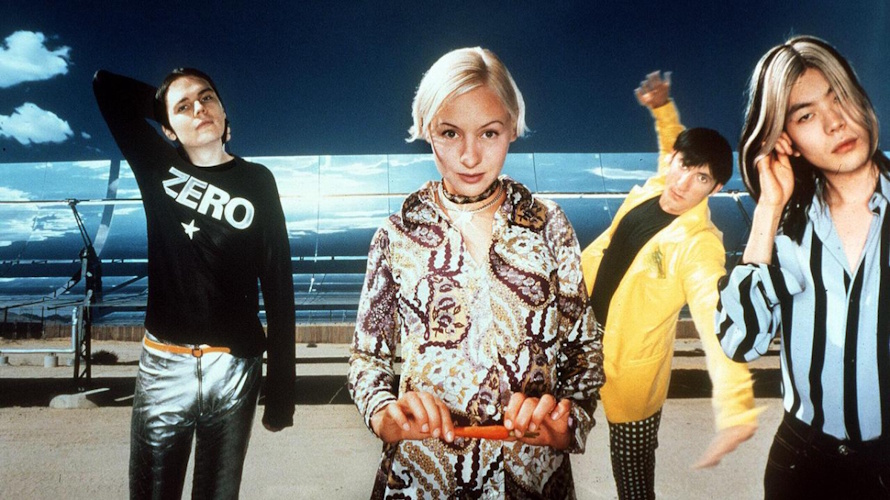
The original quartet of Corgan, James Iha, D’arcy Wretzky and Chamberlin had come together in Chicago by 1988. Corgan and Iha played the band’s earliest show as a duo before Wretzky and Chamberlin completed what became the recognisable early line-up. That history matters to me less as rock mythology than because the four people never looked as though they had been selected from the same catalogue. Even in early photographs there is a useful awkwardness. Corgan could appear waifish or severe; Iha looked quietly detached; Wretzky brought an almost fashion-editorial cool; Chamberlin frequently appeared as if he had wandered in from a different band and decided to stay because the rhythm section needed professional supervision.
That visual tension matched the music. The Pumpkins were not especially interested in looking merely like four people who played guitars, and this mattered in a period when records still arrived as objects and bands established themselves partly through images that had to do real work. A sleeve had to make itself noticed among hundreds of others in a record shop. A CD booklet or cassette inlay might be examined repeatedly. Magazine photography and MTV videos could establish the personality of a band before you had fully worked out what the music was doing. Streaming has made almost every recording immediately available, which is useful in obvious ways, but it has also flattened some of those thresholds. There is less opportunity to wonder about a record because of a photograph, a typeface or a strange piece of packaging before hearing it.


The Pumpkins were particularly good at creating those thresholds. Their strongest visual work moved between faded Victoriana, psychedelia, silent cinema, gothic photography, glam styling and the imagery of children’s books that may or may not have been suitable for children. It would be easy to dismiss some of this as pretension, and occasionally it certainly drifted close, but I have always preferred that sort of risk to another black-and-white photograph of four men standing against a brick wall and trying not to look pleased about having secured a record contract.
The same appetite for excess and atmosphere existed in the music from the beginning. Even when the songwriting was direct, the records tended to suggest some larger imagined space around the songs. They were rarely content simply to be well-made rock albums.
Gish: before the walls got higher
Gish, released in 1991 through Caroline and produced by Corgan with Butch Vig, already contains most of the Pumpkins’ basic materials. It is important that it predates Nirvana’s Nevermind, because this helps loosen the lazy narrative in which every American guitar band of the early 1990s appears to have materialised in response to Seattle. The Pumpkins were already assembling their mixture of psychedelic drift, hard-rock weight, dreamy guitar colour and Chamberlin’s restless drumming before the music industry had settled on a convenient label for the era.
What Gish does not yet have is the suffocating perfectionism that would define Siamese Dream. The record still sounds recognisably like a band in a room, even when the overdubs begin to accumulate. “Siva” demonstrates how unusually the Pumpkins used heaviness. Its riff is muscular, but the song refuses to stay in one emotional register. It opens out, withdraws and returns. “Rhinoceros” takes the opposite route, beginning in languor and gradually growing until the guitars occupy most of the available air. “I Am One” has the physical propulsion of a young band, while “Snail” and “Tristessa” show that Corgan was already interested in songs that could expand rather than merely progress.

That distinction became central to the group’s best work. Plenty of rock songs move efficiently from verse to chorus, return for another verse and then arrive at a louder version of the chorus. The Pumpkins often seemed more interested in accumulation. A guitar part appears, another texture forms behind it, the drums alter the scale of the piece, and suddenly the song feels much larger than it did thirty seconds earlier. The changes are partly compositional and partly architectural.
As a graphic designer, I suspect this is one reason the guitar sound has always appealed to me. The best Pumpkins arrangements are dense without becoming completely unreadable. Layers of fuzz behave almost like layers of ink, each one altering the colour of what lies beneath it. There is weight, but also hierarchy. The ear can still find its way through.
Butch Vig was crucial in developing that language. The sessions for Gish and especially Siamese Dream relied on analogue recording, repeated takes and a considerable amount of layering. There was no modern digital safety net allowing every imperfect performance to be corrected invisibly afterwards. The desired precision had to be played, often repeatedly, and that fed directly into Corgan’s perfectionism.

The less attractive side of that perfectionism is well documented. Corgan has long been associated with re-recording or replacing some of the other members’ parts in pursuit of a particular result. That undoubtedly helped create the control of the early records, but it also complicates the attractive fiction of The Smashing Pumpkins as four equal musicians simply capturing their chemistry on tape. Their sound emerged partly from a band and partly from Corgan’s determination to control the final version of that band.
It is one of the contradictions that follows them through the rest of their career. The more clearly Corgan could hear The Smashing Pumpkins in his head, the more difficult it could become for the actual people around him to occupy that idea.
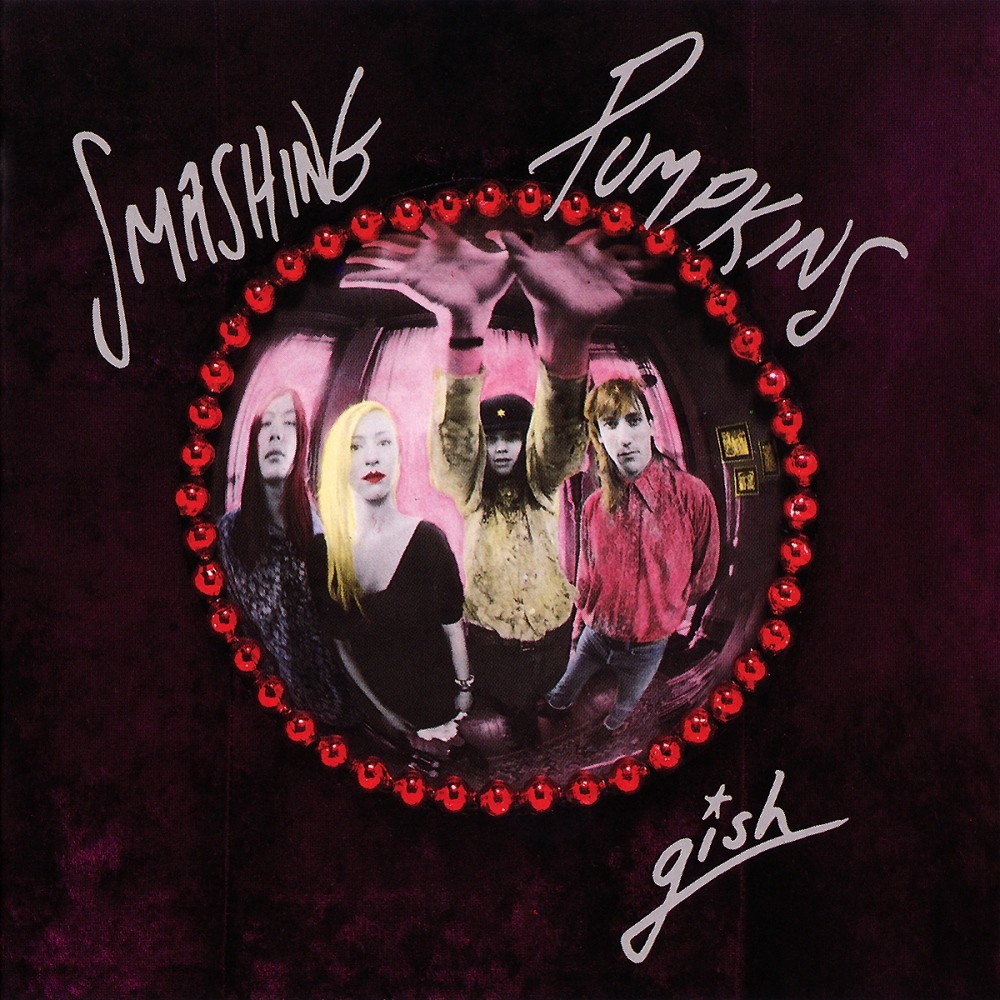
The artwork for Gish already rejects the plainspoken seriousness that would become one version of alternative-rock orthodoxy. Its distorted group portrait and saturated colour suggest psychedelia without reproducing it literally. There is something slightly handmade and second-hand about the design, as though a forgotten private-press record from an earlier decade had been discovered in a box and aggressively recoloured. It looks like a band still working out what sort of world it wants to inhabit.


With Siamese Dream, that world becomes much more deliberate.
Siamese Dream: architecture made from distortion
By the time Siamese Dream appeared in 1993, the Pumpkins had become the band I recognise most immediately. The record was produced by Corgan and Butch Vig, recorded principally at Triclops Sound Studios in Georgia, and mixed by Alan Moulder. Its sessions have become part of the mythology around the group: Corgan’s depression, strained relationships inside the band, Chamberlin’s addiction problems and a level of studio perfectionism that sometimes sounds less like making an album than conducting a prolonged siege.
The remarkable thing is that the record itself does not sound cramped. It sounds enormous.
“Cherub Rock” begins with one of those arrangements that reveals the band’s instinct for delayed gratification. The drums establish themselves, guitars gather around them, and the riff eventually arrives with the force of something that has been built rather than simply played. It is heavy, but not in the same way as Soundgarden. Soundgarden could make a riff feel geological, something excavated from beneath the earth. The Pumpkins could make one feel luminous.
The guitar tone is central. Corgan and Vig layered fuzz and distortion until the guitars became less like individual instruments than a continuous surface. The Big Muff became closely associated with the sound, while Alan Moulder’s mix kept the density from collapsing entirely into mud. It would be easy to turn this into a celebration of quantity, as though the number of overdubs were itself impressive, but forty guitar tracks are not automatically better than four. What matters is the way the layers serve contrast.


“Today” is a perfect example. Its opening is bright and chiming, almost perversely cheerful, while the song emerged from a period Corgan has described as profoundly depressive. The music and the emotional content are not simply aligned. One disguises the other, and that tension has allowed the song to last better than a more straightforward expression of misery might have done.
“Disarm” removes much of the electric-guitar architecture and replaces it with acoustic guitar, strings and bells. It is vulnerable without being modest, because even the quiet Pumpkins generally wanted the back row to know that something serious was happening. “Soma” begins almost suspended in air before eventually erupting. “Geek U.S.A.” gives Chamberlin room to demonstrate why treating him merely as the drummer behind Corgan misses a central part of the band’s identity. His playing is technical without sounding ornamental; he changes how the guitars themselves feel.
“Mayonaise” remains one of the records where the Pumpkins’ chemistry seems most obvious to me. The guitar tone has a damaged, unstable quality, but the song remains deeply melodic. The distortion does not merely surround the tune; it seems to breathe with it. This is the beautiful noise I remember, not loudness for its own sake and not fuzz used as period decoration, but noise carrying emotional information.


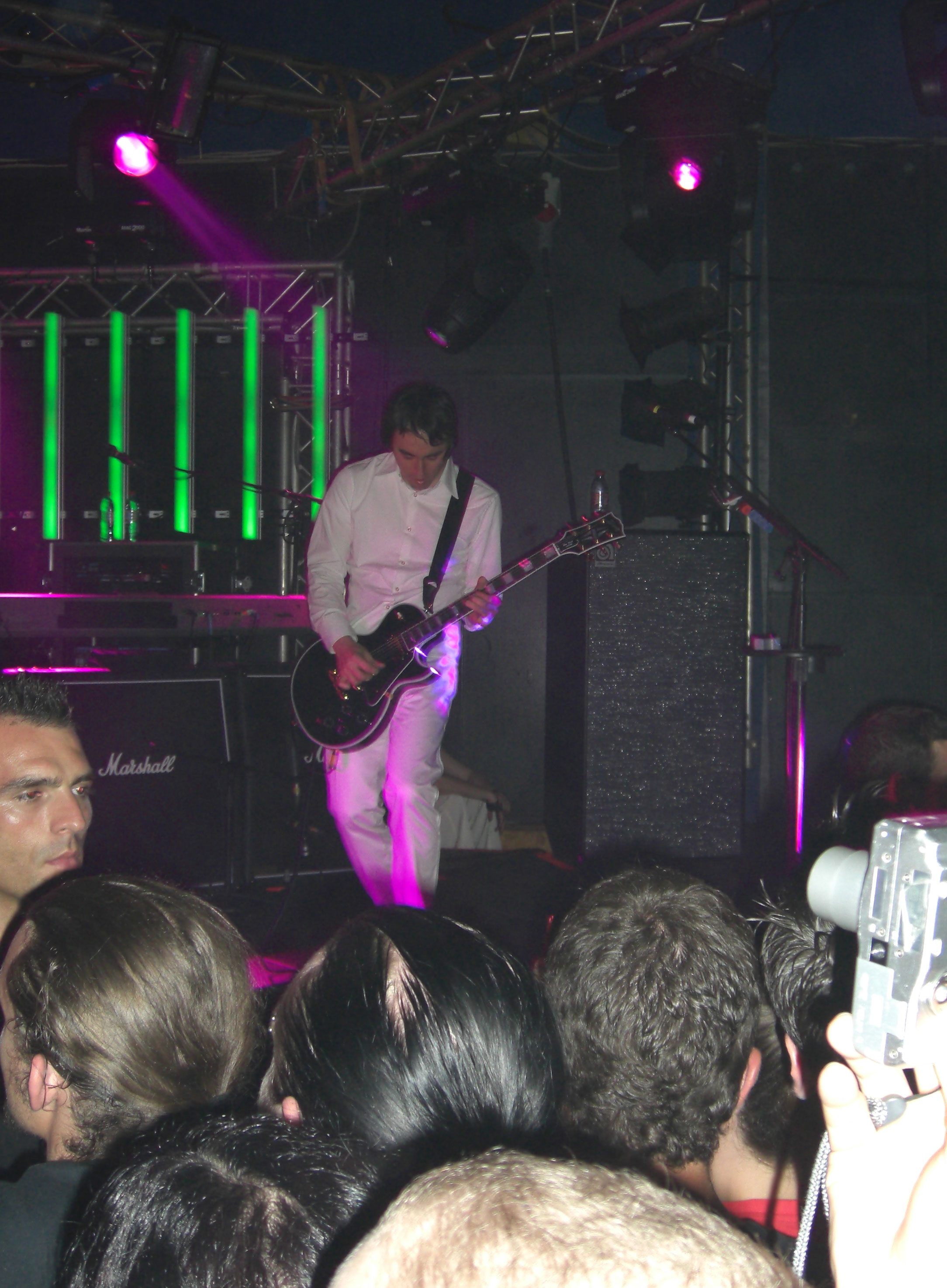
Corgan’s voice is equally important, though it has always been one of the easier aspects of the band to reject. It is nasal, pinched and occasionally close to a whine. It cannot disappear anonymously into a mix and has none of the chest-beating authority of a conventional hard-rock vocalist. That limitation becomes part of the identity. A technically smoother singer might have made these records easier to admire and much easier to forget.
The voice also prevents the grandeur from becoming straightforwardly heroic. Put a more conventionally masculine rock singer over “Cherub Rock” and half the contradiction disappears. Corgan can sound arrogant and wounded almost simultaneously, and on the best early records that ambiguity fits the music perfectly.
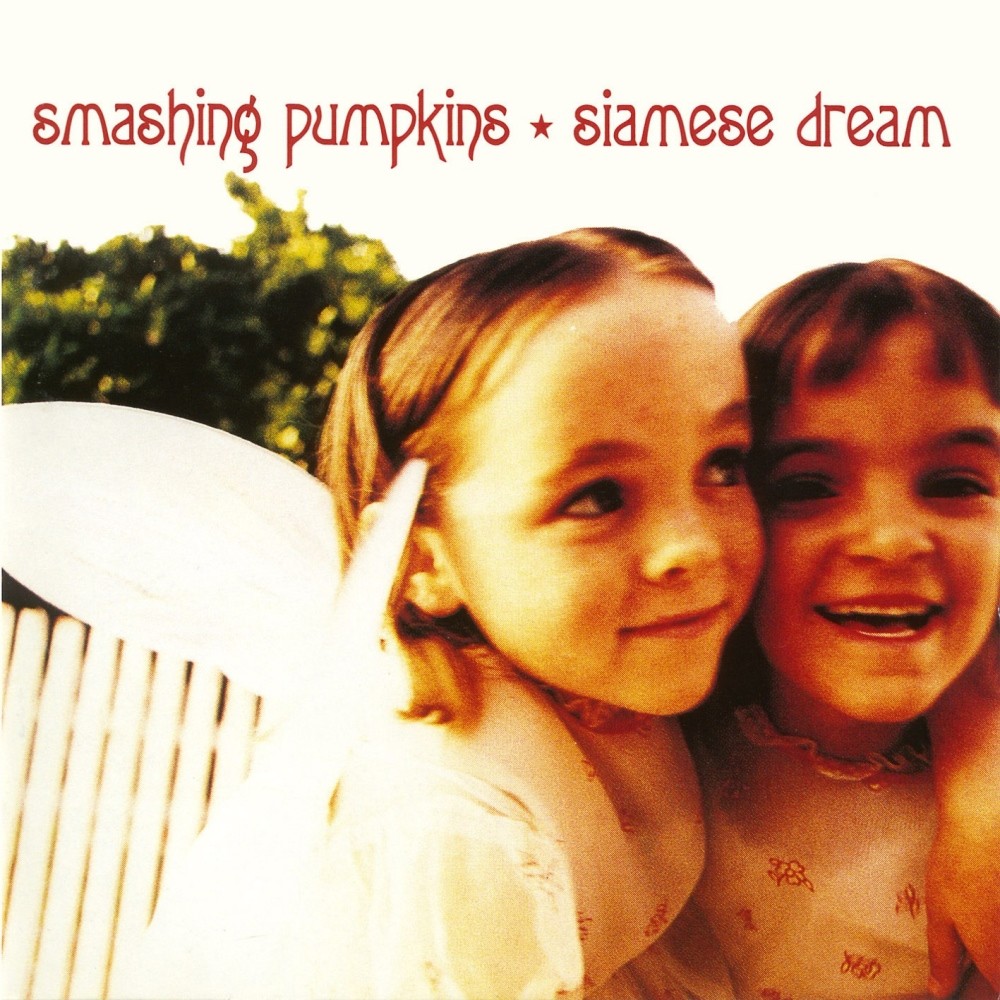
The visual identity of Siamese Dream provides another kind of counterweight. Instead of black clothing, industrial textures or wounded male seriousness, the cover gives us two children, warm light, wings and decorative lettering. The CD packaging expands this into a world of family photographs, handwritten material and ornamental details. It feels tactile and faintly unreliable, like a childhood object rediscovered years later and remembered more vividly than it may actually have been.
The cover’s faded warmth should be completely wrong for music this loud, which is precisely why it works. The artwork does not illustrate the sound literally; it supplies the emotional register the music does not already contain. That idea would become increasingly important in the Pumpkins’ visual language.


Commercial success followed, but that matters less to me than the fact that by Siamese Dream the band had developed an immediately identifiable sonic and visual vocabulary. In a period crowded with excellent guitar bands, they no longer sounded as though they belonged to a movement. They sounded like themselves.
Their response was to make everything larger.
Pisces Iscariot and the luxury of having too many songs
Before Mellon Collie, there was Pisces Iscariot in 1994, nominally a collection of B-sides and outtakes. That description makes it sound more incidental than it is. One of the signs of a band operating at unusual creative velocity is that the rejected or displaced material starts looking unreasonably healthy.
“Starla” stretches towards eleven minutes and builds with the patience of a group that did not yet seem frightened of wasting anybody’s time. “Obscured” is hazier and gentler. Their version of Fleetwood Mac’s “Landslide” strips away the guitar-army impulse and exposes how much of Corgan’s best writing depended on simple melodic instinct beneath the production. The collection also demonstrates something that would become both strength and liability: Corgan has never seemed naturally suspicious of abundance.
At this point the abundance works because the material justifies it. The band was generating songs faster than the conventional album cycle could comfortably absorb, and the later Aeroplane Flies High set would reinforce the same point. Even the B-sides belonged to the same creative universe as the major records.

Still, the habit was forming. Corgan’s answer to having thirty ideas is rarely to select twelve and quietly dispose of the rest. Sometimes that instinct gives you a double album large enough to define an era. At other times it gives you a listening experience that begins to resemble administration.
For a while, however, the scale of the ambition and the quality of the material remained unusually well matched.
Mellon Collie and the Infinite Sadness: excess as structure
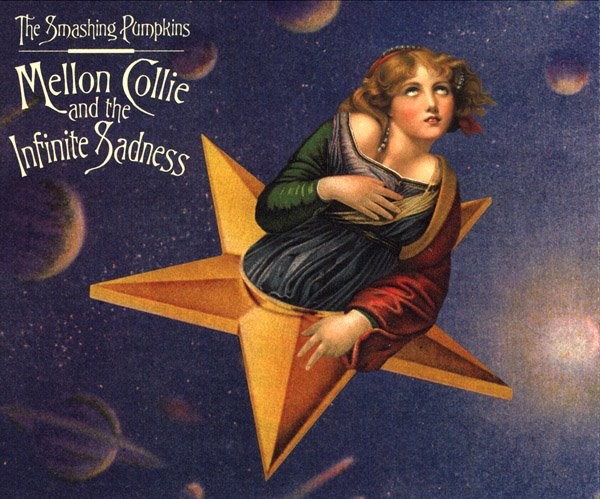
Mellon Collie and the Infinite Sadness arrived in 1995 as a 28-track double album produced by Corgan, Flood and Alan Moulder. It was immediately larger than Siamese Dream, but not simply because it contained more music. The recording approach opened out. Flood encouraged more playing together, more room sound and less reliance on endlessly reproducing the layered perfection of the previous album. The guitars could still be monumental, but the record contains more movement and more evidence of four musicians pushing against one another.
The excess is not merely a matter of duration; it is the organising idea.
“Tonight, Tonight” opens the record proper with strings and a sense of theatrical scale, turning a rock song into something closer to the overture for an imaginary stage production. “Jellybelly” then tears straight through the delicacy. “Zero” condenses identity into a logo, a riff and a compressed blast of self-negation. “Bullet with Butterfly Wings” has the blunt efficiency of industrial equipment. The record keeps changing its internal weather.

“1979” remains one of the clearest examples of why I never found the Pumpkins particularly useful as a grunge band. The guitars are present but no longer the main spectacle. Loops and a repeated vocal fragment create a mechanical pulse while the melody carries a strange mixture of adolescence, movement and memory. It feels nostalgic without becoming sentimental because the nostalgia is already unstable. The song sounds as though the moment is disappearing while it is being experienced.
That quality has only become stronger with time. Returning to “1979” now, I hear less of the mid-1990s and more of the way memory edits its own footage. Certain images remain bright, others vanish, and what is left feels more coherent than the original experience probably was.
“Thirty-Three” offers another kind of restraint, while “Porcelina of the Vast Oceans” stretches beyond nine minutes without feeling like an endurance test. “Thru the Eyes of Ruby” contains nearly every Pumpkins tendency at once: sweetness, heaviness, melodrama, enormous guitar scale and a complete unwillingness to stop merely because another band might have sensibly faded out.


The album is too long, but its length is also part of the reason it works. Cutting Mellon Collie down to a disciplined single album would almost certainly produce a superb sequence of songs while destroying something essential about the experience. Its emotional scale depends on the inability to edit. Every mood is treated as though it deserves its own room. Tenderness, contempt, rage, romance, boredom, insecurity and cosmic despair are granted equal architectural importance.
That feels very young to me now, and I mean that without condescension. There is a point in life when every emotion seems not simply powerful but revelatory, as though disappointment in one person might explain the entire structure of existence. Mellon Collie frequently operates at that scale.
Some of Corgan’s lyrics expose this youthfulness more clearly than the music. He could write with unusual directness about shame, longing and disconnection, but he could also drift into declarations that sound less profound once the listener is no longer twenty. The same applies to some of the anger. What once arrives as existential truth can later resemble an argument that might have benefited from lunch.
The music, however, has aged remarkably well. Chamberlin’s drumming remains central because it prevents the heavy tracks becoming square. Iha’s presence matters not merely as another guitar player but as another personality inside the arrangements and public image. Wretzky’s bass may not always dominate the mix, yet the original quartet possesses an internal tension the later versions of the band often have to recreate more consciously.


The artwork turns the album’s sprawl into a visual system. John Craig’s collage imagery, with its celestial engravings, antique figures, stars, clouds and fragments of old illustration, makes the record look as though it has been discovered rather than designed. It suggests an imaginary antique cosmology, something rescued from a library containing books that never existed.
As packaging, it is unusually well matched to the music. A double CD or vinyl edition transforms the album into an object to explore. The division into Dawn to Dusk and Twilight to Starlight, the illustrations, typography and recurring celestial motifs impose enough hierarchy to prevent the whole thing becoming an undifferentiated mass. It feels intentionally excessive rather than simply overfilled.
The videos completed that world-building. Jonathan Dayton and Valerie Faris’s “Tonight, Tonight” draws openly on Georges Méliès and early cinema, replacing contemporary realism with painted scenery, theatrical machinery and a handmade moon. It remains striking because it does not simply put the band inside a fashionable visual style. The video constructs a parallel world in which the song can exist.
“1979”, also by Dayton and Faris, does almost the opposite. Suburban teenagers, cars, shops and house parties are filmed with the half-dreamlike quality of memory already slipping away. “Zero” turns Corgan’s ZERO shirt and shaved head into a piece of easily reproducible rock iconography, while “Bullet with Butterfly Wings” introduces a more severe glam-industrial image. By this point The Smashing Pumpkins did not merely have album covers and promotional clips; they had a visual grammar.


That coherence makes what happened next feel more abrupt. During the Mellon Collie tour in 1996, touring keyboard player Jonathan Melvoin died from a heroin overdose, and Jimmy Chamberlin, who had been with him, was subsequently dismissed from the band. It is the kind of event rock history often absorbs into mythology too quickly. A person died, a drummer with longstanding addiction problems lost his place in the group, and the surviving musicians continued under conditions that had changed fundamentally.
The consequences are audible on Adore.
Adore: learning to use the absence
Released in 1998, Adore was made without Chamberlin as a formal member and involved Corgan, Flood and Brad Wood in production, with programming and contributions from several outside musicians. At the time, moving away from the guitar architecture that had made the Pumpkins enormous could look like perversity or even self-sabotage. Heard now, the decision seems much more understandable.
Trying to recreate Siamese Dream without Chamberlin might have exposed his absence more brutally. Instead, Adore turns absence into part of the language.

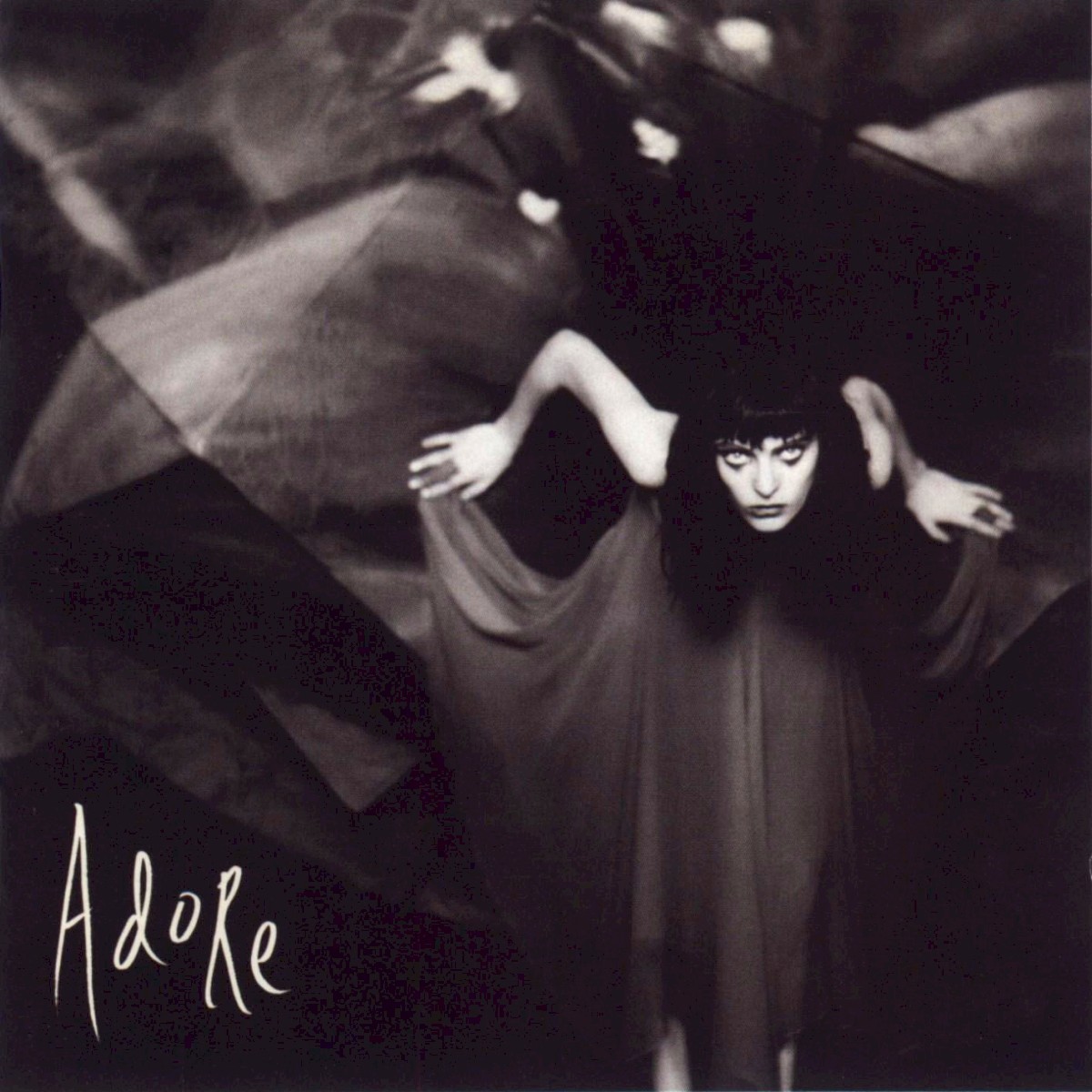
“To Sheila” opens almost weightlessly. “Ava Adore” uses clipped rhythm and electronics to create something sensual but uneasy. “Perfect” continues some of the melodic and electronic possibilities suggested by “1979”. “Tear” allows the grand scale back in, but reframes it through piano, programming and dramatic percussion rather than relying on the familiar wall of fuzz. “For Martha”, written after the death of Corgan’s mother, is long and openly mournful without needing the old guitar architecture to legitimise the emotion.
The guitars have not disappeared; the centre of gravity has shifted. That distinction matters because Adore is often described too simply as the electronic Pumpkins record. It is more interesting than that. The album alters the relationship between space and weight. Where Siamese Dream frequently builds emotion through accumulation, Adore often creates it through subtraction.
I find the album more compelling now than I suspect I would have done if I had needed it to provide exactly what the earlier records provided. It refuses the expected pleasure. That refusal is partly why it has aged well.
There are weaknesses. The pacing can become oppressive, and without the familiar guitar density Corgan’s voice has less camouflage around it. Some of the programmed rhythm lacks the volatility that Chamberlin could bring to even a straightforward passage. At close to seventy-five minutes, it is another Pumpkins album that could make a persuasive case for editing.
Yet the length also contributes to the sense of inhabiting a mood rather than simply hearing a collection of songs. The record is desaturated musically and visually, and the commitment to that atmosphere gives it an internal coherence that becomes more apparent with time.


The packaging reinforces the shift beautifully. Yelena Yemchuk’s photography gives Adore an elongated gothic elegance. The black-and-white imagery, severe contrasts and spare typography suggest Victorian mourning filtered through late-1990s fashion photography. After the celestial abundance of Mellon Collie, the visual field feels emptied out.
From a design perspective, that is one of the band’s most intelligent transitions. The identity is maintained through atmosphere rather than repetition. Nothing about Adore needs to copy the previous sleeve, but it still belongs unmistakably to the same imaginative world. The apparent continuous movement of the “Ava Adore” video extends that idea into theatre, while “Perfect” revisits the characters of “1979” at a later stage in their lives.
That last connection feels especially appropriate when returning to the band now. “1979” captures youth as something already becoming memory; “Perfect” quietly asks what happened afterwards. My own relationship with The Smashing Pumpkins effectively stops around this point, which makes Adore the natural edge of the old map.
Not because everything after it is inferior, and not because the original band ceased to exist immediately. Rather, the premise changed. The Pumpkins I knew were defined partly by Chamberlin’s drumming, the original quartet’s uneasy chemistry and the constant tension between Corgan’s control and the possibility that the band might push back against it. Once those elements began separating, the question became increasingly difficult to avoid: what exactly makes The Smashing Pumpkins The Smashing Pumpkins?



Machina: disappearing into the machinery
Jimmy Chamberlin returned in 1999, while D’arcy Wretzky left during the making of the next record. Melissa Auf der Maur joined for touring, and the personnel story was becoming difficult to separate from the music.
Machina/The Machines of God, released in 2000, was in some ways a return to heavy guitar music after Adore, but the word “return” is misleading. The guitars are harsher and more processed than the soft-edged fuzz of Siamese Dream. “The Everlasting Gaze” opens with a grinding, mechanical force. “Stand Inside Your Love” is considerably more generous melodically, while “Try, Try, Try” sounds like a bridge between the electronic melancholy of Adore and the band’s renewed weight.
The album is also burdened, or enriched depending on one’s tolerance, by concept. Corgan devised an elaborate narrative involving a rock-star persona and a fictional band, with the mythology spilling into artwork and other material. Vasily Kafanov’s paintings give the record a dense visual language of alchemical diagrams, figures, machinery and mystical symbols.

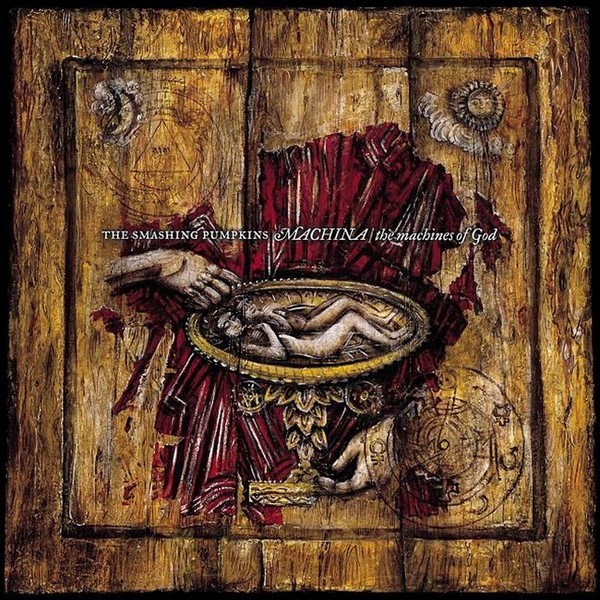
I find the artwork easier to admire than the concept. Visually, Machina is one of the richest objects in the catalogue, resembling an illuminated industrial manuscript: part religious relic, part Victorian scientific diagram, part occult engineering manual. The density is purposeful and completely consistent with the record’s atmosphere.
Whether the songs require all of the mythology is less certain. There is a recurring tendency in Corgan’s work to believe that an album becomes more meaningful if the scaffolding around it becomes more elaborate. Sometimes the additional world-building genuinely enlarges the experience. Sometimes a strong song remains a strong song while the listener quietly declines to read the accompanying mythology.
The fate of Machina II/The Friends & Enemies of Modern Music is arguably more interesting than the fictional narrative. When a conventional label release did not materialise, a tiny number of vinyl copies were produced and the music was deliberately allowed to circulate online for free. For somebody whose first Pumpkins period belongs to cassettes, CDs, magazines and MTV, that moment now looks like a fault line.
The album had become unstable as an object. One part existed commercially, another spread as files, and the physical certainty that had surrounded Mellon Collie gave way to the emerging reality of music detached from packaging. Years later the Machina material could be reconstructed and reissued as a lavish archival object, completing a very twenty-first-century loop: first the album dissolves into the internet, then it returns as something elaborate enough to occupy a shelf again.


By the end of 2000, however, the first version of the band was finished. The Pumpkins announced their break-up and played a farewell show at Chicago’s Metro. The accounts of the collapse have never been especially tidy. Corgan has made public comments about Iha, Wretzky and the circumstances around their departures, while the others have offered their own perspectives.
What seems less disputable is that the group had endured addiction, bereavement, immense commercial pressure, relentless touring, changing personnel and a leader whose perfectionism could produce remarkable records while making collaboration difficult. The beautiful noise was never a particularly peaceful process.
Can a band name survive the band?
The Smashing Pumpkins returned in 2007 with Zeitgeist. More precisely, Billy Corgan and Jimmy Chamberlin returned under the name with a new supporting line-up. James Iha and D’arcy Wretzky were absent, while Jeff Schroeder became an important part of the later group.
This immediately raises a question about identity. Zeitgeist is heavy, Chamberlin sounds unmistakably like Chamberlin and Corgan remains impossible to mistake for anybody else. Yet something feels narrower. The aggressive, compressed surface gives the album considerable force, but less of the stylistic range that made the classic records so distinctive.

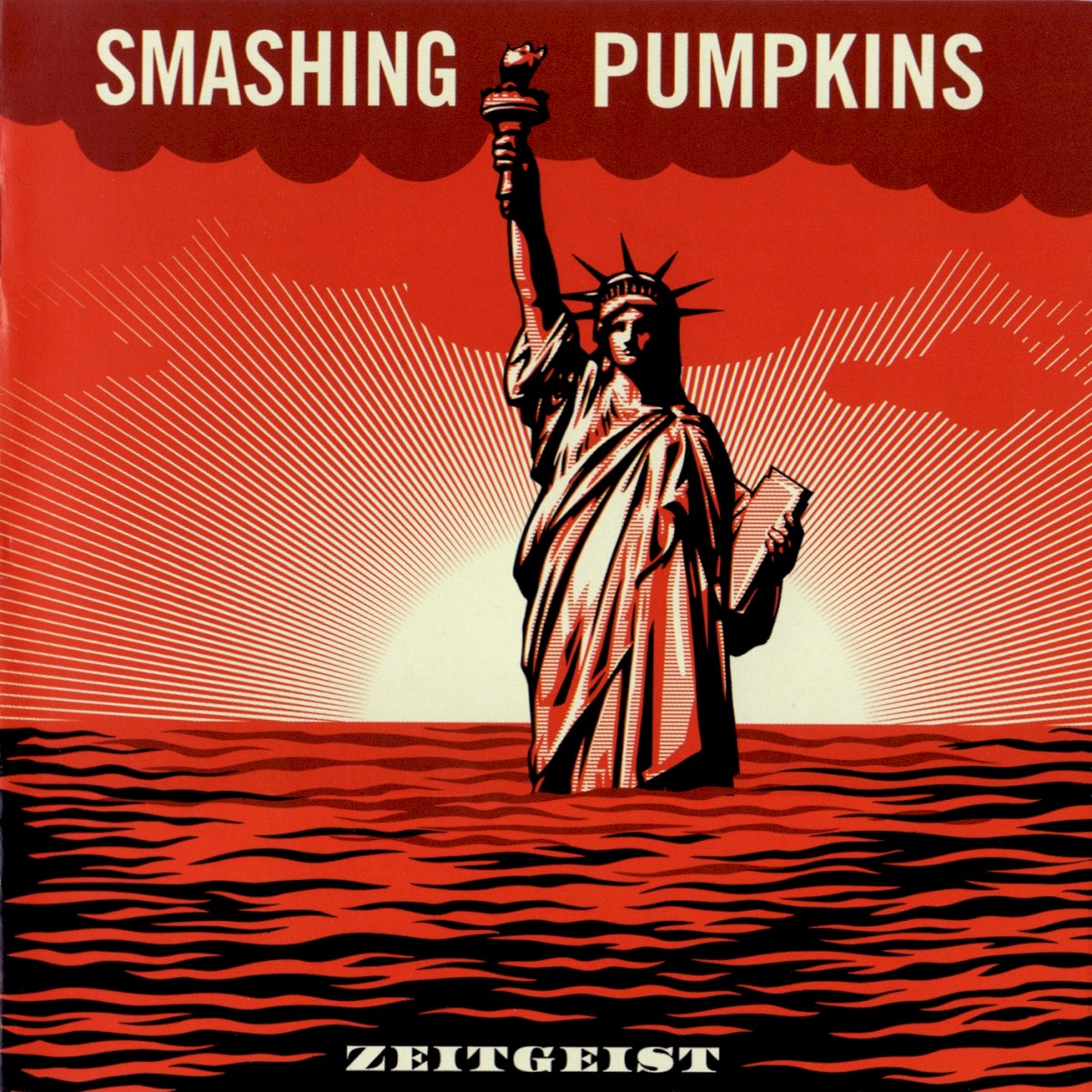
That remains its central weakness for me. If I isolate the components, much of what should make a Pumpkins record is present. “Doomsday Clock” moves with real force and “Tarantula” has a strong riff and enough momentum to remind me why the combination of Corgan and Chamberlin works. What has shifted is the balance between delicacy and abrasion. There is plenty of noise, but less of the beauty I mean when I use that phrase.
Perhaps this is inevitable. A band cannot recreate the psychological conditions of 1993, and it would be slightly grotesque to expect anyone to reproduce their younger unhappiness simply because I happened to like the records that came out of it. The greater problem with some later Pumpkins records is not that they fail to sound young; it is that they occasionally seem unsure whether they are resisting the past or trying to prove that they can still overpower it.
Chamberlin left again in 2009, and Corgan announced the sprawling Teargarden by Kaleidyscope project, initially conceived as a 44-song sequence released incrementally. Once again the scale of the idea was entirely characteristic. Making an ordinary album would apparently have been insufficient when there was an opportunity to devise an entire distribution philosophy.
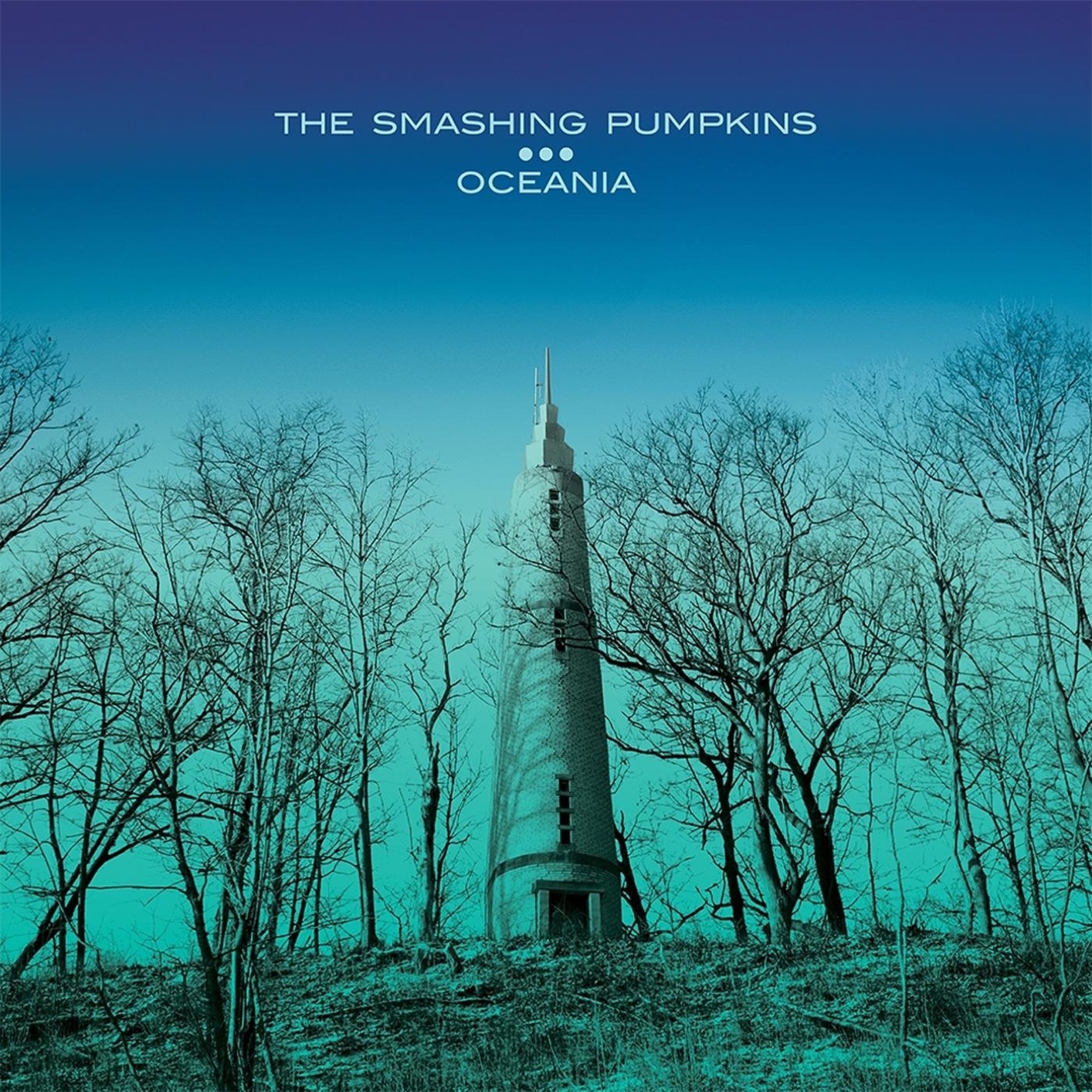
Out of that period came Oceania in 2012, featuring Corgan, Jeff Schroeder, drummer Mike Byrne and bassist Nicole Fiorentino. It is a more convincing later Pumpkins record than Zeitgeist because it remembers that scale does not require constant aggression. “The Celestials” moves from acoustic restraint into a large electric arrangement without forcing the transition. “Panopticon” has the old interest in guitar texture, while “Pinwheels” is willing to be synthetic and peculiar.


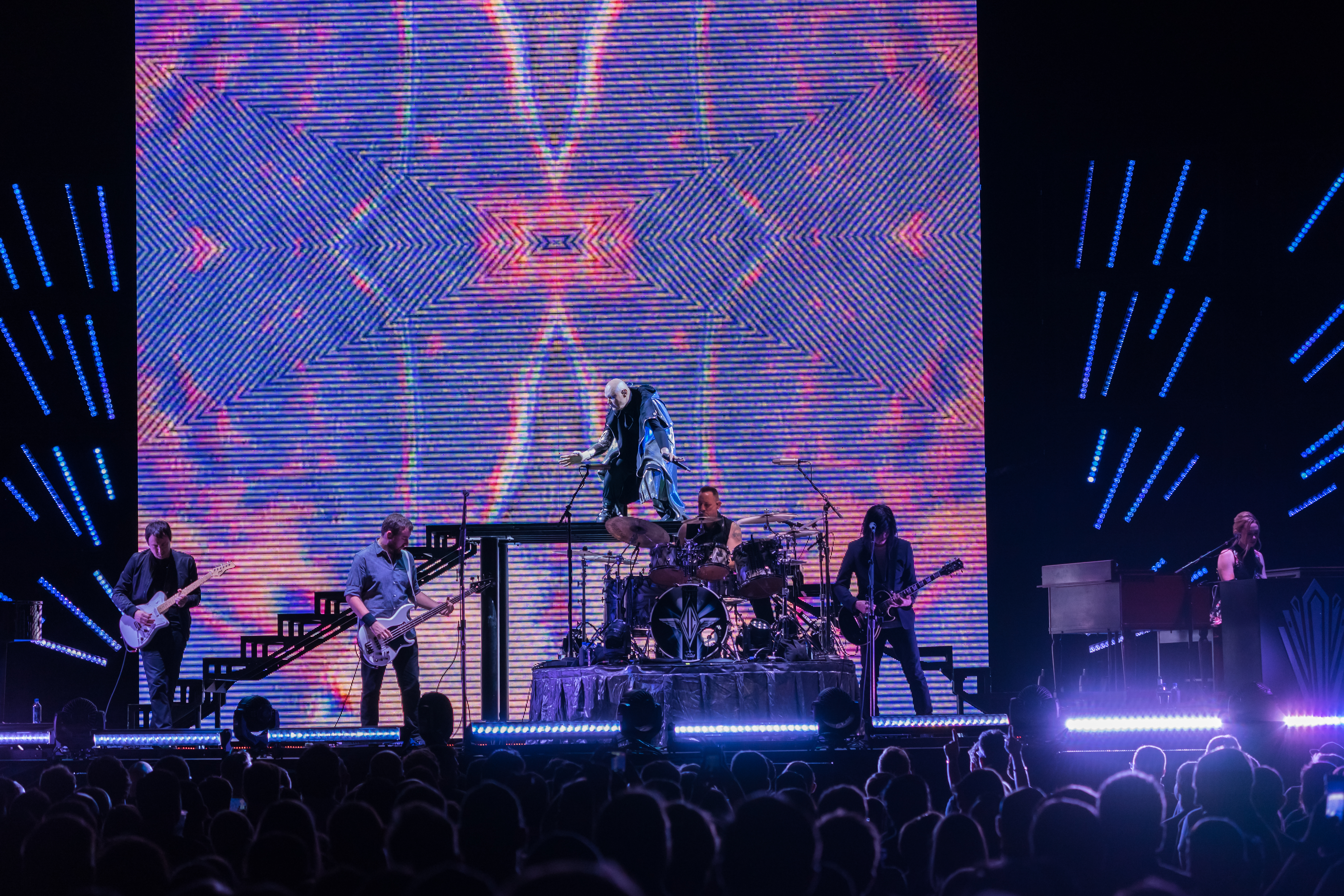
There are passages where the early compositional logic reappears without simply copying the early sound. Accumulation, contrast and scale begin working together again.
Monuments to an Elegy followed in 2014, with Tommy Lee playing drums, which is the kind of fact that would have sounded like a mildly implausible magazine rumour in 1994. The album is concise by Corgan’s standards and contains effective streamlined material, but its pleasures are shallower than those of the best Pumpkins records.
There is a small irony in that. After years of wishing Corgan would edit himself more ruthlessly, one of the more disciplined albums makes me miss the sprawl.
What I increasingly hear in this middle period is not a straightforward artistic decline but the difficulty of sustaining a band identity after the original human arrangement has broken. Corgan is so central to the songs that one can reasonably argue any record he chooses to make under the name is authentically a Smashing Pumpkins record. Yet that argument risks undervaluing what Chamberlin, Iha and Wretzky contributed to the classic era, even when Corgan was doing an extraordinary amount of the studio work himself.
A logo can survive its original designers. That does not mean every later application carries exactly the same character.

Reunion without pretending nothing happened
Jimmy Chamberlin returned again in 2015, and James Iha rejoined in 2018, bringing three quarters of the original line-up back together for the Shiny and Oh So Bright era. D’arcy Wretzky did not participate, and the disagreement surrounding her absence produced another set of competing public accounts rather than a clean reunion narrative.
I find that incompleteness more believable than the alternative. Rock reunions often attempt to suggest that thirty years of resentment, addiction, money, separate lives and public arguments can be dissolved into a cheerful group photograph. The Pumpkins have never been especially convincing as a happy family, so there is little reason to demand that performance now.
The more interesting question is what Iha and Chamberlin restore musically. Shiny and Oh So Bright, Vol. 1 / LP: No Past. No Future. No Sun. is brief and deliberately accessible. “Silvery Sometimes (Ghosts)” carries some of the melodic lift I associate with the old band, but the record feels more like a reopening than a new destination.
CYR in 2020 went almost completely the other way. Twenty tracks, synthesiser-heavy production and a glossy surface place it much closer to Corgan’s latter-day electronic interests than to the guitar density people tend to associate with the name. I have no objection to The Smashing Pumpkins making electronic music because Adore settled that argument long ago. The issue is texture.

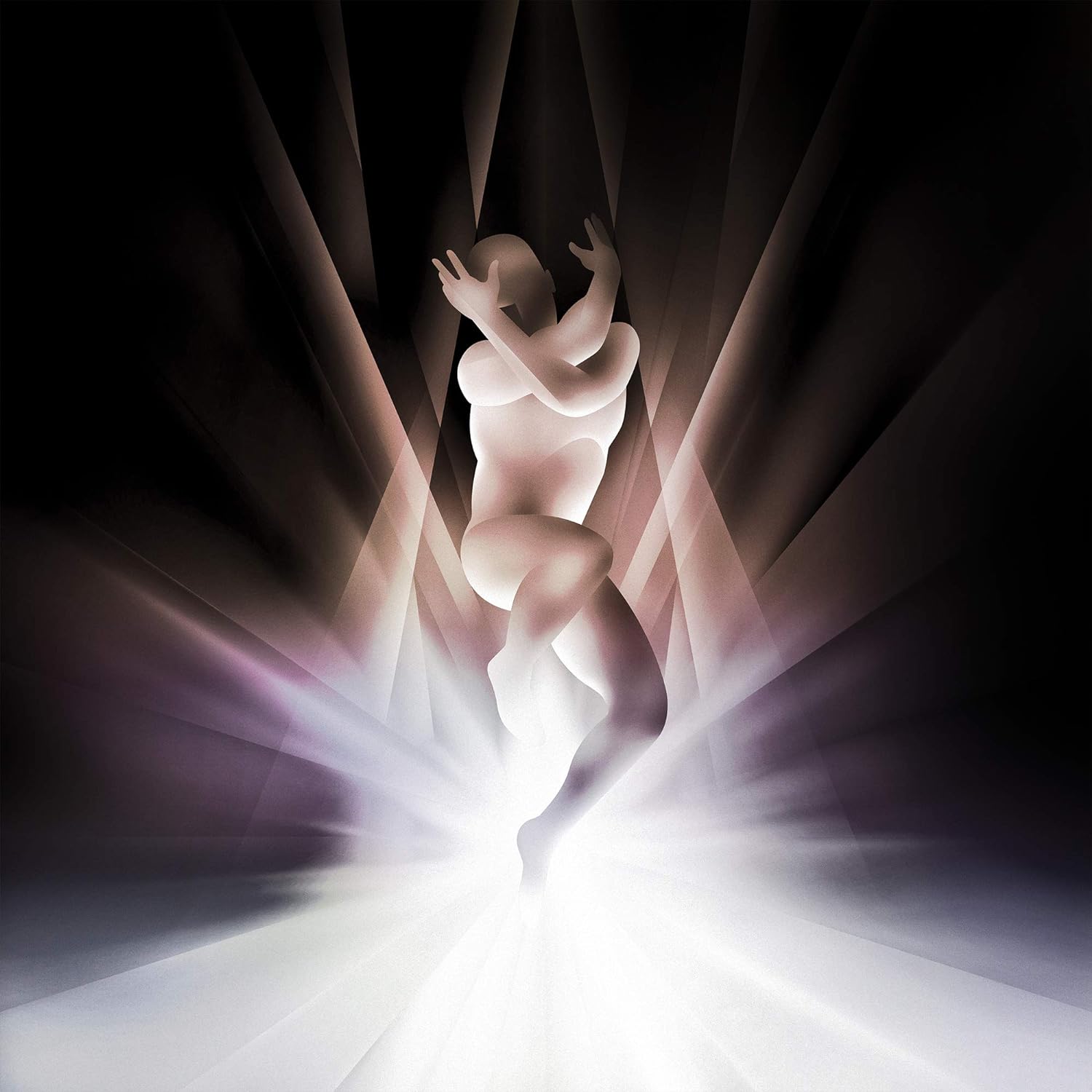
The electronics on Adore frequently create emptiness around the songs, making absence part of the sound. On CYR, the surfaces can become uniform. Corgan’s vocals are prominent, synthetic rhythms recur at similar levels of intensity and the sheer number of tracks exposes one of his oldest habits: accumulation beginning to substitute for selection.
That tendency reaches its most extravagant modern form with ATUM, a 33-song rock opera released across 2022 and 2023 and presented as a conceptual continuation of Mellon Collie and Machina. There is something almost reassuring about the sheer Corgan-ness of the proposition. Having already made a 28-track double album and later surrounded Machina with an elaborate mythology, the older Corgan responds by connecting them through a three-act science-fiction rock opera. Timidity has never really been the problem.
The difficulty is that ambition and effectiveness are not synonyms. There are strong moments. “Beguiled” provides a direct guitar hook, “Spellbinding” has pop immediacy, and elsewhere guitars, electronics and theatrical arrangements deliberately blur the old divisions between Pumpkins styles. Over thirty-three songs, however, the experience can begin to feel less like an album than a project requiring a filing system.
I would still rather see an ageing artist risk an overcomplicated space opera than spend thirty years reproducing the same twelve songs with progressively more expensive stage lighting. Corgan’s refusal to become his own tribute act remains one of his more admirable and more exasperating traits.


Aghori Mhori Mei: remembering the value of restraint
Aghori Mhori Mei, released in 2024, feels almost shockingly manageable after ATUM. Ten tracks is hardly minimalism, but in the context of later Pumpkins it can seem like an outbreak of editorial discipline.
The immediate impression is guitar. Not nostalgic guitar in the sense of rebuilding Siamese Dream brick by brick, but a willingness to let riffs and physical band interplay organise the record again. “Edin” is long and heavy without becoming a catalogue of production tricks. “Pentagrams” finds space for melody inside the weight, while “Sighommi” is concise enough to end before its idea begins holding a meeting about expansion.
What I respond to most is the renewed sense of compression. The best tracks do not attempt to reproduce the emotional atmosphere of the early 1990s, nor should they. Corgan’s voice is older, the production is different and the cultural meaning of a loud guitar has changed completely. Nobody in 2024 is surprised by the idea that alternative rock, metal, psychedelia and electronics might occupy the same song.
What returns is not the period sound but some of the old logic: mass balanced against melody, aggression relieved by space, guitar sounds treated as colour rather than merely evidence that a guitar is present.


That distinction is important because the phrase “return to form” usually means little more than an artist finally resembling the period preferred by the critic. I am less interested in whether modern Pumpkins can impersonate their younger selves than in whether they can still create the tension that made those records interesting in the first place.
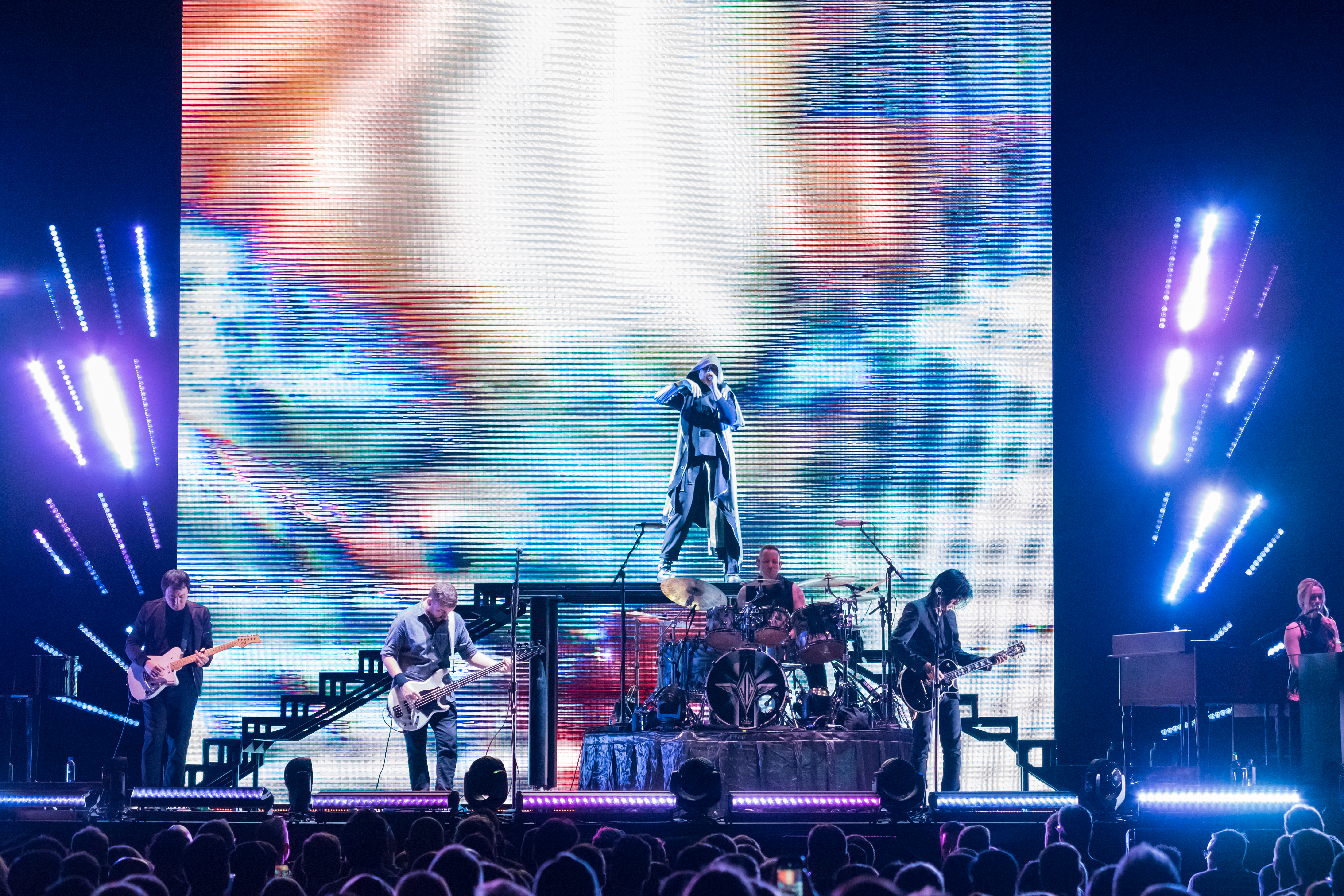
The continuing live band complicates any idea of them being frozen in memory. Corgan, Iha and Chamberlin have now spent years occupying the same stage again, and the band’s history is being increasingly presented as one long continuum rather than a classic period followed by a different entity. Archival releases, anniversary editions and reconstructed projects such as Machina make the old catalogue available in ever more elaborate forms at the same time as the band continues to generate new material.
There is a strange symmetry in that. The man who spent much of his career refusing to remain where listeners had placed him has reached an age where he can revisit the people and recordings from that period without pretending that time has not passed.
What still sounds beautiful, and what now just sounds loud
Returning to the catalogue makes certain strengths clearer than they seemed when the band was simply part of the present.
The first is the guitar language. There were other bands using fuzz, other bands influenced by metal and shoegaze, and other bands layering overdubs. The Pumpkins nevertheless found a distinctive way to make distorted guitars feel simultaneously massive and soft at the edges. Their best tracks are not walls of sound so much as rooms constructed from it.


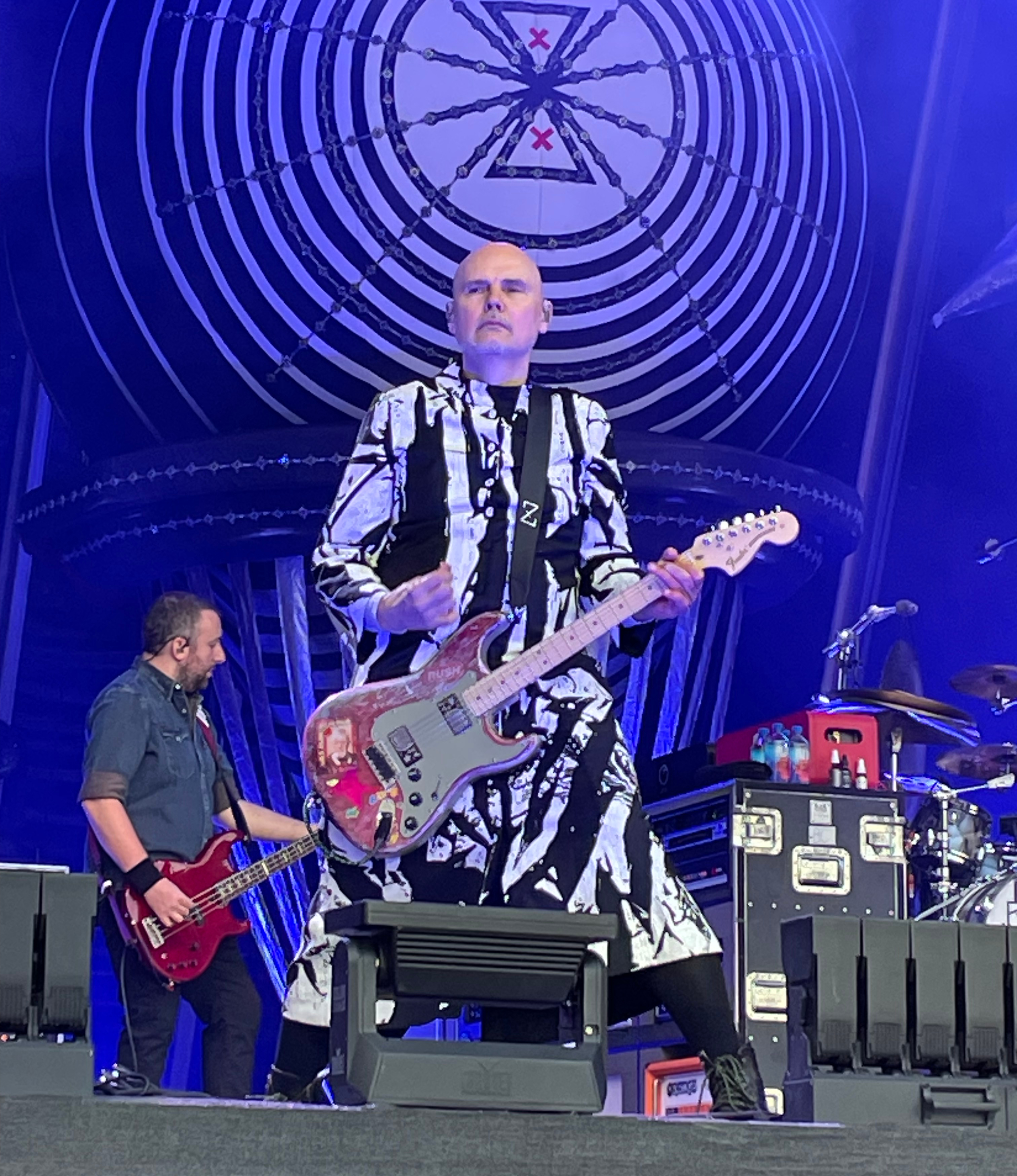
The second is Jimmy Chamberlin. The further I get from the era, the more obvious his importance becomes. He provides movement inside Corgan’s architecture. On songs where a lesser drummer might simply mark the beat, Chamberlin introduces swing, detail and instability. His playing makes extremely dense arrangements feel physically alive, and the difference becomes particularly obvious when listening to records made without him.
The third is melody. For all the band’s reputation for heaviness, theatricality and Corgan’s tendency towards concepts and mythology, the catalogue survives because he can write melodies. “Today”, “Disarm”, “1979”, “Thirty-Three”, “Perfect” and “Stand Inside Your Love” do not require an explanation of the surrounding concept to work. The tunes carry them.
The fourth is contrast. The Pumpkins are less compelling when everything is hard, everything is electronic or everything is grand. Their best records allow weakness beside strength, prettiness beside abrasion and acoustic space beside distortion. Siamese Dream does not work simply because the guitars are enormous. It works because “Disarm” can sit near “Geek U.S.A.” and both still sound like the same band.
Their visual instincts have also aged better than much 1990s rock design. Partly that is because they did not rely entirely on contemporaneous fashion. The strongest Pumpkins artwork borrows from older visual languages: Victorian engraving, family photography, silent film, psychedelia, gothic portraiture and alchemical illustration. These references had already survived one historical displacement before the band used them, which means they do not date as quickly as a fashionable Photoshop effect or a very 1996 haircut.


There are weaknesses, and many of them resemble enlarged versions of the strengths. Corgan’s greatest asset and most persistent problem may be that he is insufficiently embarrassed by ambition. That instinct helped produce Mellon Collie, but it also led to projects where quantity begins to substitute for judgement.
The lyrics can move from painfully direct to painfully grand, sometimes in the same song. Expressions of youthful despair endure when the music contains enough ambiguity around them; others now sound exactly like what they are, things written by a very intense young man who was briefly convinced that every private injury represented a clue to the structure of the universe.
The voice remains divisive. I would not replace it, because doing so would remove too much of the band’s character, but there are later records where placing it prominently above comparatively dry arrangements makes its limitations more obvious. The early walls of guitar did something useful: Corgan had to fight his way through them.
Then there is control. The classic records make clear how much Corgan’s perfectionism contributed to the sound, but the history of the band also demonstrates the tension between authorship and chemistry. Corgan can reasonably claim to be the central creative force. Listeners can equally reasonably hear a difference when Iha, Wretzky or Chamberlin are absent. Both things can be true without requiring a neat solution.


Perhaps this is why the later catalogue becomes more interesting once I stop asking it to compete directly with the version of the band I carry from the 1990s.
The record shelf and the stream
There is another difference now that has less to do with The Smashing Pumpkins than with the way listening itself has changed.
My original exposure to the band belongs to a period when music arrived with more friction. Cassettes and CDs had fixed running orders. A double album physically announced its size. B-sides could require a separate purchase. A music video might be seen because MTV decided to show it rather than because I summoned it immediately from a search box. Magazine photographs and record-shop sleeves carried information that now appears instantly beside a streaming player.
I do not want to romanticise all of that. Having almost any recording available immediately is plainly useful. Searching for an obscure B-side was not an inherently noble activity; sometimes it was simply inconvenient. There is no moral superiority in having spent twenty minutes wondering whether a shop would ever restock something.


What abundance has changed is concentration. Mellon Collie made an argument for its own excess partly because the physical object told you that you were entering a large work. Two discs, extensive artwork and a deliberately divided sequence made the scale tangible. ATUM, by contrast, arrives in an environment where thirty-three songs sit beside an effectively infinite supply of other songs. The listener can leave after ninety seconds and be listening to something recorded in another country forty years earlier before the next track has properly started.
This may be one reason the early Pumpkins remain so sharply defined in my head. They arrived within limits. The irony is that Corgan always wanted to overflow those limits. B-sides multiplied, double albums expanded, Machina II escaped onto the internet, Teargarden became a vast incremental project and ATUM spread across three acts. His instincts anticipated an age in which there would be no real shortage of distribution space.
What that age has revealed is that once space becomes effectively unlimited, editing becomes more valuable rather than less.
This is also where nostalgia becomes easier to separate from quality. Some early songs unquestionably benefit from having entered my life during a particular period. Music heard around university age tends to acquire unusually strong adhesive properties. It attaches itself to a version of you that no longer exists but remains alarmingly easy to summon.


It would be foolish to pretend that this has nothing to do with why I still respond to the early records. But nostalgia cannot explain everything. It cannot account for Chamberlin’s drumming, the precision of the arrangements or the control of guitar texture on Siamese Dream. It cannot explain why “1979” still sounds elegant after so many later bands absorbed similar combinations of loops and guitars. It cannot explain why Adore, a record that deliberately frustrated expectations, has become more interesting rather than less.
Nor can nostalgia rescue everything. Some of the adolescent anger now seems theatrical. Some of the later records are simply too long. Certain Corgan vocal productions make the songs harder work than they need to be. A handful of concepts would almost certainly have benefited from being left in the notebook.
That does not bother me. A career this long should contain awkwardness. The alternative is usually self-parody.
What surprises me is that the phrase I started with still seems to fit. The beautiful noise is there in the slow detonation of “Rhinoceros”, the impossible density of Siamese Dream, the scale of “Porcelina”, the electronic pulse beneath “1979” and even the negative space of Adore, where the disappearance of the old noise becomes part of the sound.
Later Pumpkins records sometimes recover one half of that equation without the other. They can be beautiful without danger, or loud without mystery. The strongest later moments occur when those opposites begin rubbing against one another again.
My Smashing Pumpkins are probably always going to end somewhere around Adore. That does not mean the band ended there, and it does not require me to pretend the subsequent decades did not happen. It simply marks the point where their timeline and mine stopped running alongside one another in quite the same way.
The later records are another set of rooms. Some are cluttered, some unexpectedly inviting, and some contain rather too much conceptual furniture. I can enter them now without feeling that I need to move in.
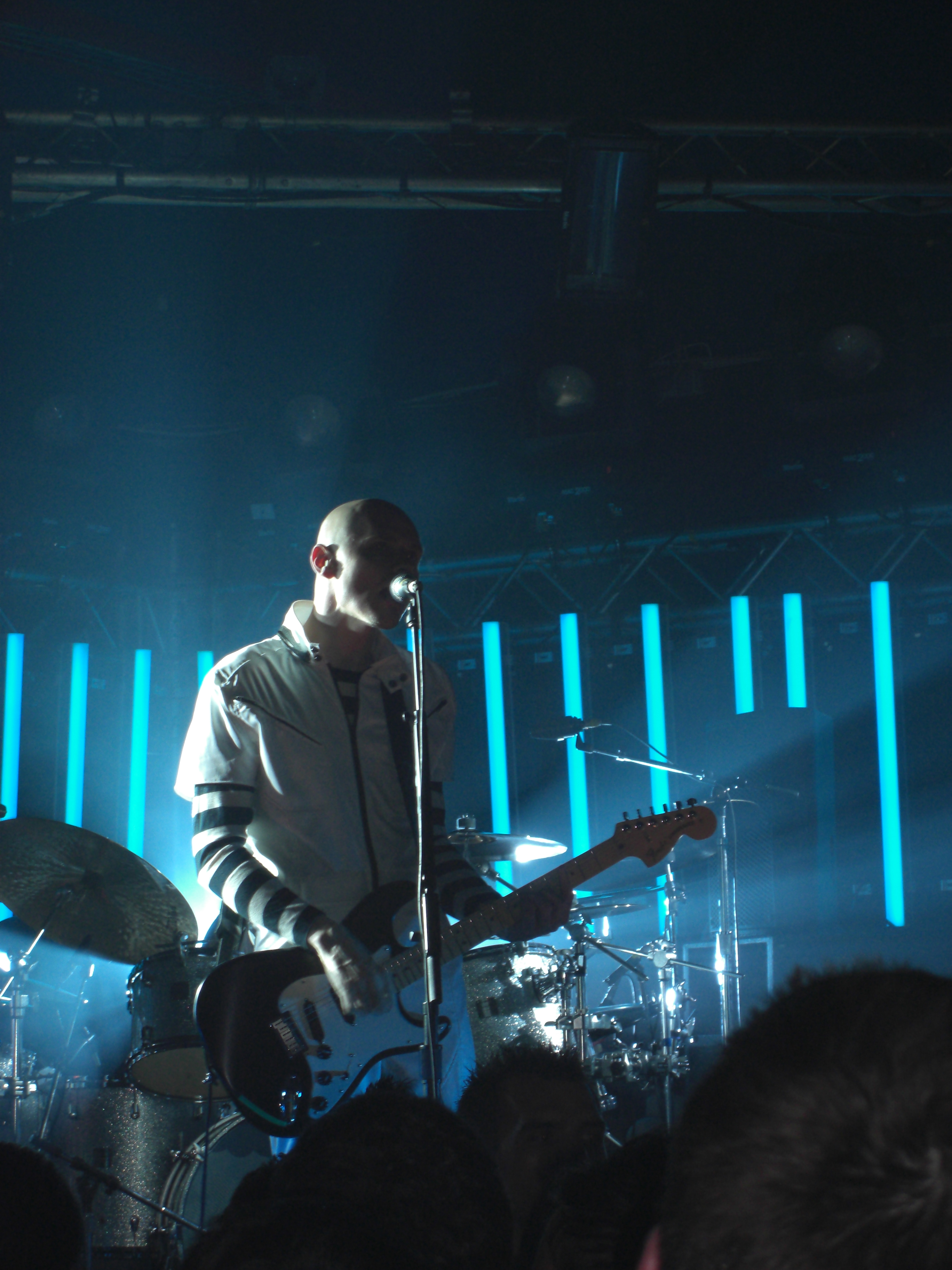
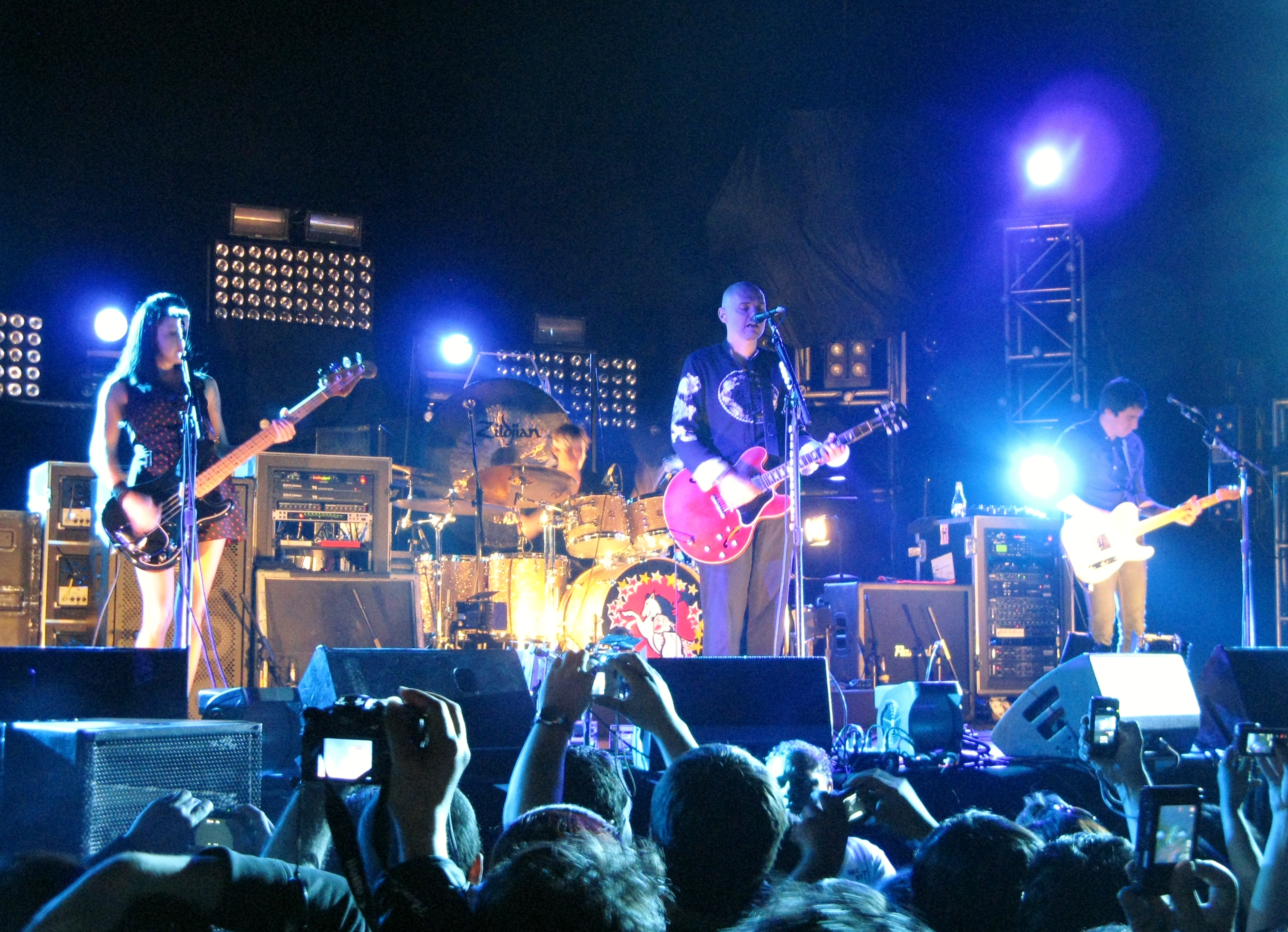
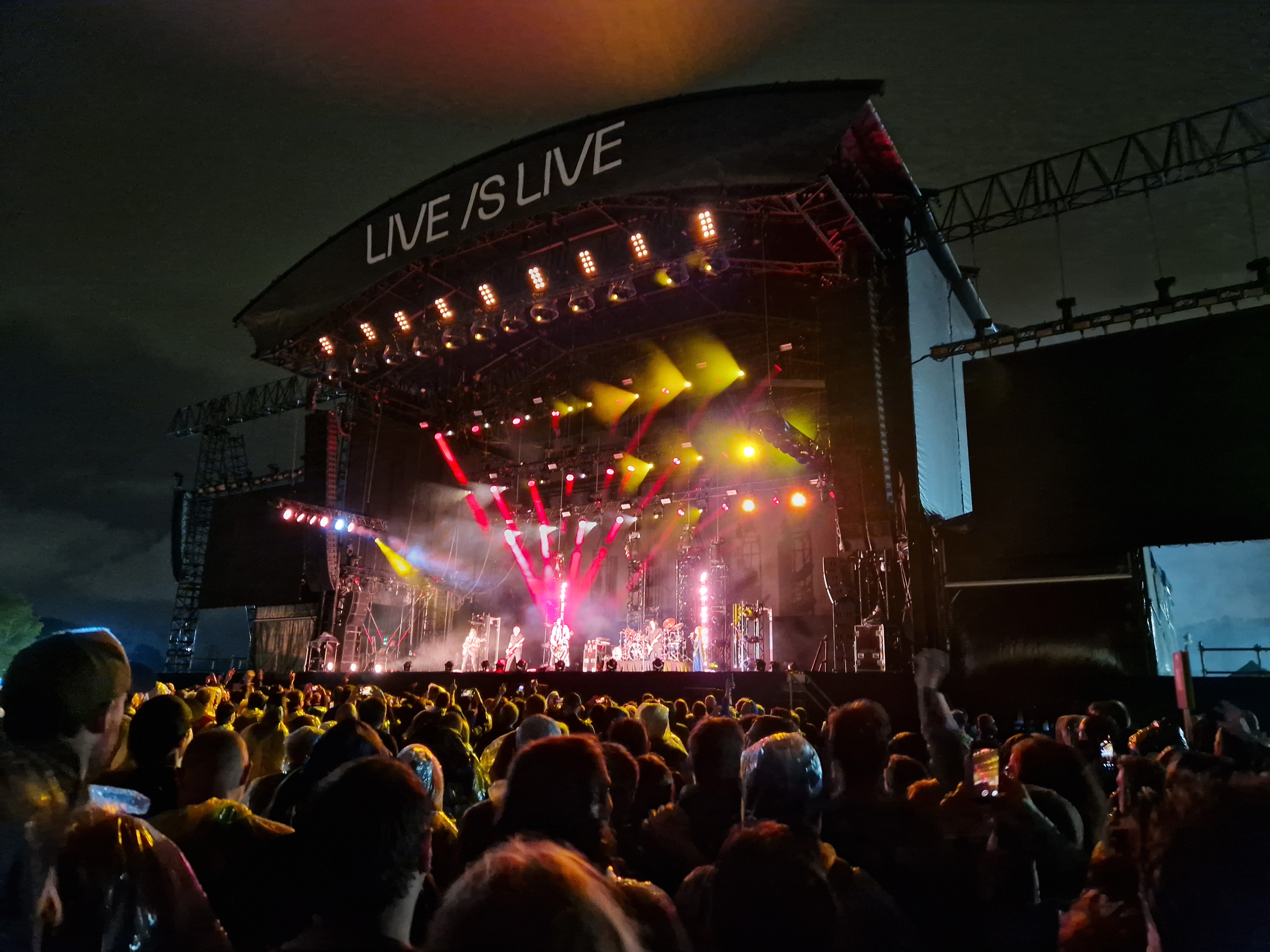
One thing I have still never done is see The Smashing Pumpkins perform live. Not in Manila, and not in Singapore. There is something faintly absurd about knowing these recordings so well without ever having stood in a room while the band played them. I am still hoping to put that right. Not because I expect anyone on stage, or in the audience, to be twenty-five again, but because I would like to hear what that beautiful noise feels like outside a pair of speakers.
The older room is still the one I recognise immediately. A guitar begins quietly, another appears behind it, Chamberlin starts moving underneath, and the signal thickens until something that ought to be ugly becomes strangely luminous. I hear it now with more distance, more reservations and considerably less need to believe that everything I loved at twenty must remain untouchable.
The music has changed because I have changed, although the records themselves have not moved at all. Perhaps that is the real advantage of having one part of a band’s career frozen in time. I can go back to it and discover that the noise is still there, but the person listening to it is not quite the same.
Affiliate Disclosure: This post contains affiliate links. If you click through and make a purchase, I may earn a small commission—at no additional cost to you. I only recommend products I personally find useful or relevant. Thank you for your support.
Leave a Reply