
A Starship Through Bad Reception
I first encountered Star Trek the way a lot of children of the 80s encountered old American television in the Philippines: not as history, not as canon, not as a carefully preserved franchise with timelines and watch orders and boxed sets, but as something that appeared on local TV when the networks felt like churning it out. One episode here. Another episode months later. Maybe the same episode again. Maybe an episode from a different season shown as if continuity was only a rumour. There was no streaming queue gently asking if I wanted to continue watching. There was no “previously on.” There was just the television set, the antenna, the faint fuzz of reception, and a starship that looked like it had come from both the future and a school play.

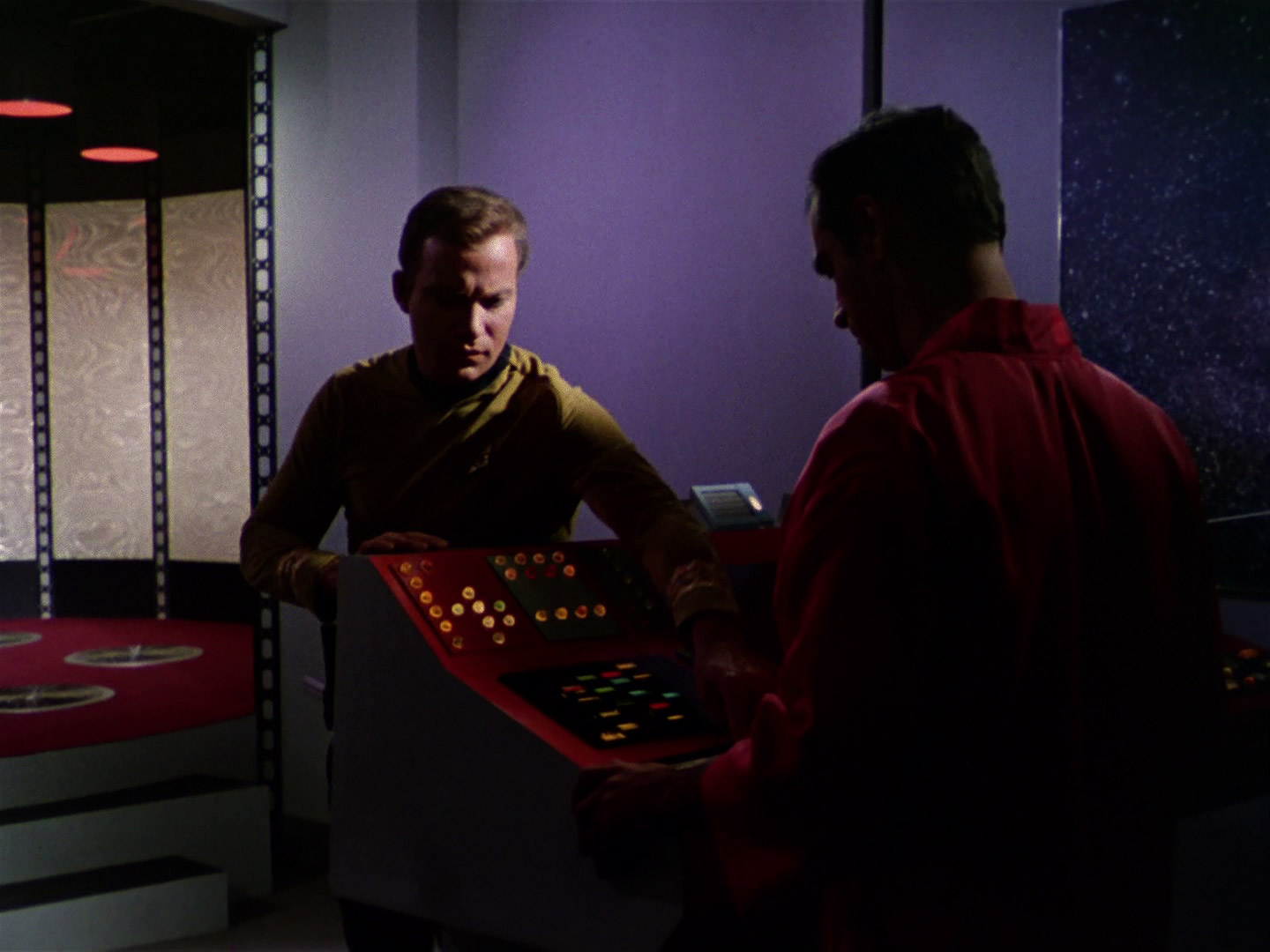
I was not born when Star Trek first came out. By the time I saw it, the 1960s were already somebody else’s old photographs, somebody else’s politics, somebody else’s furniture. But to a child, none of that mattered. It was science fiction. It had ships. It had aliens. It had men and women in coloured uniforms standing on a bridge and looking very seriously at blinking lights. It had doors that opened with a satisfying sigh. It had a transporter, which seemed like magic pretending to be engineering. It had phasers, tricorders, communicators, and planets that often looked suspiciously like the same rocky backlot wearing different lighting.
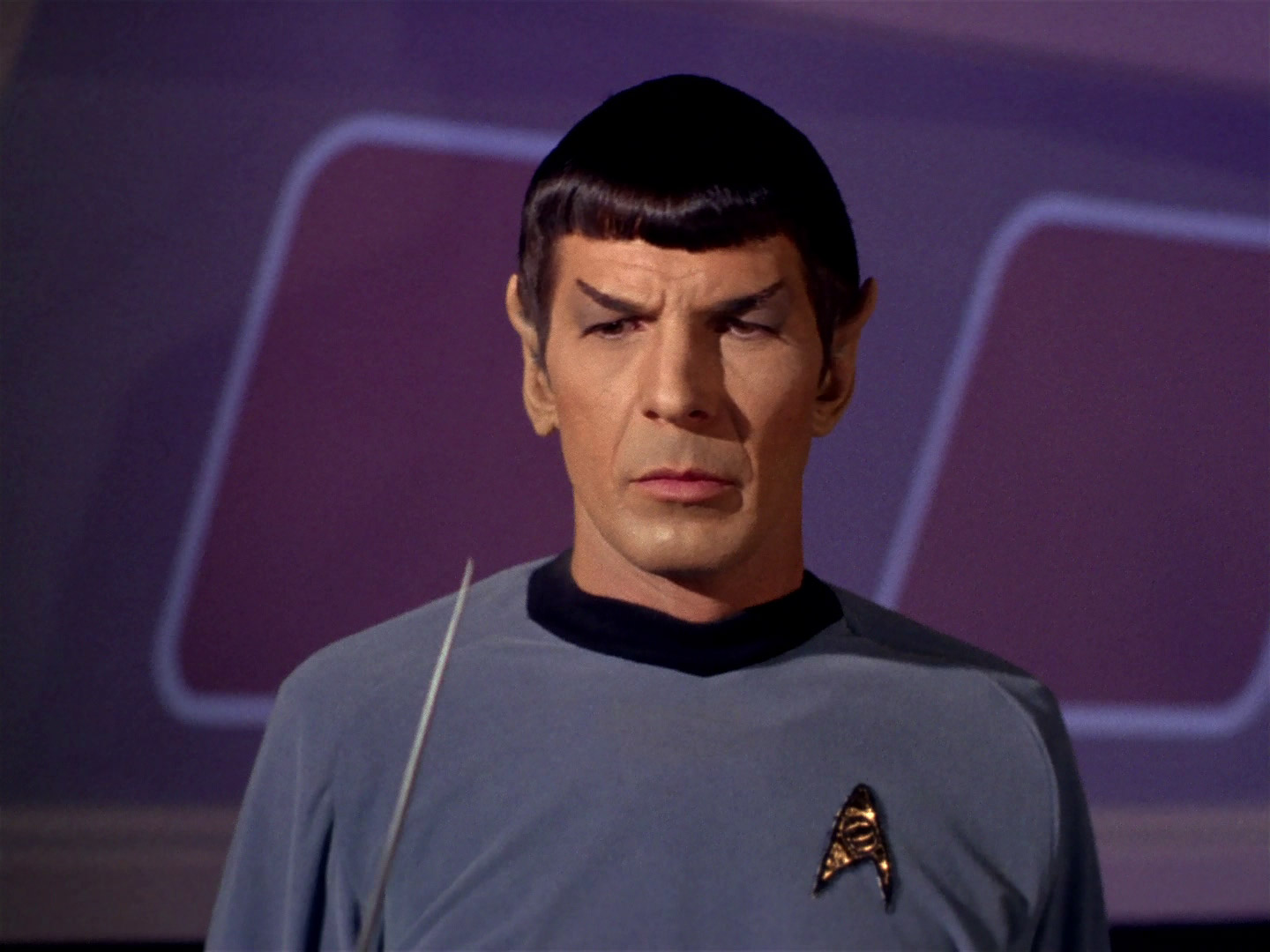
At that age, I enjoyed it in the most immediate way possible. Space was space. Aliens were aliens. The Enterprise was a cool ship. The uniforms were bright enough to read even on a small television. Captain Kirk looked decisive. Spock looked strange and calm. Dr McCoy looked like he had already had enough of everyone before the episode had even begun. I probably did not absorb what the show was really trying to do. I did not yet understand that this slightly creaky adventure series was smuggling in arguments about race, war, prejudice, duty, science, identity, colonialism, and the stubborn hope that humanity might grow out of at least some of its worst habits.

That came later. Now, watching The Original Series again as an adult, with the luxury of streaming and the curse of perspective, it feels less like discovering an old show and more like returning to a signal I once picked up imperfectly. The picture is clearer now. The sets are still wobbly. The ideas are not.
Video: a remastered Original Series preview, via TrekCore. The cleaner picture reveals the craftsmanship without removing the show’s 1960s edges.
Before There Was an Original Series
One of the odd things about going back to Star Trek now is remembering that it was not originally “The Original Series.” It was just Star Trek. The label came later, after the thing refused to die. After the reruns. After the conventions. After the animated series. After the films. After The Next Generation became someone else’s gateway drug. After Deep Space Nine, Voyager, Enterprise, the reboot films, the streaming-era shows, and the many arguments that come free with any long-running fandom.

But in 1966, it was a risky network science-fiction series created by Gene Roddenberry, pitched in famously broad terms as a kind of “wagon train to the stars.” That description sounds almost quaint now, but it also explains a lot. Star Trek was not hard science fiction in the strictest sense. It was television adventure with moral ambition. It borrowed from naval drama, westerns, courtroom plays, submarine thrillers, war films, monster stories, political allegory, and stage melodrama. Space was the setting, but often the planet of the week was really Earth in a thin disguise.


Its road to the screen was not smooth. The first pilot, “The Cage,” starred Jeffrey Hunter as Captain Christopher Pike, with Leonard Nimoy already present as Spock, though not yet the Spock we would come to know. NBC found that pilot too cerebral, which is the sort of phrase executives use when they are not sure how to sell something. The rare second pilot, “Where No Man Has Gone Before,” brought in William Shatner as James T. Kirk and shifted the show closer to the form that eventually aired. Behind that survival story was Desilu, and behind Desilu was Lucille Ball, whose support has become one of those wonderful pieces of television history that sounds almost too strange to be true. The future of science fiction television partly depended on the woman most people still associate with I Love Lucy. Pop culture is untidy that way.

When the series finally aired, it lasted only three seasons. Seventy-nine episodes. That is a strange number now, because it feels both small and enormous. Small compared with the decades of franchise material that followed. Enormous because those 79 episodes became a seed bank. So much of modern Star Trek grows from there: the Federation, Starfleet, Vulcans, Klingons, Romulans, the Prime Directive, transporters, warp drive, the Enterprise as a moving moral laboratory. Even when later shows improve on the concept, complicate it, reject it, or argue with it, they are still talking to those original corridors.
The Art of Watching It Out of Order
There is something to be said for watching a show incorrectly. I did not watch The Original Series in order. I did not know episode titles. I did not know which season I was seeing. I did not know that Chekov was a later addition, or that certain episodes were considered classics, or that some were already infamous. I did not have the vocabulary of fandom. I just had impressions. A red shirt might die. Spock might raise an eyebrow. Kirk might talk a computer into self-destruction. McCoy might say something emotionally correct while being medically questionable. The Enterprise might orbit a planet that looked suspiciously like another planet from another episode.

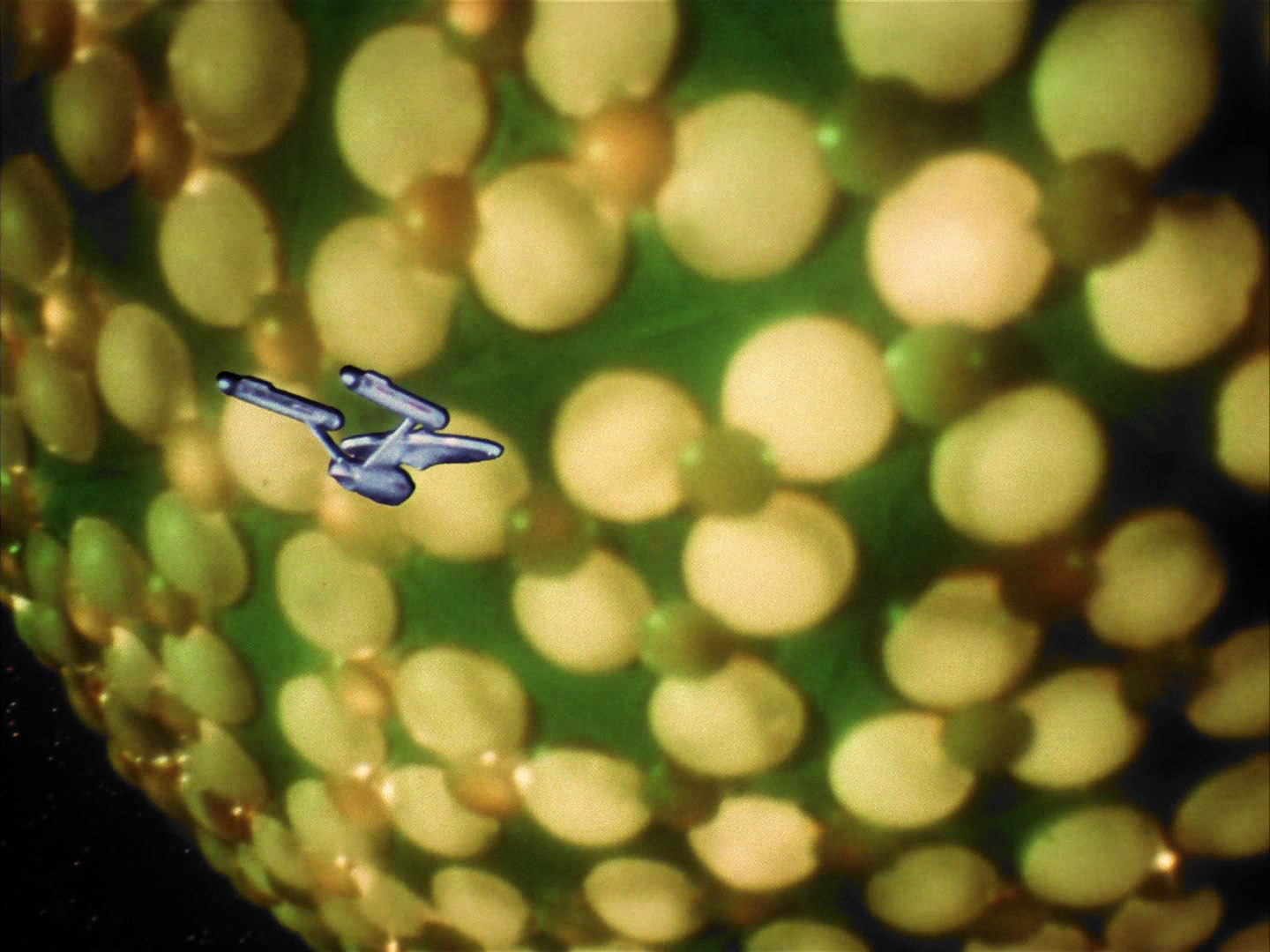
That kind of random exposure does something to memory. It turns a series into a set of fragments. The bridge. The transporter shimmer. The whoosh of the doors. The captain’s chair. The Vulcan salute. The way everyone looked upward when the ship was hit, as if the ceiling itself had betrayed them. These details stayed with me before the larger philosophy did.
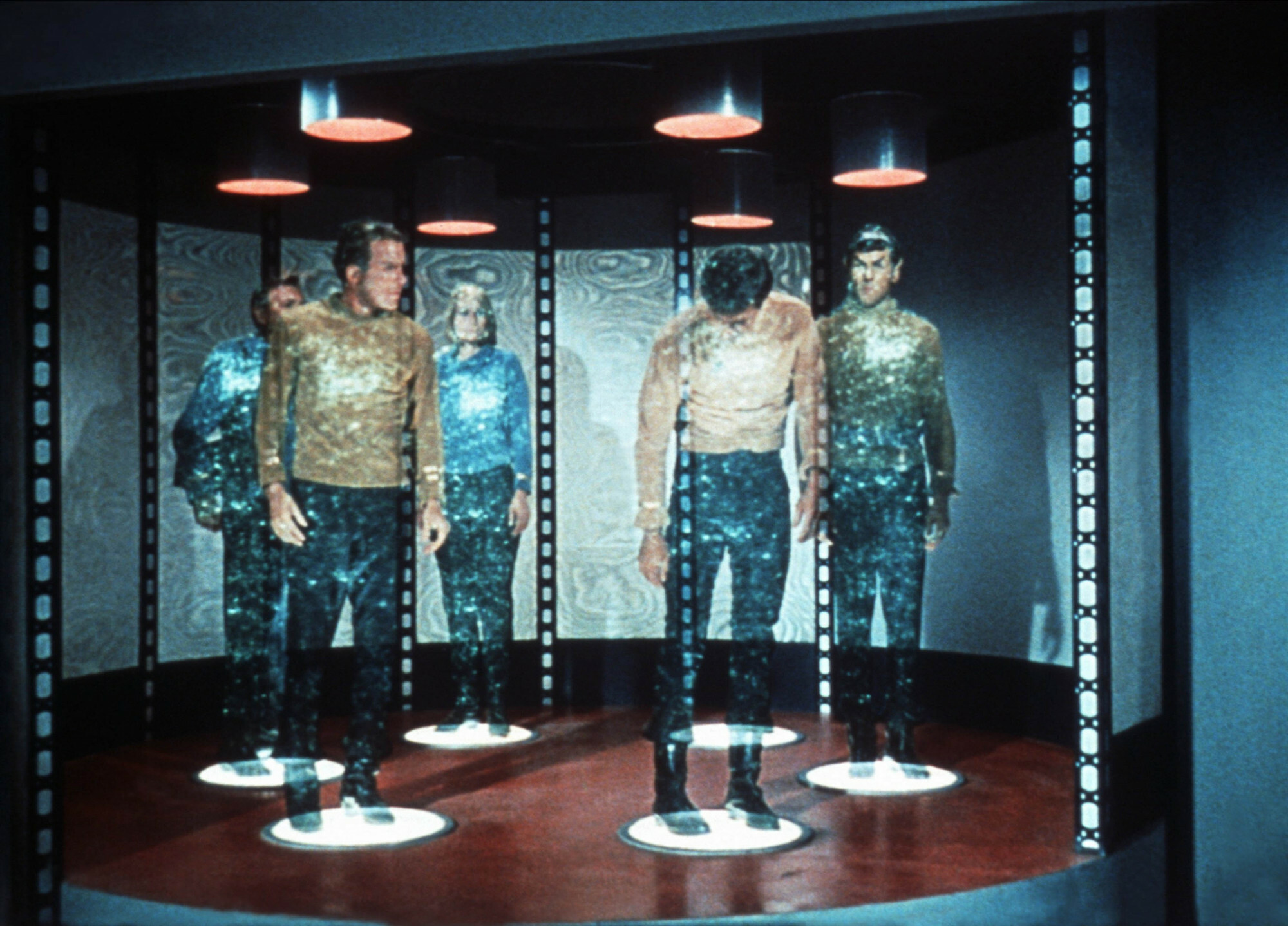
Streaming changes that. It restores sequence. It removes scarcity. It gives you the show as a complete object. You can watch the roughness develop, the chemistry form, the mythology accumulate. But part of me still values the broken broadcast version, because that was how the show entered my life: not as canon, but as weather. Sometimes it was there. Sometimes it was not. You caught what you could.

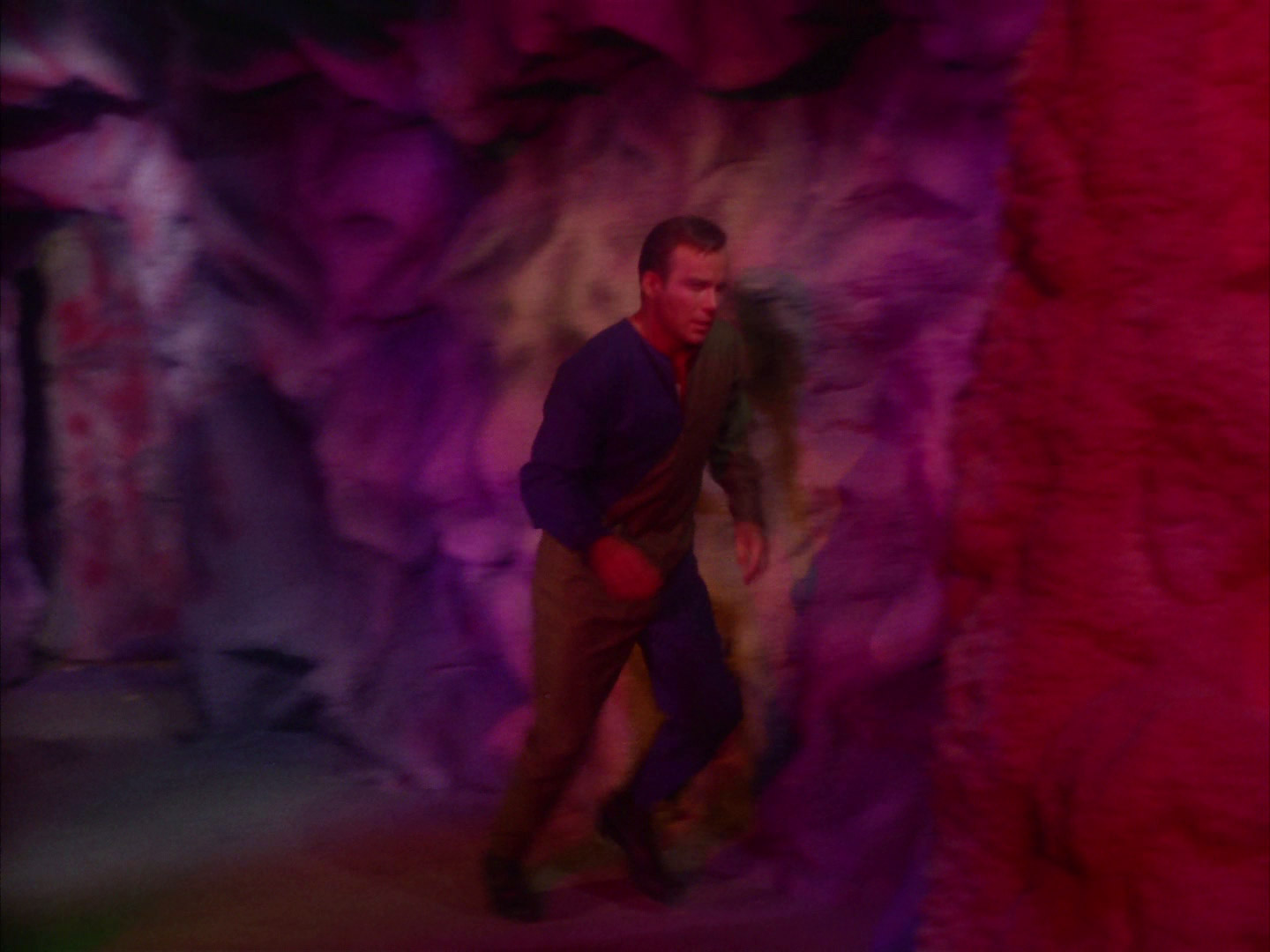
There is a whole generation of viewers outside America who experienced American television this way. Imported shows did not always arrive in clean order. Local networks scheduled things according to convenience, rights, time slots, audience guesses, and whatever mysterious logic governed programming departments. We learned to fill gaps. We became casual experts in discontinuity. It might be why reruns felt less like repetition and more like another chance to decode something.
The Future Was Mostly Rooms
Rewatching The Original Series now, I am struck by how much of it is not really about the vastness of space but about rooms. The bridge. Sickbay. Engineering. Briefing rooms. Alien chambers. Courtrooms. Caves. Corridors. The show talks constantly about infinity but often stages that infinity in confined places. That limitation, born partly from budget, gives the series a theatrical quality. People stand and argue. People sit and consider. People make moral decisions under bad lighting.

A modern viewer might be tempted to laugh at the sets, and sometimes the sets invite it. There are rocks that look like they were sculpted five minutes before filming. There are alien computers that appear to be made of coloured plastic, optimism, and leftover office equipment. There are costumes that seem to have escaped from a community theatre production of mythology. But the show survives because the rooms are filled with tension. The walls wobble, but the arguments hold.


The bridge itself is one of the great design inventions in television. Simple. Graphic. Understandable at a glance. Kirk in the centre. Spock at the science station. Uhura at communications. Sulu and later Chekov at the helm and navigation. Screens, buttons, lights, colour-coded hierarchy. It is a workplace, a command centre, and a stage. Everyone has a place. Everyone faces outward. The ship is not just travelling through space; it is arranged around the act of looking.

As a designer, I appreciate that more now. The Enterprise bridge is not realistic in the modern production-design sense, but it is legible. It tells you how the show works before anyone says a line. This is a series about command, counsel, information, impulse, restraint, and response. The room is a diagram of the drama.
Kirk Was Better Than His Impersonations
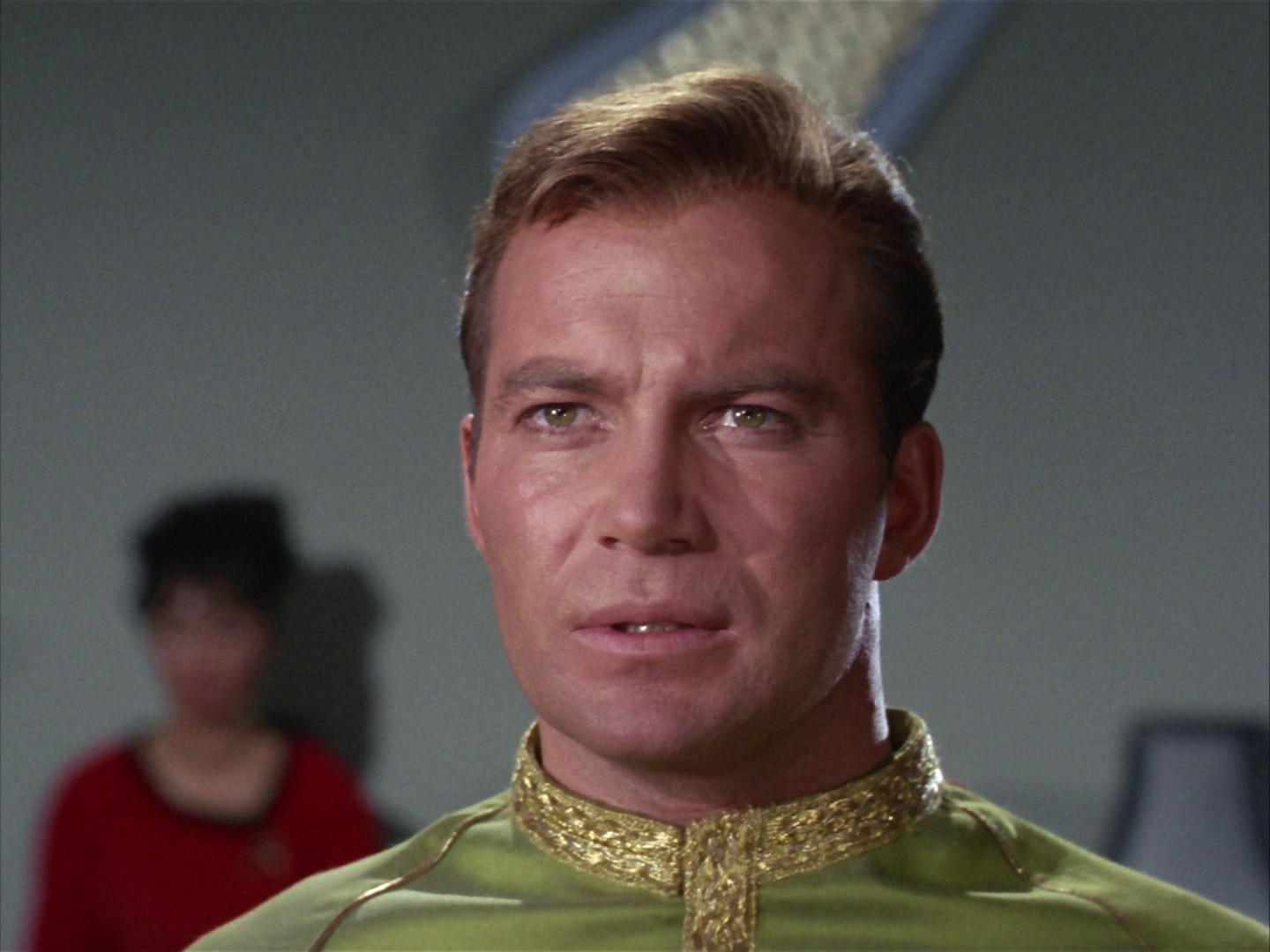
The pop-cultural version of Captain Kirk is a parody: the overacting womaniser, torn shirt, dramatic pauses, interstellar ego in boots. There is some truth to that caricature, because caricatures usually begin with something recognisable. William Shatner does have a rhythm that can be easy to imitate and hard to forget. Kirk does get into romantic situations with remarkable efficiency. He does sometimes seem to treat command as both duty and performance.


But the Kirk of the actual series is more interesting than the shorthand. He is not merely reckless. He is often calculating. He listens more than the jokes suggest. He takes advice from Spock and McCoy, then makes the decision alone, which is the loneliness of command reduced to a weekly ritual. He can be charming, vain, impatient, compassionate, and manipulative. He is capable of violence, but he often prefers to talk his way through a problem, even if that talk eventually becomes a full-contact philosophical assault on a computer.
Kirk’s genius is not that he is always right. It is that he embodies the fantasy of decisive humanity. He is the person who must act before all the information is available. He does not have the luxury of pure logic or pure feeling. He is surrounded by both and has to convert them into a course heading.


As a child, I probably just saw the captain. As an adult, I see a man managing pressure. The chair is glamorous until you realise everyone looks at you when the lights go red.
Spock and the Art of Not Reacting
If Kirk is the show’s heroic engine, Spock is its enduring mystery. Leonard Nimoy’s performance is still astonishing in its restraint. He understood that alienness does not need constant display. It can live in small delays, in the careful control of the face, in the choice not to react when everyone else does.

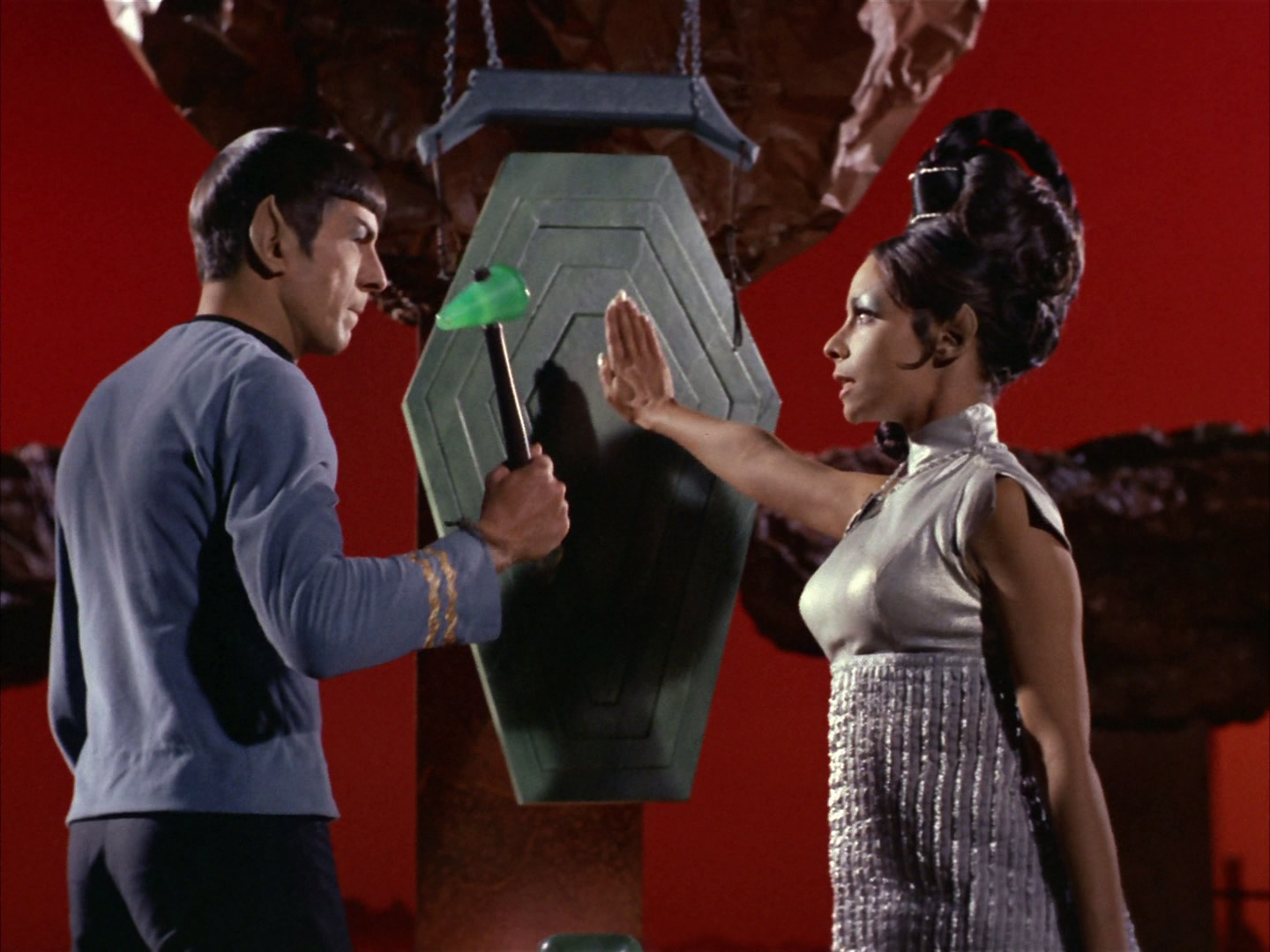
Spock is half-human, half-Vulcan, but the show’s deeper point is that identity is not arithmetic. He is not 50 per cent one thing and 50 per cent another. He is constantly translating himself. He belongs everywhere and nowhere. To Vulcans, he is compromised by emotion. To humans, he is cold, remote, faintly unnerving. His logic is not just a philosophy; it is armour, discipline, aspiration, and sometimes evasion.
This is why Spock became the character so many people found themselves in. Not because they had pointed ears, though fandom has always been game for prosthetics, but because he represented the pain of being visibly different and inwardly divided. He was the outsider on the inside. The alien at the heart of the family.

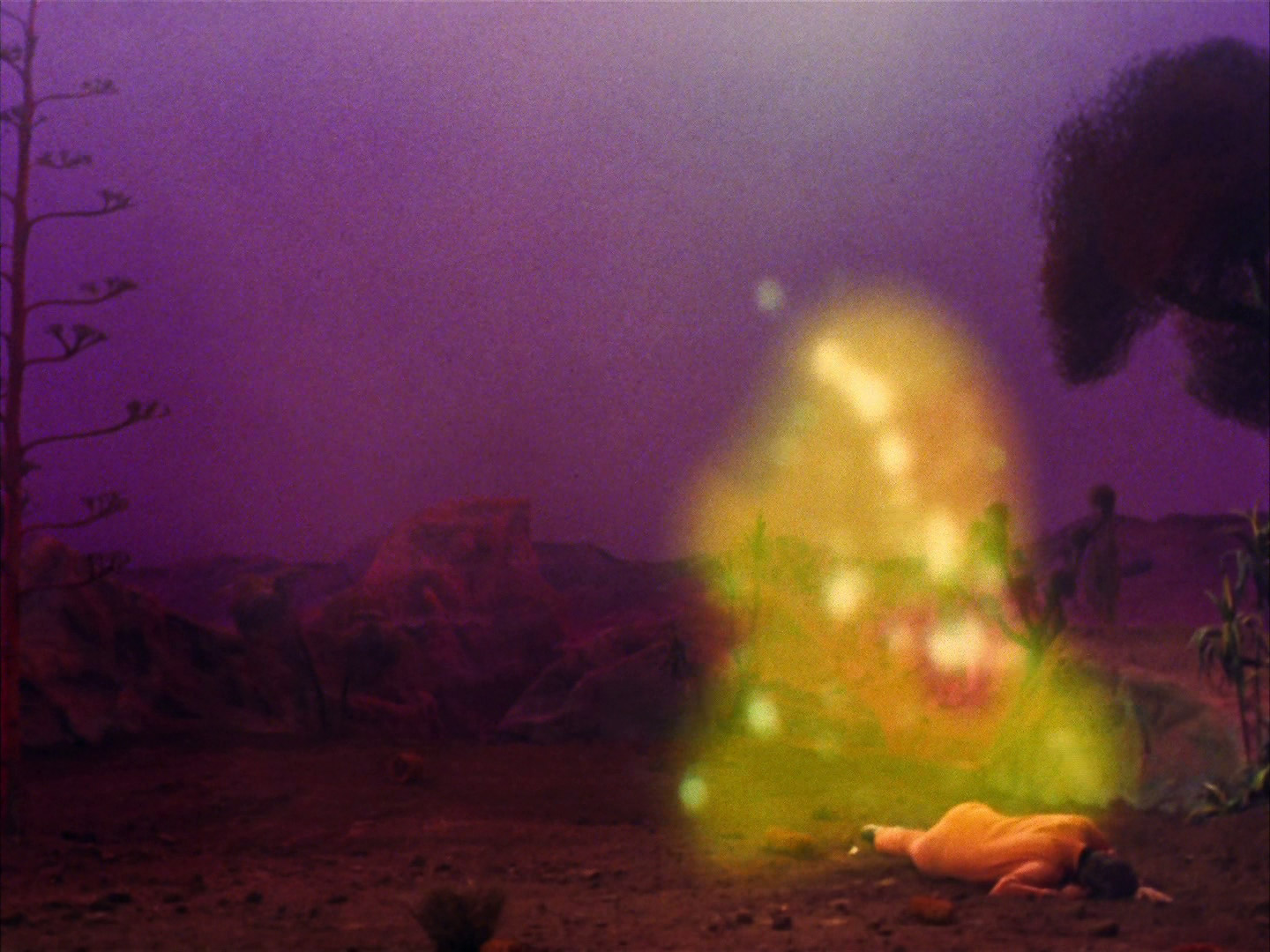
Watching him now, I understand better why he mattered. Spock gave difference dignity. He made intelligence dramatic. He made restraint charismatic. In a television landscape that often rewarded loudness, he turned stillness into presence. And then, when emotion breaks through, it means something. A small smile from Spock can feel bigger than a speech from anyone else.
McCoy, the Necessary Irritation
Dr Leonard “Bones” McCoy could have been just comic relief: the cranky doctor, the Southern humanist, the man who says “I’m a doctor, not a…” with variations that became their own little folk song. But DeForest Kelley gives him a worn, humane texture. McCoy is the voice of the body on a ship obsessed with mind, machinery, and mission.
He worries about people as people, not as officers, not as strategic assets, not as data. His arguments with Spock are the show’s recurring philosophical duet. Logic versus feeling. Detachment versus involvement. The needs of the mission versus the needs of the person on the table.

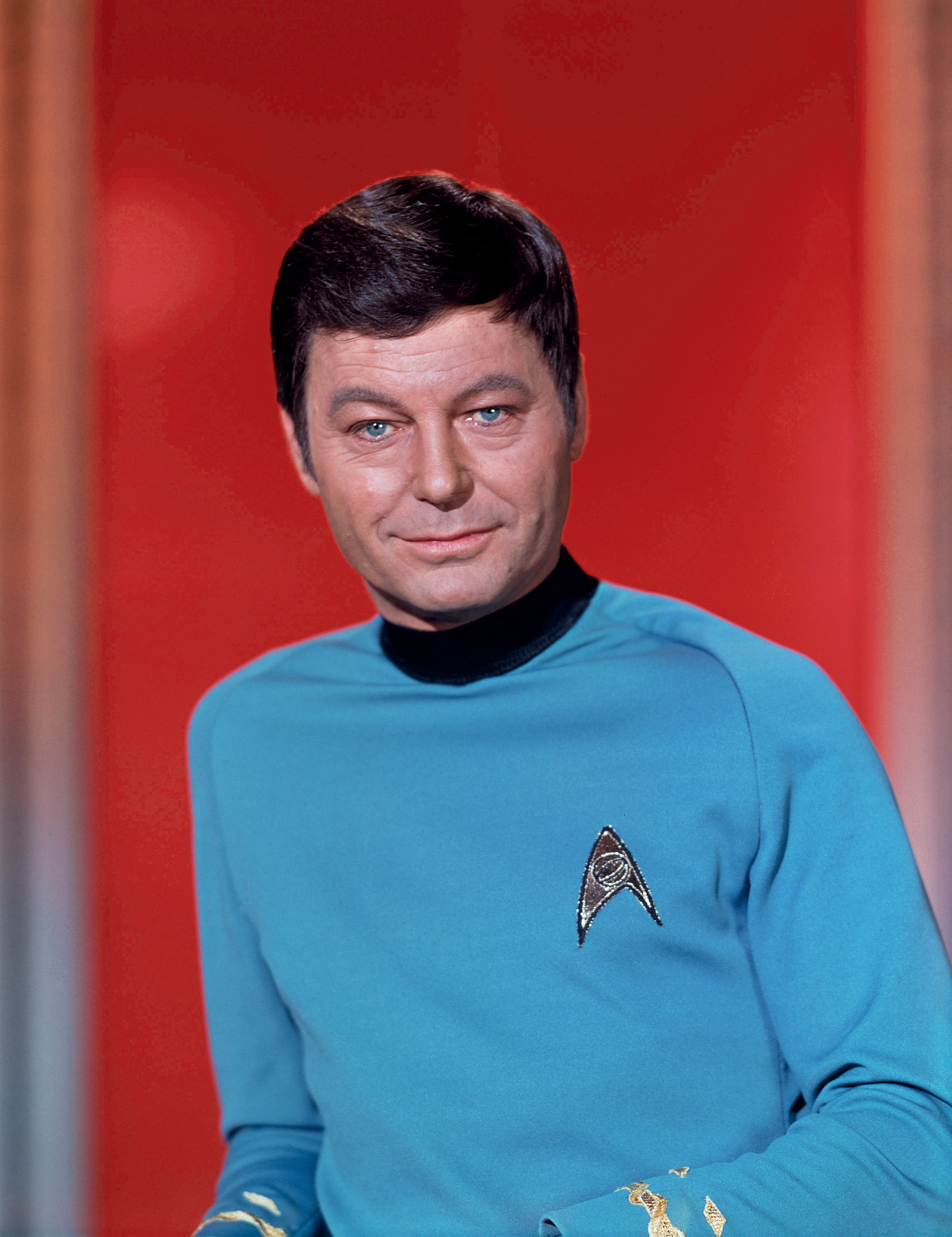
Of course, McCoy’s prejudices against Spock can be uncomfortable now. The banter sometimes crosses into something sharper. But that friction is also part of the show’s machinery. McCoy keeps insisting that reason without compassion can become cruel. Spock keeps insisting that compassion without reason can become chaos. Kirk stands between them, stealing from both. That triangle is the real warp core of The Original Series. Not the technology. Not the continuity. Not even the aliens. Kirk, Spock, and McCoy are three arguments wearing uniforms.
The People Who Made the Future Look Different
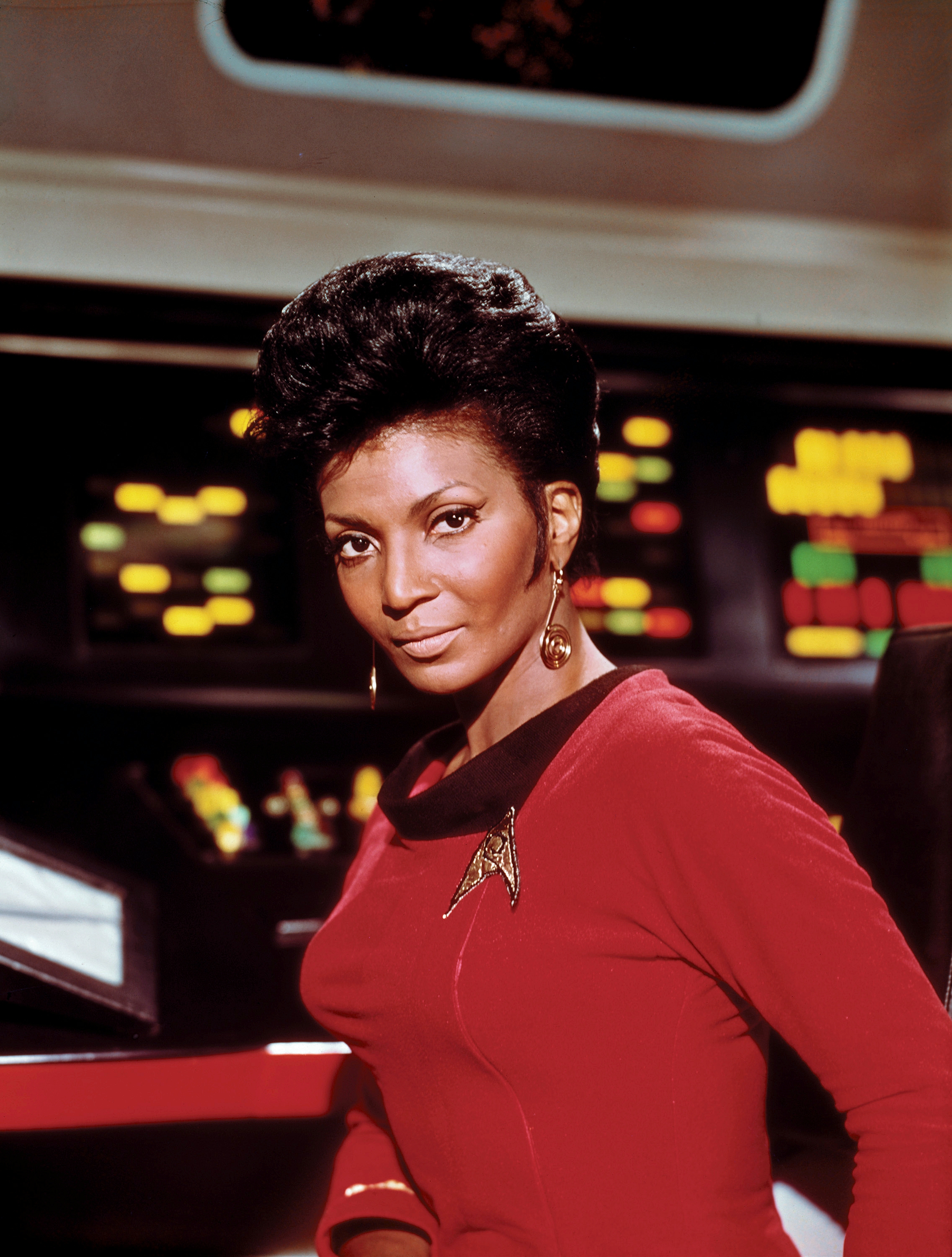
One of the most important things about The Original Series is also one of the most frustrating: its supporting cast suggests a future more expansive than the scripts often allow. Lieutenant Uhura, played by Nichelle Nichols, sits on the bridge as communications officer. For viewers now, it is easy to wish she had more to do, because she should have had more to do. Yet her presence mattered enormously. A Black woman officer on the bridge of a starship in 1960s American television was not a minor image. It was a declaration, even when the writing did not fully honour it. Uhura was composed, skilled, elegant, and treated as part of the command structure. The future had made room for her, at least visually, before the present fully had.


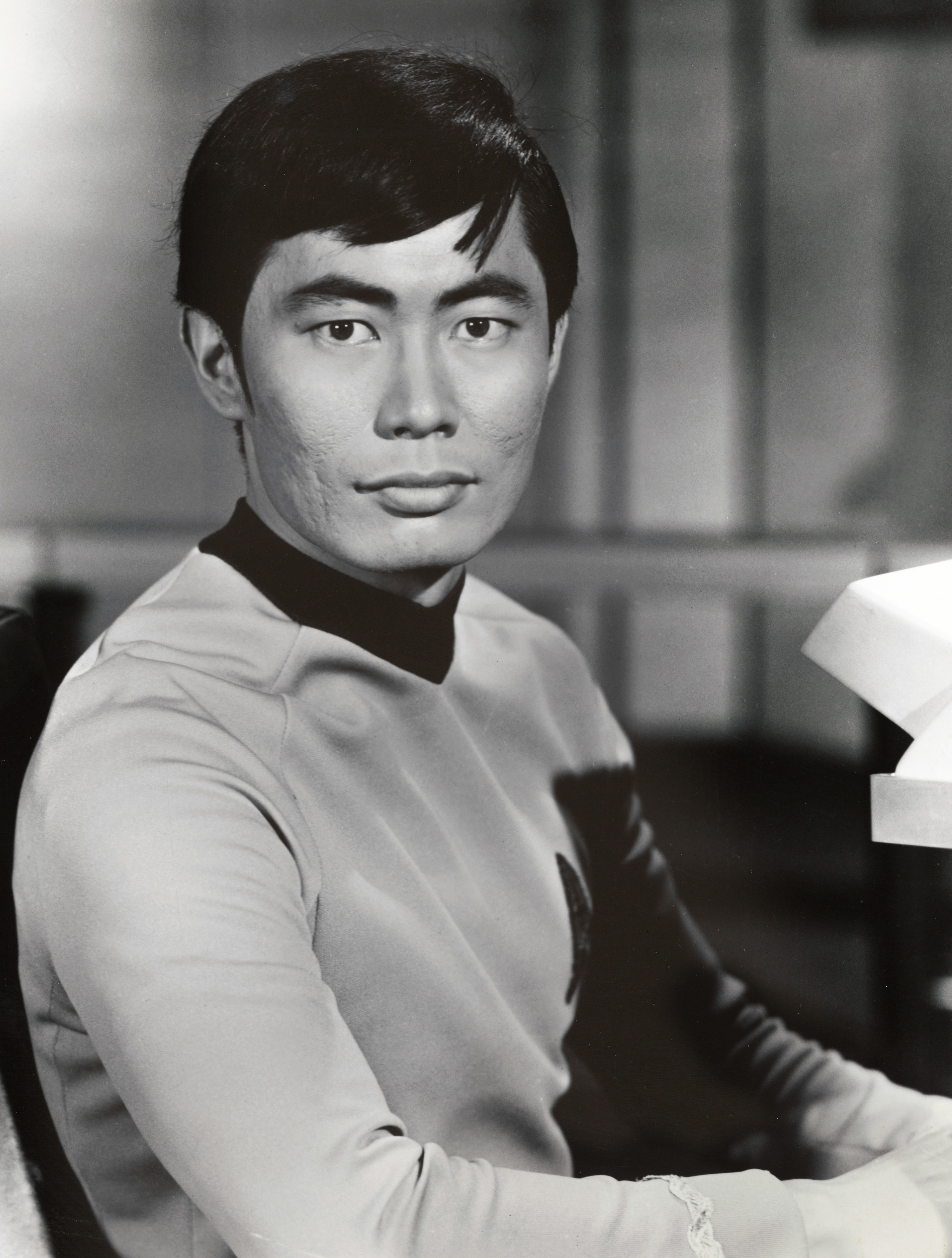
Hikaru Sulu, played by George Takei, brought calm competence and occasional flashes of wonderful strangeness. Give Sulu a sword, as “The Naked Time” does, and suddenly the helmsman has an inner swashbuckler. James Doohan’s Scotty is the engineer as miracle worker, equal parts technician, magician, and ship’s loyal priest. If Kirk commands the Enterprise, Scotty understands its moods. He talks about the ship less like a machine than like a difficult old friend.

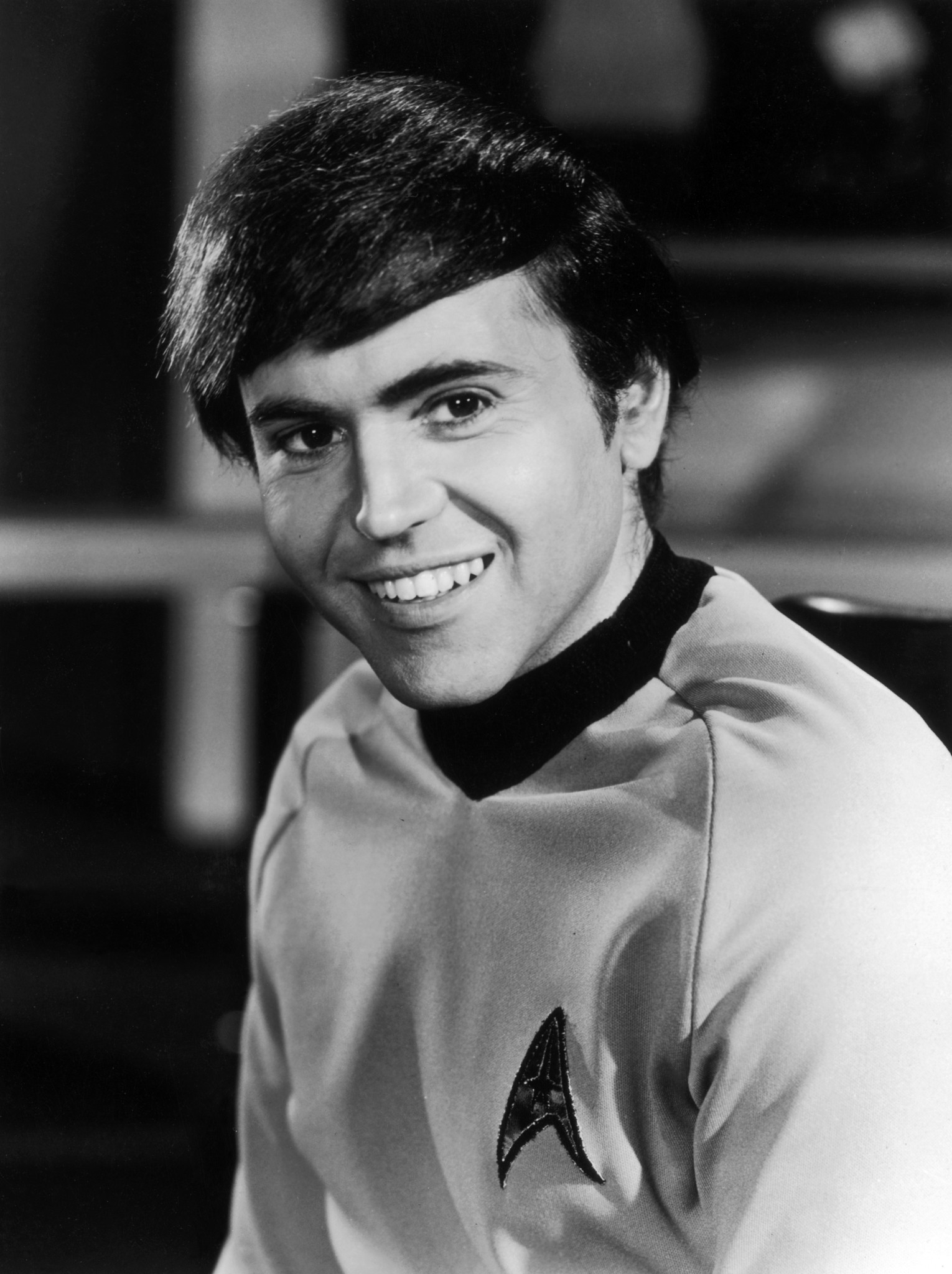
Walter Koenig’s Chekov arrives in the second season as a young Russian navigator, which is not a small thing in a Cold War context. The accent is broad. The hair is very much of its moment. But the character’s presence quietly reinforces one of Star Trek’s most optimistic assumptions: that the future is not an American military fantasy, even when the show itself often cannot escape American assumptions. The bridge is international. Humanity has not eliminated difference. It has found a way to work with it.


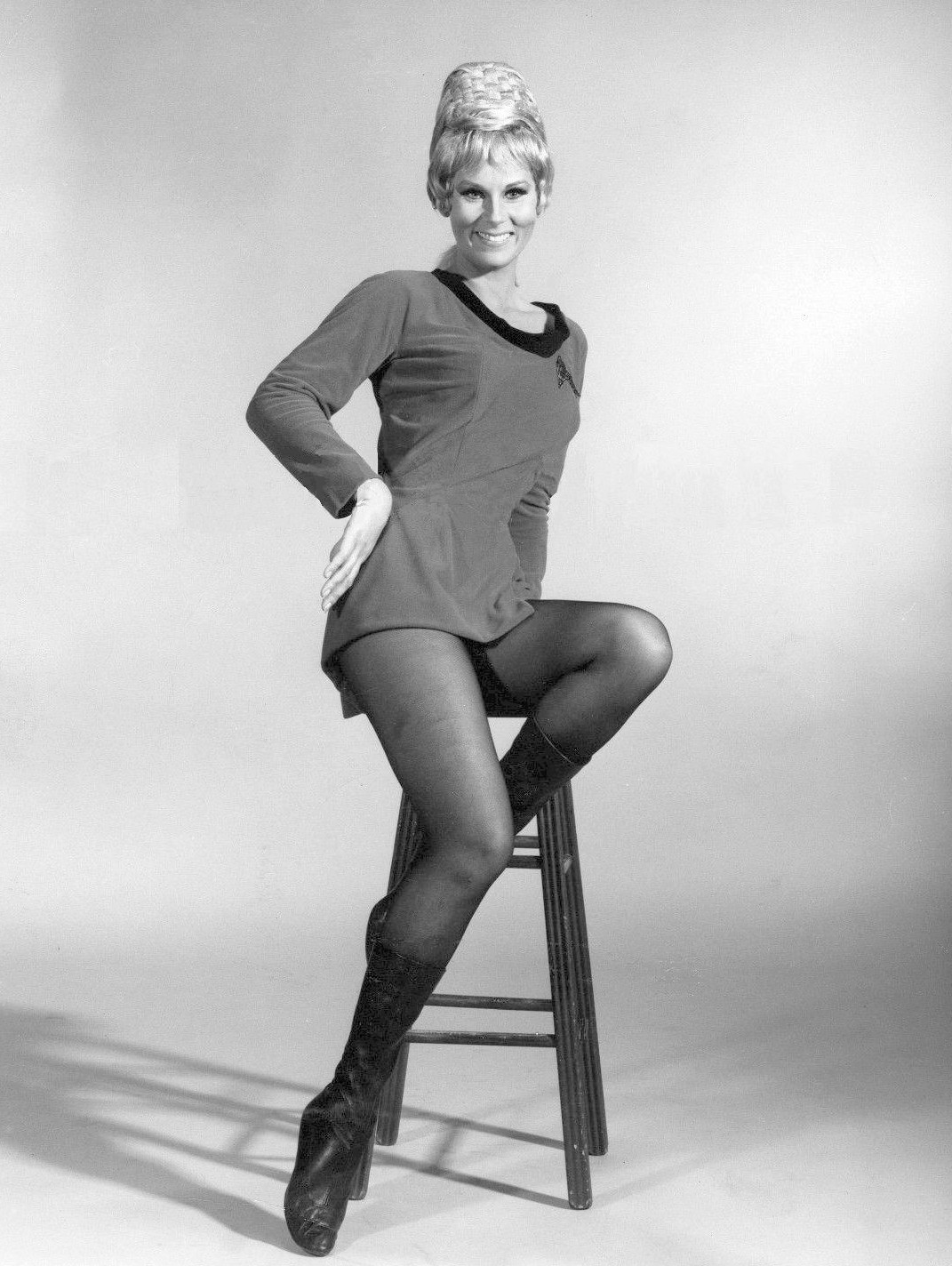
Then there are the figures at the edges: Nurse Chapel, Yeoman Rand, Dr M’Benga, recurring crew, guest officers, doomed specialists, and the many unfortunate souls who beam down wearing the wrong colour. The show’s future is inclusive in concept but uneven in execution. Women are present and capable, but too often framed through the gender habits of 1960s television. The series imagines a better world, then sometimes drags old furniture into it. That contradiction is part of watching it now. You admire the reach. You notice the limits. Both are true.
The Sixties, Wearing Starfleet Uniforms
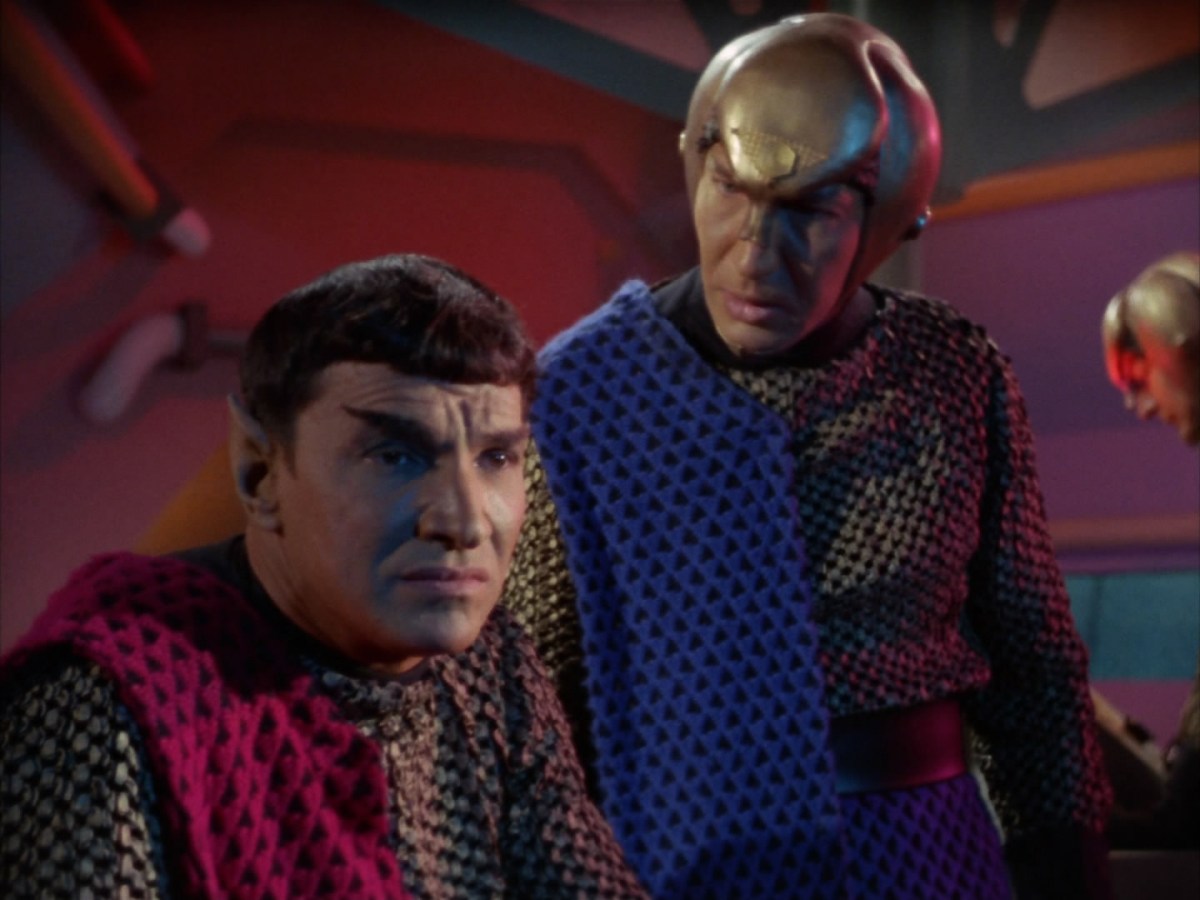
The older I get, the more obvious it becomes that Star Trek was never really escaping the 1960s. It was processing them. Cold War anxiety runs through the show: stand-offs, enemy empires, neutral zones, mutually assured destruction with better lighting. “Balance of Terror” is practically a submarine war film in space, with the Romulans introduced not as monsters but as disciplined enemies whose resemblance to Vulcans complicates prejudice and fear. The episode works because it understands that war is not always a matter of evil people wanting evil things. Sometimes it is procedure, suspicion, history, and one bad decision away from catastrophe.

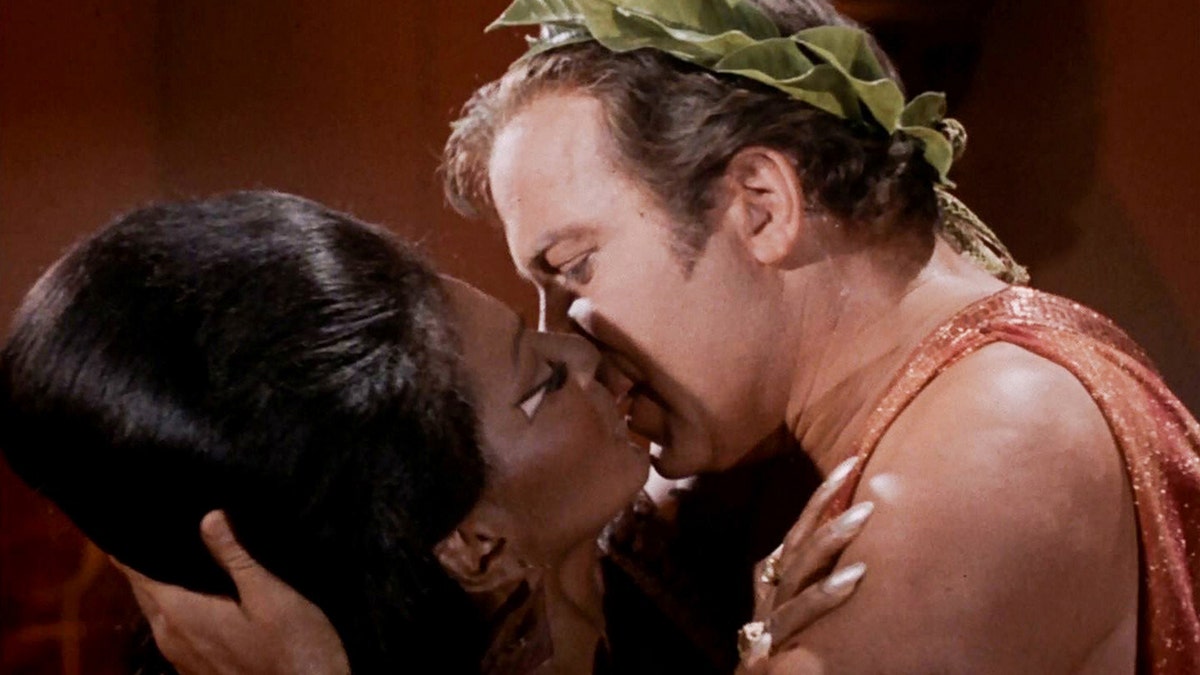
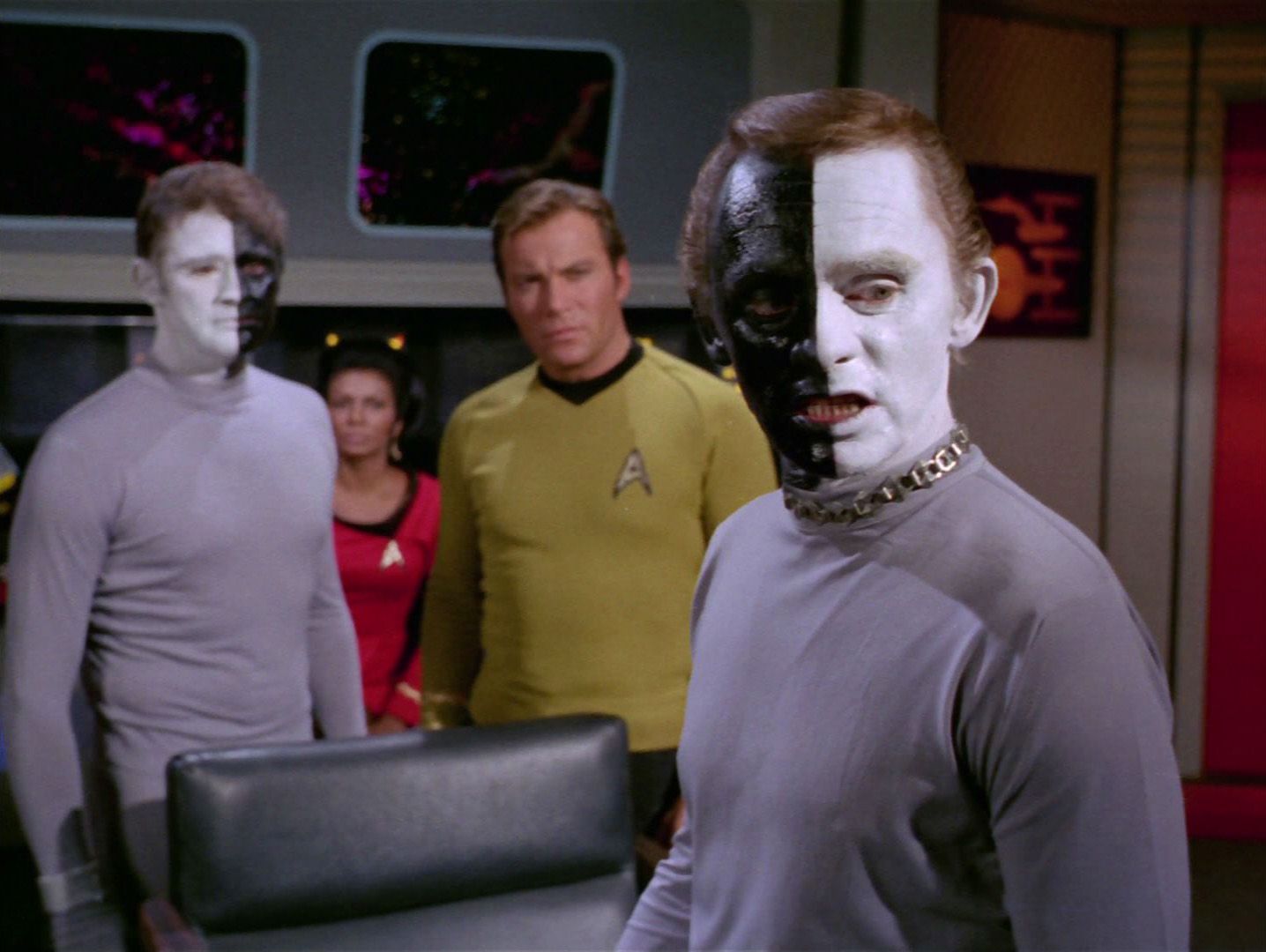
Race appears in more direct allegory, sometimes powerfully, sometimes clumsily. “Let That Be Your Last Battlefield,” with its black-and-white divided faces, is almost comically unsubtle, but subtlety was not always the point. The show was speaking to a mass audience during a period when civil rights, segregation, and interracial marriage were not abstract debates. The famous Kirk-Uhura kiss in “Plato’s Stepchildren” is strange within the episode’s plot, but culturally it became larger than the story around it. Television images matter because they enter homes before people are ready to talk about them honestly.

Vietnam-era questions echo in episodes about intervention, proxy conflict, and the ethics of imposing one civilisation’s values on another. The Prime Directive, though inconsistently applied, becomes one of Star Trek’s great moral devices because it forces the franchise to ask whether good intentions are enough. Often, Kirk behaves like a man who respects non-interference until interference seems morally necessary. Later series would interrogate that more rigorously. TOS tends to resolve things in 50 minutes and a captain’s log. Still, the seed is there.

And then there is the space race. This was a show made when actual astronauts were turning space from dream into engineering problem. Star Trek did not predict NASA so much as mythologise the feeling around it. It imagined that exploration might not only be national competition or military advantage, but a mature species going outward because curiosity had survived its adolescence. That idea still has pull. Especially now, when so much of the future feels privately owned, algorithmically sorted, climate-threatened, or simply expensive.
The Episodes That Still Have Teeth
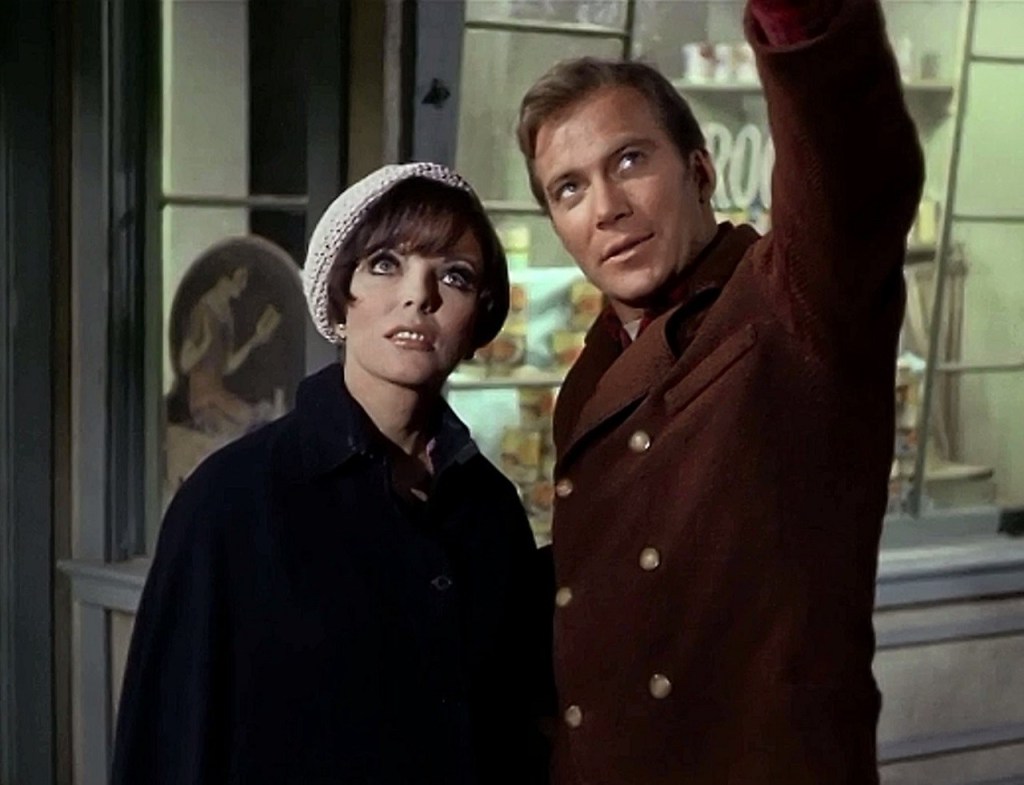
Some episodes of The Original Series remain remarkably strong, not because they are perfect, but because they still have teeth. “The City on the Edge of Forever” is usually treated as sacred text, and for good reason. It gives Kirk a cruel moral problem disguised as romance and time travel. Save the woman he loves, and history collapses. Let her die, and the future survives. It is one of the clearest examples of the series understanding that heroism is not always rescue. Sometimes heroism is standing still when every human instinct says move.

“Balance of Terror” remains tense because it is built on discipline. Two commanders, two ships, limited information, enormous consequences. It makes the enemy intelligent, honourable, and doomed. That is usually better drama than simple villainy.

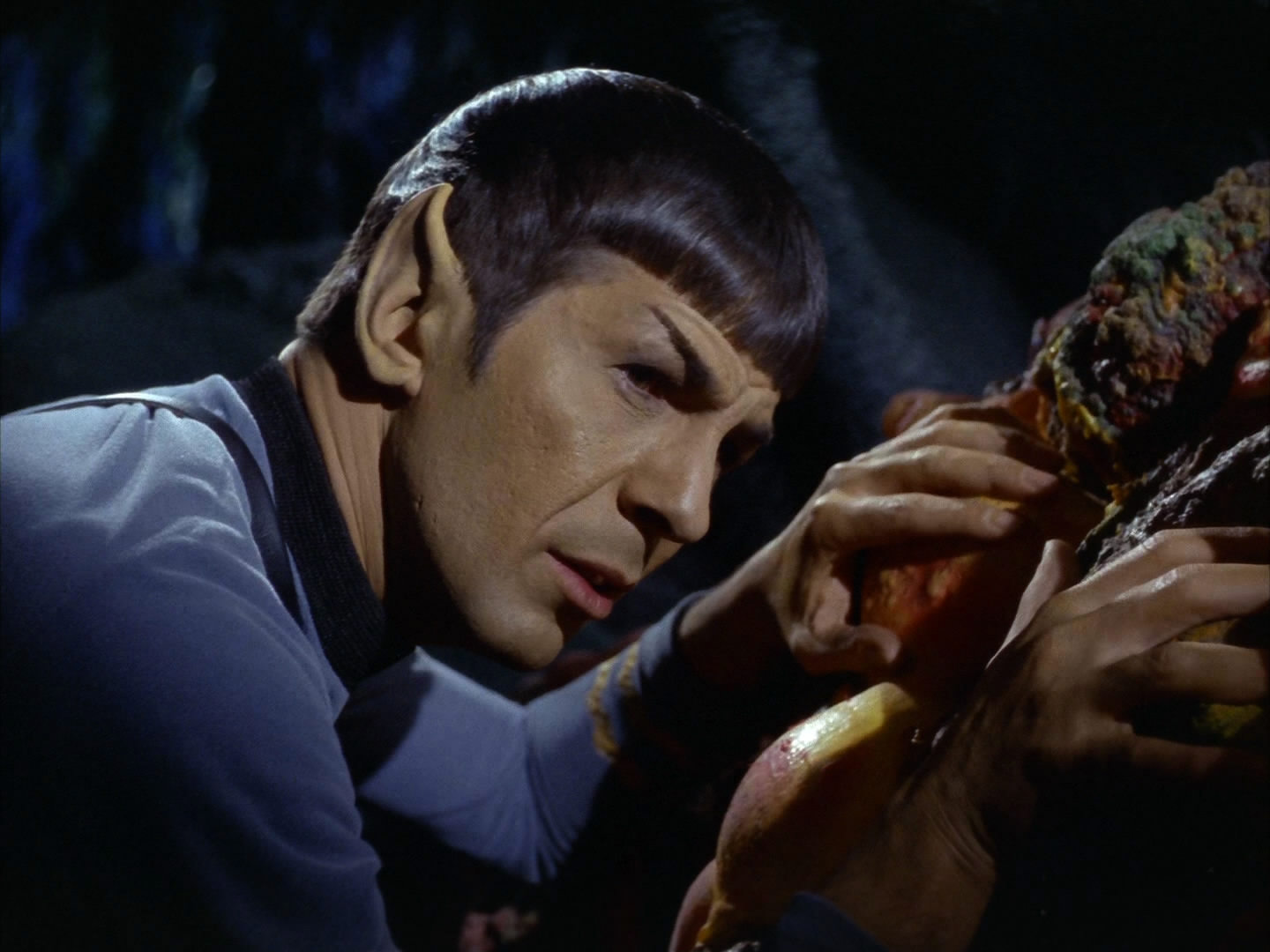
“The Devil in the Dark” is one of the purest Star Trek stories: the monster is not a monster, the miners are not simply villains, and the solution requires empathy across forms of life so different that misunderstanding seems inevitable. It is easy to talk about tolerance in human terms. Harder, and more science-fictional, to ask whether you can recognise pain in something that looks like a crawling rock pancake. Somehow the episode does exactly that.

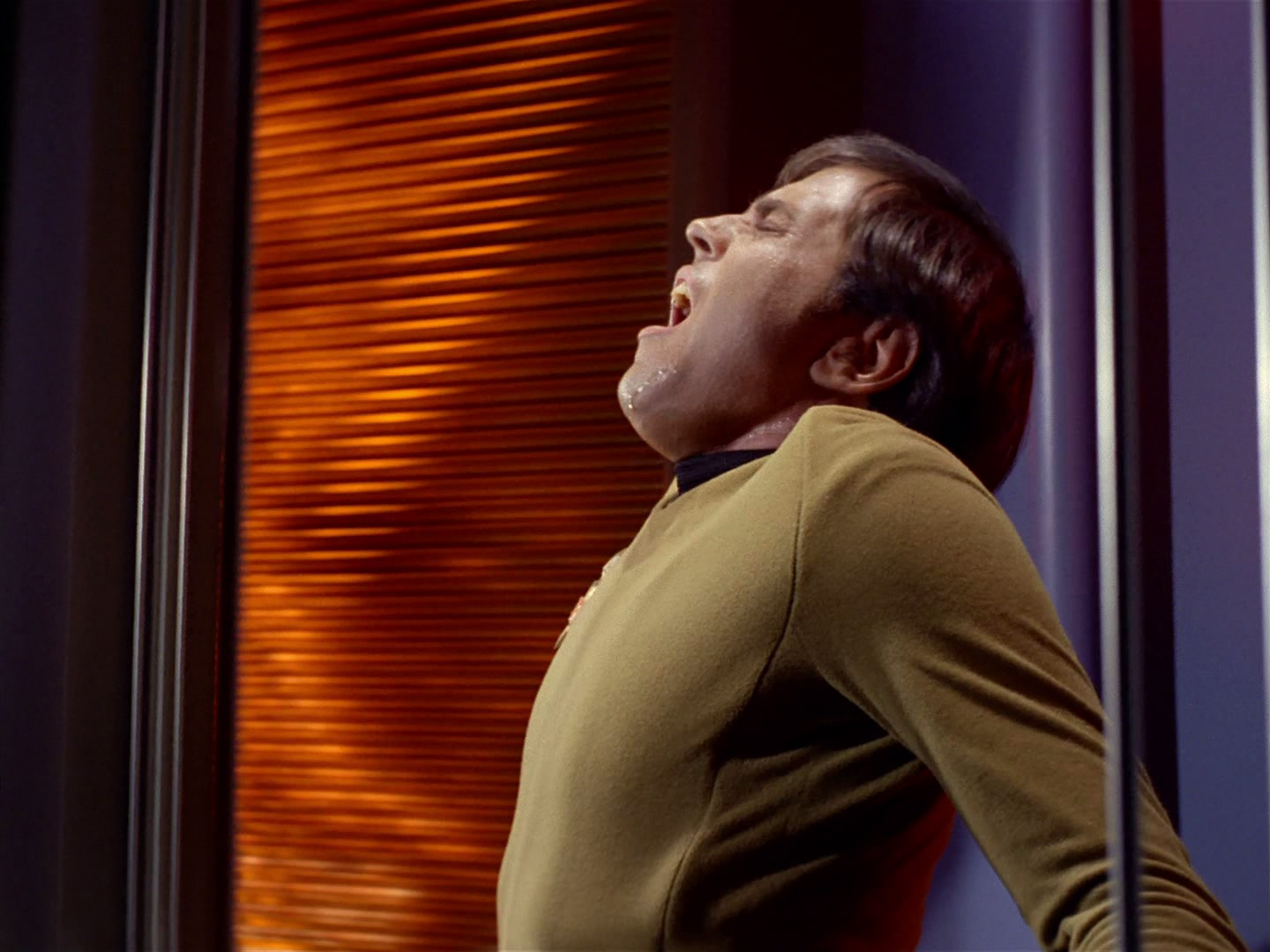
“Amok Time” deepens Vulcan culture and turns Spock’s controlled exterior into a biological emergency. “Mirror, Mirror” gives us the goatee universe, yes, but also a dark reflection of power without ethics. “Space Seed” introduces Khan, whose later return in The Wrath of Khan would become one of the franchise’s defining moments. “The Trouble with Tribbles” proves the show could be funny without losing its identity. The tribbles are absurd, but the episode works because everyone plays the absurdity with just enough seriousness.


Not every episode holds. Some are slow. Some are sexist in that very 1960s way where the future apparently includes warp drive but not a full escape from workplace lechery. Some allegories arrive wearing cymbals and crash them beside your head. And yes, there are episodes one rewatches with the patient affection usually reserved for an old relative telling a story badly. But even the weaker episodes often contain a concept, an image, or an argument that later Star Trek would revisit with more money and more time.
Video: CBS clip from ‘The City on the Edge of Forever’, one of the series’ finest moral dilemmas.
A Future Made of Plywood, Paint and Coloured Plastic
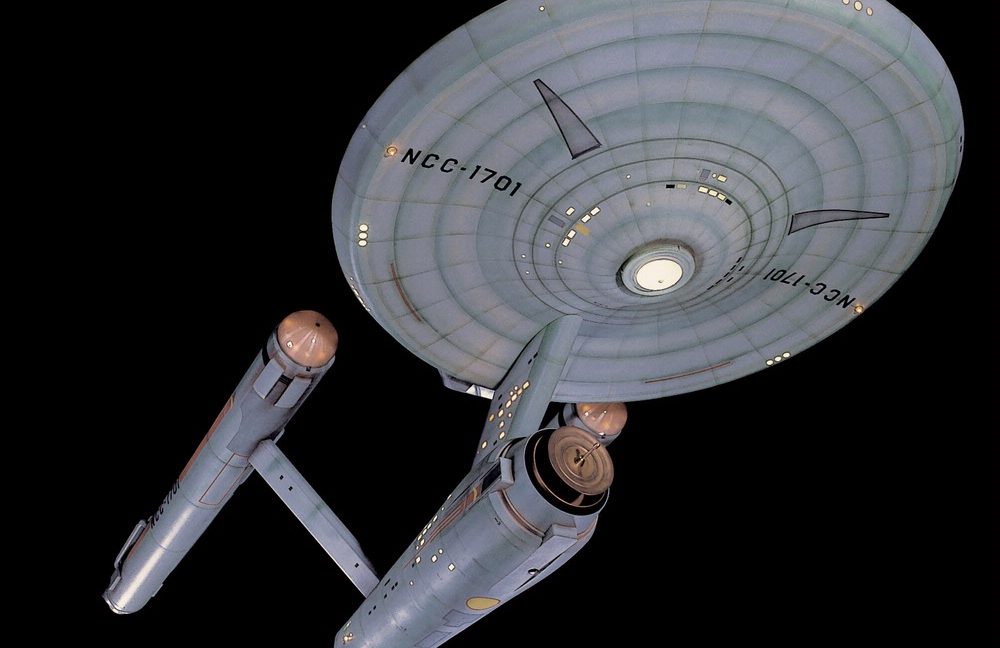
There is something beautiful about the visual economy of TOS. Not beautiful in the sleek, expensive sense. Beautiful in the practical, theatrical, make-the-future-out-of-plywood sense. The Enterprise is elegant because it is simple. A saucer. A body. Two nacelles. It has the confidence of an icon because a child can draw it, which may be one of the underrated tests of design. The communicators flip open. The tricorders hang from straps. The phasers look like props, yes, but they also look like ideas waiting for industrial design to catch up.

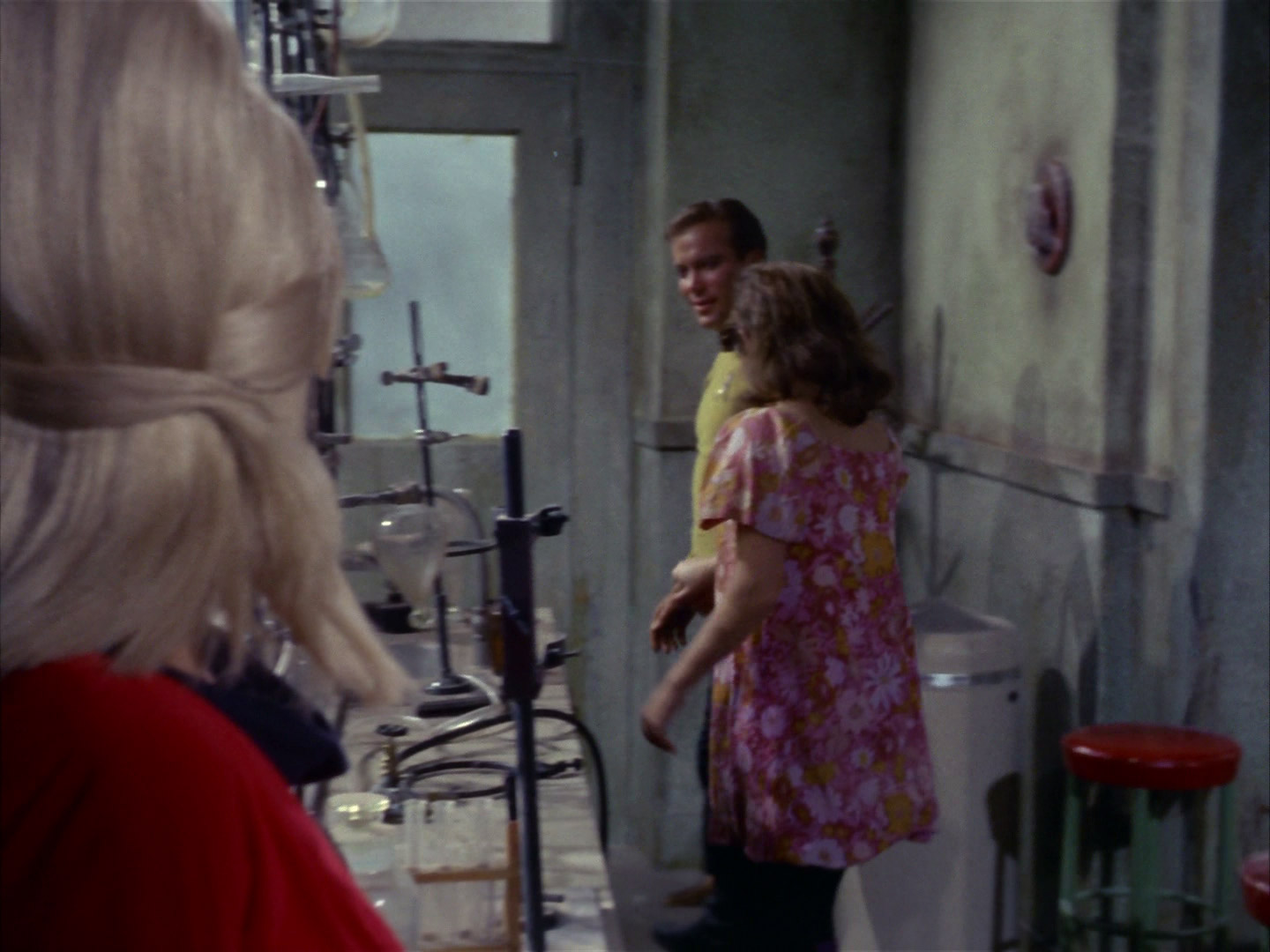
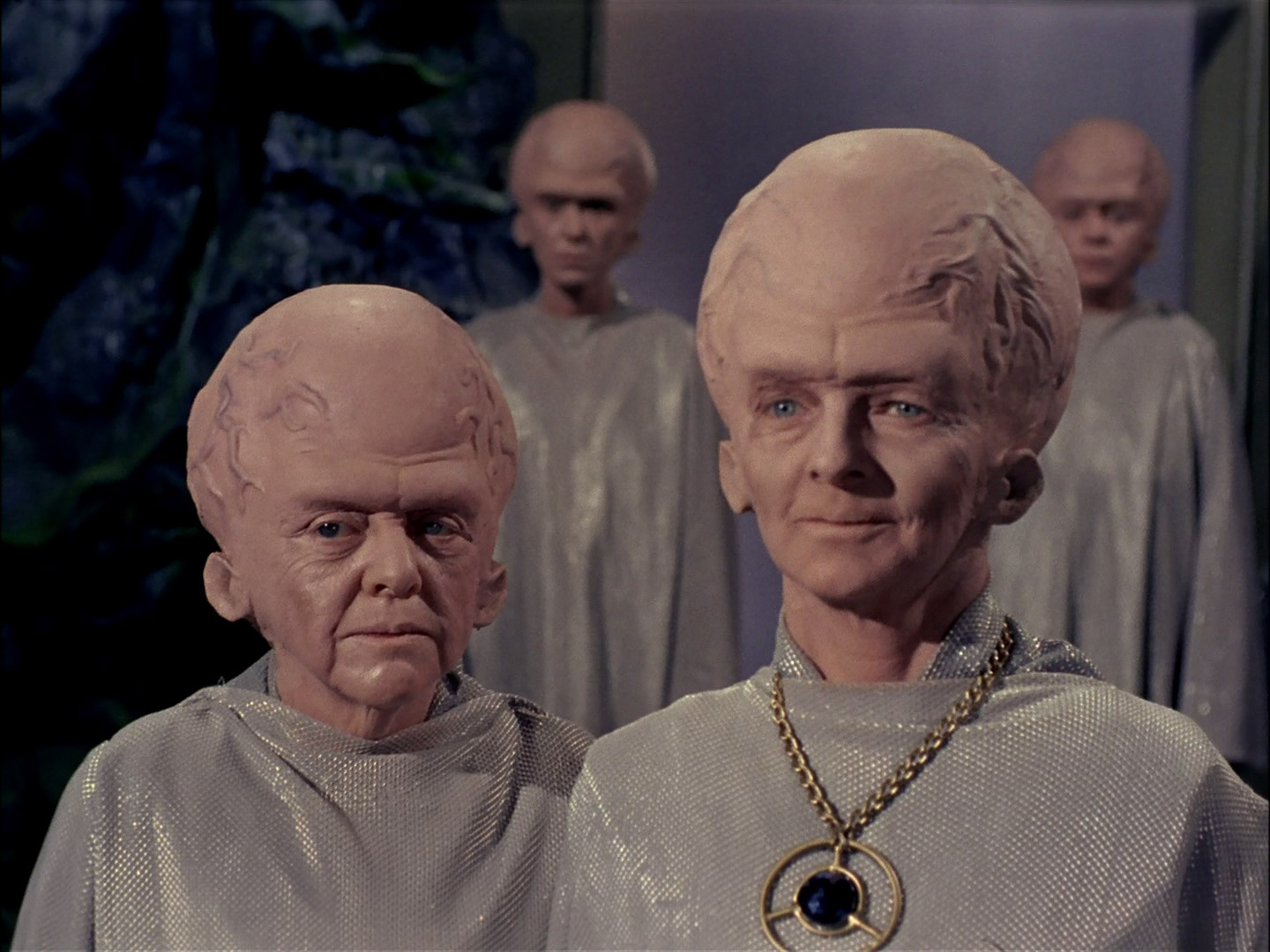
The aliens are a mixture of brilliance, budget, and optimism. Vulcan ears. Klingon facial hair before the forehead ridges arrived. Romulan helmets. Gorn rubber. Horta carpet-rock melancholy. Sometimes the makeup is doing heavy symbolic lifting. Sometimes the lighting is doing more work than the script. But the show’s visual language lodged itself in culture because it was clear, repeatable, and memorable.


The remastered versions complicate this. On streaming, many people encounter TOS with updated visual effects, cleaner ships, polished planets, and smoother space shots. I understand the appeal. The remasters can make the show easier for modern eyes. But part of me remains loyal to the original effects, not out of purism exactly, but because the limitations are part of the artefact. The old Enterprise model carries the physical evidence of people trying to make the impossible visible using the tools they had. There is craft in that. There is charm in the slight wobble. Maybe that is nostalgia talking. Fine. Nostalgia is not always a liar. Sometimes it simply remembers the fingerprints.
What I Missed as a Child
As a child, I saw adventure. As an adult, I see a show arguing with despair. That may sound heavy for a series with space hippies, rubber monsters, and alien women in glittering fabric, but underneath the unevenness is a persistent belief that humanity can improve. Not automatically. Not without failure. Not without hypocrisy. But improve.
This is the part I did not fully absorb in the 80s. I liked the ships and aliens because they were ships and aliens. I liked space because it looked like escape. What I understand now is that Star Trek was not only offering escape. It was offering a standard to measure ourselves against. A future where knowledge matters. Where diversity is normalised, even if imperfectly. Where violence is sometimes necessary but rarely celebrated as the first or best answer. Where the unknown is frightening, but also worthy of approach.

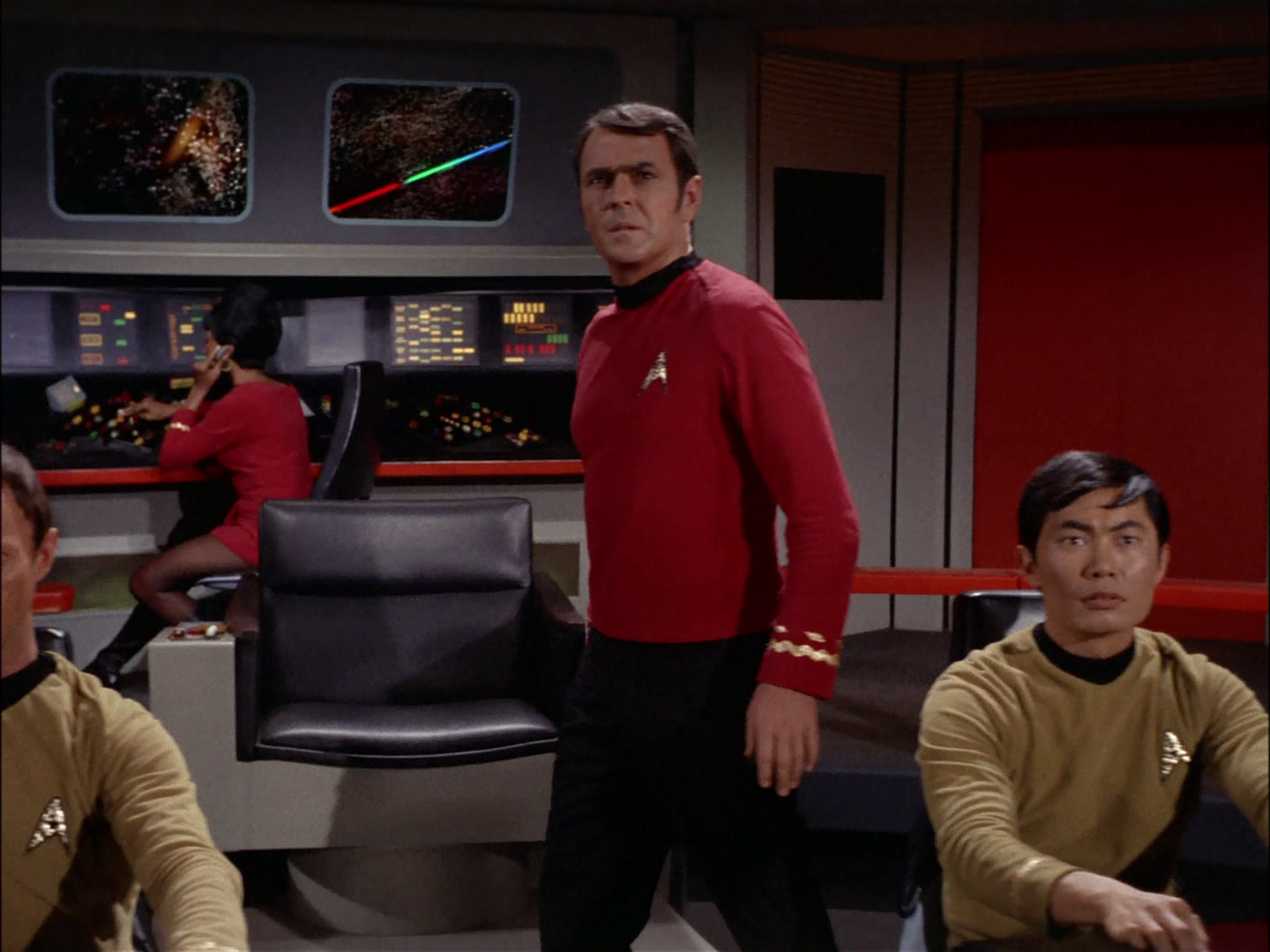
The show’s optimism feels different now. In childhood, optimism is just the air you breathe because you have not yet had enough time to doubt it. In adulthood, optimism becomes a decision, and occasionally a stubborn one. TOS is full of that stubbornness. It insists, sometimes naively, that we might still become better than our current evidence suggests. That is probably why the show has aged in such an uneven but compelling way. Its surfaces are old. Its hope remains inconveniently alive.
The Strange Comfort of Episodic Television
Modern television often wants to be a long novel. TOS belongs to an older rhythm. It is episodic. A problem appears. The ship responds. The moral question sharpens. The episode ends. The Enterprise moves on.
There is comfort in that structure. Not because the stories are simplistic, though some are, but because the format imagines continuity through return. Whatever happens, the ship keeps travelling. The mission continues. The crew absorbs the week’s trauma with remarkable speed, which is not psychologically realistic but is emotionally useful. We return to the bridge because the bridge returns to itself.

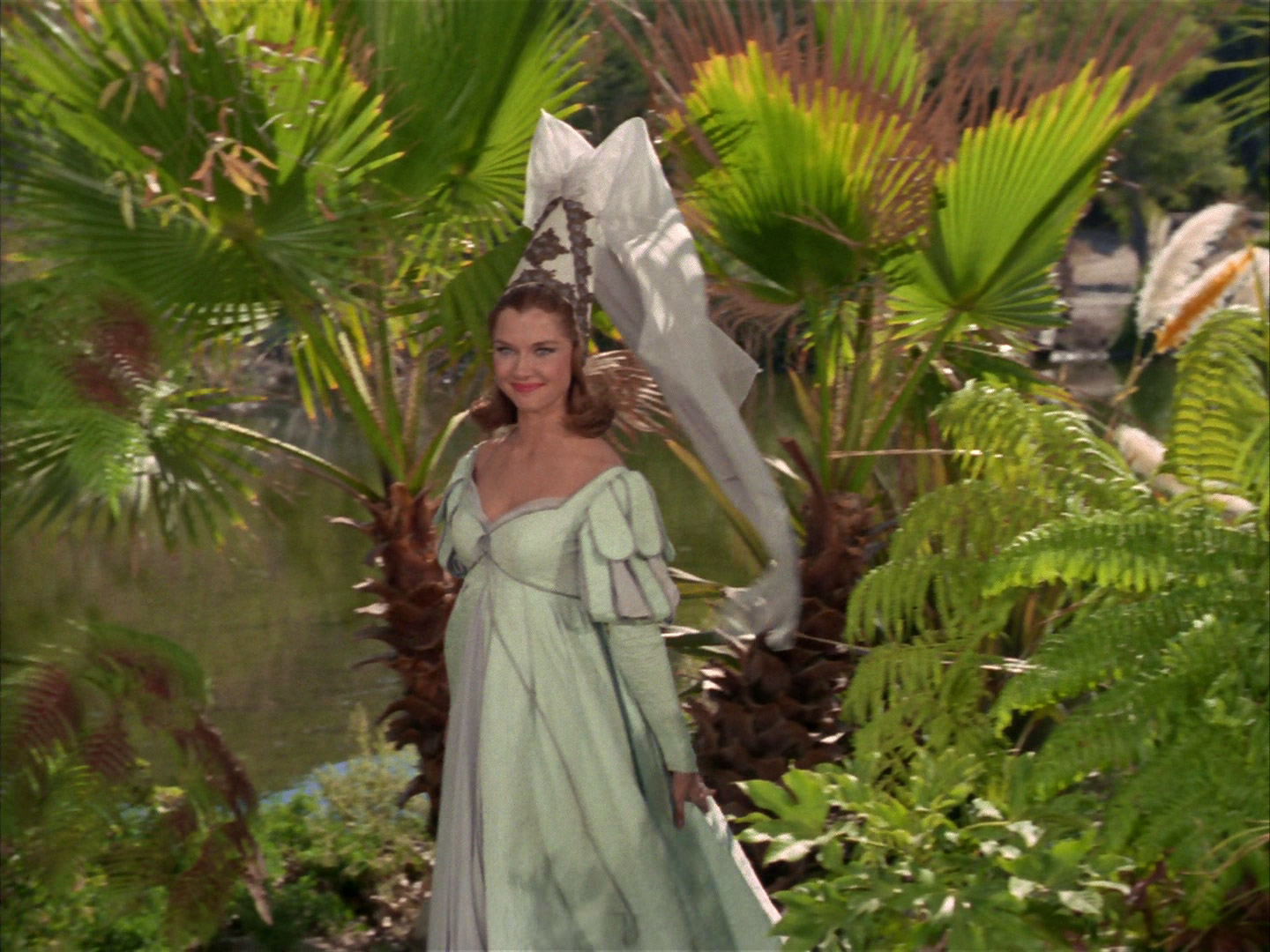
This is probably why reruns worked so well. You did not need to see every episode in order. The show was built to be entered at almost any point. You could stumble into a planet, a crisis, a debate, a fistfight, a kiss, a computer meltdown. Then next week, or whenever local television decided next week was, the Enterprise would be somewhere else. Streaming gives us completion, but reruns gave us mythology. The gaps made the world feel larger. You never quite had all of it, so it kept expanding in the imagination.
Ahead of Its Time, Trapped in Its Own
People often say Star Trek was ahead of its time, and in some ways it was. But that phrase can flatten things. A show can be ahead of its time in one direction and trapped in its time in another.
TOS imagined a multi-ethnic, multinational crew at a time when American television was still timid about representation. It gave dignity to science, diplomacy, and intellectual life. It offered an alternative to apocalypse during a century obsessed with the possibility of nuclear self-destruction. These were not small gestures.

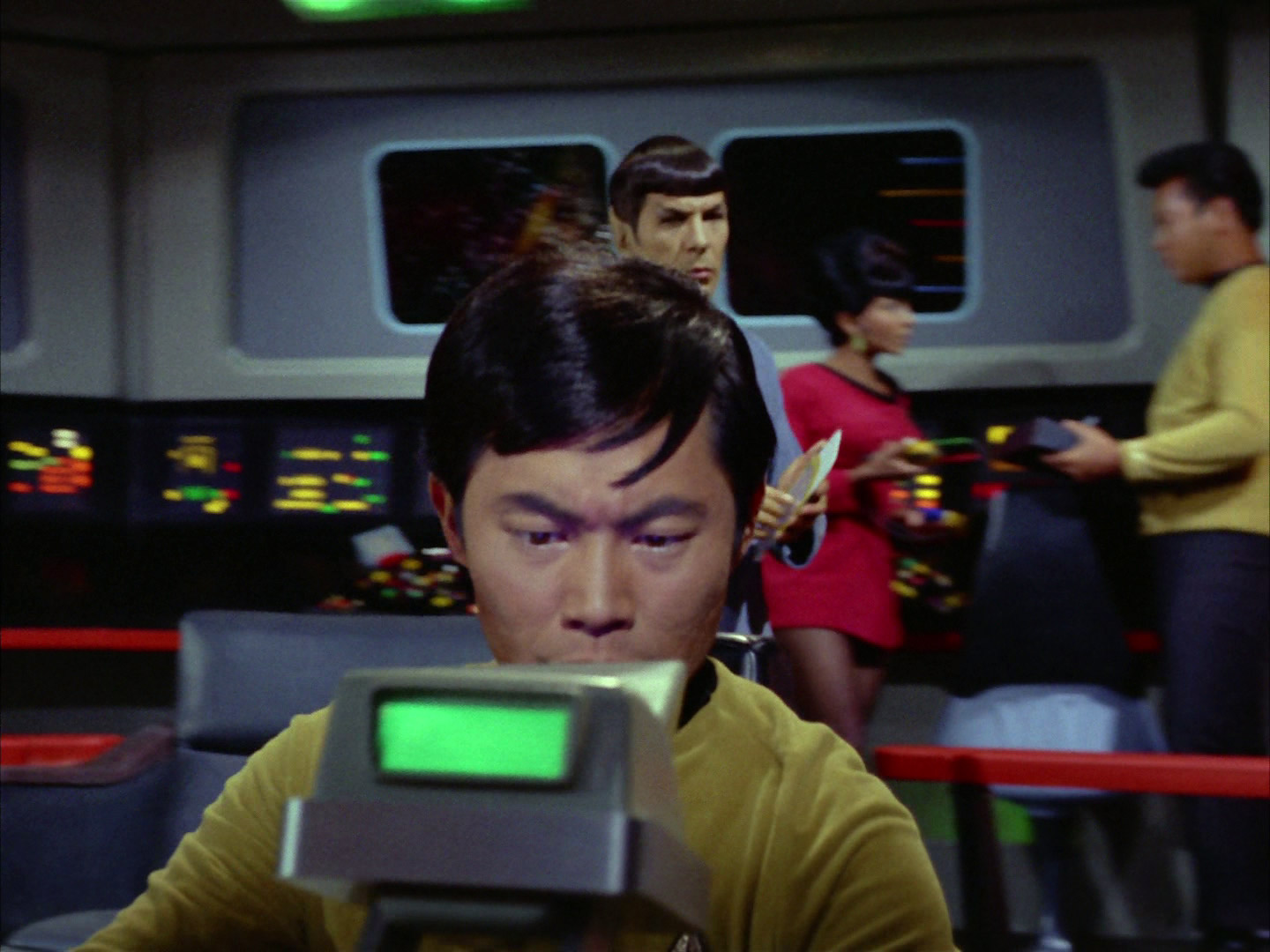
But it also carried the sexism of its era. Women were often written as temptations, assistants, emotional complications, or tragic figures. The miniskirt uniforms are iconic, and some actors have defended them as liberating for the time, but from here they still sit inside a male gaze that the show rarely interrogates. Colonised and Indigenous-coded societies are sometimes handled with more confidence than care. Alien cultures occasionally become convenient costumes for Earthly lessons.
That does not erase the show’s achievements. It makes them more human. TOS is not a pure object. It is an argument from inside history, not outside it. Its flaws are part of the record. Rewatching it honestly means allowing admiration and irritation to sit in the same room. That feels fair. Most old things worth keeping require some negotiation.
Why These People Still Matter
The original crew matters because they became archetypes without fully becoming statues. Kirk, Spock, McCoy, Uhura, Sulu, Scotty, Chekov — they are simple enough to be iconic, but textured enough to survive revisiting. Kirk is command. Spock is reason. McCoy is conscience. Uhura is connection. Sulu is control. Scotty is craft.
Chekov is youth and possibility. Together, they form one of television’s most durable collective images: a group of people from different backgrounds sitting together in the future, doing competent work under pressure. That may sound modest, but it is not. Competence is an underrated fantasy. So is cooperation.

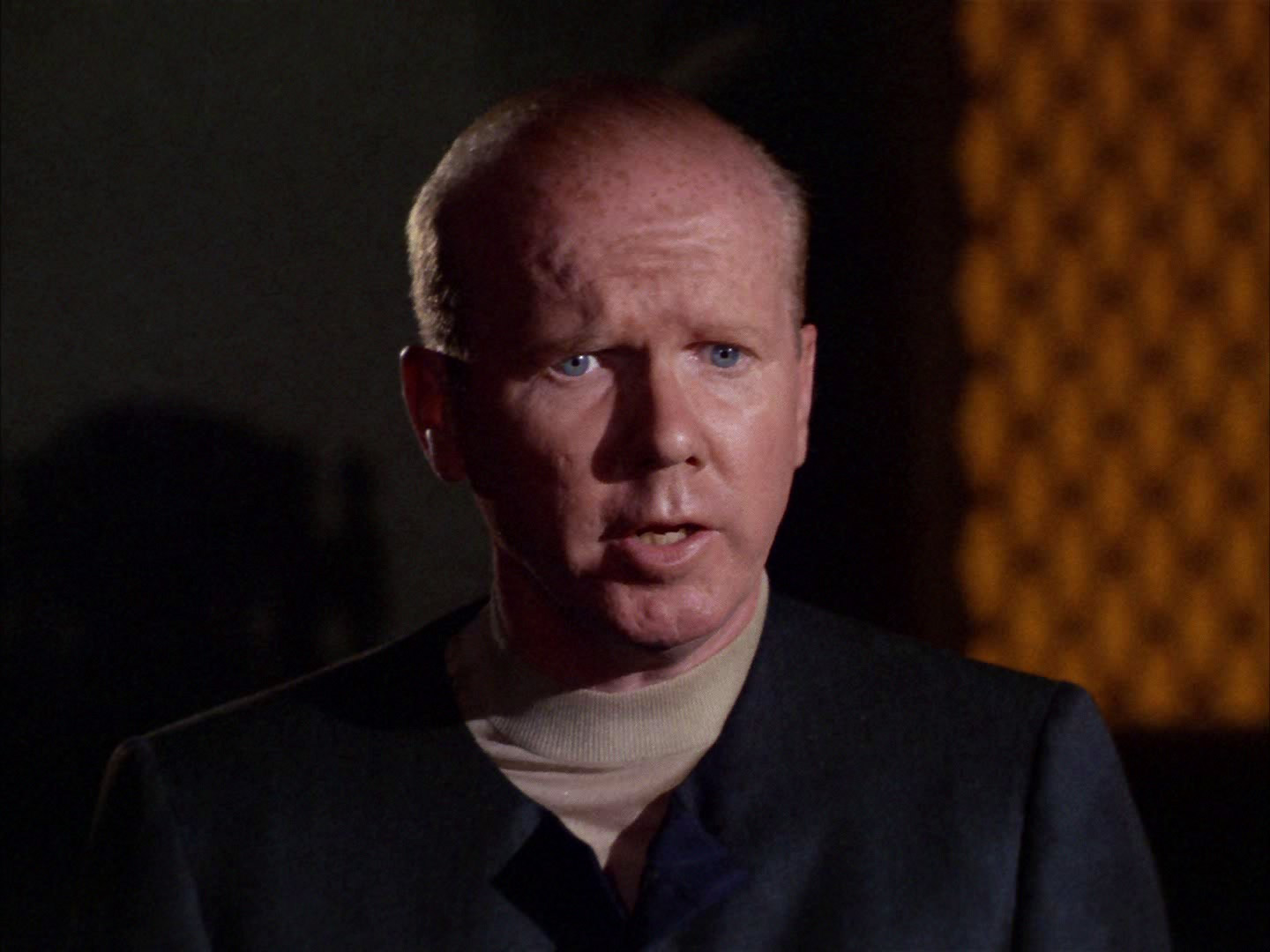
The Enterprise crew is not a family in the sentimental sense. It is more like a working shipboard community, and perhaps that is why it lasts. Families on television can become sticky. Workplaces can become cynical. The Enterprise is something else: a shared mission. The characters do not all need to be best friends. They need to trust each other with the ship. That is still moving.
The Rerun That Refused to Stay Dead
There is a great irony in the fact that Star Trek failed before it conquered. It was cancelled after three seasons because, at the time, it was not enough of a hit. Then syndication did what original broadcast could not. Reruns found the audience. Fans organised, wrote letters, made zines, built conventions, argued, imagined, and kept the thing alive until the entertainment industry had to recognise what it had.
That afterlife is part of the show’s identity. Star Trek did not simply become popular from the top down. It was preserved from below. Viewers kept returning to it. The show’s future was built by people who refused to treat cancellation as the final word. There is something wonderfully appropriate about that. A series about a hopeful future survived because people hoped for its future.


Its influence eventually reached beyond television. Nichelle Nichols’ work with NASA recruitment is one of the most concrete examples of representation moving from screen to reality. The naming of the Space Shuttle Enterprise after a fan campaign is another. These things can sound like trivia until you sit with them. A fictional starship helped shape the language and symbolism of actual space exploration. That is not nothing. Most shows disappear. This one got a shuttle.
Rewatching It After the Franchise Became Enormous
Coming back to TOS after knowing the later franchise is a strange experience. If The Next Generation was my gateway, TOS now feels like visiting the old family house: smaller than expected, stranger than remembered, full of things later generations renovated, expanded, or quietly tried to forget.
Later Star Trek often feels more refined. The Next Generation gives the utopian ideal more philosophical structure. Deep Space Nine complicates the politics and asks what happens when paradise has borders. Voyager turns home into myth. Enterprise looks backward from the future, making space feel clunkier and more dangerous again. The newer shows add trauma, serialisation, and modern production scale.

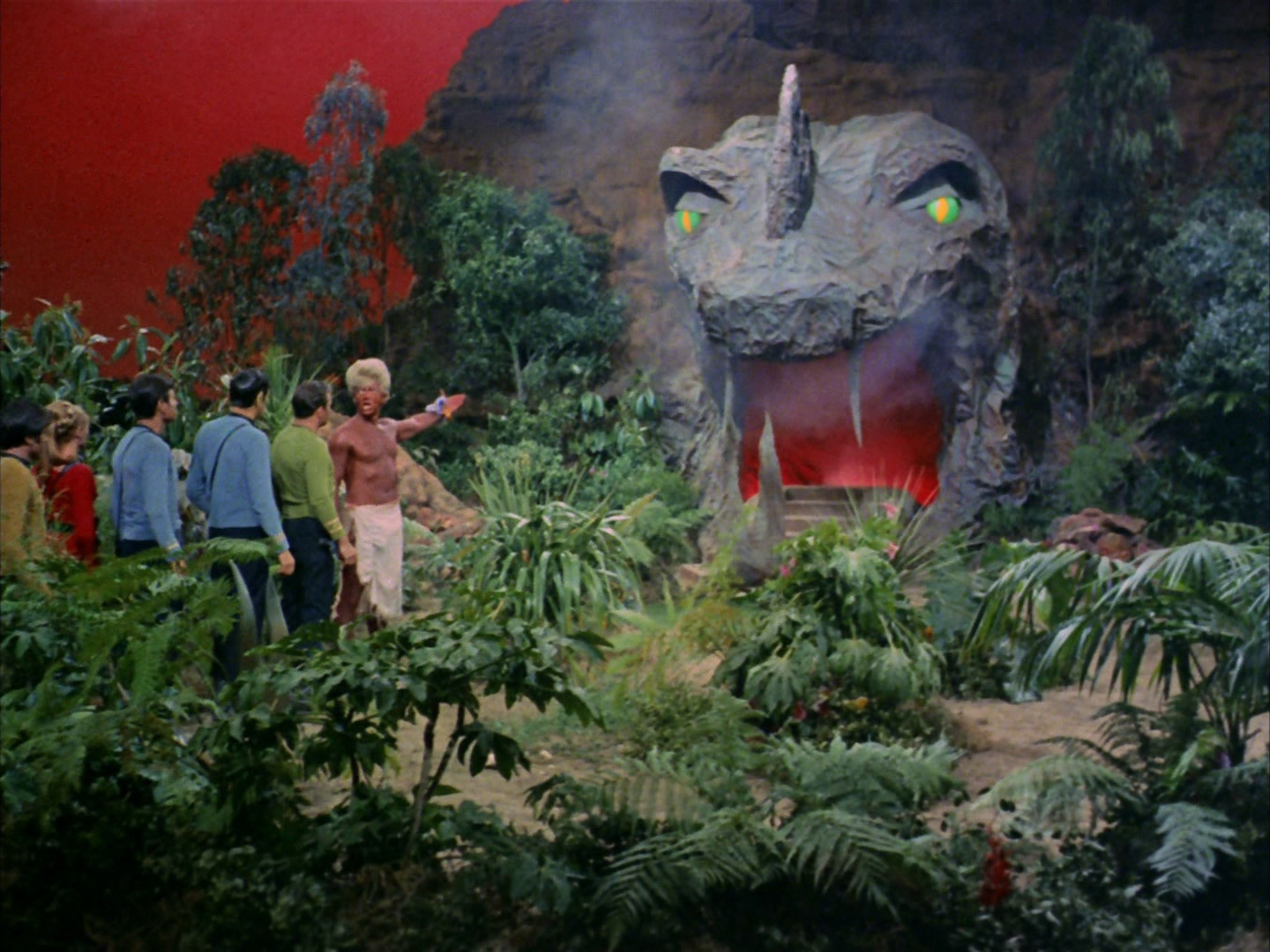
But TOS has something none of the later shows can replicate: the shock of invention. It is making the grammar as it goes. Sometimes it contradicts itself because the rulebook has not been written. Sometimes the Federation seems fully formed; sometimes it feels like an idea still under construction. Sometimes Vulcan culture is profound; sometimes it is whatever the episode needs that week. There is a looseness that later canon cannot easily allow. That looseness is part of its energy. TOS is not yet museum property. It is a workshop. You can see the pencil marks.
A Child’s Show That Was Never Only for Children
I sometimes wonder what exactly I was responding to as a child. It could not have been the Cold War allegory. It was probably not the ethics of non-interference. It was not even the character triangle in any conscious way.
Maybe I responded to the invitation. The opening narration is still one of the great invitations in television. Space. Final frontier. Five-year mission. Strange new worlds. New life. New civilisations. Boldly going. It is direct, almost ceremonial. It tells you the show’s moral geography before the episode begins. We are going outward. We are not merely conquering. We are seeking.
That distinction matters. A lot of adventure stories are about taking. Taking land, treasure, victory, revenge. Star Trek, at its best, is about encountering. The difference is not always clean. The show sometimes slips into conquest language despite itself. But the aspiration is there: meet the unknown, do not immediately destroy it, and maybe learn enough to return changed. For a child, that might translate simply as wonder. For an adult, it feels like discipline.
The Future as a Moral Exercise
Science fiction dates quickly when it guesses gadgets. It lasts when it builds moral pressure. The communicators look charmingly primitive now, especially after decades of mobile phones. The computers are enormous and strangely conversational. The ship’s controls are often colourful buttons without obvious function. But the moral questions still work because we have not solved them. What do we owe strangers? When is intervention justified? Can enemies recognise themselves in each other before war begins? Is emotion a weakness, or part of wisdom? Can a society become advanced without becoming arrogant? How much difference can a community contain before fear takes over? These are not obsolete questions. Annoyingly, they remain current. That may be the secret of TOS. The future technology aged. The human problems did not.
The Difficult Business of Hope
Hope is unfashionable when it is too clean. We distrust it, and often we should. There is a kind of optimism that is just denial wearing a clean shirt. But Star Trek’s hope, even at its most polished, is not entirely clean. It comes from the 1960s, a decade of astonishing achievement and brutal conflict. Civil rights and assassinations. Moon shots and war footage. Youth culture and political violence. Scientific ambition and nuclear dread. TOS emerges from that contradiction. It does not say the present is fine. It says the present is not the end of the story.
That is why I find it easier to appreciate now. As a child, I liked the show because it looked like space. As an adult, I value it because it argues that humanity might still be worth the trouble. Not because we are naturally noble. The series knows we are often foolish, frightened, tribal, violent, and vain. But it also believes we can learn. We can build institutions better than our impulses. We can put a Russian, a Japanese man, a Black woman, a Scotsman, a Vulcan-human outsider, a grumpy doctor, and a swaggering captain on the same bridge and call that the future. Again: imperfectly imagined. Still potent.
Why I Still Watch
So why does The Original Series still play? Not because every episode is great. It is not. Not because the effects are convincing. They are not, though they have their own handmade charm. Not because the gender politics are painless. They are very much not.
It still plays because the central idea is durable: a ship moving through darkness, carrying people who believe knowledge is better than fear. That image remains powerful. Maybe more powerful now, because darkness feels less theoretical when you are older.
There is also the chemistry. Kirk, Spock, and McCoy remain one of television’s great balances. Uhura, Sulu, Scotty, and Chekov remain underused but unforgettable. The ship remains beautiful. The music still opens some old internal hatch. The transporter effect still feels like a small miracle. The Enterprise still looks right moving across a field of stars.
And beneath all of that, there is the child I was, watching reruns out of order on local television, not knowing the names of episodes, not understanding the production history, not caring whether the rocks looked fake. I just knew there was a ship, and it was going somewhere.
That may have been enough. Now I know more. I know the context. I know the achievements and the limits. I know the way the show was cancelled, revived by fandom, expanded into a franchise, and reinterpreted by generations of viewers. I can see the seams, the ambition, the compromises, the accidents that became mythology. But I still return to that first simple feeling. A ship. Aliens. Space. And somewhere inside all that, a future trying to make contact.
Leave a Reply