
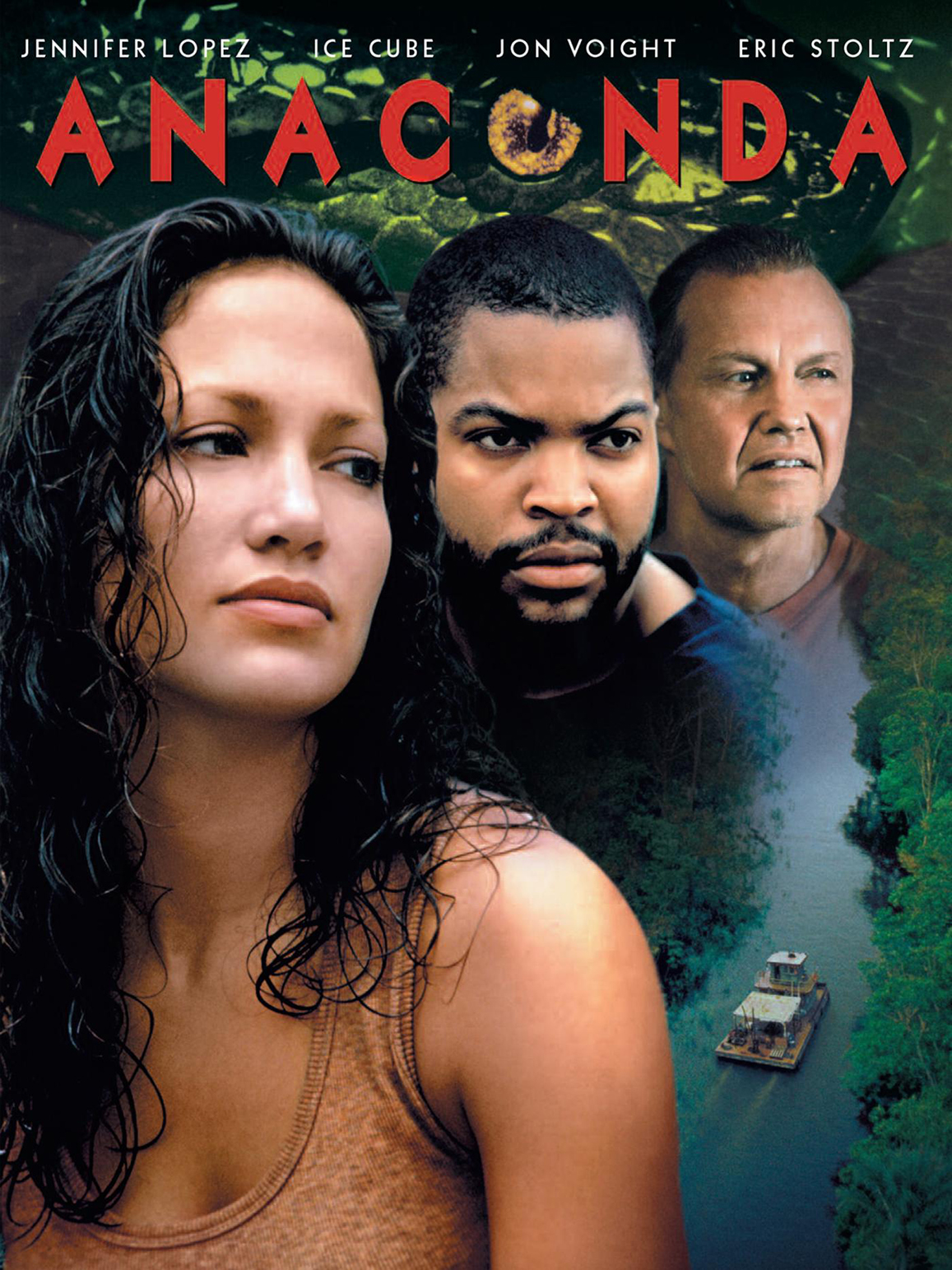

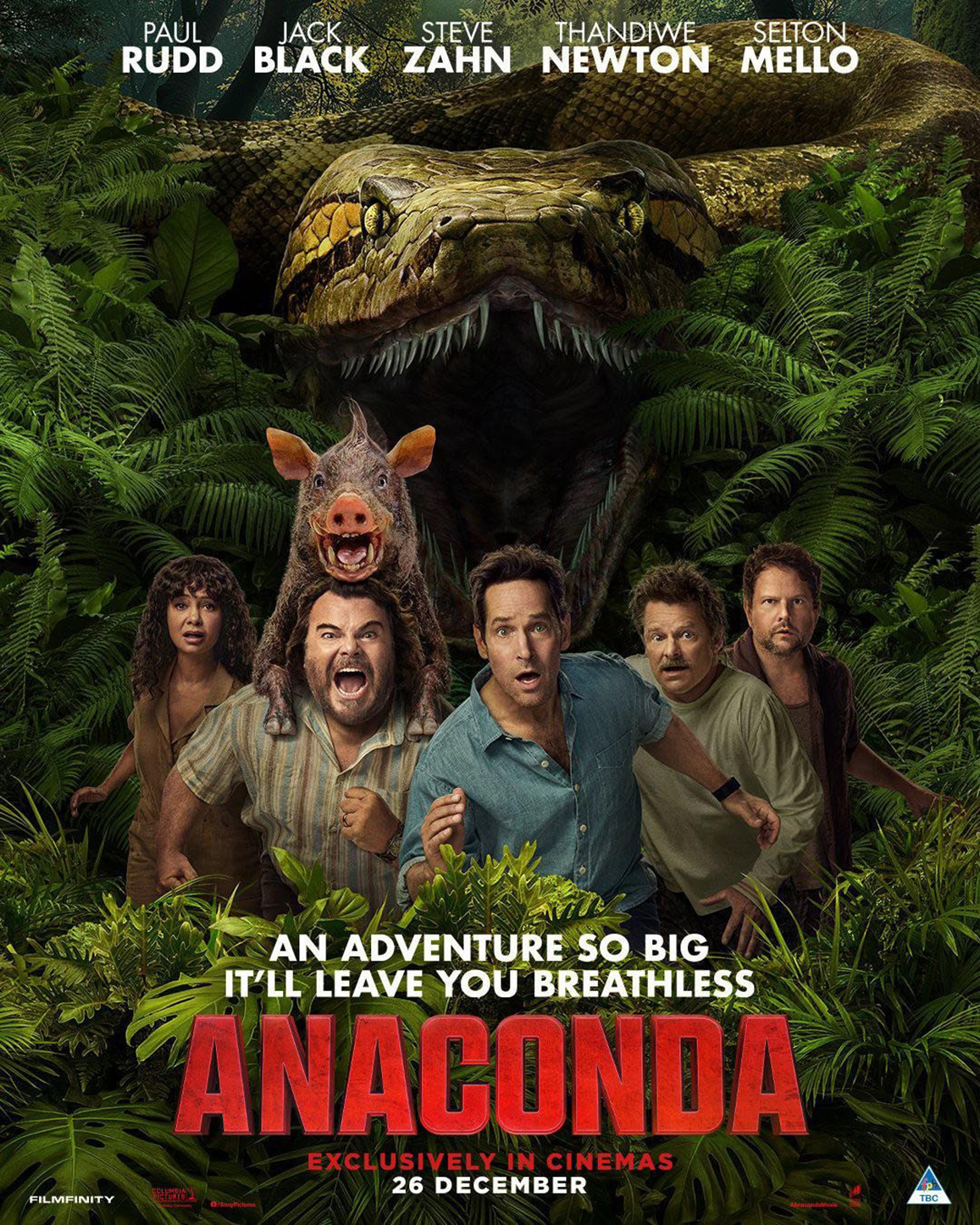
There is something wonderfully circular about going to the cinema on Christmas Day to watch a new Anaconda, then coming home and immediately putting on the 1997 film that started the whole thing. That was how I ended up doing an accidental double feature separated by twenty-eight years: first Tom Gormican’s 2025 comedy, then Luis Llosa’s original creature feature. Somewhere between Jack Black and Paul Rudd trying to remake a film they loved as kids and Jon Voight staring down a giant mechanical snake as though he were in a fever dream, the two films started talking to each other in ways I had not expected.
This is not really a case of deciding which Anaconda is better. They are too different for that, and the newer film rather pointedly insists that it is “not a reboot”. What interested me more was the distance between them: one movie made in 1997 without any idea that it would become a cult object, and another made in 2025 with nearly three decades of jokes, affection and cultural baggage already wrapped around it. Spoilers for both films follow, because with Anaconda the ridiculous details are half the pleasure.
The Original: When Camp Happened by Accident
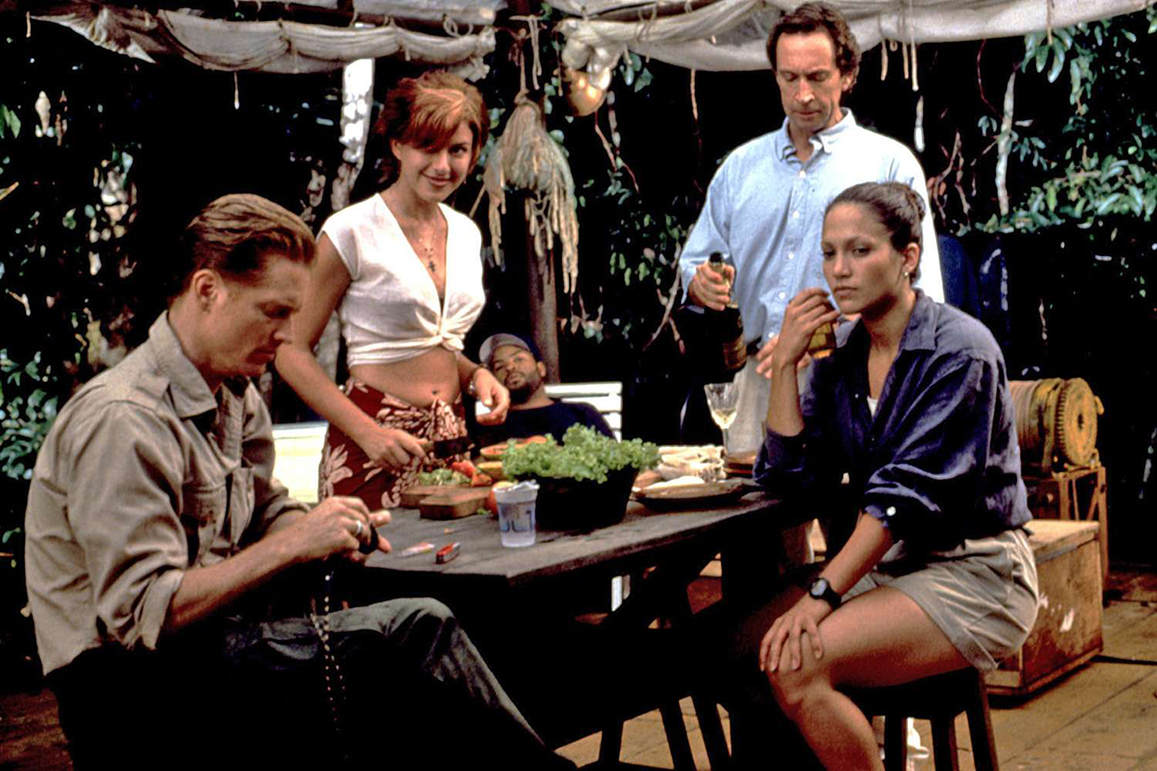
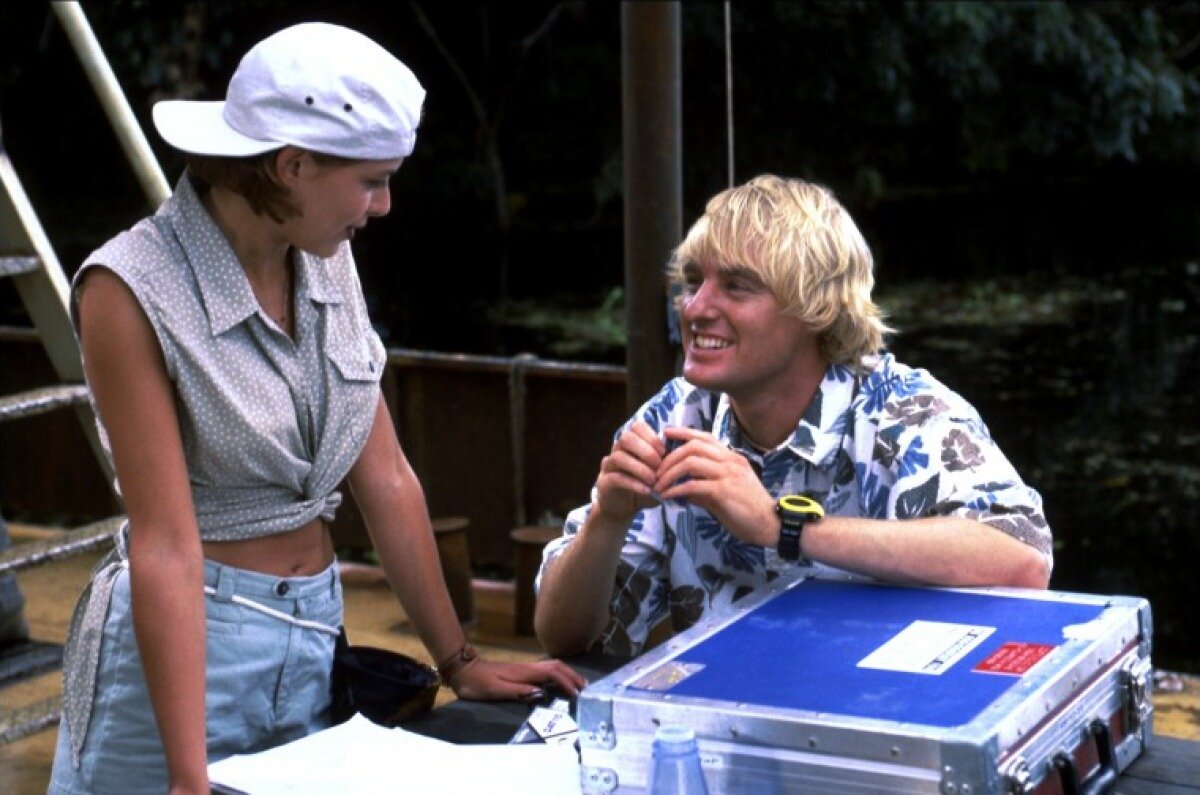
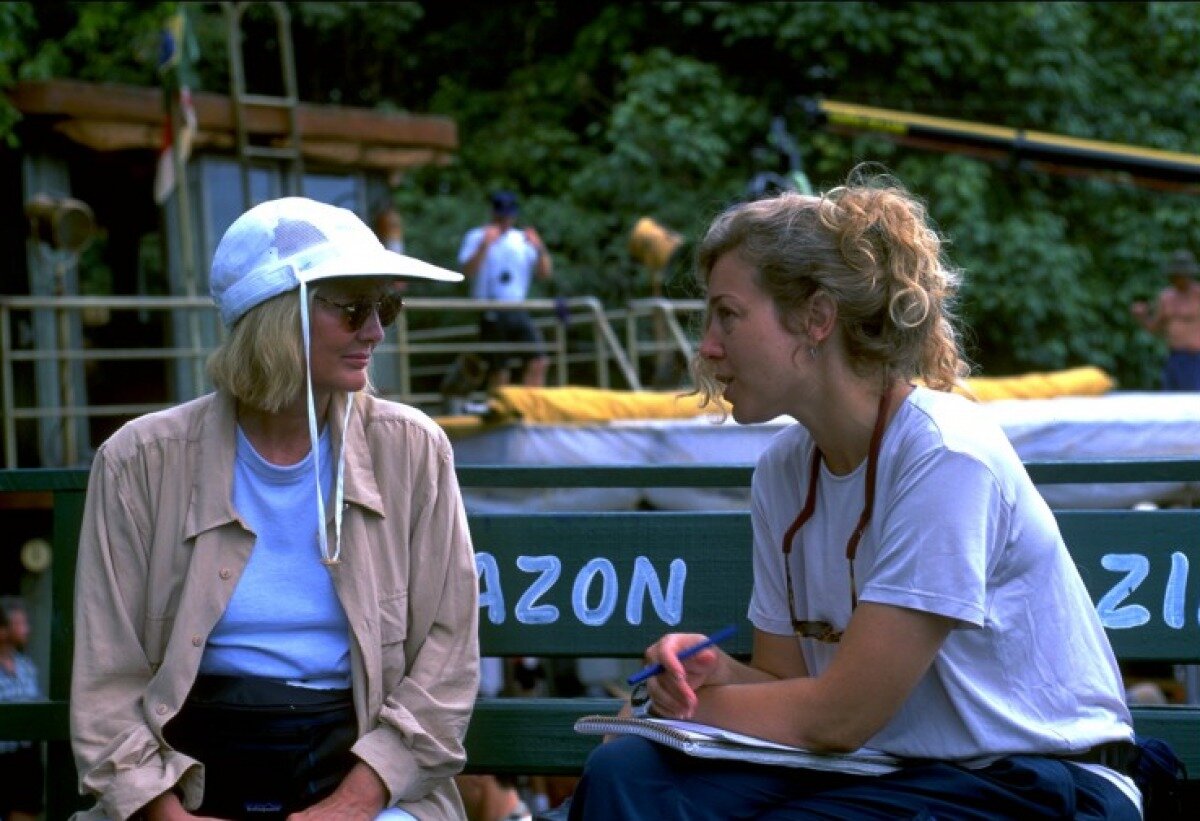
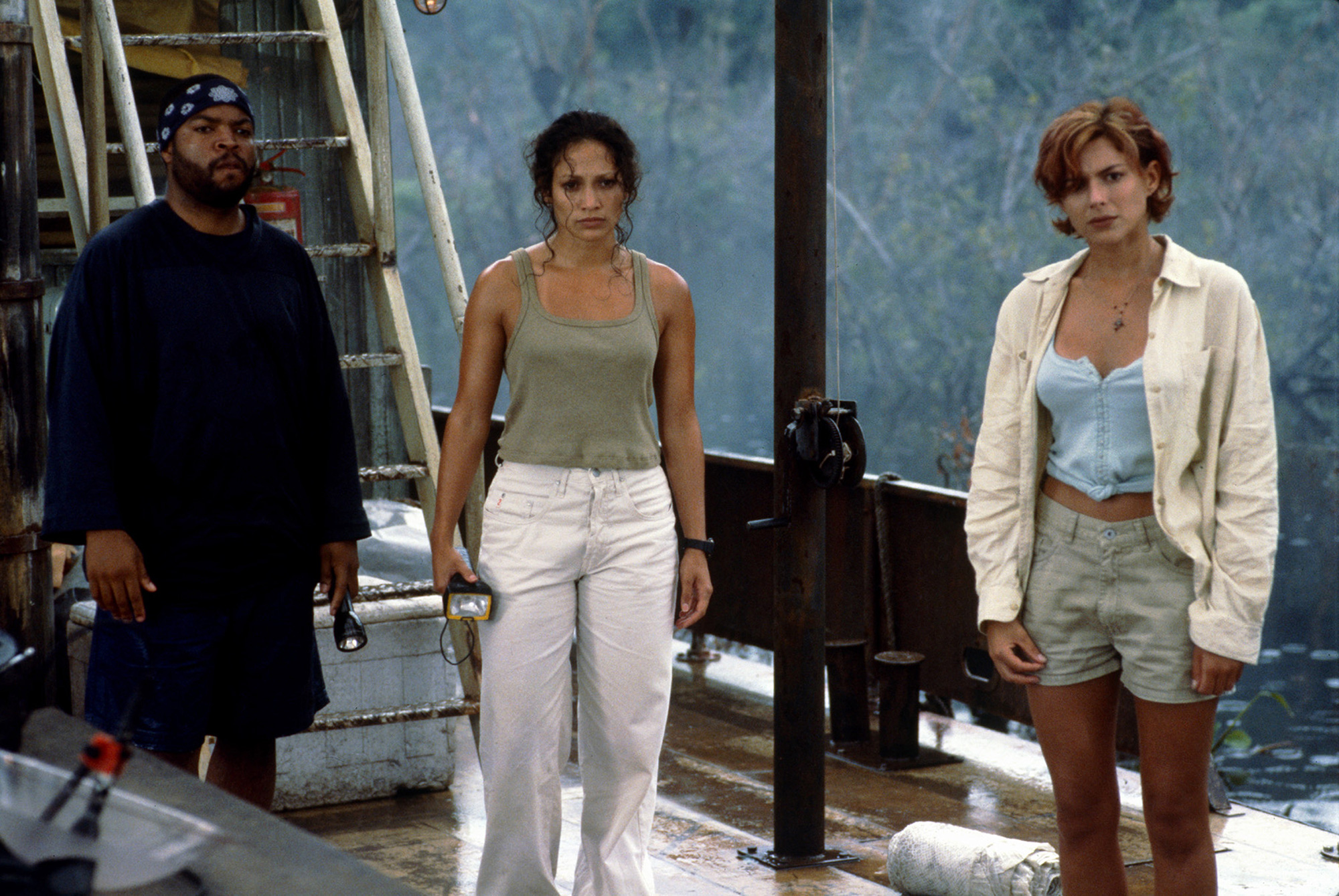
The 1997 Anaconda is a very specific kind of studio creature feature, the sort of film that used to turn up on cable late at night and somehow keep you there until the credits. Directed by Luis Llosa from a screenplay credited to Hans Bauer, Jim Cash and Jack Epps Jr., it sends documentary director Terri Flores (Jennifer Lopez), anthropologist Steven Cale (Eric Stoltz), cameraman Danny Rich (Ice Cube), sound man Gary Dixon (Owen Wilson), production manager Denise Kalberg (Kari Wuhrer) and narrator Warren Westridge (Jonathan Hyde) into the Amazon in search of the Shirishama people. Then they pick up Paul Serone, played by Jon Voight, and the film quietly hands itself over to him.


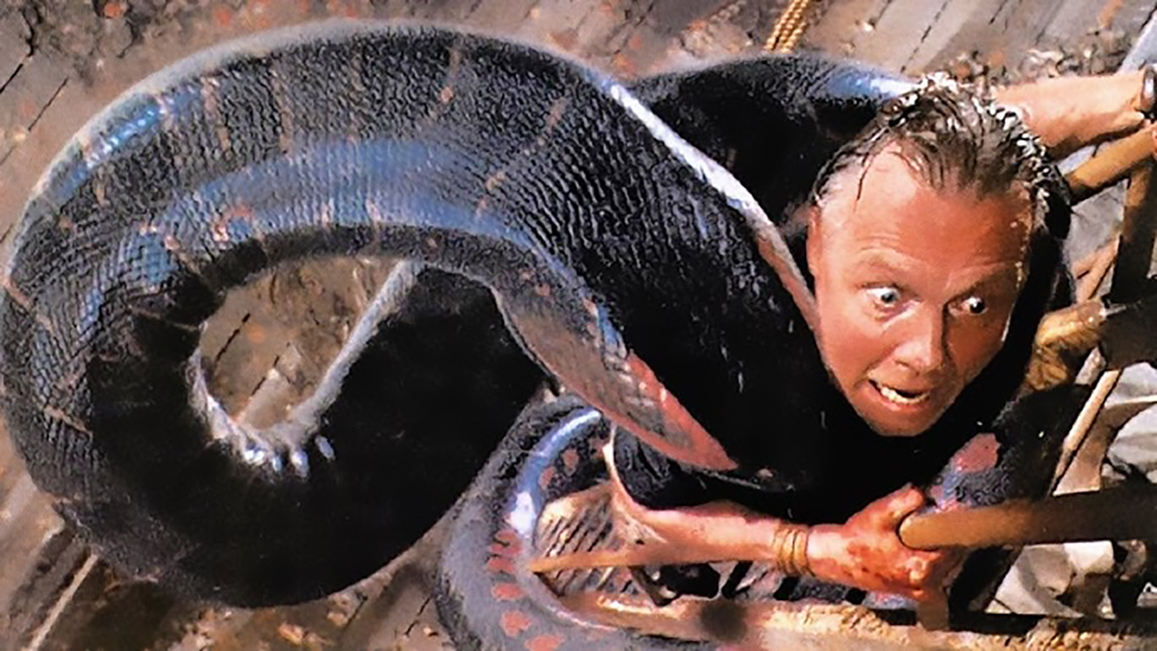

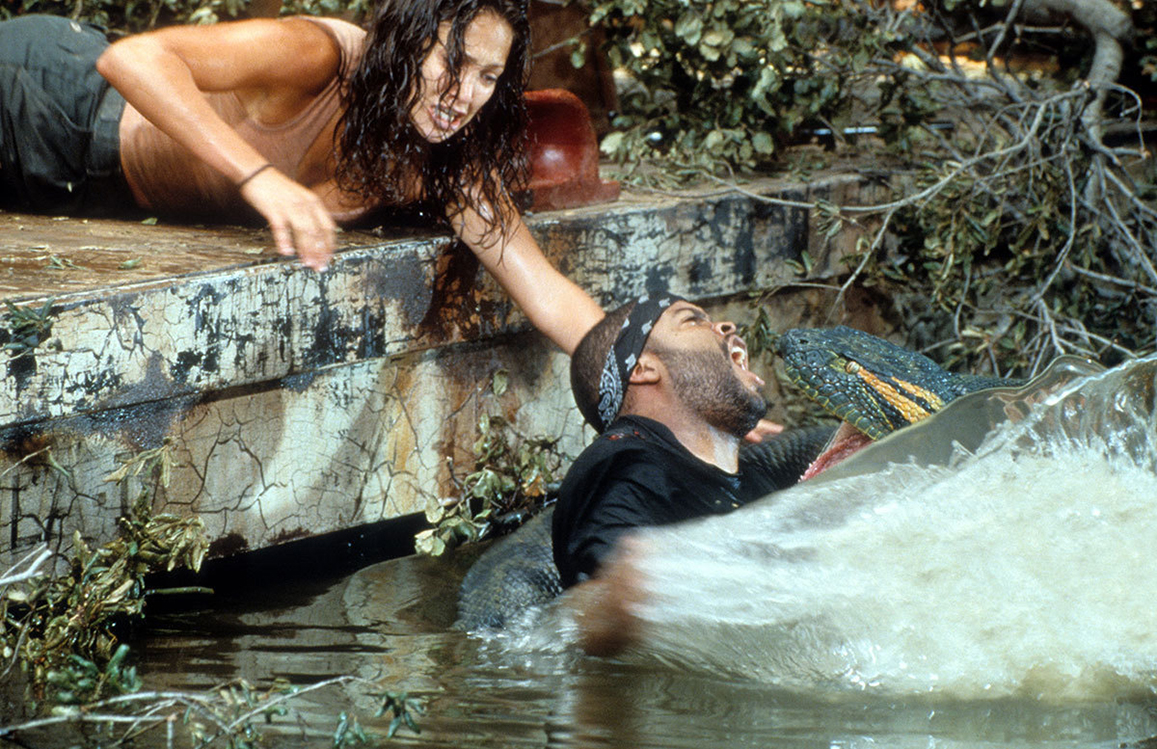
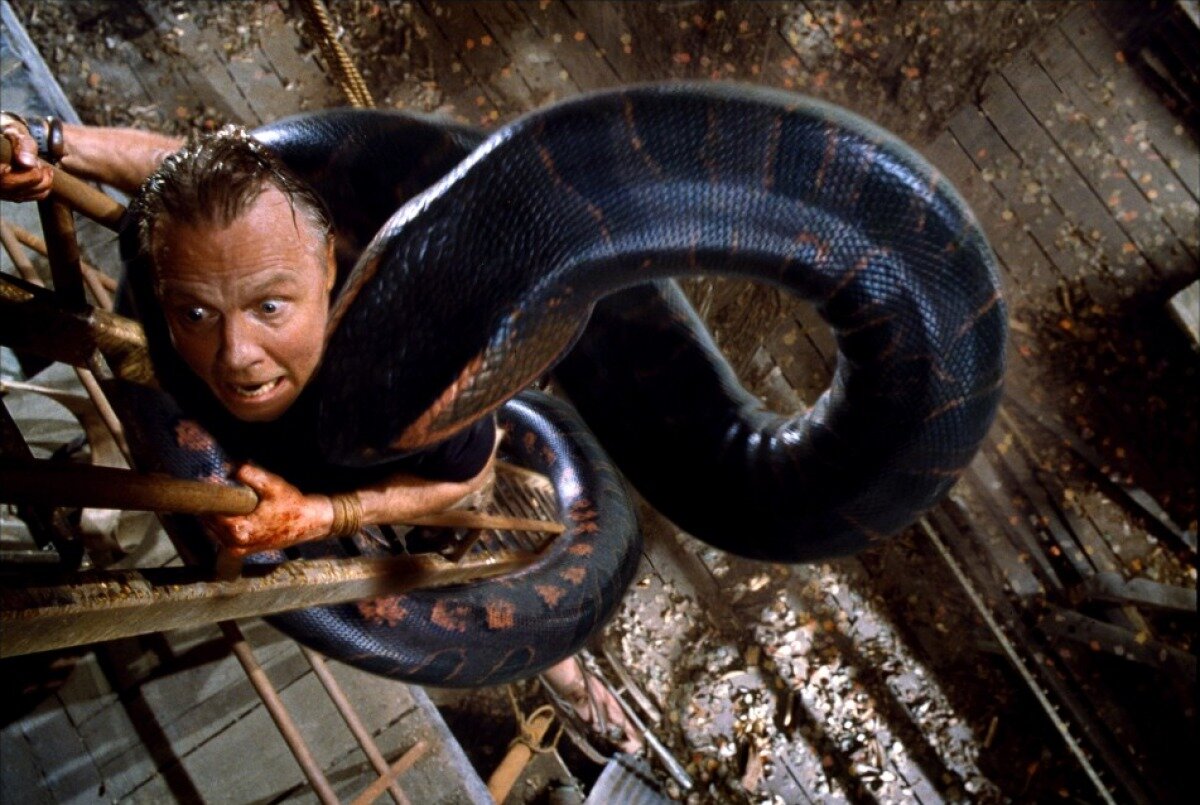
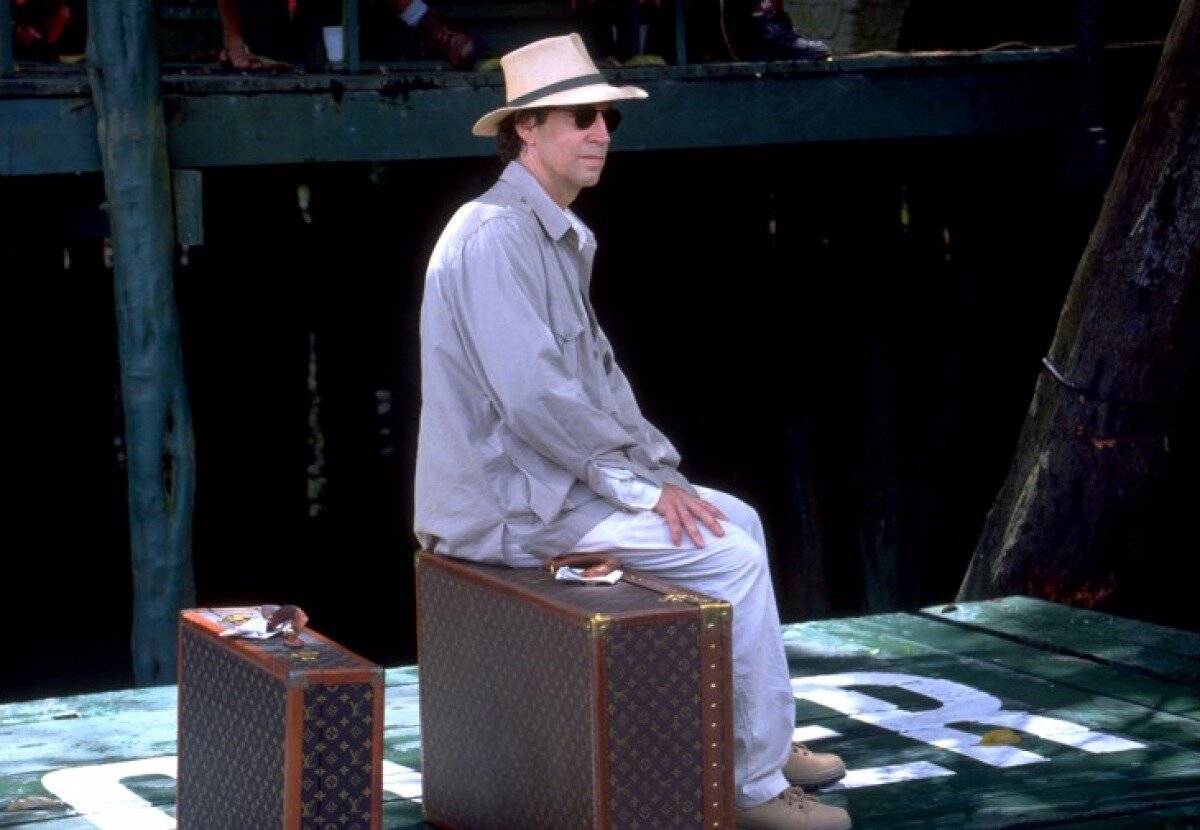
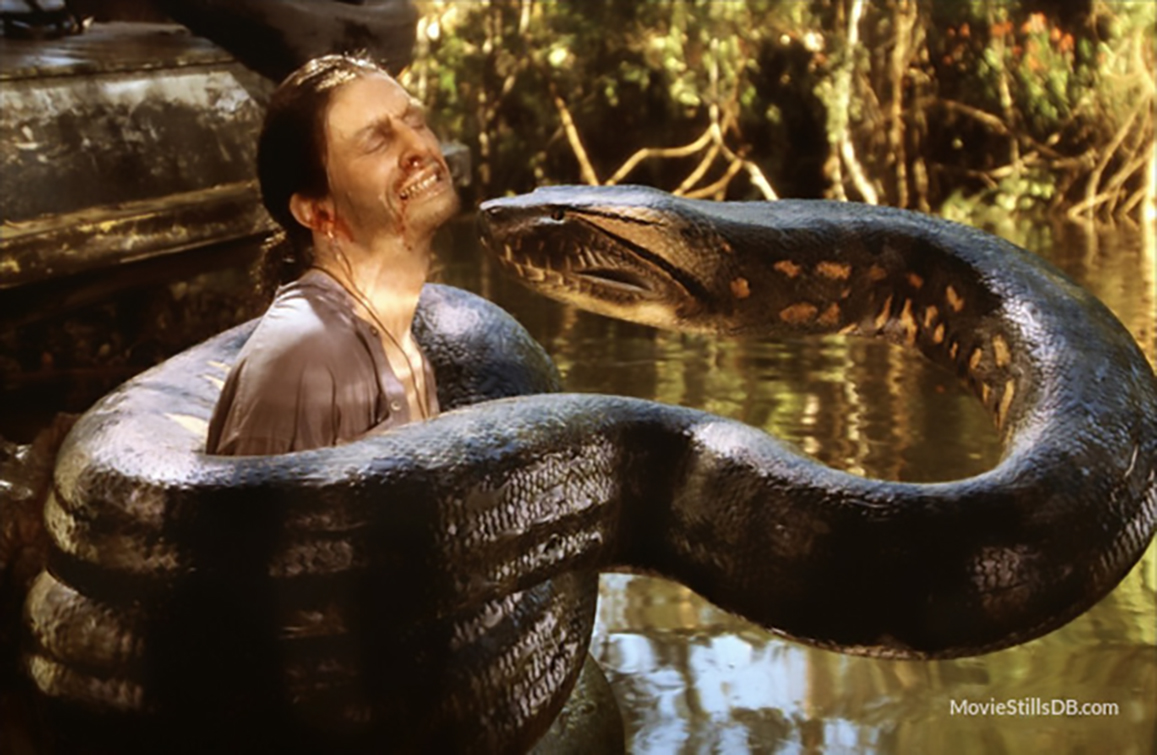
Serone is supposedly there to help, but of course he is hunting something else: a giant anaconda valuable enough to justify just about any terrible decision. Voight plays him with such peculiar intensity that the snake occasionally feels like his supporting act. The accent wanders, the expressions become increasingly feral, and every line lands as if Serone has spent years waiting for exactly the right humid riverboat on which to say it.

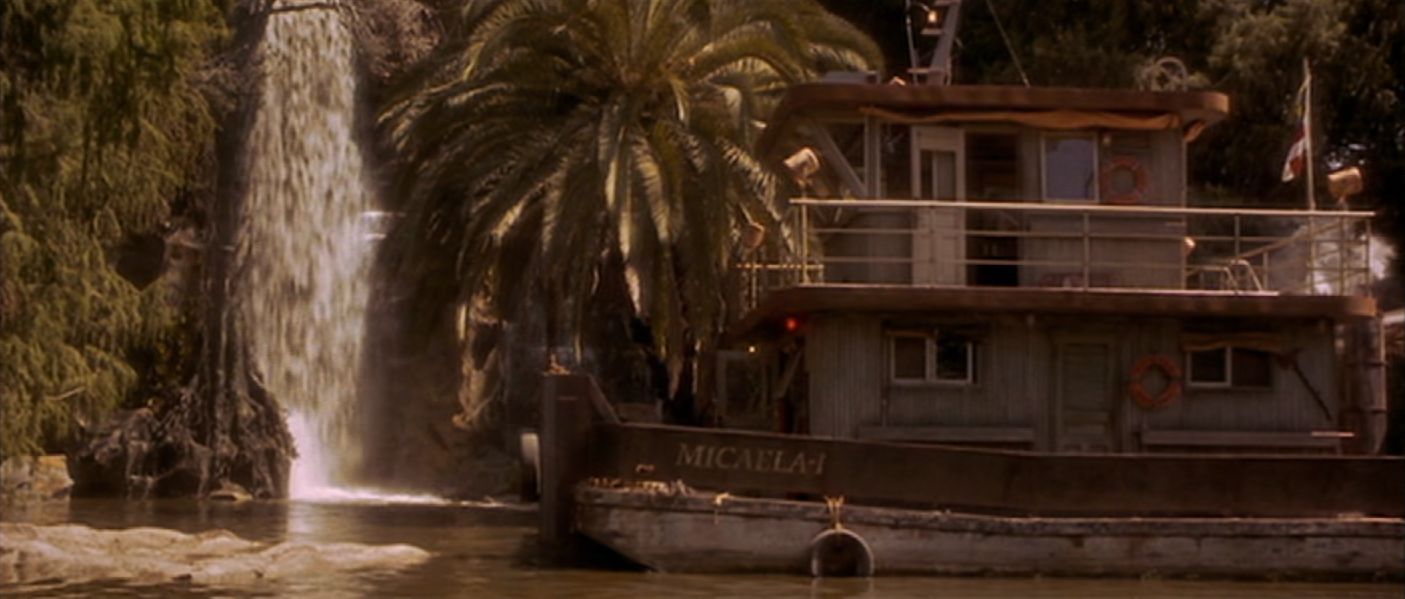

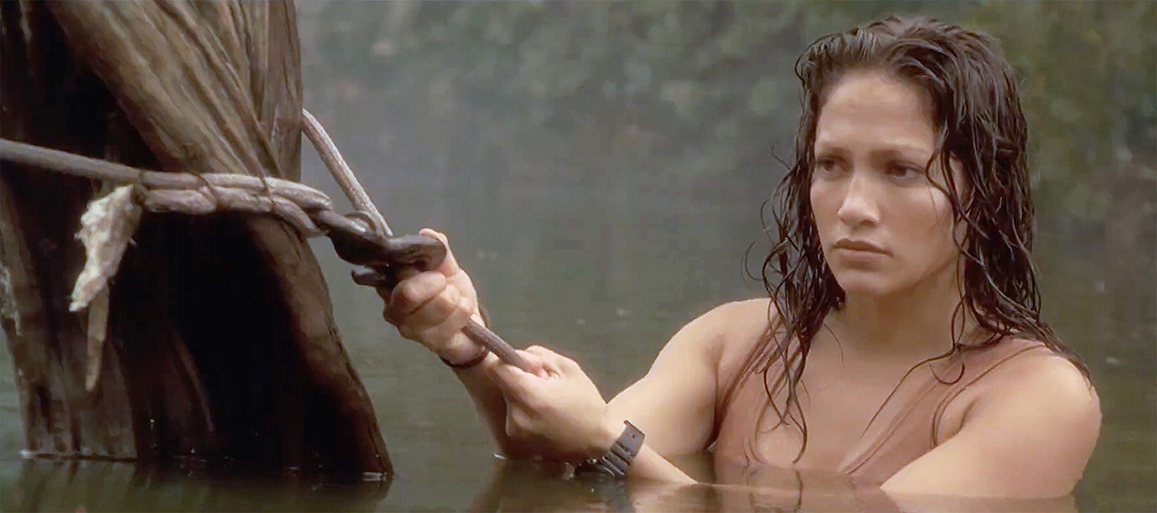
What I had forgotten is how much time the film gives the crew before the snake really takes over. The boat matters. The cramped decks, equipment, food, luggage and damp clothes make it feel like a working expedition rather than a procession of characters waiting to be eaten. That bit of texture is important because it makes Serone’s takeover feel invasive before the giant reptile even becomes the central problem.



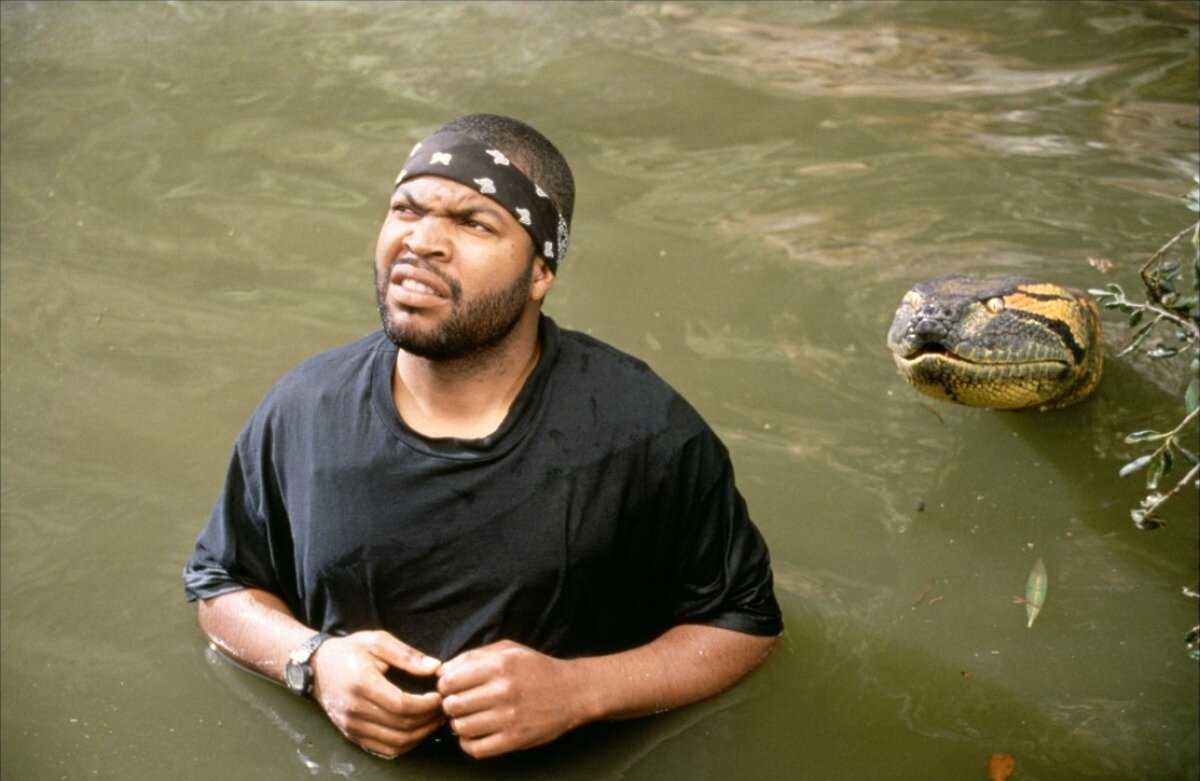
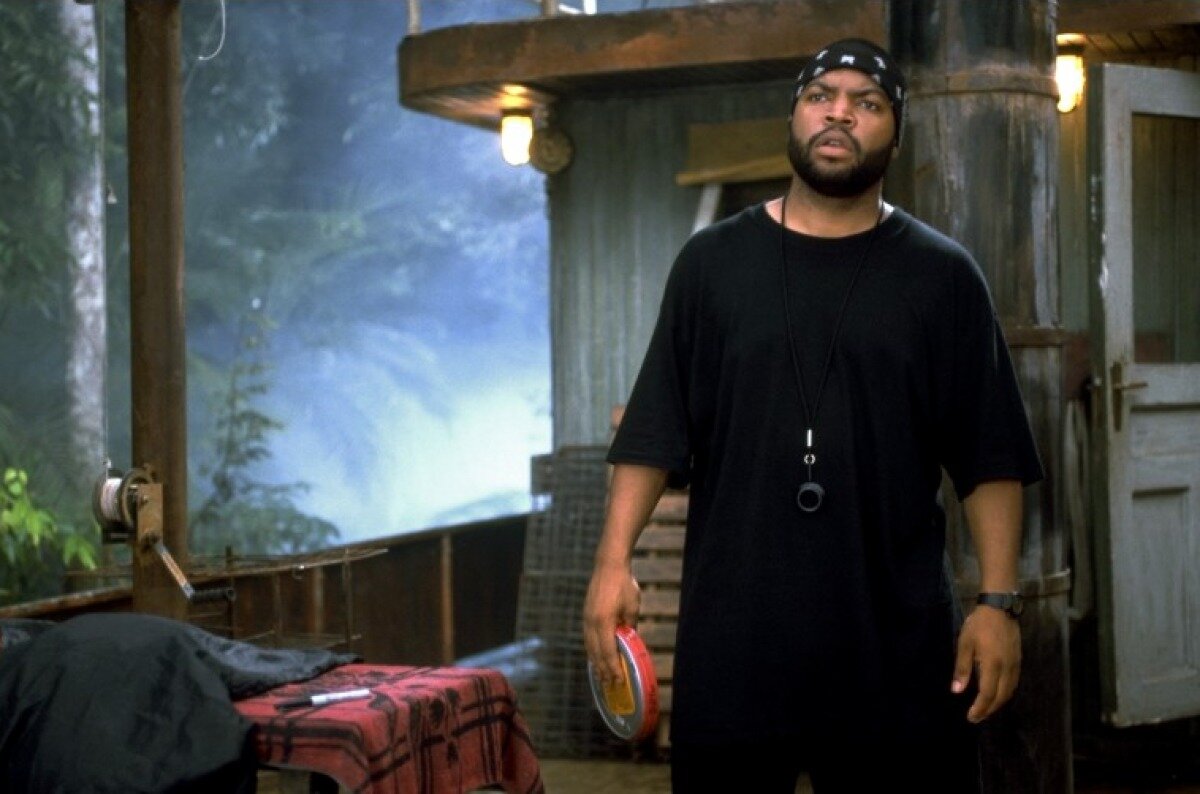
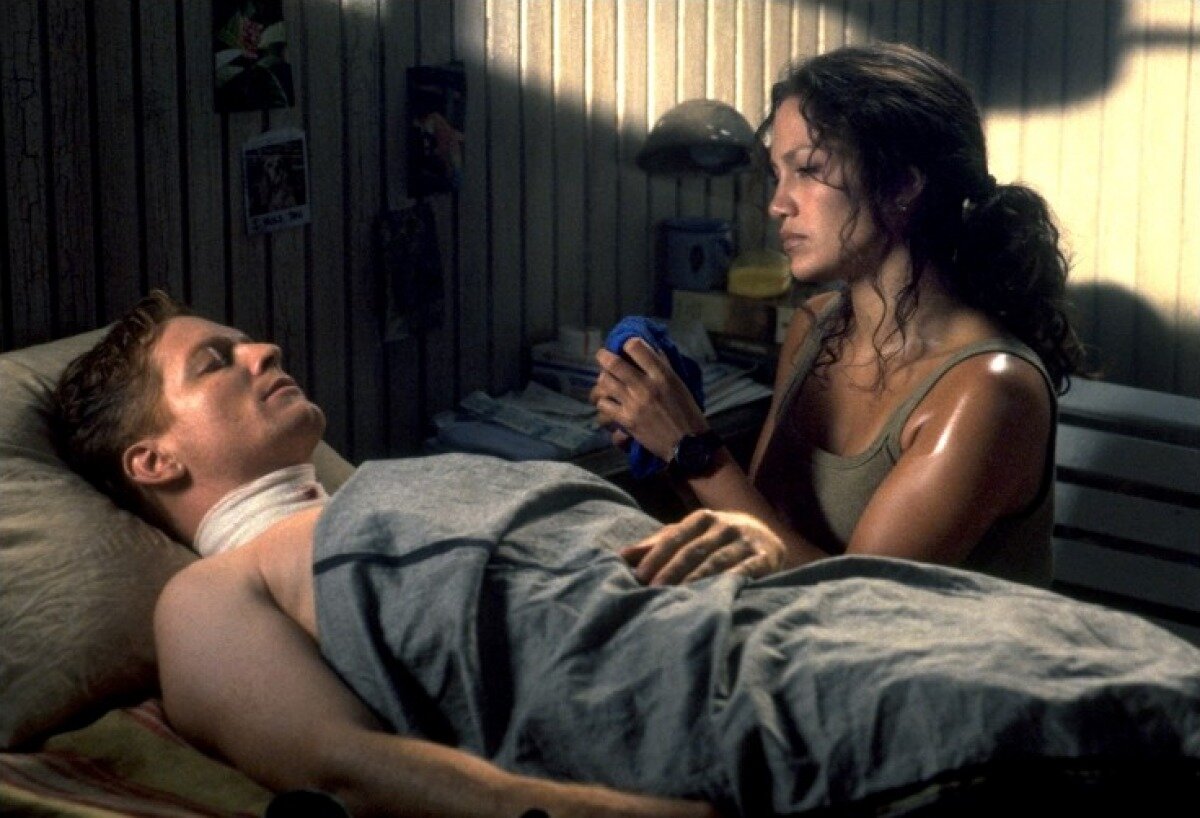
Lopez is much better in the film than its reputation sometimes allows. Terri is not written as a helpless passenger waiting for the men to solve things; she is the director, the person trying to keep the original purpose of the trip alive, and eventually one of the people capable of fighting back when the whole expedition collapses. Ice Cube’s Danny gives her a grounded ally, and their friendship helps stop the film becoming nothing but Serone’s travelling theatre company.

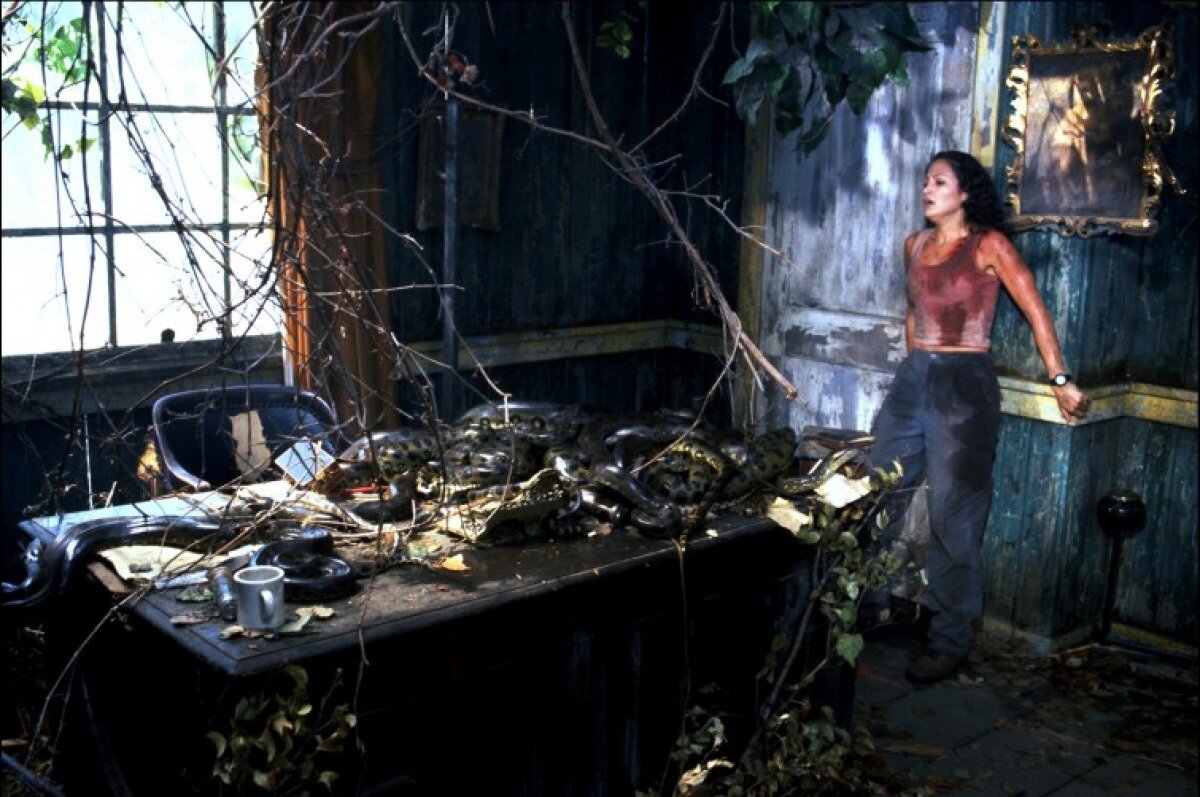


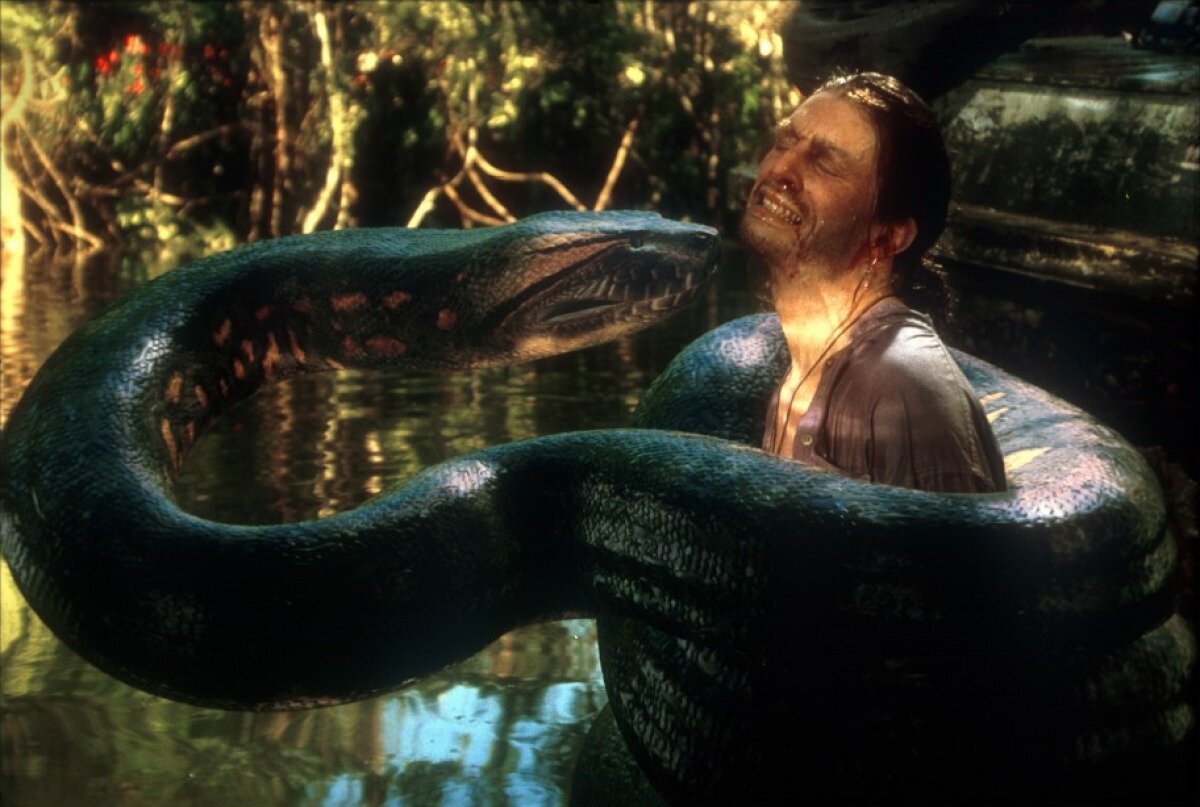
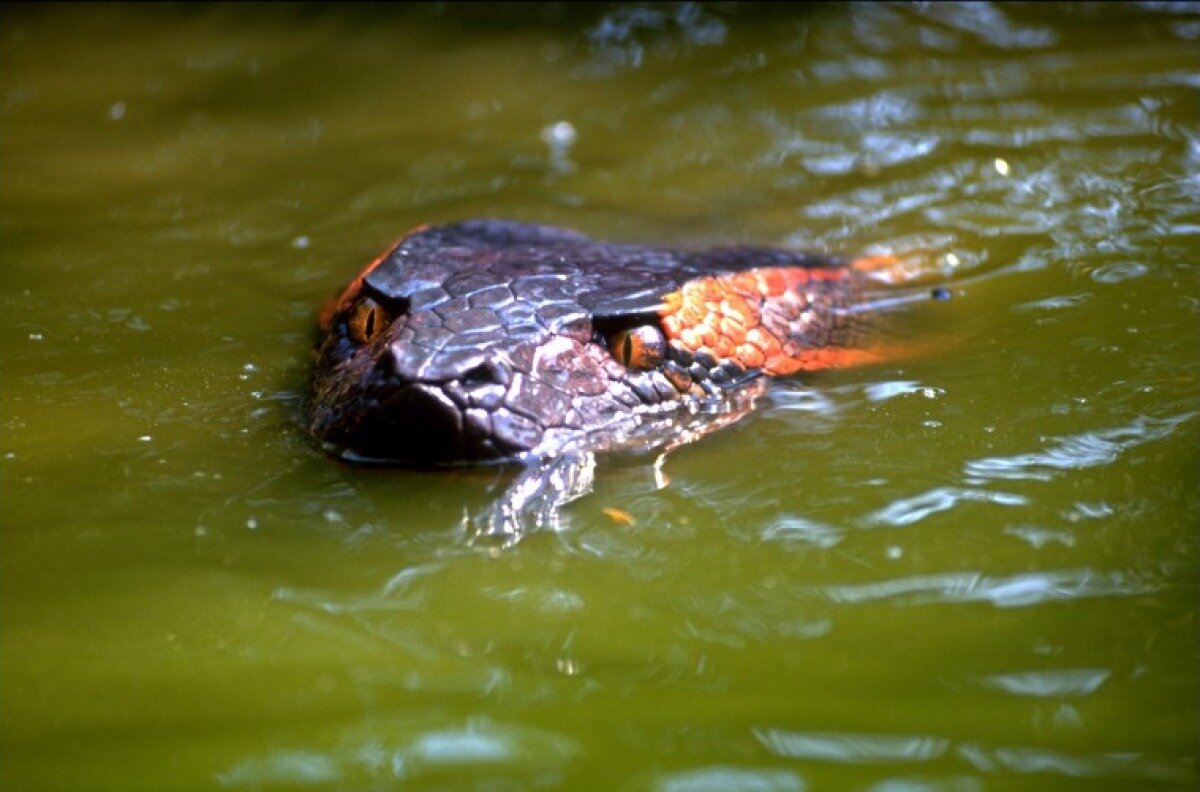
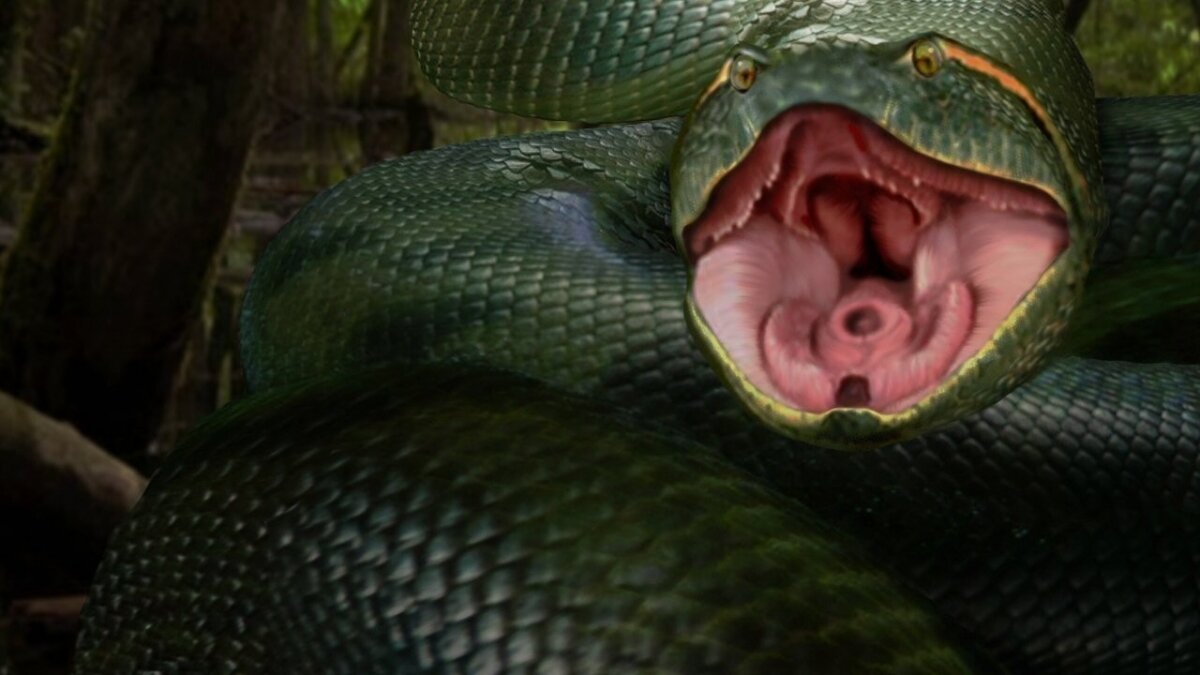
The practical effects are more impressive now than the film’s reputation for dodgy 1990s CGI suggests. Effects designer Walt Conti and Edge Innovations built a roughly 40-foot mechanical snake weighing about 3,000 pounds, with 140 joints driven by powerful hydraulics and coordinated by custom computing hardware. A 1997 Wired report noted that only about one-sixth of the snake work was computer animation, mainly for movements too acrobatic or dangerous to achieve with the mechanical creature.

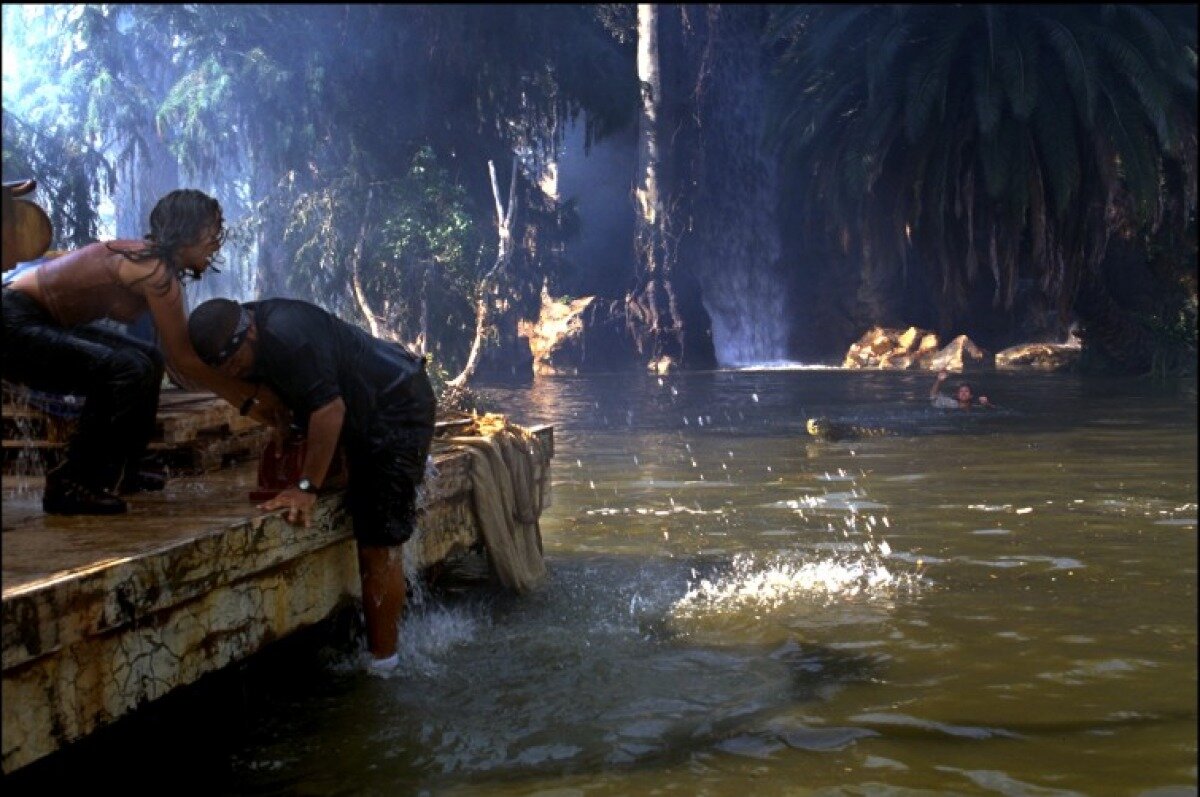

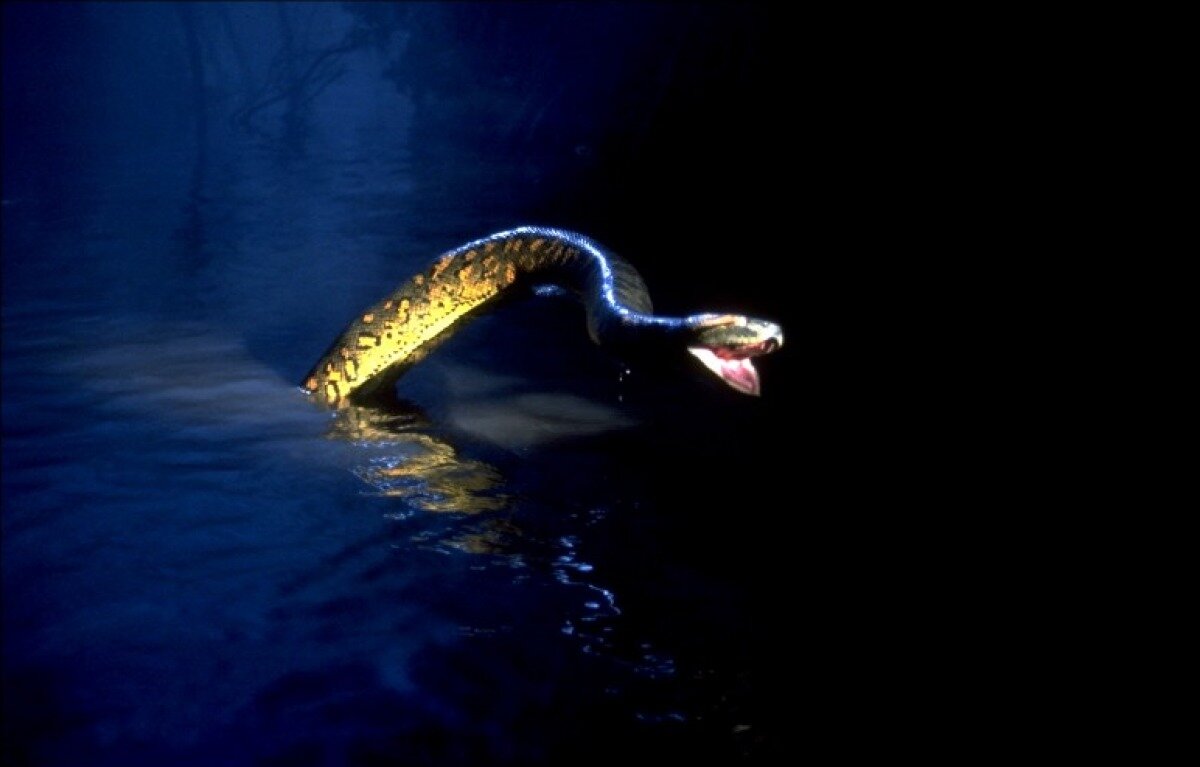

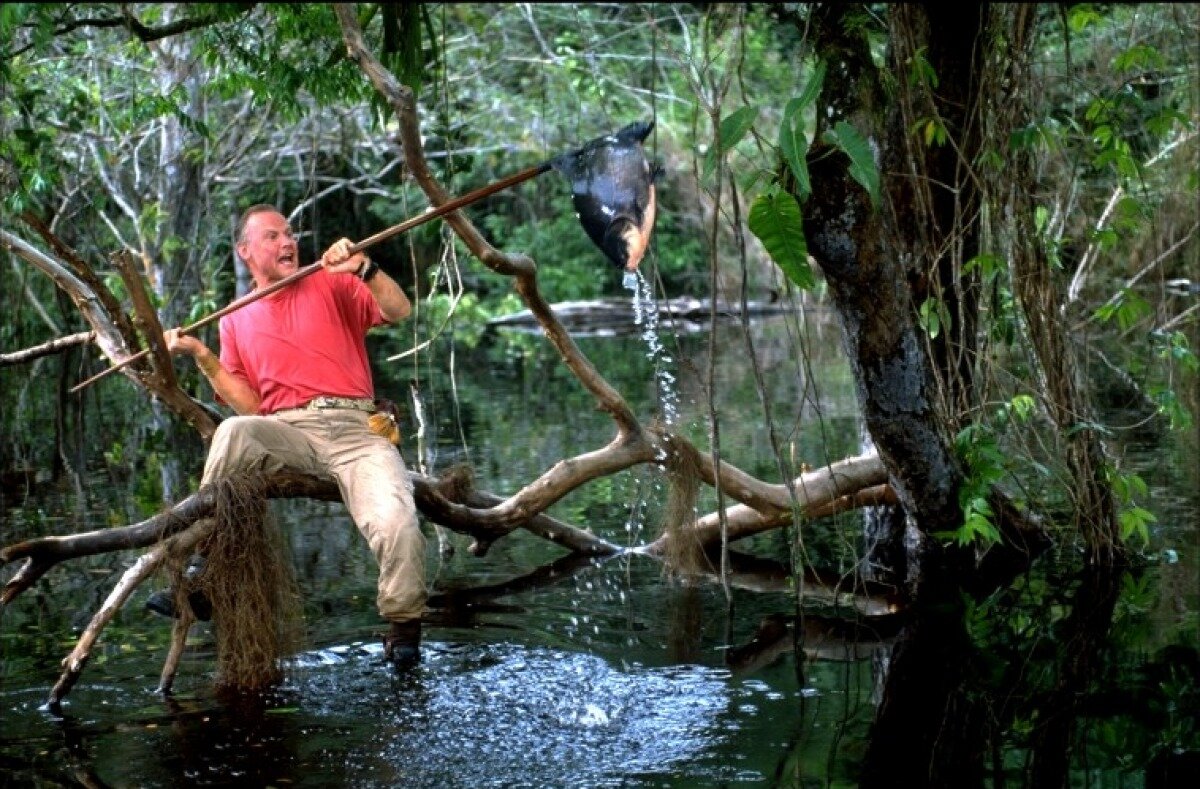

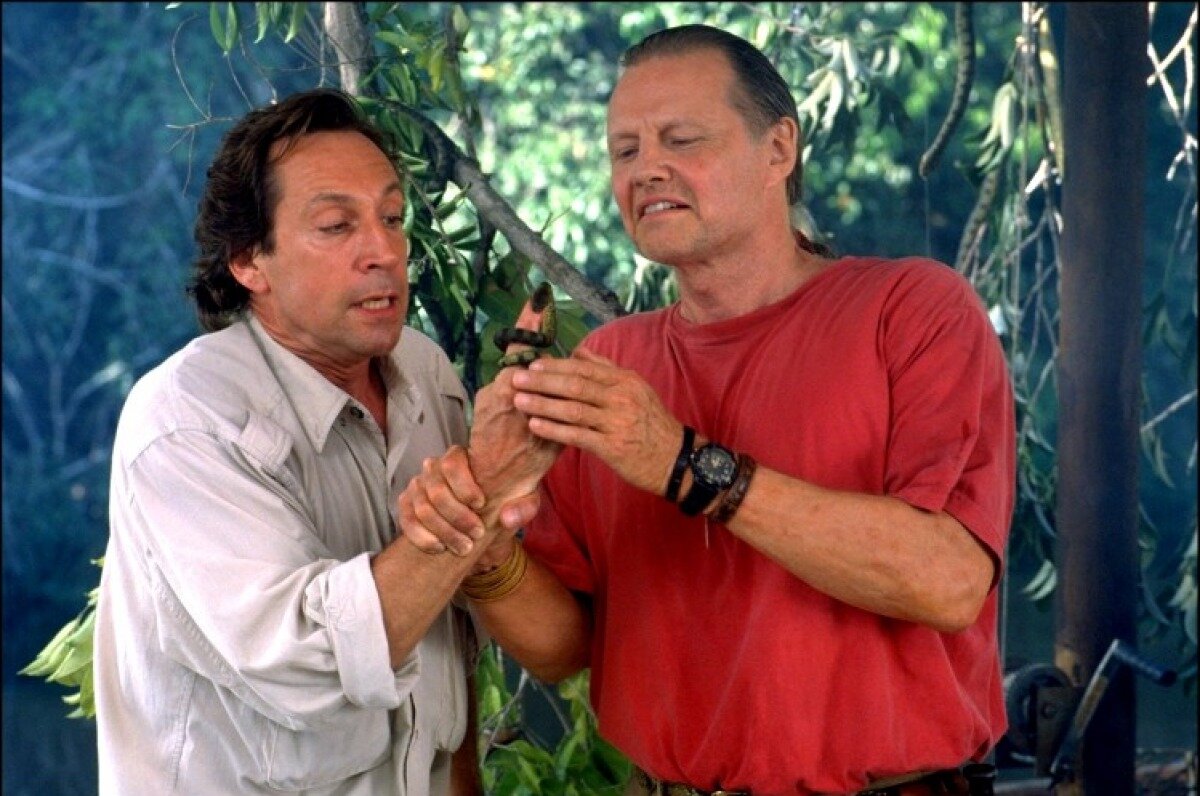
That explains why so much of the snake still has weight. The digital shots have obviously aged, but when the creature is wrapped around a railing, a person or part of the set, something physical seems to be pushing back. Modern effects can produce a smoother animal, but the old mechanical monster has the useful ugliness of a machine that occupied the same space as the actors.

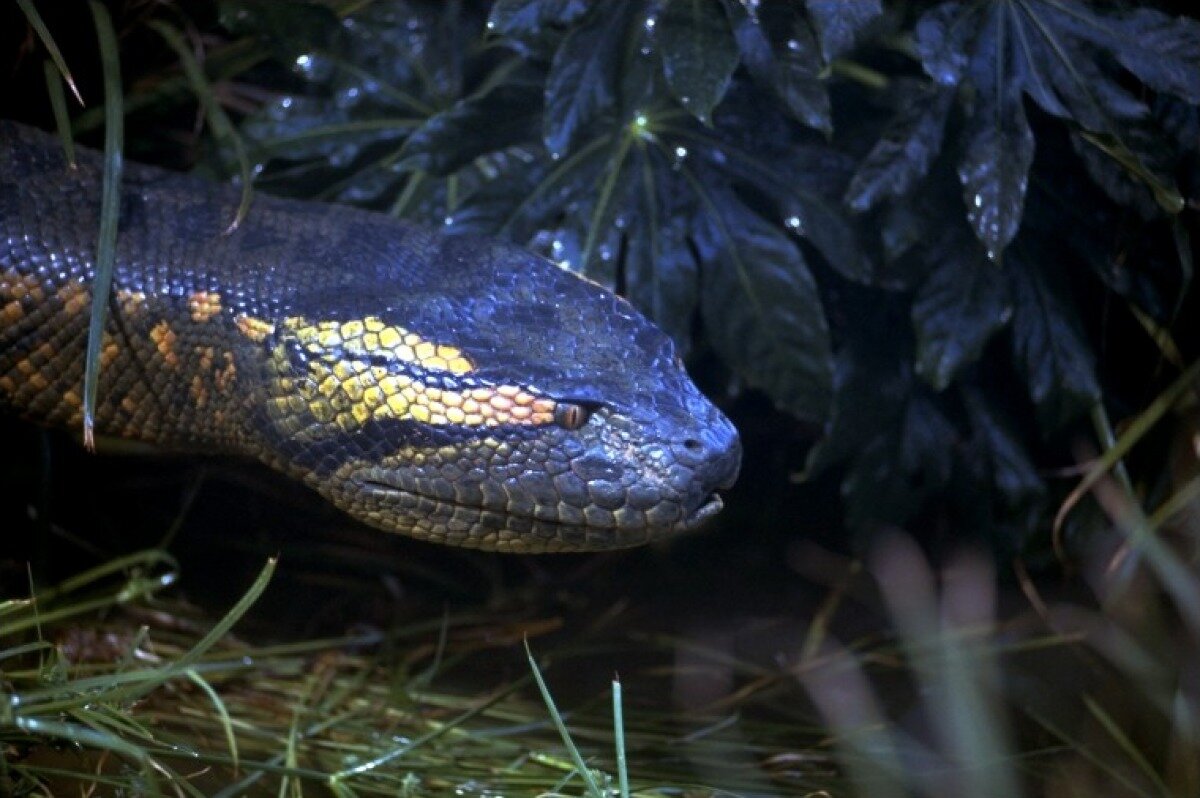

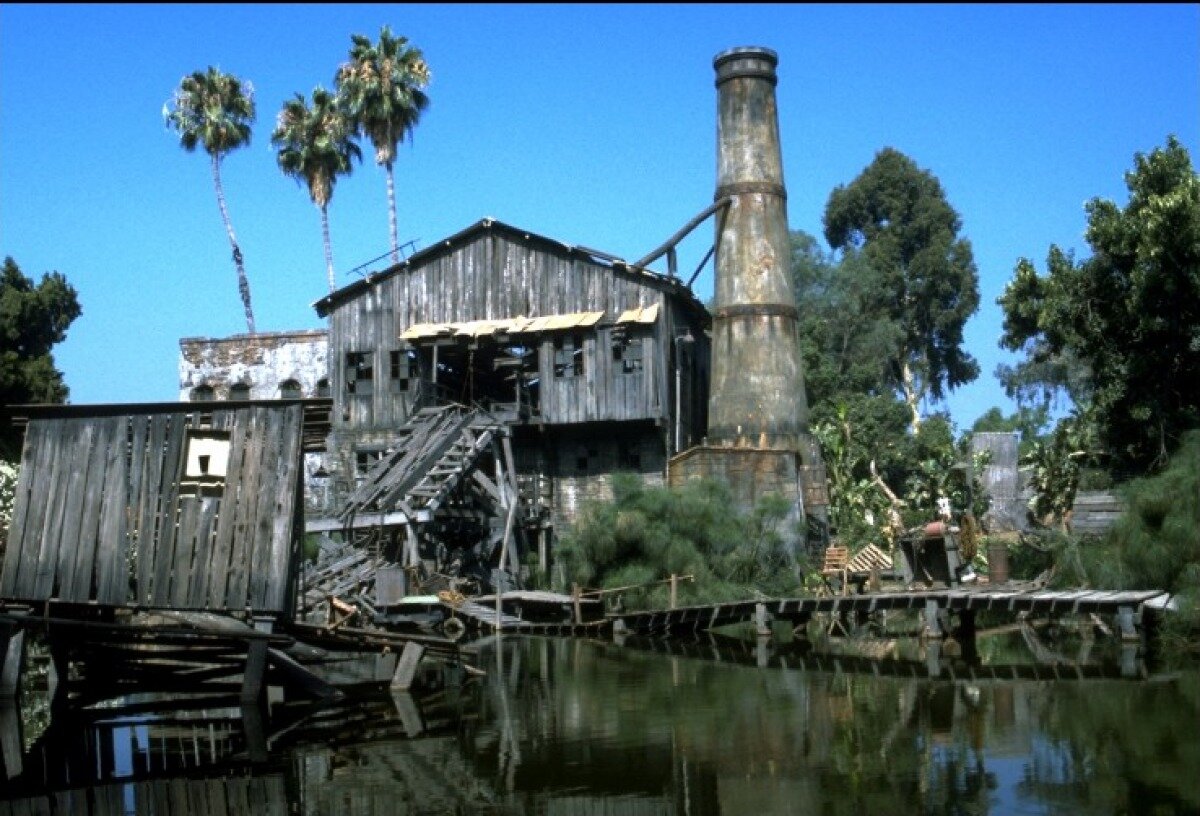

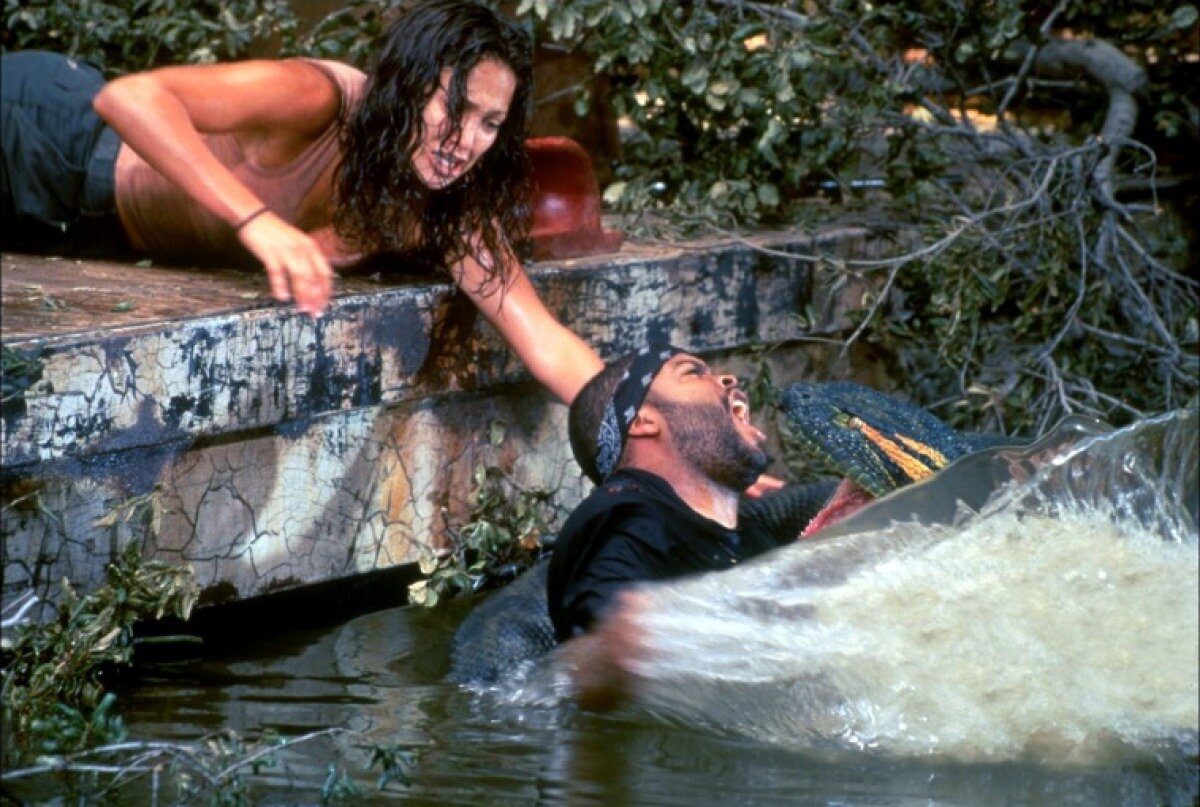
The film also understands that a monster movie needs an image people will remember after they have forgotten most of the plot. Anaconda has several, but Serone being swallowed and later regurgitated is the one that became legend. The final wink is so shameless that it feels as if the movie suddenly realises, a few seconds before the audience does, what kind of cult object it is going to become.



Financially, the film was hardly the disaster its reviews might suggest. It opened with about $16.6 million in the US and finished with roughly $136.9 million worldwide. Roger Ebert, notably, was far kinder to it than many of his contemporaries, giving it three-and-a-half stars and treating its creature-feature pleasures seriously rather than pretending that a giant-snake film had failed for not being something else.

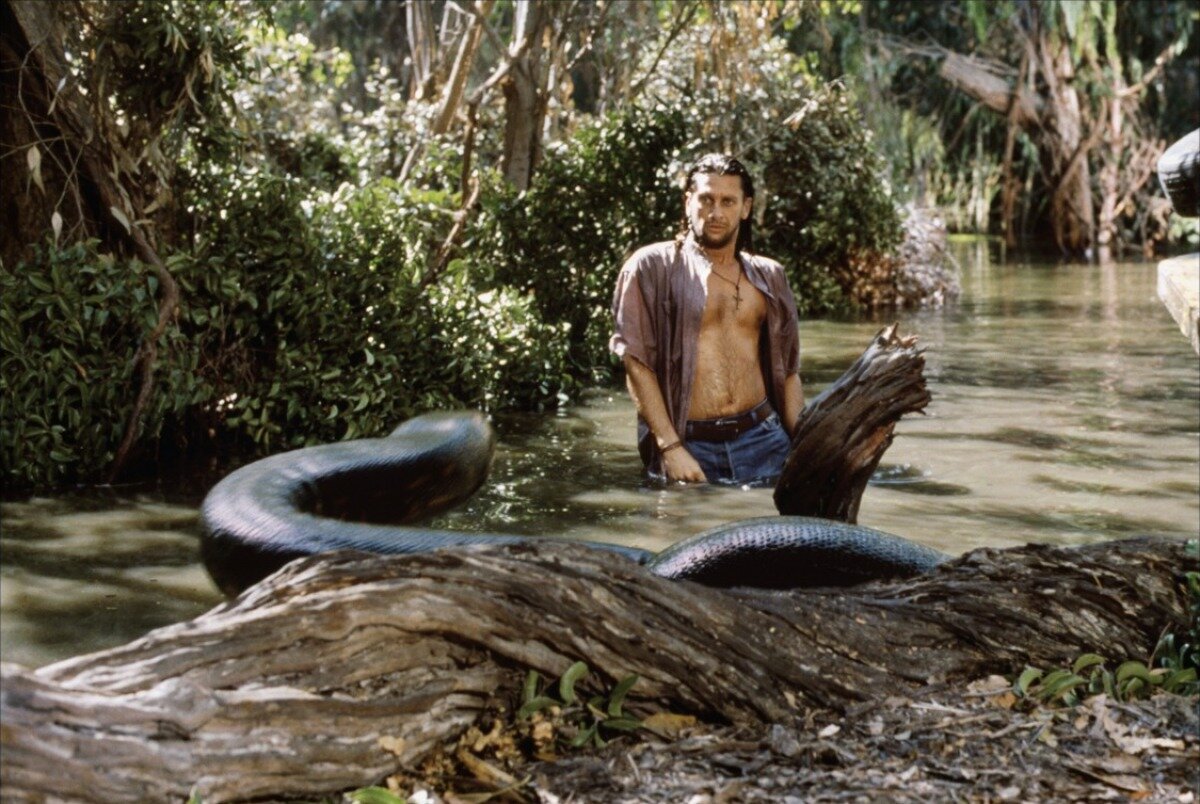


Watching it now, I would not try to defend Anaconda by politely sanding off everything strange about it. The strange bits are the reason it works. It is earnest, overheated, occasionally ridiculous and completely committed to making the audience believe that this particular stretch of river contains a snake with the temperament of a movie villain.
The 2025 Film Knows Exactly What Happened to the Original
The clever move in the 2025 Anaconda is that it does not pretend the previous film is sacred text. It also does not sneer at people who love it. Sony’s own marketing repeatedly called the film “not a reboot”: this is a comedy about people who want to make their own remake of Anaconda, which is a small but important distinction because nostalgia is not just decoration here. It is the engine of the plot.

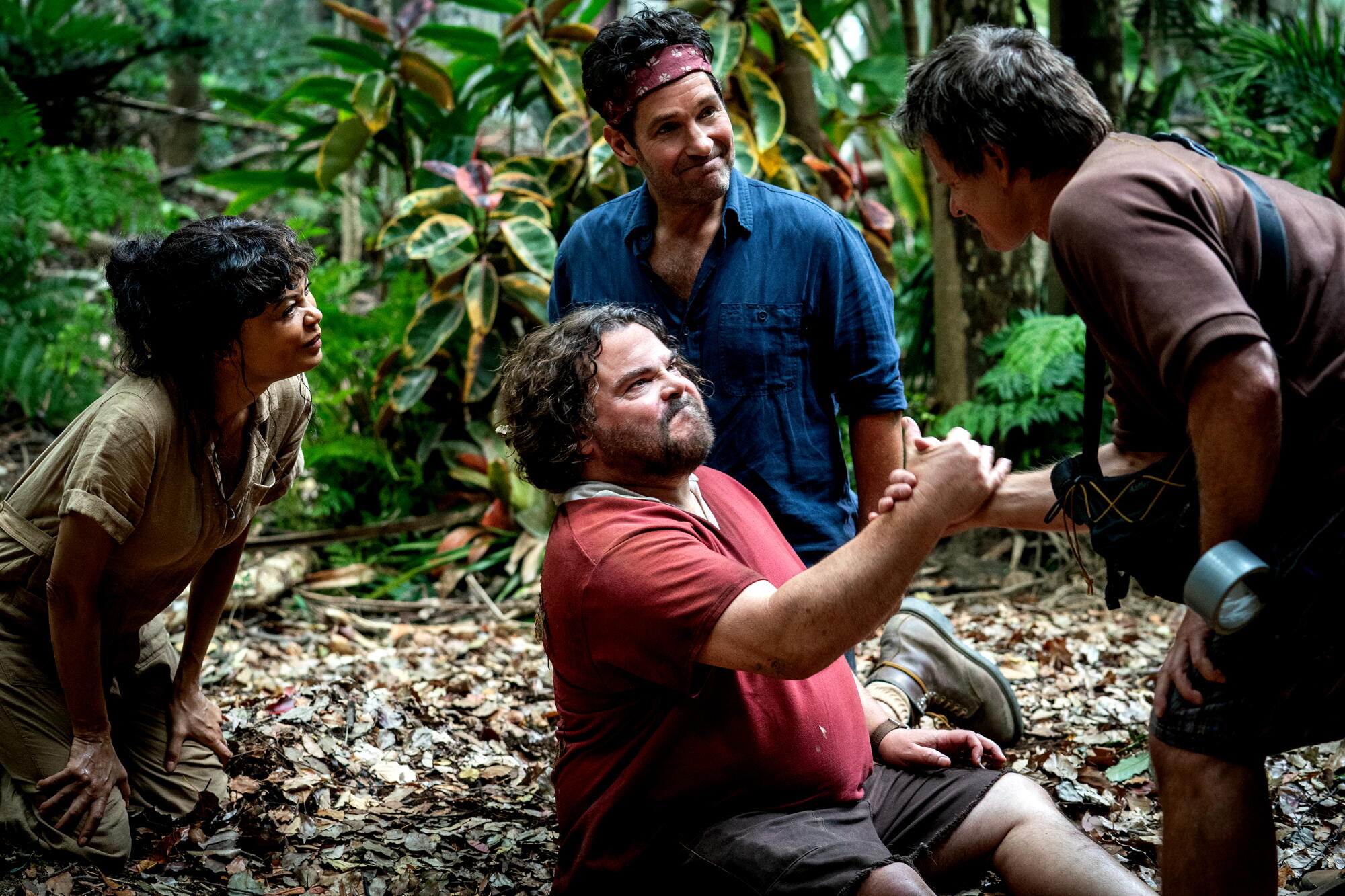
Doug McCallister (Jack Black) and Ronald “Griff” Griffin Jr. (Paul Rudd) have been friends since childhood and have reached the point where adult life has quietly failed to resemble the version they imagined. Doug shoots wedding videos in Buffalo. Griff is an actor who never quite broke through. Their idea of remaking Anaconda is obviously foolish, financially dubious and legally questionable, which is precisely why it feels believable as a midlife project.

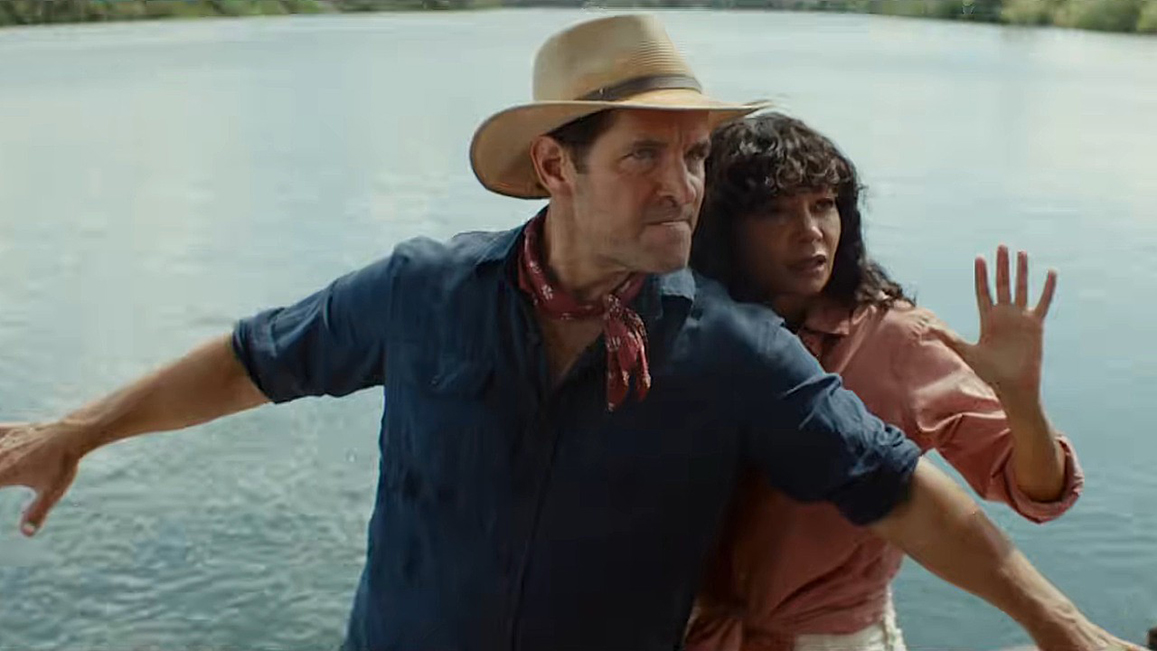
They pull childhood friends Claire Simons (Thandiwe Newton) and Kenny Trent (Steve Zahn) into the plan, and the film is at its best when it lets that old friendship do the work. Claire burns through leave and personal savings to be there. Kenny is the kind of friend you probably should not put in charge of anything important, which of course means he keeps being put in charge of important things. The jokes land because the group feels as though it has history beyond the screenplay.

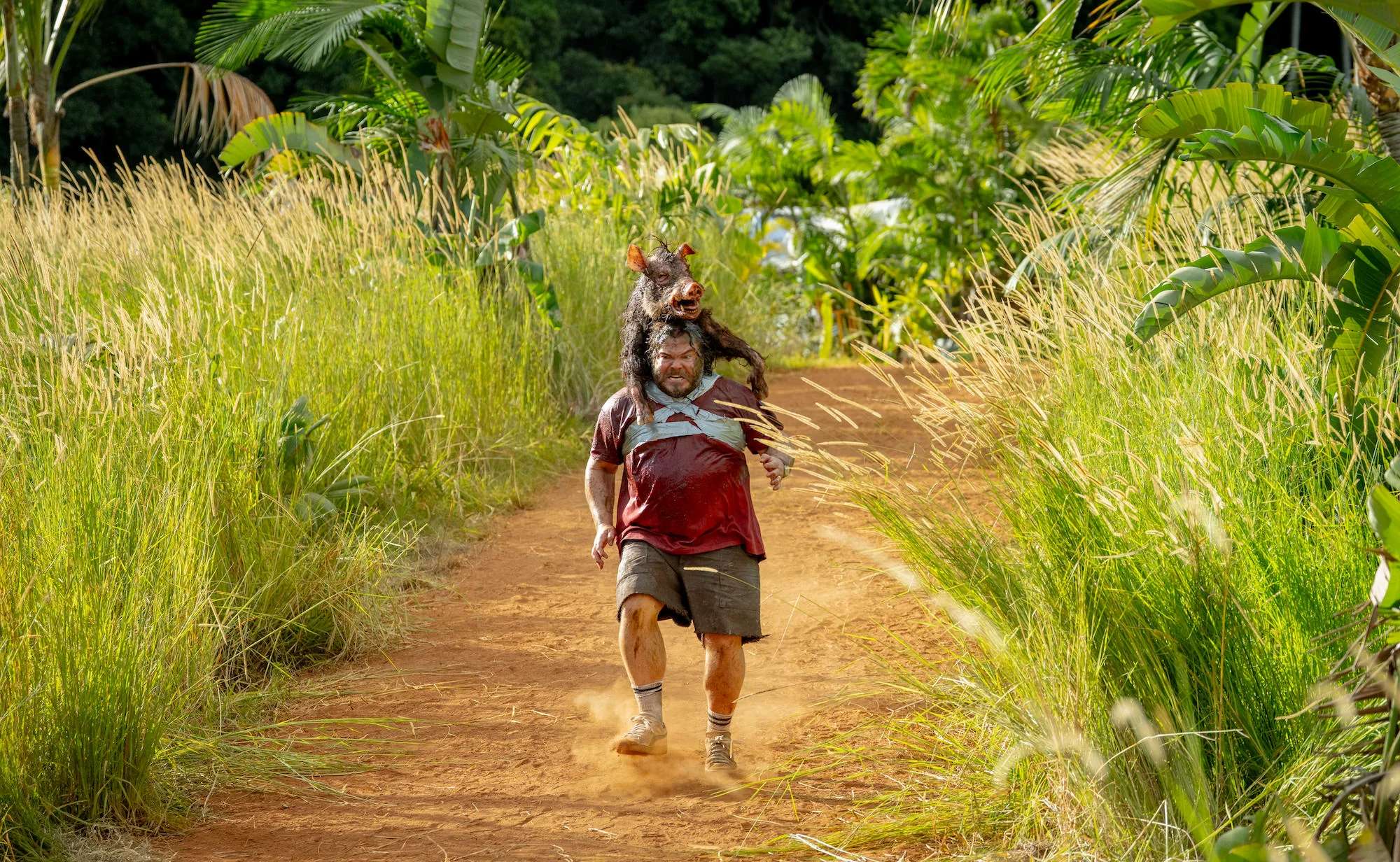
Director Tom Gormican and co-writer Kevin Etten previously worked together on The Unbearable Weight of Massive Talent, and the same fascination with actors, movies and people constructing identities through films is all over this one. It could easily have turned into two hours of references aimed at people who recognise the references. Instead, there is a slightly sadder idea underneath it: what happens when the thing you adored at seventeen is still sitting there at fifty-something, waiting to remind you of the person you assumed you would become?
The Joke Works Because the Friendship Does
Black and Rudd could have played Doug and Griff as two overgrown fanboys and probably still squeezed enough comedy out of the premise. The film is smarter when it lets them be middle-aged men who genuinely need this project. Doug wants to prove that his creative instincts amount to more than elaborate wedding videos. Griff wants a role that is actually his. Neither ambition is particularly grand, which is why both feel more human.

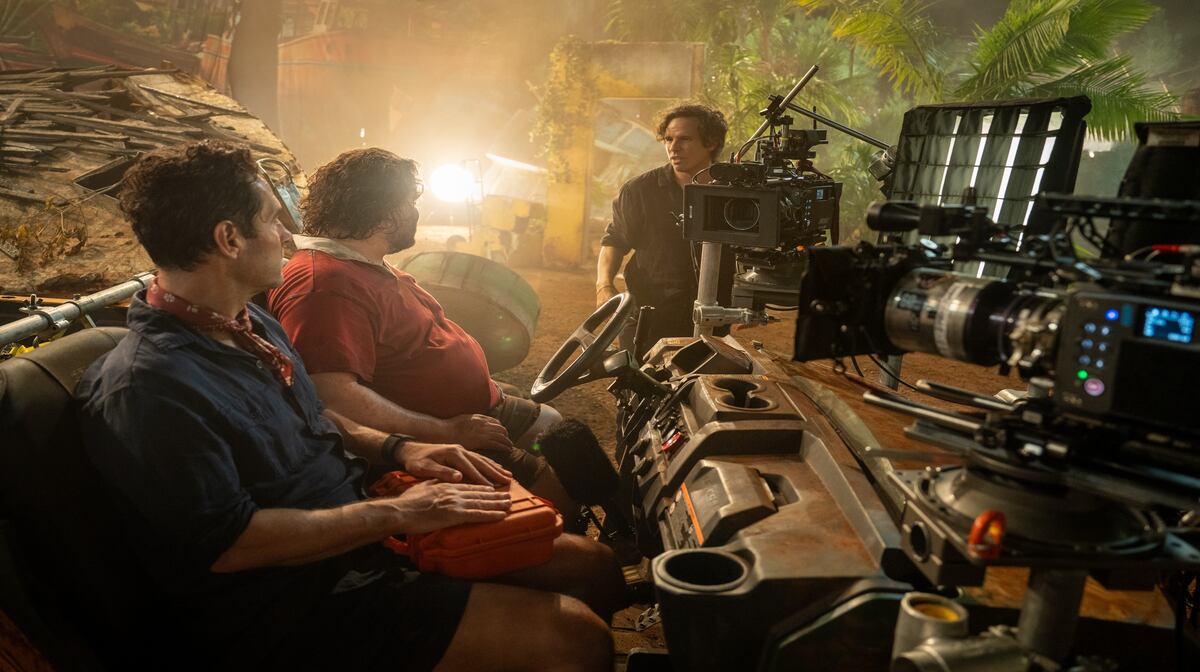

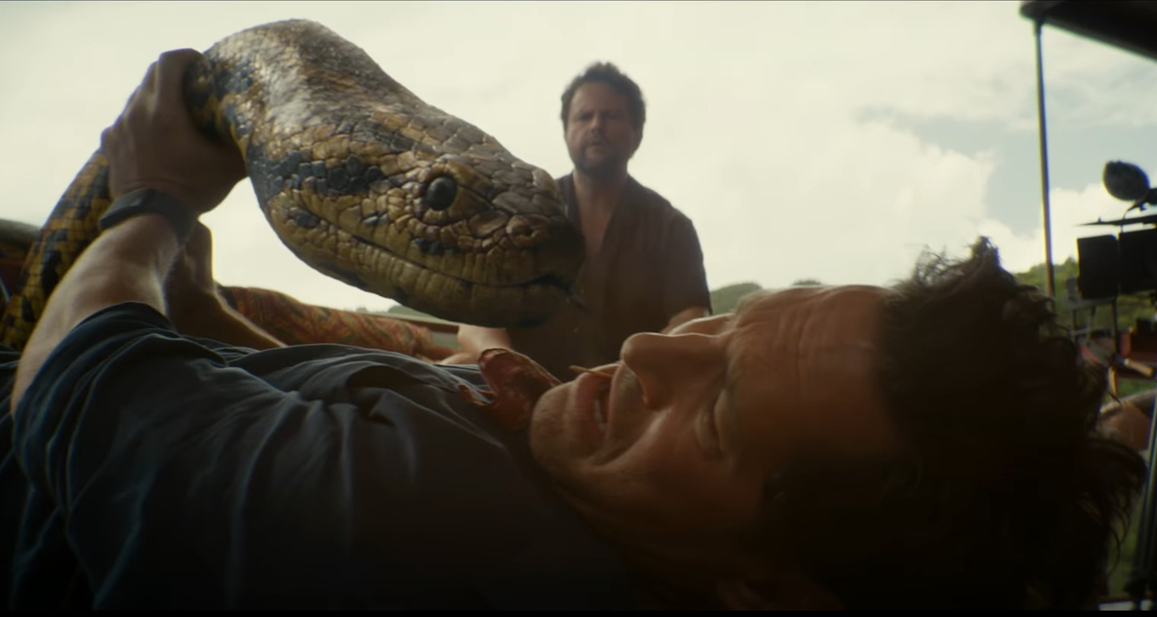
Newton is important to that balance. Claire can see the absurdity of the project and still choose to participate, which makes her more than the sensible person standing outside the joke. Her history with Griff also gives the film another version of the same question: whether revisiting something from youth means recovering it, rewriting it or finally accepting that time moved on while you were busy doing other things.

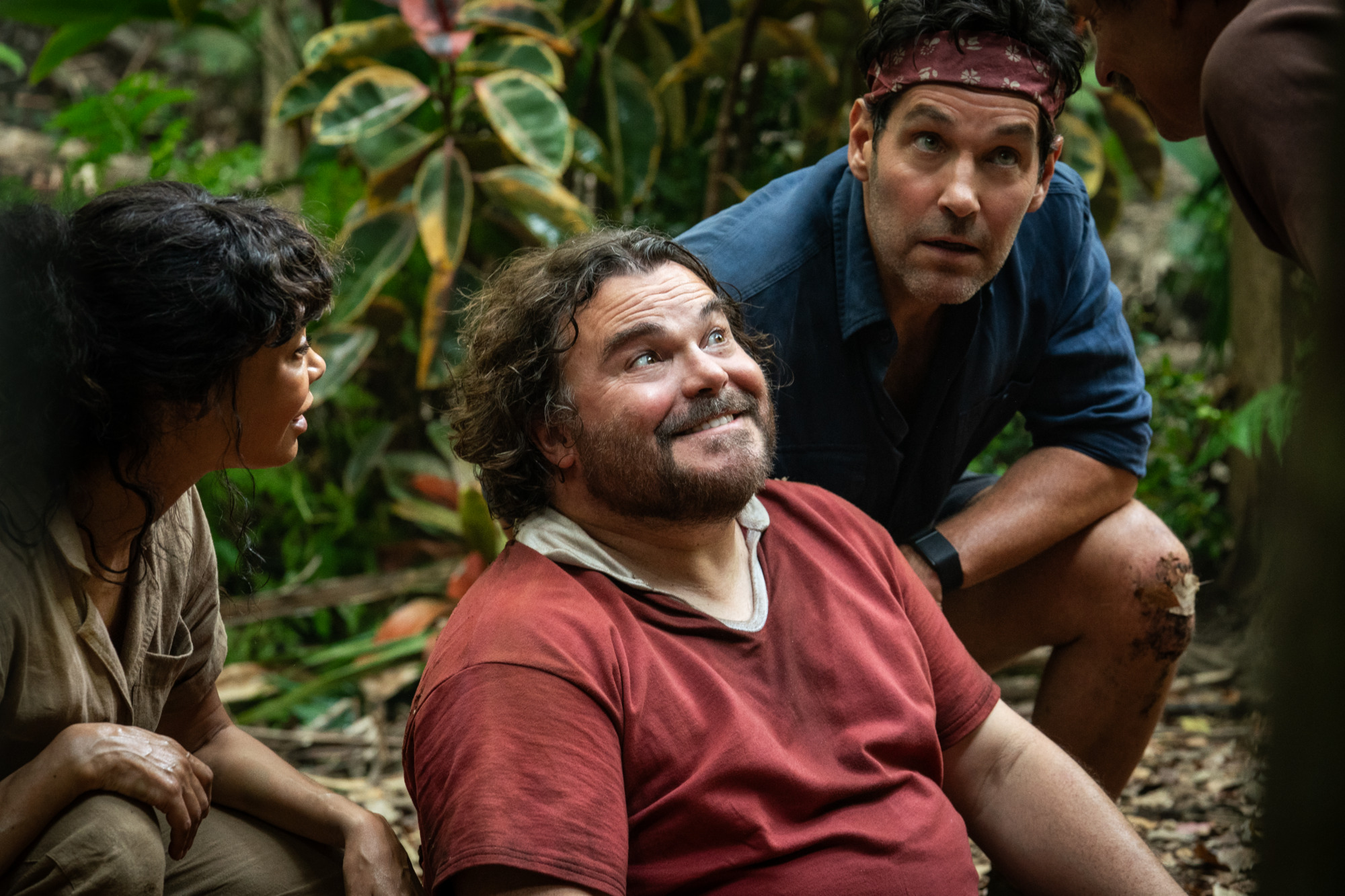

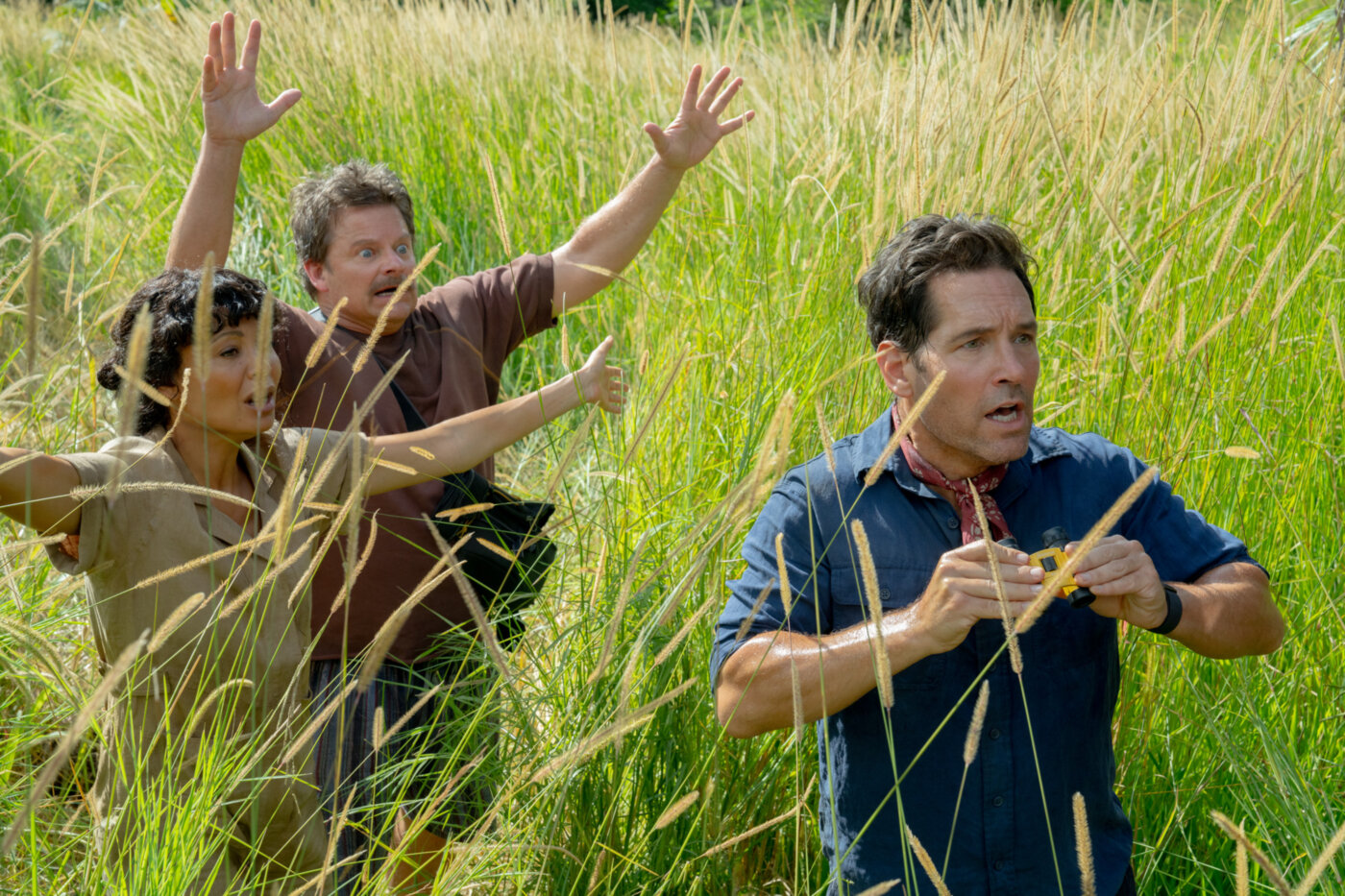
Zahn, meanwhile, operates on a different frequency. Kenny is unreliable, anxious and frequently ridiculous, but he never feels imported solely to deliver punchlines. That matters because the film eventually has to shift from people pretending to make a dangerous snake movie to people genuinely being hunted by a dangerous snake, and a group we actually like can survive that tonal change better than a collection of comedy types.
Then the Fake Snake Problem Becomes a Real Snake Problem
The group’s supposedly manageable production starts collapsing almost immediately. Their snake handler Santiago Braga (Selton Mello) arrives with Heitor, a smaller snake meant for the movie, and a disastrous accident leaves them looking for a replacement. That decision opens the door to Ana Almeida (Daniela Melchior), illegal gold miners and eventually a giant anaconda that is much less interested in film theory than Doug is.

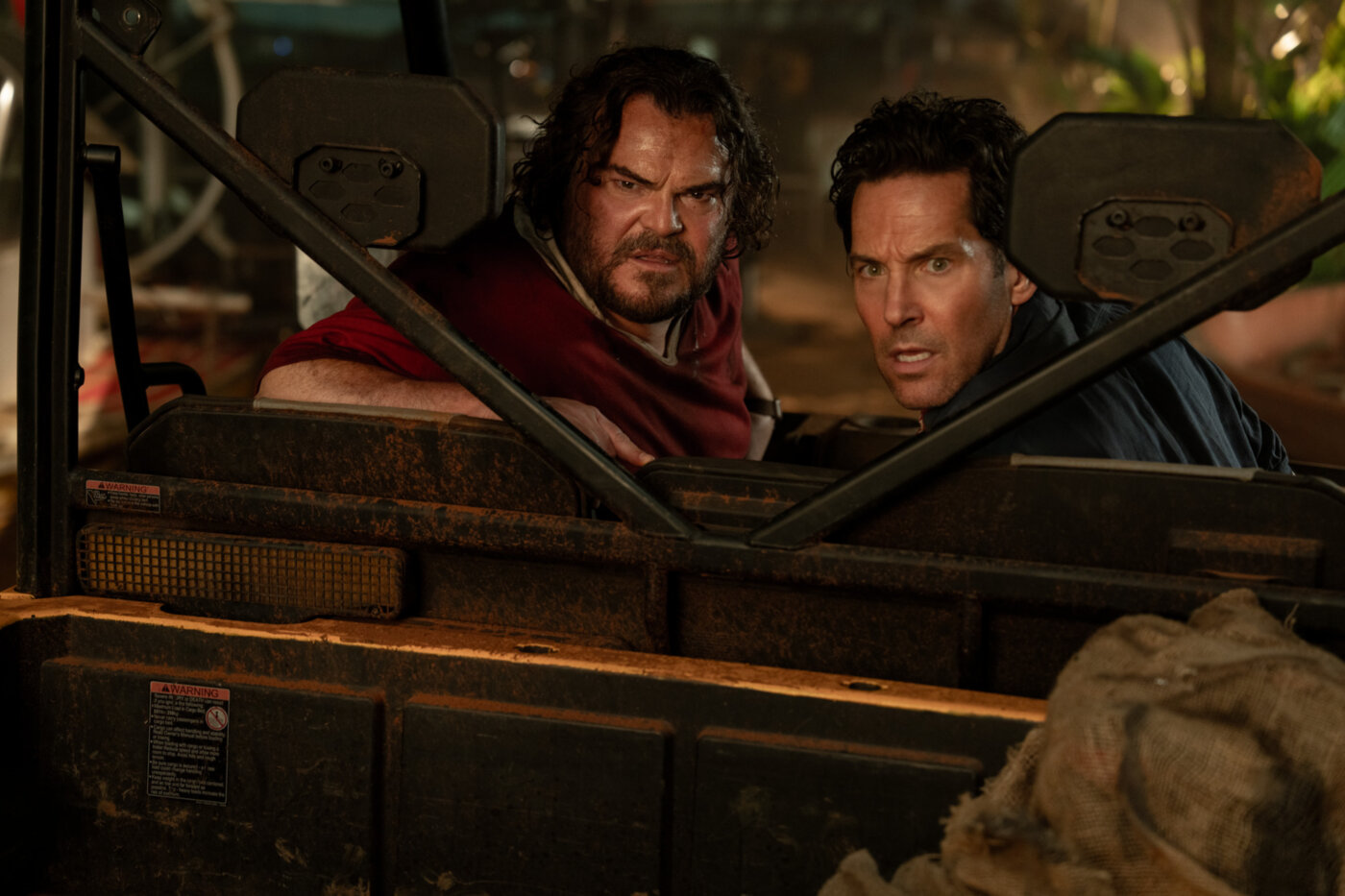

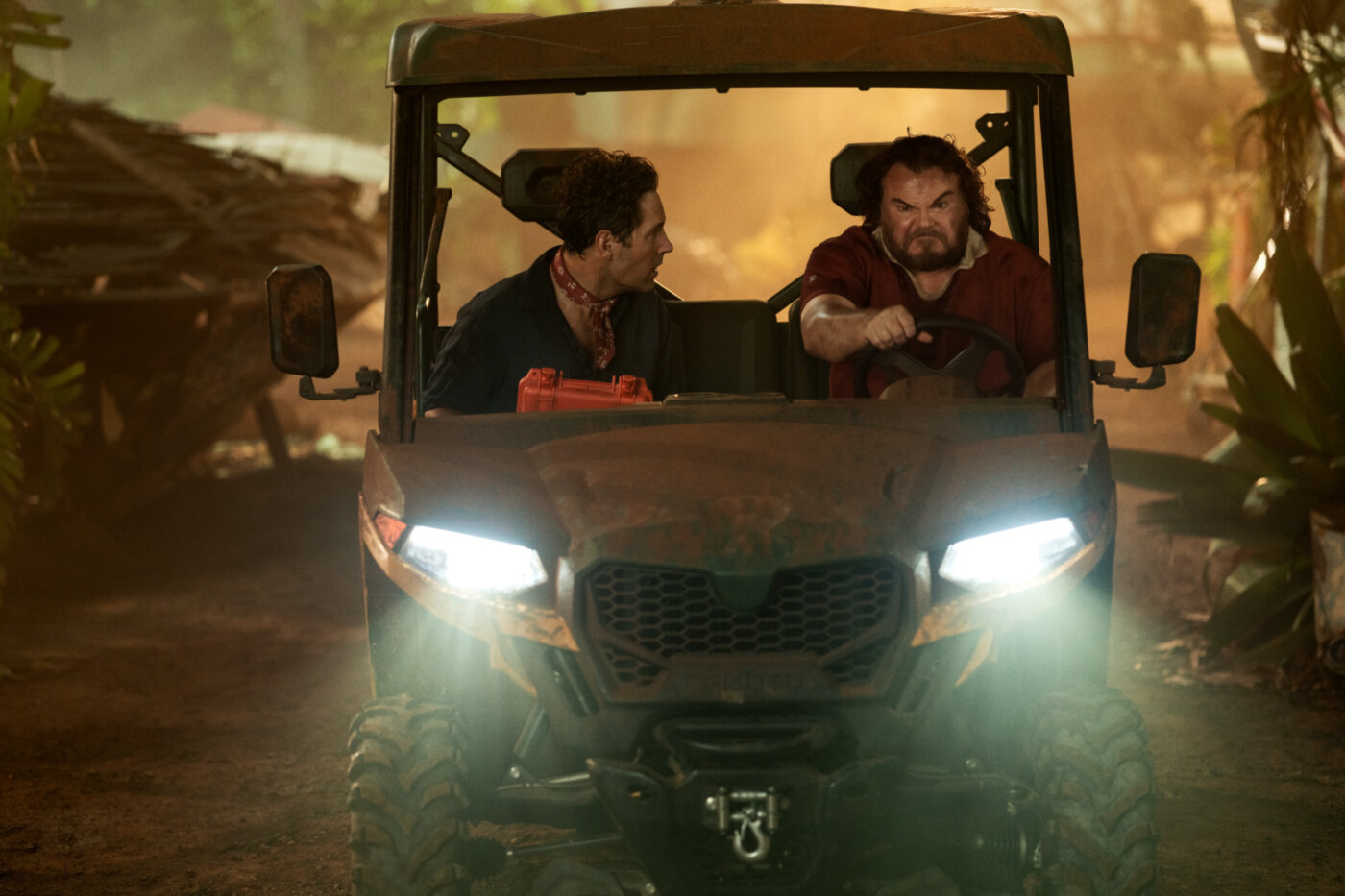
The Ana subplot is where the film gets baggier. It supplies antagonists, bodies for the snake and a more conventional action story, but it also feels like the material the movie believes a creature feature is required to have. I was more interested in Doug becoming increasingly convinced that every catastrophe could somehow be folded back into his film, because anyone who has worked on a creative project past the point of common sense knows that instinct rather too well.
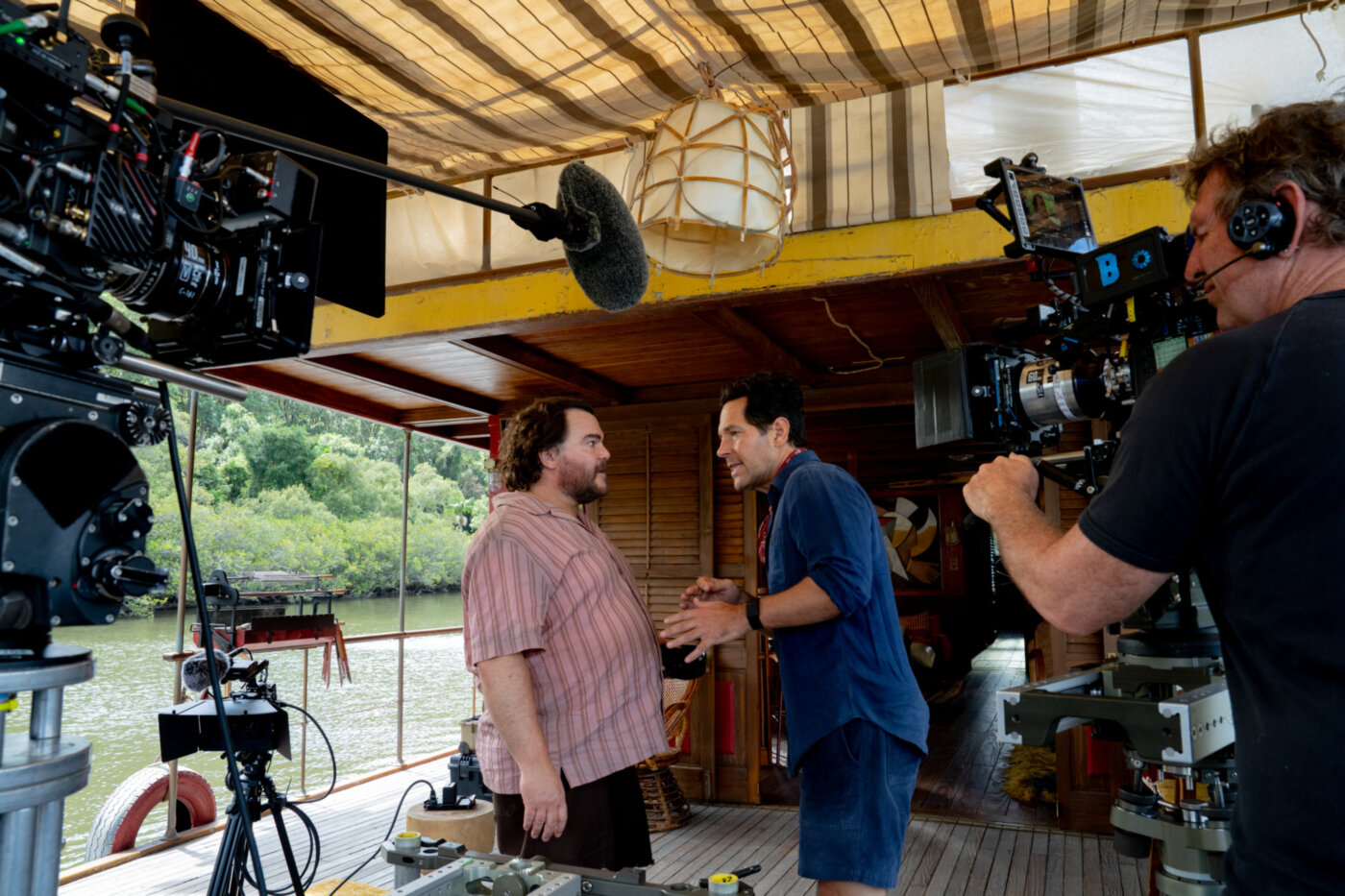
The film was shot in Queensland, Australia, standing in for the Amazon, and the production itself had enough jungle inconvenience to make the fiction feel less abstract. Sony’s Alpha Universe coverage describes a four-and-a-half-month shoot that dealt with remote river locations, heat and even a cyclone that forced the production onto generators. There is something fitting about a movie concerning an underprepared film crew being made under conditions that kept reminding the real crew how difficult jungle filmmaking can be.
Mechanical Weight Versus Digital Freedom
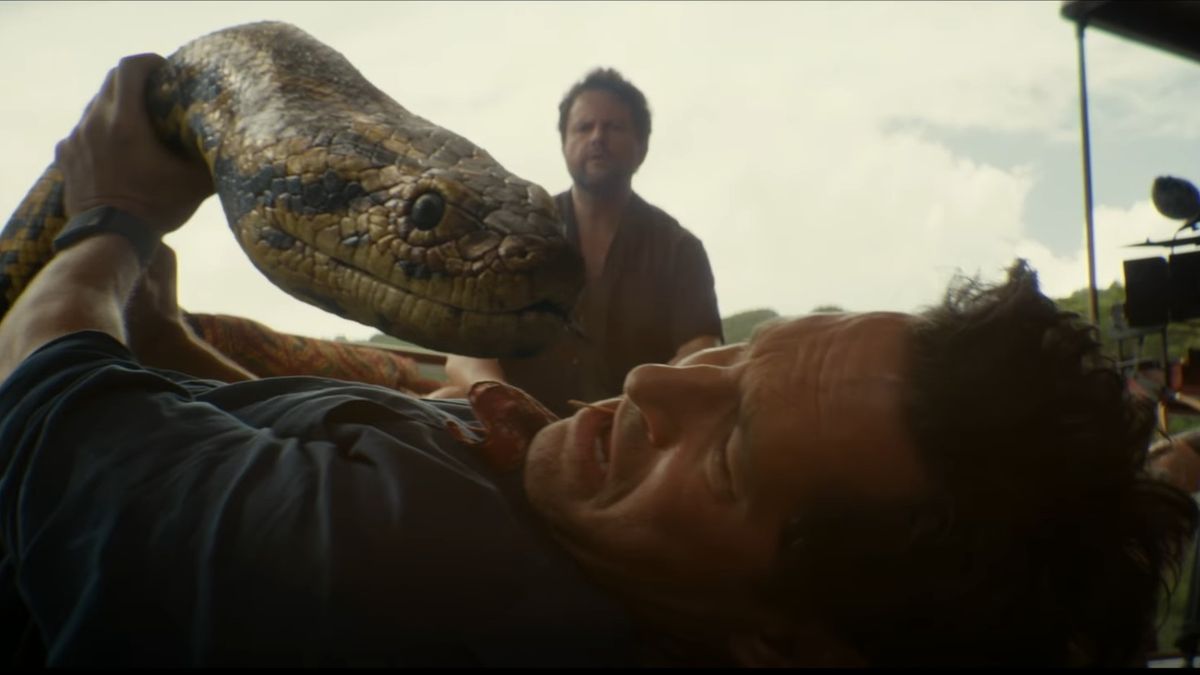
Putting the two films next to each other also makes the change in effects technology impossible to miss. The original used its enormous hydraulic snake whenever it could and CGI when the action demanded movements the mechanical creature could not safely perform. In 2025 the calculation was almost the reverse. ILM explored practical options and a physical model was made for the smaller Heitor, but the filmmakers ultimately decided to create all of the snakes in computer graphics.


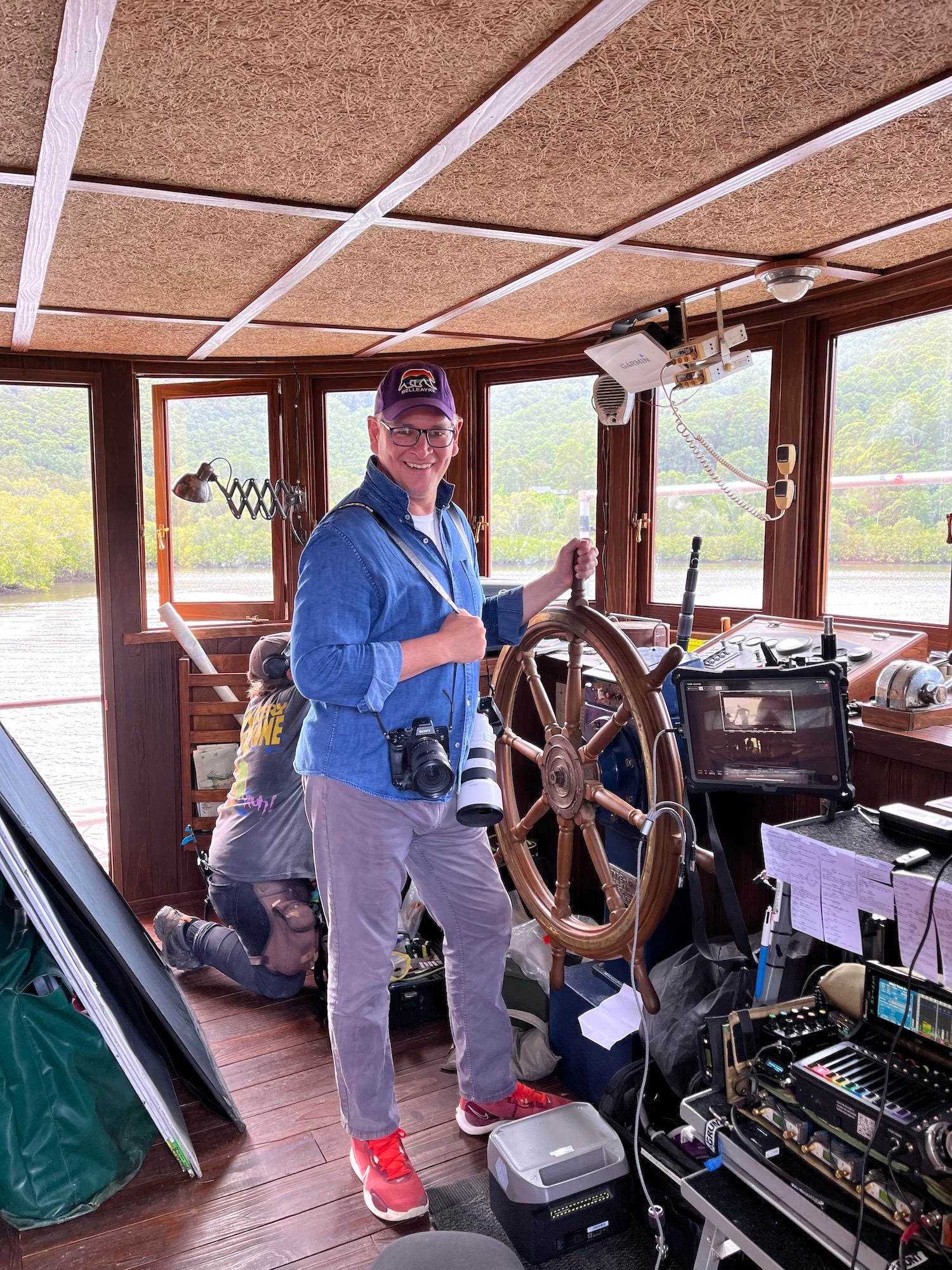

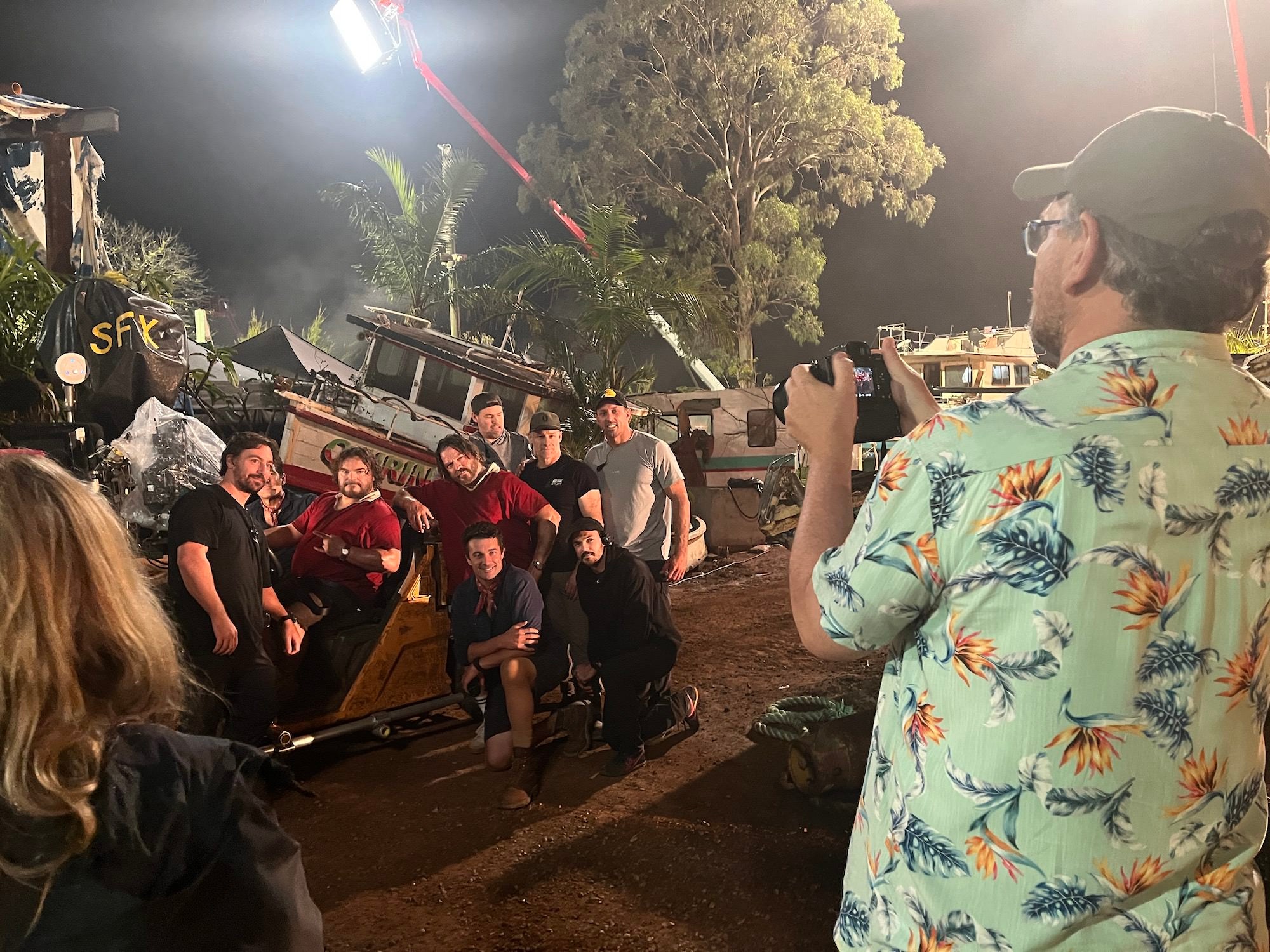
That gives the new giant anaconda far more freedom. It can move quickly through trees, water and open space without revealing the limitations of a multi-ton machine. ILM also adjusted the design away from strict zoological accuracy, lengthening the mouth and sharpening features so the animal would read more immediately as a screen monster. The result is technically more convincing, although I still find the old animatronic more unnerving when it is close to a human body. Perfection and presence are not always the same thing.
The Meta Joke Eventually Eats Its Own Tail
The 2025 film’s biggest swing arrives when Doug and the others discover that they are not the only people making an Anaconda movie. An official studio production has been operating elsewhere in the jungle, and its collapse allows the film to turn the franchise itself into part of the plot. Ice Cube appears as a heightened version of himself rather than Danny Rich, arriving in a deliberately heroic fashion that feels less like continuity than a collision between the old film and the people who grew up quoting it.


Jennifer Lopez turns up later as herself as well. Her cameo is brief, but it completes the joke: she has seen Doug’s homemade film, likes what he did and wants him to direct a new Anaconda project. That final beat is the whole movie compressed into a joke. The amateur remake made out of affection gets swallowed by the official franchise machine, except this time the person who made it is invited inside.
The Numbers Are Strangely Symmetrical Too
There is one more odd detail about this double feature: the two films ended up remarkably close at the worldwide box office. The 1997 film finished at about $136.9 million, while the 2025 film reached roughly $135.4 million. That does not make them equivalent successes once inflation, budgets and nearly three decades of changes in theatrical economics are taken into account, but the near-match is almost too neat for a franchise this fond of swallowing its own history.
The critical numbers tell a different story from the mythology around them. As of September 2026, Rotten Tomatoes lists the 1997 film at 41 per cent from critics and 24 per cent from audiences, while the 2025 film sits at 48 per cent from critics but a much warmer 74 per cent from verified audiences. Those percentages will move as reviews accumulate, but they underline something the double feature makes obvious: neither film’s long-term appeal can be reduced neatly to what reviewers thought during its opening week.
What Changed, and What Did Not
The original succeeds by refusing to admit it might be ridiculous. Everyone behaves as though the giant snake, Serone’s obsession and the steadily deteriorating expedition are deadly serious, which leaves the audience free to decide whether to be frightened, amused or both. That lack of irony is a large part of why it became so easy to love later. It never stops the action to explain its own campiness.
The 2025 film begins from the opposite position. It knows the memes, the reputation and the peculiar place the 1997 movie occupies in people’s memories, so it cannot reproduce that innocence even if it wanted to. Its solution is to make nostalgia itself part of the story. Doug and Griff are not simply returning to an old IP; they are trying to return to a version of themselves, which is a far more recognisable midlife fantasy than hunting a forty-foot snake.
I suspect that is the real reason this particular joke travelled better than I expected. The new film needs the original to have been taken seriously, however questionable some of its choices now look. Without that earnestness, there would be nothing quite so strange to inherit. That is also why the film works for me when its plotting gets messy. I understand the impulse to revisit the thing that lit you up when you were younger and see whether it still has any electricity left in it. Sometimes it does. Sometimes what you recover is not the old feeling but a clearer view of why the old feeling mattered in the first place, which is probably more useful anyway.
Two Movies, One Very Long Snake
By the time I finished the 1997 film that night, the double feature felt less like nostalgia and more like a small demonstration of how movies acquire second lives. Llosa’s Anaconda went out into the world as a glossy creature thriller, was laughed at, quoted, replayed and gradually adopted as a cult favourite. Gormican’s film arrives already knowing that whole history and builds its story around people who love the original partly because of its imperfections rather than in spite of them.
I still prefer the physical menace of the 1997 snake, and Voight remains almost impossible for the newer film to compete with because no digital creature can chew scenery quite that aggressively. But the 2025 film finds something else worth keeping: the idea that loving an imperfect movie can be a creative act rather than merely an exercise in nostalgia. Doug and Griff make their ridiculous film because it once meant something to them, and by the end that seems less foolish than it did at the start.

Perhaps that is the right way to watch both Anacondas. The first is a movie that accidentally became funnier, stranger and more beloved as the years passed. The second is a movie about what happens when people who grew up with that reputation decide to crawl back into the jungle and play with it. Nearly thirty years apart, both ultimately depend on the same old promise: put a group of people on a boat, give them terrible judgement, then make the snake much bigger than anyone reasonably needs it to be.
Leave a Reply