
Spoiler note: this piece discusses all three stories in KMJS’ Gabi ng Lagim: The Movie, including major reveals and the ending.
A Film I Didn’t Go Looking For
I did not go looking for Gabi ng Lagim: The Movie, which probably shaped how I watched it. It was one of those random streaming discoveries, the sort of thing that turns up because the algorithm has decided you are interested in local horror, mildly cursed anthologies, or whatever category sits between “you watched something Filipino once” and “please remain on this platform for another two hours”. I had seen reels and bits of promotion drifting around social media, enough to recognise the title, but it had never become something I was actively looking for. Then there it was on Prime Video, and curiosity did what anticipation used to do.
Streaming has made this kind of viewing strangely ordinary. There is no video-shop box to turn over, no cover art to interrogate, no small act of commitment involved in carrying something to the counter. Even a bad rental used to demand a little more effort. We scroll until a title catches, then press play before we have properly decided whether we care. Gabi ng Lagim: The Movie was exactly that sort of watch for me: not an event, not a nostalgic return, just something that appeared at the right moment when I was willing to give a Filipino horror anthology nearly two hours of my evening.
Prime Video lists the 2025 film at 1 hour and 56 minutes and describes its three stories in admirably blunt terms: a ship cadet encountering a pocong, bodies disappearing in connection with a berbalang in 1967, and a young woman named Angel possessed by thousands of demons. The film opened in Philippine cinemas on 26 November 2025, then arrived on Prime Video in the Philippines on 26 June 2026, where GMA reported that it reached the service’s number-one film position a few days later. None of that made me any more predisposed to like it, but it explains why the algorithm had suddenly decided I should see it.


A Television Ritual with a Cinema Ticket
The title means more if you already have a relationship with Kapuso Mo, Jessica Soho and its annual Gabi ng Lagim Halloween specials. I do not, at least not in the way viewers who grew up with the ritual do. I understand the appeal from the outside: a familiar presenter, supposedly real encounters, dramatized hauntings, family members insisting they are not scared while quietly reconsidering the walk to the bathroom. Television horror specials occupy a peculiar place between reportage, folklore and seasonal habit, and that mixture can make rough edges work in their favour rather than against them.
GMA framed the movie as a big-screen expansion of that annual tradition, with Jessica Soho presenting three researched stories inspired by reported experiences. The network said the television special had accumulated more than 700 million online views since 2013. For the film, Yam Laranas directs “Pocong”, Dodo Dayao directs “Berbalang”, and King Mark Baco directs “Sanib”; GMA Pictures and GMA Public Affairs produced it, with Columbia Pictures handling theatrical distribution for Sony Pictures Releasing International. That background explains the film’s basic grammar. Soho introduces a world in which testimony matters, the dramatizations supply the faces and scares, and each story arrives with a sense that somebody, somewhere, insists something like this really happened.

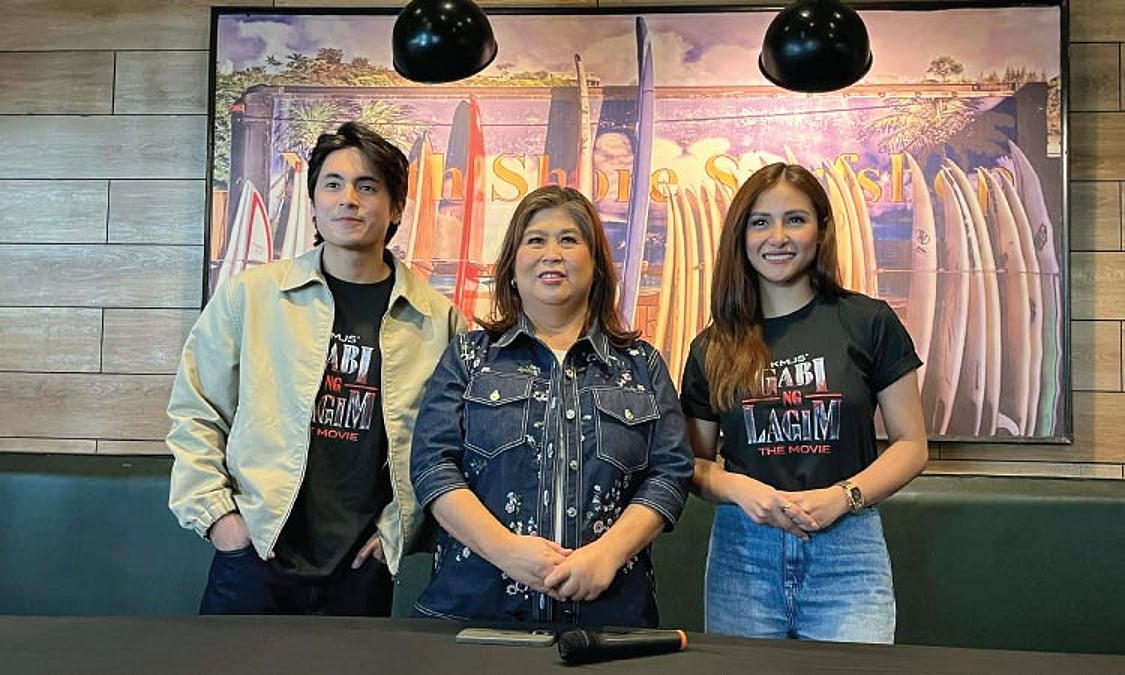
That television inheritance is also where the film starts to come apart for me. A home-viewing segment can survive on looseness. The host’s authority and the claim of a real encounter can fill gaps that would otherwise be visible. Cinema is less forgiving. It asks for escalation, character, rhythm and visual logic to work together, not merely for a series of incidents to be arranged in the correct order. Gabi ng Lagim: The Movie often looks as if everyone involved knows the vocabulary of horror filmmaking — shadows, angles, religious imagery, ominous corridors, things waiting at the edge of frame — but the sentences formed from that vocabulary are oddly hesitant.


That is more frustrating than simple ineptitude. When a film is obviously made without enough craft or resources, the shortcomings are easy to understand. Here, the craft is visible. There are good actors, experienced directors and individual images that work. I kept noticing the ingredients while wondering why the finished thing felt less persuasive than they suggested it should.
“Pocong”: A Haunted Ship Does Most of the Work
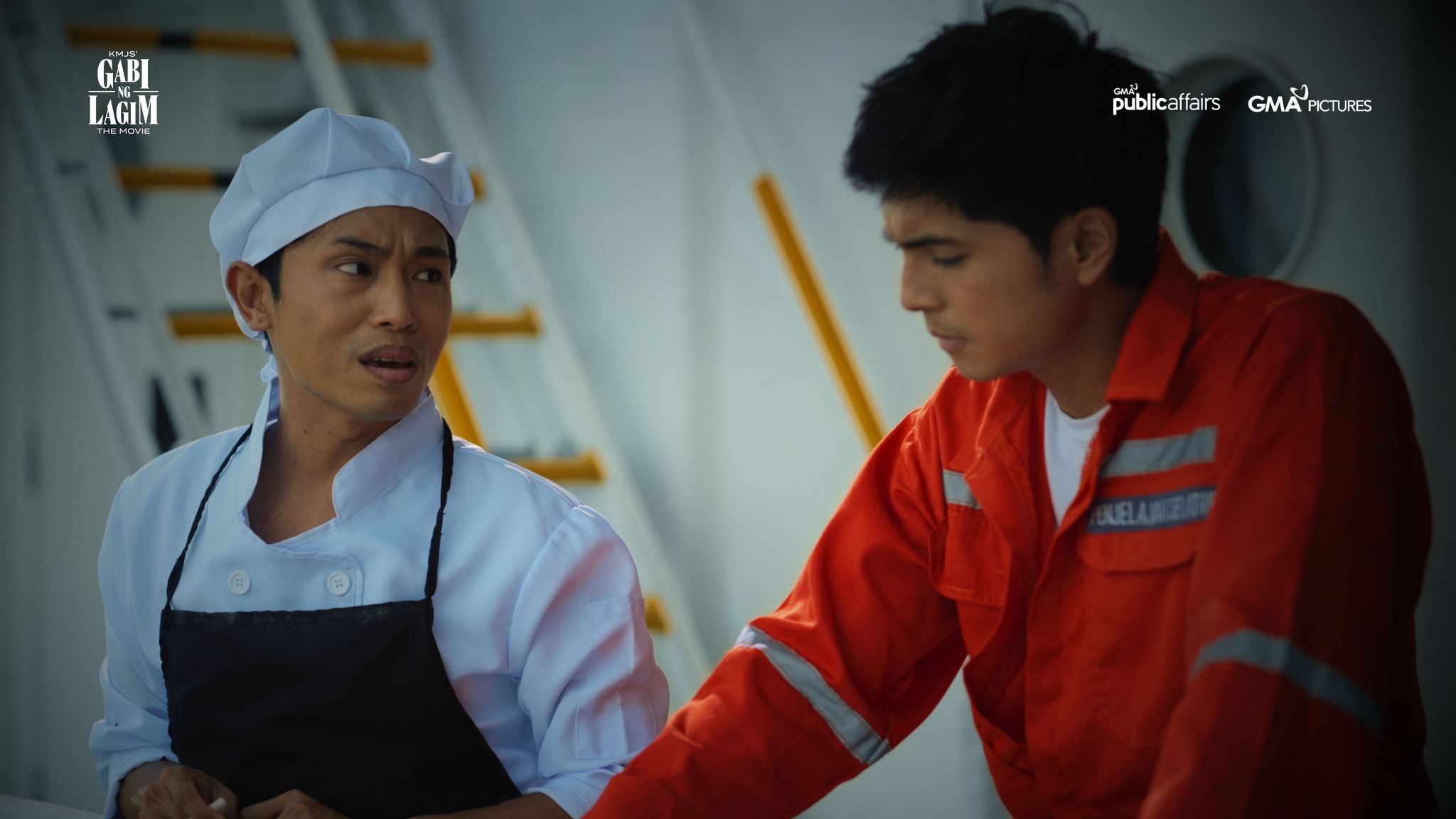
Of the three segments, “Pocong” was the easiest for me to settle into. Directed by Yam Laranas and led by Miguel Tanfelix as Mark, it follows a cadet seafarer whose first voyage becomes entangled with sightings of a pocong, the shrouded ghost associated with Indonesian and Malay folklore. Mark’s ability to see what others cannot gives the story familiar horror machinery, but the ship does more for the segment than almost anything else. A working vessel is already a useful horror location: metal corridors, shared quarters, engine noise, rigid hierarchy, bad sleep and nowhere sensible to escape to once the sea has swallowed the horizon.

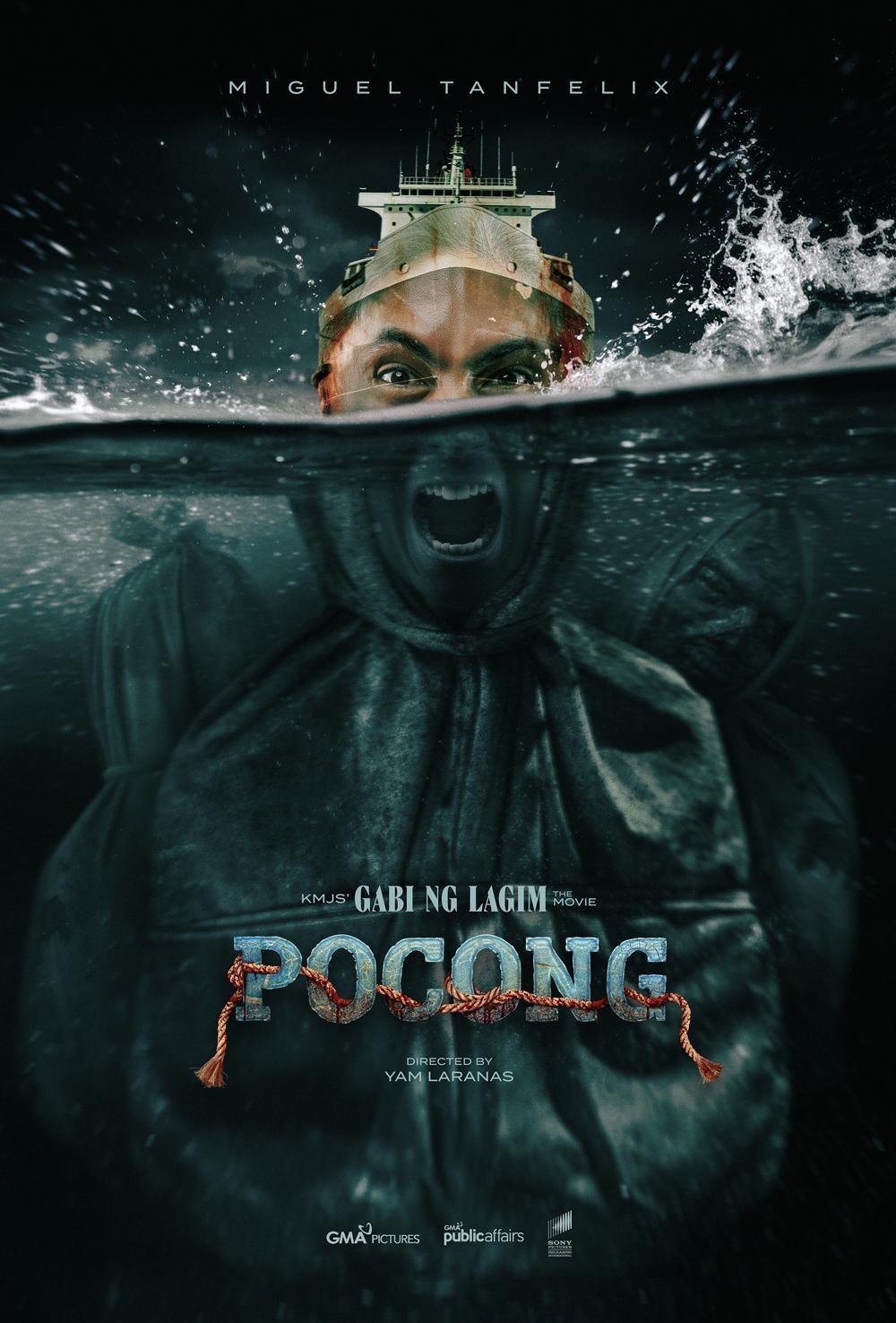
The setting gives Mark’s uncertainty somewhere to live. Tanfelix does not play him as a broad horror hero; he looks like someone trying to decide whether what he is seeing is real before anybody around him decides he is unstable. That social embarrassment — the possibility that you are the only person seeing the wrong thing — is often more useful than an early jump scare. The sea adds another layer because the characters are physically close together while being very far from home, a condition that should make every warning and every death feel heavier.


I only wish the story had done more with that situation. I do not have deep cultural familiarity with pocong folklore, so I was coming to the creature as an outsider. That could have been an advantage. Filipino seafarers encountering an Indonesian or Malay supernatural belief creates an interesting borderland of labour, migration and superstition: old fears travelling with modern workers, crossing national lines as easily as ships do. The film gestures towards that possibility, but mostly uses the apparition as a warning sign. I understood that Mark was supposed to fear it; I was less convinced that the film had given me enough reason to fear this particular ghost rather than simply register its arrival.

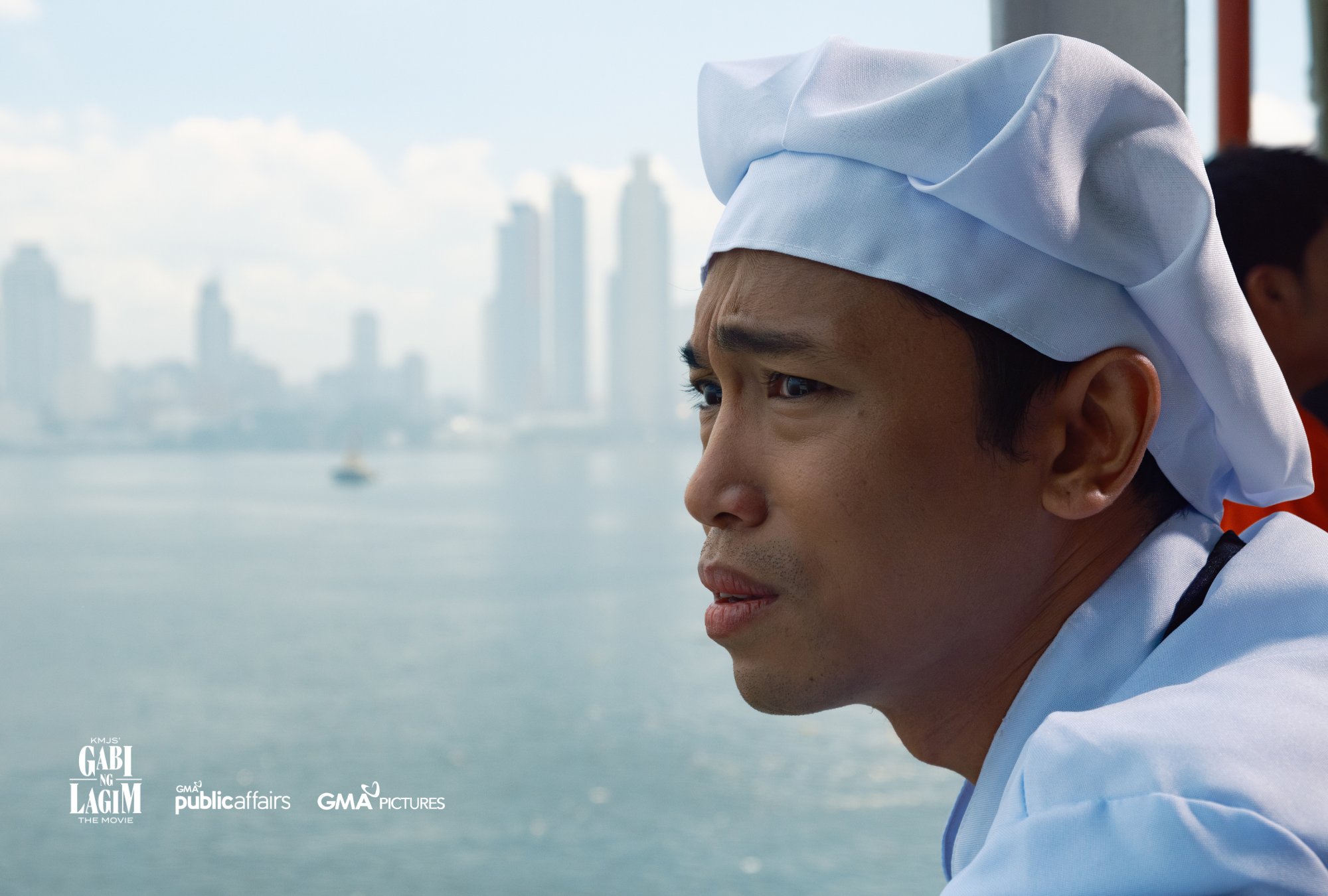
Still, “Pocong” is the most controlled part of the anthology. It has a clean premise, a location with built-in pressure and a central performance that does not push too hard. The supporting crew could have had more individual weight, because deaths matter more when the people being lost feel like people rather than marks on the story’s timetable, but the segment at least understands what sort of film it wants to be. In this anthology, “it mostly works” begins to sound like fairly sturdy engineering.

“Berbalang”: The Richest Folklore, the Weakest Grip
“Berbalang” should have been the segment most naturally aimed at me. It has folklore, a period setting, a stolen corpse, rural suspicion, family loyalty and a flesh-eating creature associated with the southern Philippines. Written and directed by Dodo Dayao, it pairs Sanya Lopez and Elijah Canlas in a story set in 1967, with a town trying to understand why a freshly murdered body has vanished from the morgue. On paper, that is excellent horror material. Even the dead are not allowed to stay undisturbed.

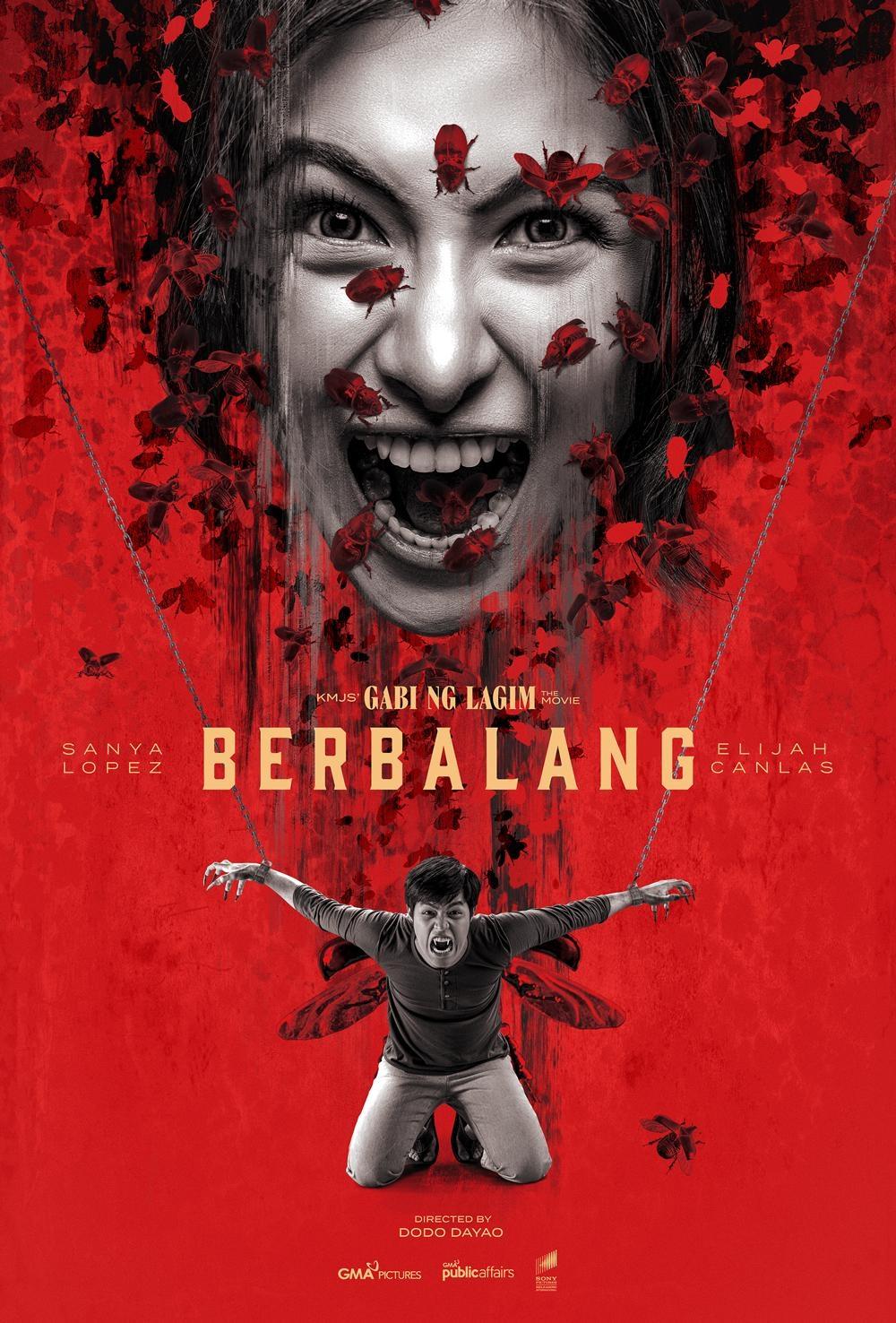
The segment also has the most promising emotional idea. Canlas’s Kain is not simply a monster to be discovered; his condition puts family care, fear and complicity in the same room. Lopez’s Delilah becomes the protective force around him, and that is where I wanted the story to stay longer. What do you do when the person you love is also the thing everybody else believes must be destroyed? At what point does protection become another form of harm? There is a larger, sadder film hiding in those questions.

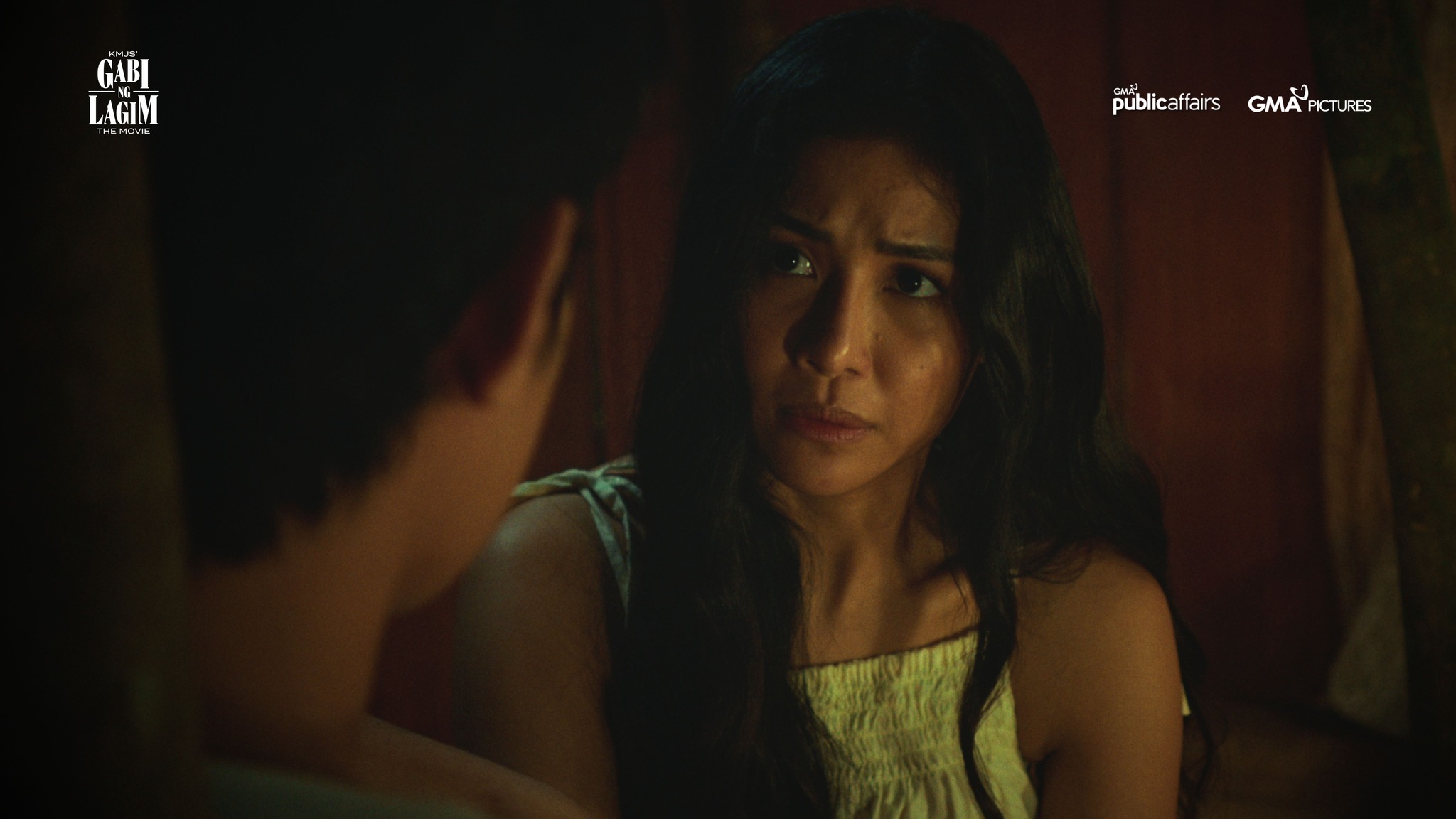
Instead, I kept feeling at a distance from the dramatization. Part of it is the way the period world has been designed. The cowboy-inflected costumes worn by some authority figures pulled me out almost immediately. There may be historical or regional reasoning behind the styling, and I am not claiming the clothes are impossible, but on screen they kept announcing themselves as costumes rather than quietly establishing a world. Design can be stylised without becoming distracting. Here I kept noticing the outfit before the person wearing it, which is usually a sign that the balance has gone wrong.

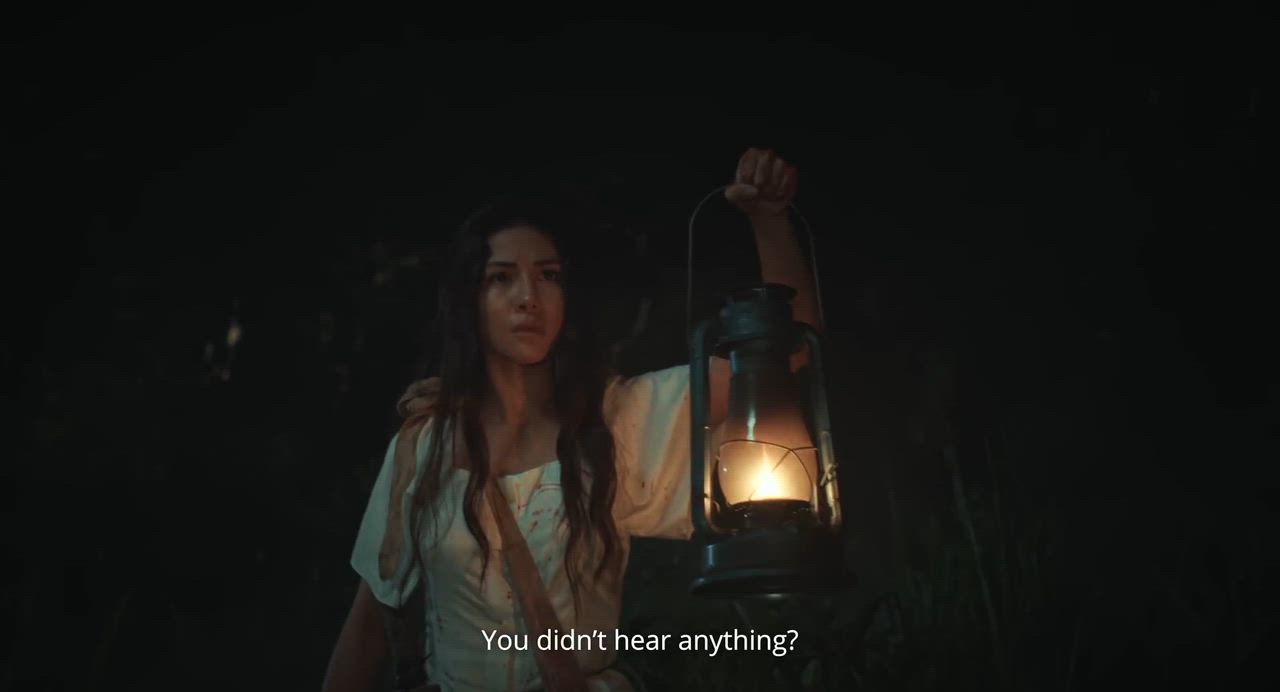
The creature has the opposite problem. Horror can survive modest effects when the staging protects them, but the more completely a monster is shown, the more it has to withstand scrutiny. “Berbalang” is strongest when hunger, inheritance and rumour are doing the work. Once the creature becomes too literal, the imagination gets laid off. The segment wants to combine folk horror, police brutality, family tragedy and creature feature, and none of those ingredients is inherently wrong; there are simply more of them than the running time can properly cook.
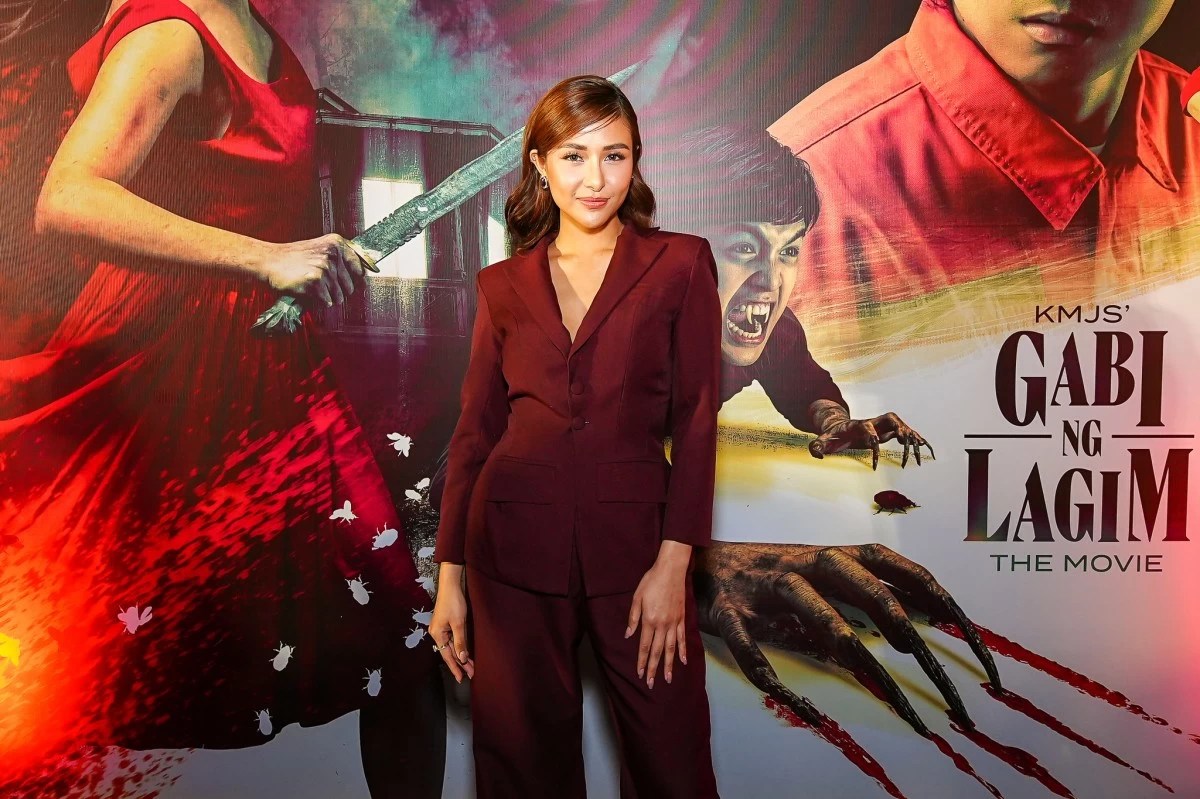
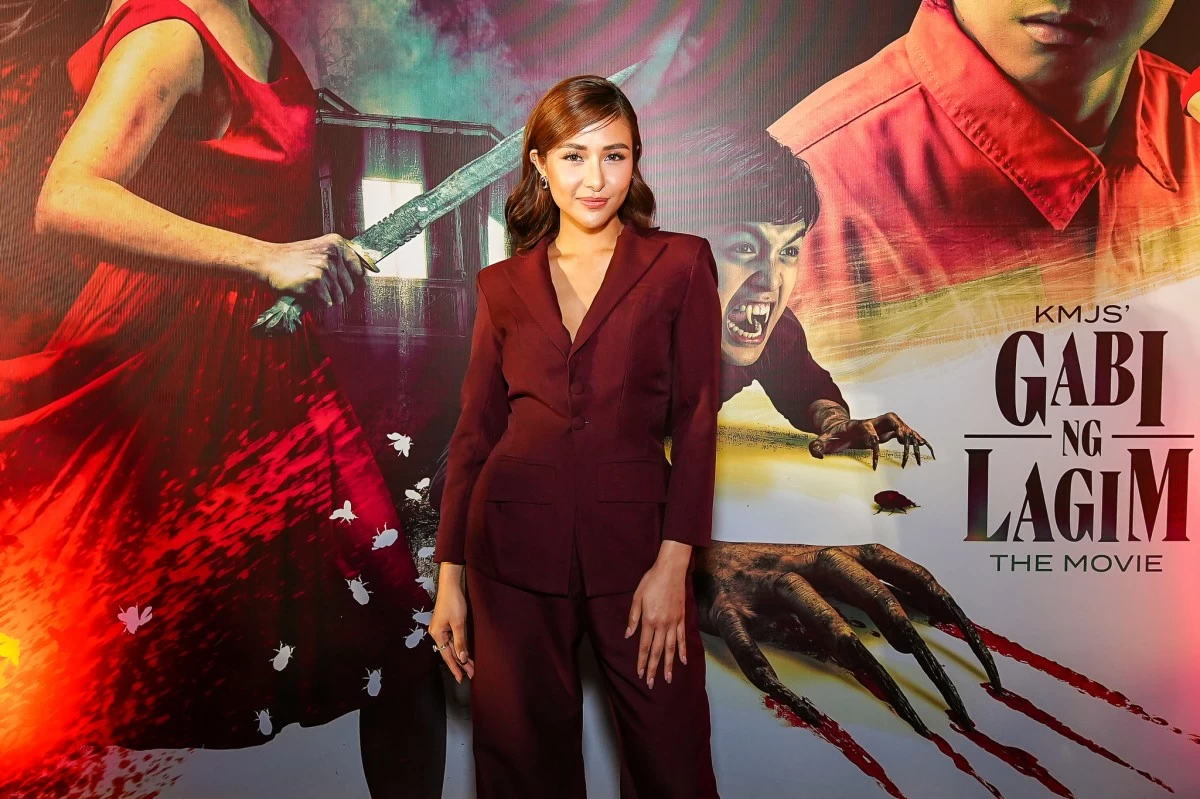
That is why this one frustrated me more than “Pocong”. The first story is thinner but steadier. “Berbalang” has more ambition, more cultural texture and more emotional possibility, yet it keeps bumping into its own choices. It stumbles with its arms full, which is still more interesting than having nothing to carry, but it does leave you thinking about the film that might have emerged if the segment had been allowed to breathe.
“Sanib”: Too Much Demon, Not Enough Dread
Then comes “Sanib”, starring Jillian Ward as Angel and directed by King Mark Baco from a screenplay by Anton Santamaria and Onay Sales-Camero. This is where the film lost me most completely. Possession horror arrives with a warehouse of pre-owned furniture: suffering young woman, frightened family, priests, scripture, religious objects, distorted voices, bodies behaving badly and a demon with impeccable timing. None of those elements is unusable, but a new possession film needs conviction, cultural specificity, psychological precision or formal control to make them feel dangerous again.

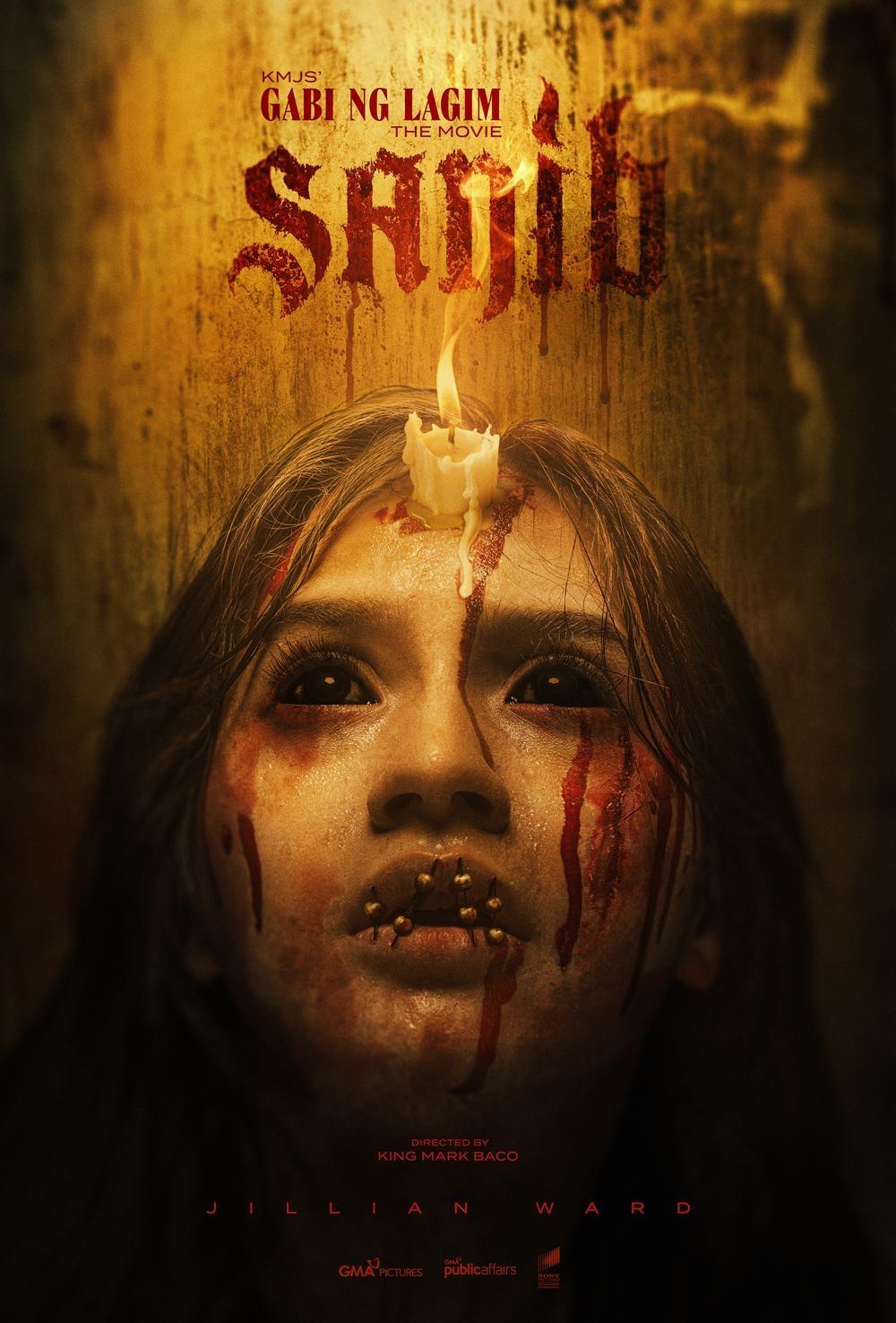
“Sanib” goes for volume. Angel’s possession is linked to emotional wounds and family pain, which could have given the story an uncomfortable psychological edge, but the film keeps turning outward when it needs to go inward. Ward commits to the physical demands of the role and gives the chaos a human centre when she can, yet the segment repeatedly reaches for the next effect instead of letting one frightening idea settle.

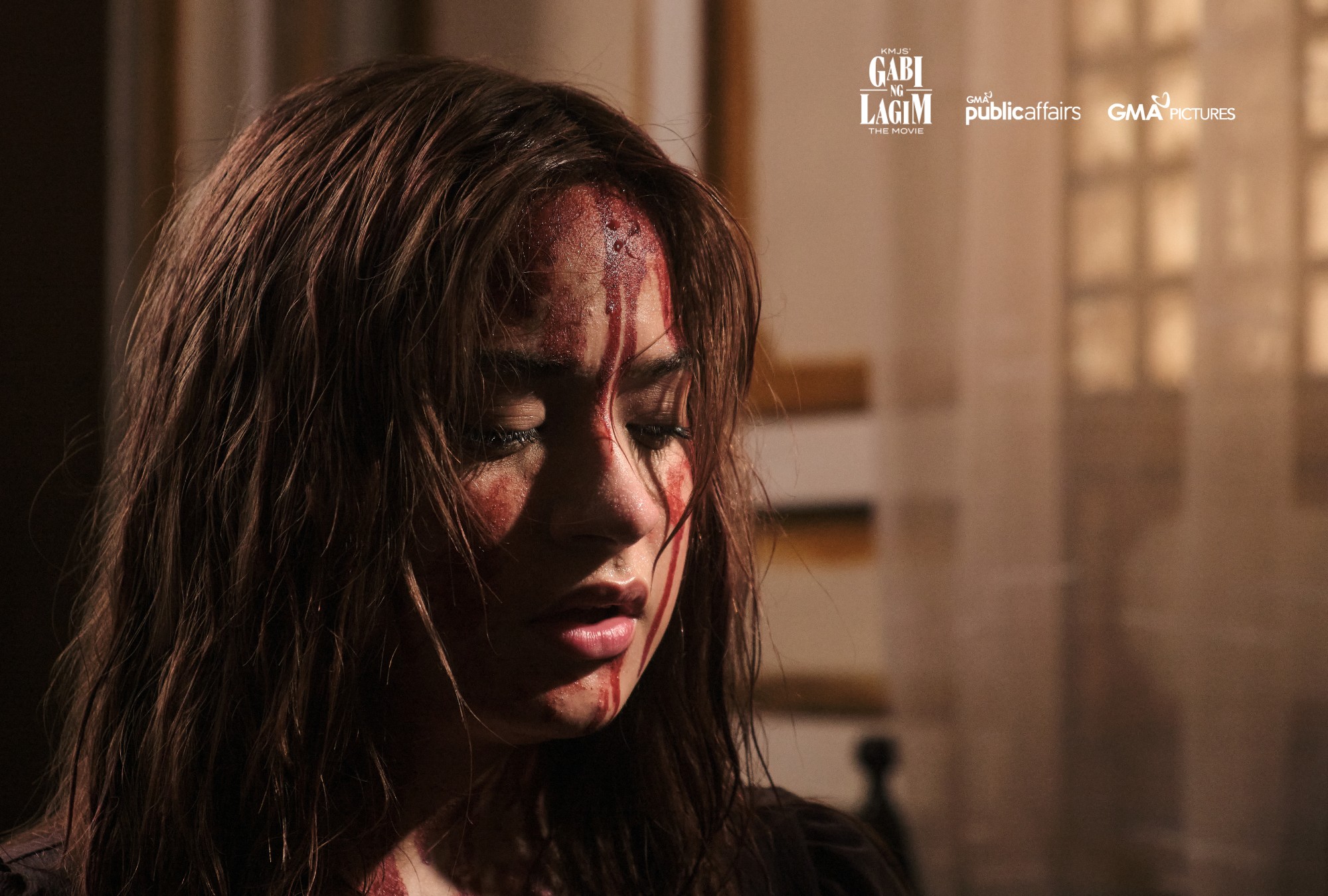
The repeated invisible choking is the clearest example. Invisible pressure on a throat should be frightening because it makes violence both intimate and unreachable. The first time it happens, the effect tells you that the entity can hurt somebody without crossing the room. Once it becomes a recurring move, however, it begins to feel less like demonic power and more like the demon has found one button on the controller and refuses to try anything else. By the time I was mentally calling it the Force choke, the scene had already lost the argument.

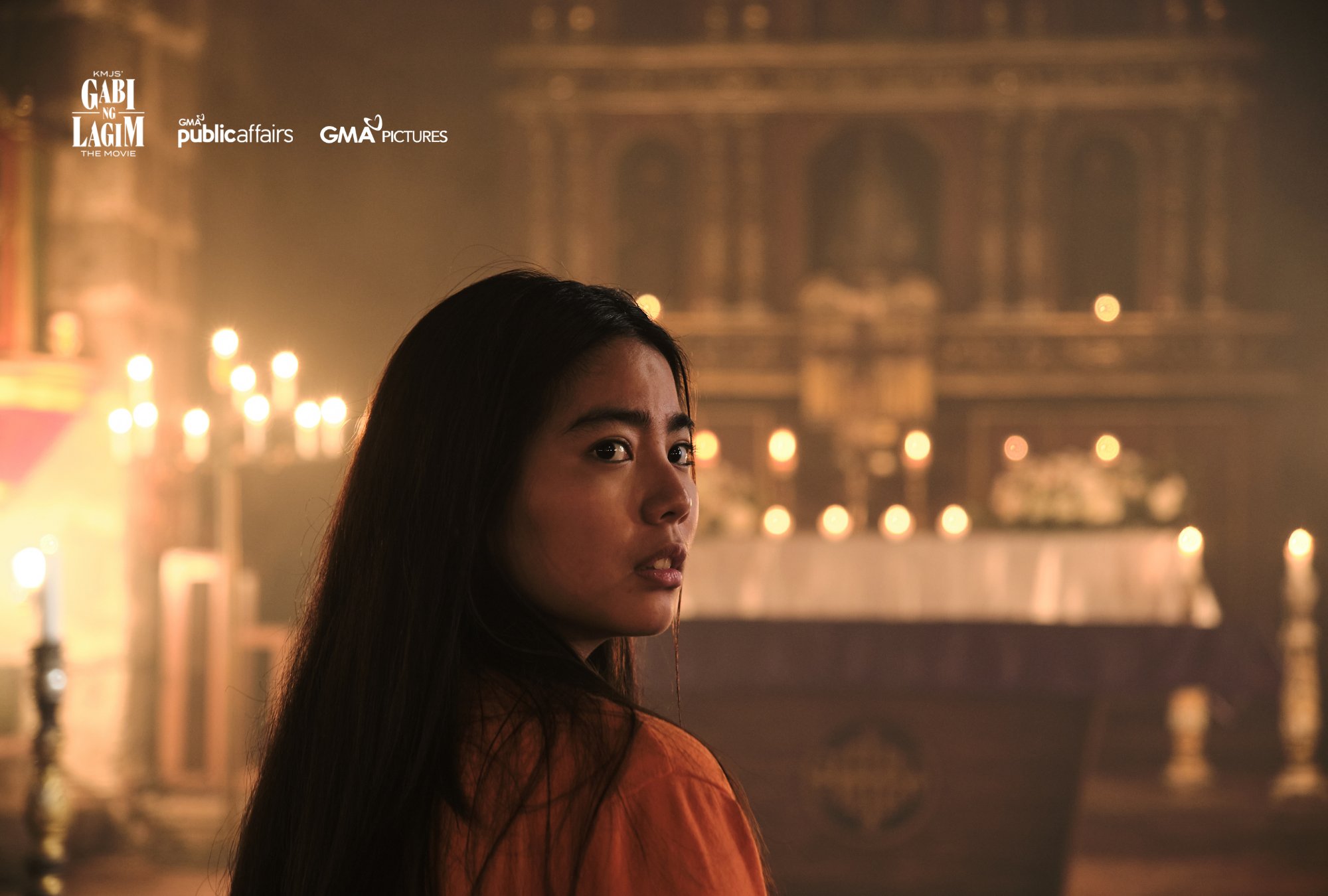
The religious clue is where the mechanics become impossible to ignore. A church painting points towards the demon’s identity and a biblical passage, which in theory could have been eerie: sacred art holding some old warning that nobody understood until it was needed. Instead, the chapter-and-verse reference is practically labelled for retrieval. Rather than feeling like revelation, it feels as though the screenplay has attached a Post-it note to its own clue. Horror can live on coincidence, but the best supernatural stories transform coincidence into fate, pattern or curse. Here it feels like information delivery.

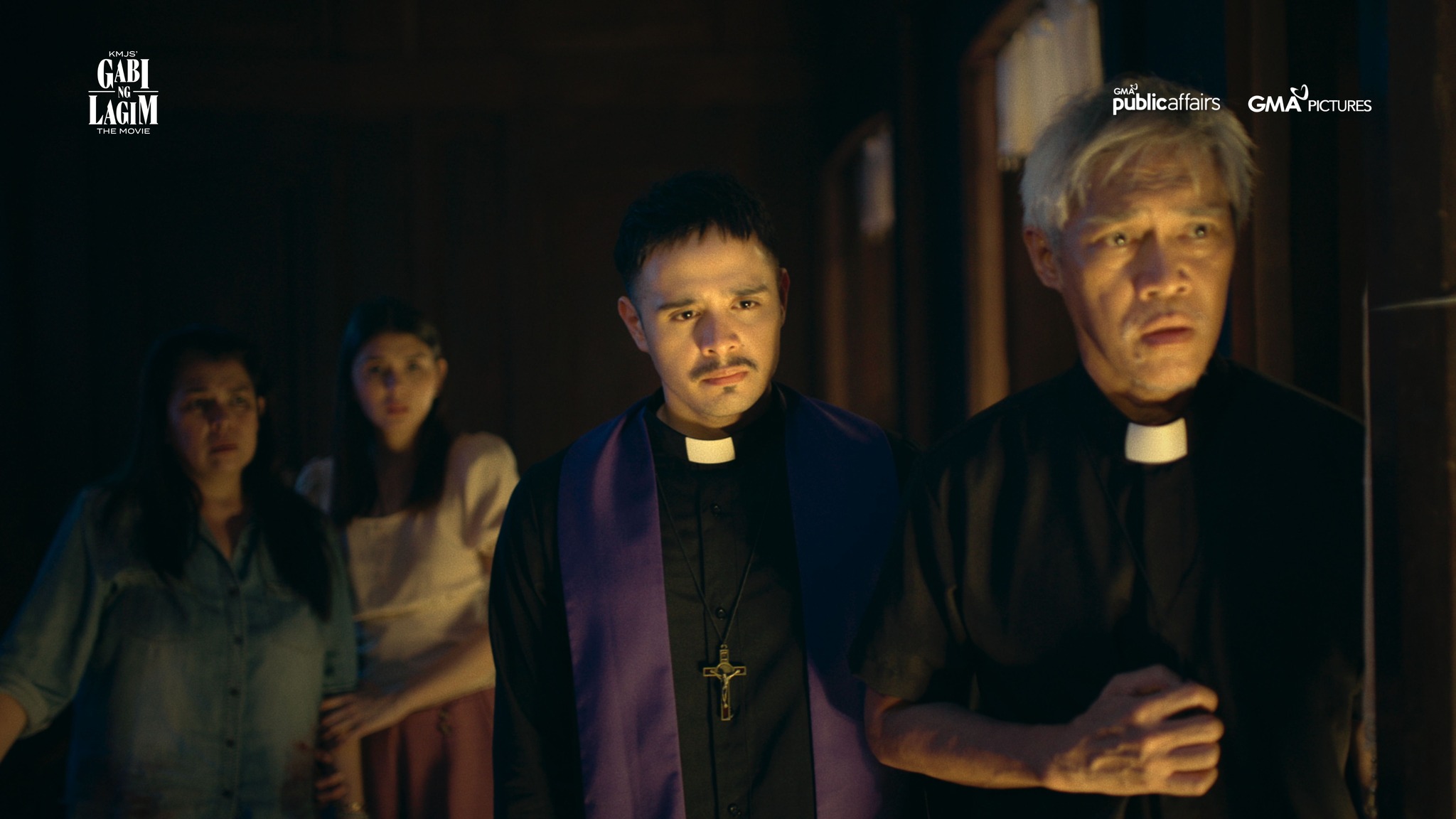
I also found the link between Angel’s suffering and the demon’s access too blunt. Horror has always used grief, loneliness, guilt and trauma as doors, but there is a fine line between exploring vulnerability and implying that emotional damage is a spiritual security flaw. “Sanib” does not give that idea enough room or care. It wants faith, woundedness and evil to occupy the same story, yet its loudest choices keep reducing them to exorcism mechanics.

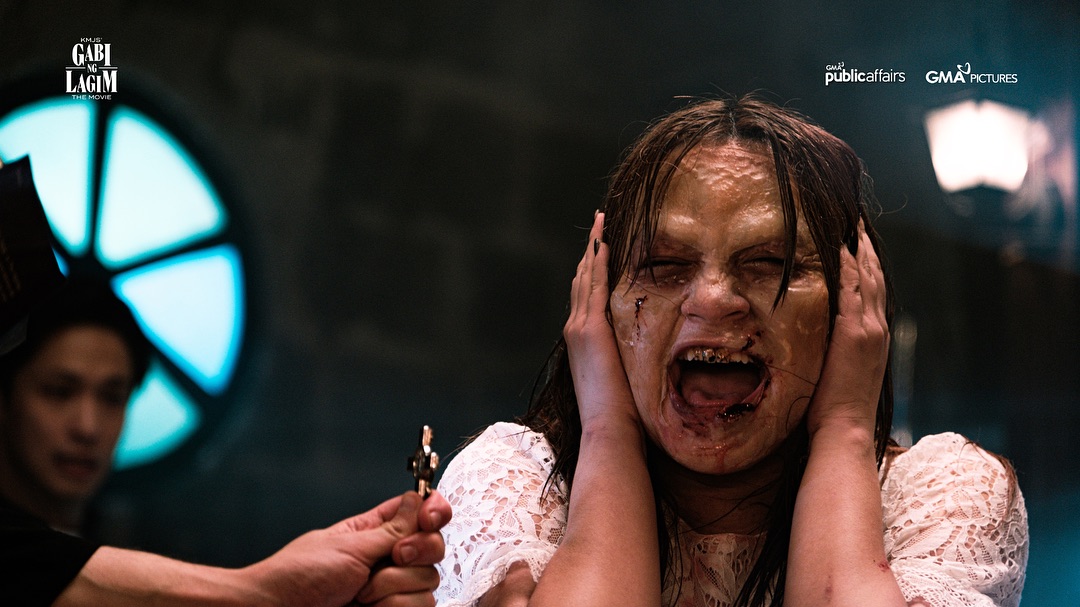
By the end, I was watching pulleys rather than haunting. The demon has a name, the clue has a location, the priests have their test, and the effects have somewhere to go. Everything is legible. The problem is that legibility is not the same as conviction. The segment explains its supernatural machinery so thoroughly that there is very little darkness left for the viewer to supply.
Jessica Soho and the Problem of Belief
Jessica Soho is not simply a presenter added around the stories. She is the bridge between the film and the television ritual it comes from, and that bridge carries a particular kind of authority. The Gabi ng Lagim format asks viewers to receive these stories not as pure inventions but as dramatized accounts rooted in testimony. On television, that can create a useful ambiguity. The reconstruction may be heightened, but the journalistic framing gives the unease a bureaucratic stamp: somebody reported this, somebody investigated it, somebody still believes it happened.


The feature-film format complicates that agreement. Everything is larger, more acted, more lit, more designed and more obviously manipulated. The more cinematic the dramatizations become, the more the “inspired by real events” framing rubs against visible genre machinery. I kept wondering what kind of truth the film actually wanted me to preserve: eyewitness truth, folkloric truth, emotional truth, a moral lesson, or simply the useful shiver that comes from being told somebody swears this happened. The film reaches towards all of them without always separating them.
Knowing the Shots Is Not the Same as Knowing the Rhythm
This is the part that kept nagging at me after the credits. I do not think the film looks incompetent. There are frames composed with intention, locations with texture and performances that deserve better connective tissue. “Pocong” understands the geometry of a ship corridor. “Berbalang” can find menace in a dim rural interior. “Sanib” has candlelight, church architecture and bodies arranged for ritual. The directors know that a figure at the edge of the frame can do more than a loud thing in the centre.
The problem is movement. Scenes often feel assembled rather than shaped. Information arrives because it has to arrive. Some sequences have mood without escalation; others escalate before the mood has earned it. Short horror is especially unforgiving because every scene has to deepen fear, reveal character, narrow the trap or alter what we understand. Too often here I felt the film performing horror rather than building it, using the correct sounds and images without generating the invisible pressure that makes them accumulate.
The sound design has a similar habit of making its intentions visible. Music and effects signal danger efficiently, but efficiency is not always what fear needs. Quiet gives the viewer work to do. Gaps allow imagination to become an unpaid member of the production crew. Gabi ng Lagim: The Movie frequently fills those gaps on our behalf, and every time it does, a little uncertainty disappears.
What Stayed After the Credits
The film’s closing idea is that the darkest monsters may not be supernatural at all; the horror can also sit inside people and society. I understand why the anthology wants that final thread. It gives three very different stories a common roof and fits the KMJS habit of sending a scary story home with some larger implication. But I never felt the film quite earned the moral reach. “Pocong” has death, distance and foreknowledge; “Berbalang” has hunger, kinship and abused authority; “Sanib” has trauma, faith and possession. Those ideas can speak to one another, but the film mostly tells us that they do rather than letting the connection emerge.
I would rather have been left with smaller things: the ship corridor after somebody has passed through it, the missing corpse, Delilah watching Kain with fear and loyalty tangled together, the absurdly convenient biblical reference on the church painting, the silence after the exorcism. Those are the bits that linger because they are specific. Horror generally survives on the concrete detail you cannot quite shake, not the final sentence explaining what darkness means.
Even so, I understand why this movie exists. For viewers who grew up with Gabi ng Lagim, it is a familiar voice moved into a bigger room. It gives a local television horror tradition theatrical lighting, surround sound and a wider canvas, then sends it into the same streaming catalogue as imported ghosts, demons and creatures. There is value in seeing Filipino folklore, Catholic anxiety, hearsay, family fear and the texture of local storytelling occupying that shelf. Visibility does not automatically improve a film, though. Sometimes it simply makes the joins easier to see.
My final reaction is still the one I had while watching. “Pocong” is the most controlled, largely because the ship and Tanfelix give it a stable centre. “Berbalang” has the richest material and the most interesting possibilities, but its design and crowded ideas kept pushing me outside the story. “Sanib” commits hardest to spectacle and loses me fastest, particularly once possession becomes a sequence of repeated effects and convenient revelations. Across all three, I could see people who know how horror is supposed to look without always feeling that the stories knew how to move.
That is the peculiar disappointment of Gabi ng Lagim: The Movie. It was not a disaster, and it was not something I regretted clicking. Curiosity was enough to get me through it. But horror depends on an alignment of image, performance, sound, timing and story logic that is almost invisible when it works. When those things are slightly out of step, fear turns into observation. You stop being haunted and start taking notes, which is more or less where the algorithm left me: interested in the ghost, unconvinced by the haunting, and wondering whether the old television format had understood something useful by staying smaller.
Sources and further reading
Production and release details: GMA Entertainment — The film’s three stories and their directors; Prime Video — KMJS’ Gabi ng Lagim The Movie; GMA News — Prime Video release; GMA Pictures — official trailer.
Image note: Images are film stills or official publicity photographs credited in their captions and linked to the full-resolution media. The imagery is used for critical commentary; rights remain with the original owners.
Leave a Reply