

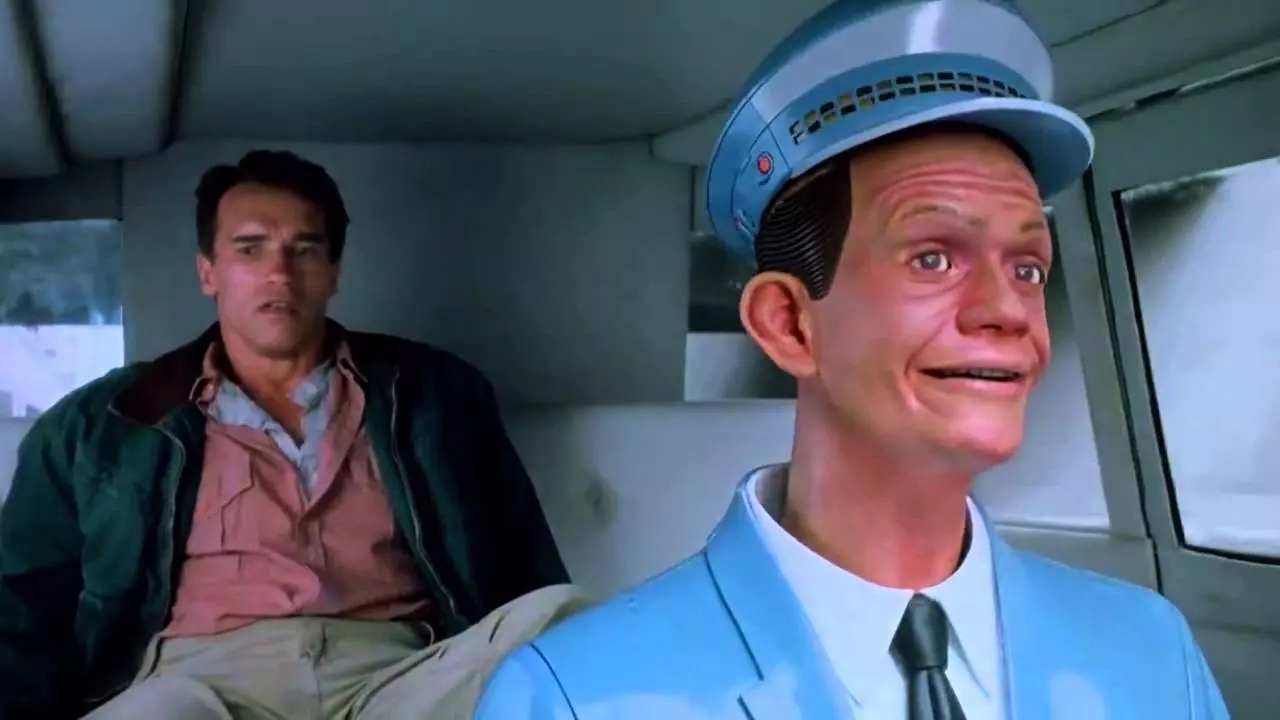
I watched Paul Verhoeven’s Total Recall from 1990 and Len Wiseman’s 2012 remake back-to-back, twenty-two years of filmmaking compressed into one rather strange double bill. I went in thinking I remembered the older film quite precisely: the red dust, the rubbery faces, the security scanner and that relentlessly cheerful robot taxi. What surprised me was not how much I had forgotten, but how much my memory had tidied up. The films became less a comparison of two releases than a demonstration of how easily the past gets rearranged while we are not looking.
The basic elements were there: same title, same Douglas Quaid, same Rekall visit, same wife who is not really his wife, same woman from another life waiting somewhere beyond the one he thinks he knows. What I did not expect was how quickly the similarities stopped mattering. Within minutes, the two films seemed less like alternate versions of the same story than evidence from two different ideas of what a science-fiction blockbuster was supposed to be.
The 1990 film has sweat, latex, red dust, concrete, miniature cities and machinery that looks as though somebody could lose a finger in it. The 2012 film has glass, rain, stacked architecture, biometric screens and machinery that seems to have been designed by people who never wanted you to see a screw. One is messy and faintly disreputable. The other is sleek enough to wipe clean. Watching them together made me think less about which film had the better explosions and more about what twenty-two years had done to the way movies imagined memory, identity and the future.

Before Quaid, There Was Quail
Philip K. Dick’s “We Can Remember It for You Wholesale”, first published in 1966, is much smaller than either film and, in some ways, much stranger. Its protagonist is Douglas Quail, an ordinary office worker who is obsessed with visiting Mars. He cannot afford the real trip, so he goes to Rekal Incorporated to buy the memory of one instead. The procedure goes wrong because the fantasy the technicians are preparing to implant appears to have happened already: Quail really was on Mars, and somebody has buried the memory.

That is the hook both films inherit, but Dick’s real trick is not the question of whether a memory is accurate. It is what happens to identity once memory becomes editable. If somebody can remove the past that made you, replace it with another and send you home none the wiser, then the self starts to look less like a solid object and more like an ongoing edit. That idea survives every change the films make, even when they are busy shooting people, crashing vehicles or dropping enormous pieces of infrastructure through the Earth.
1990: A Future You Could Probably Trip Over
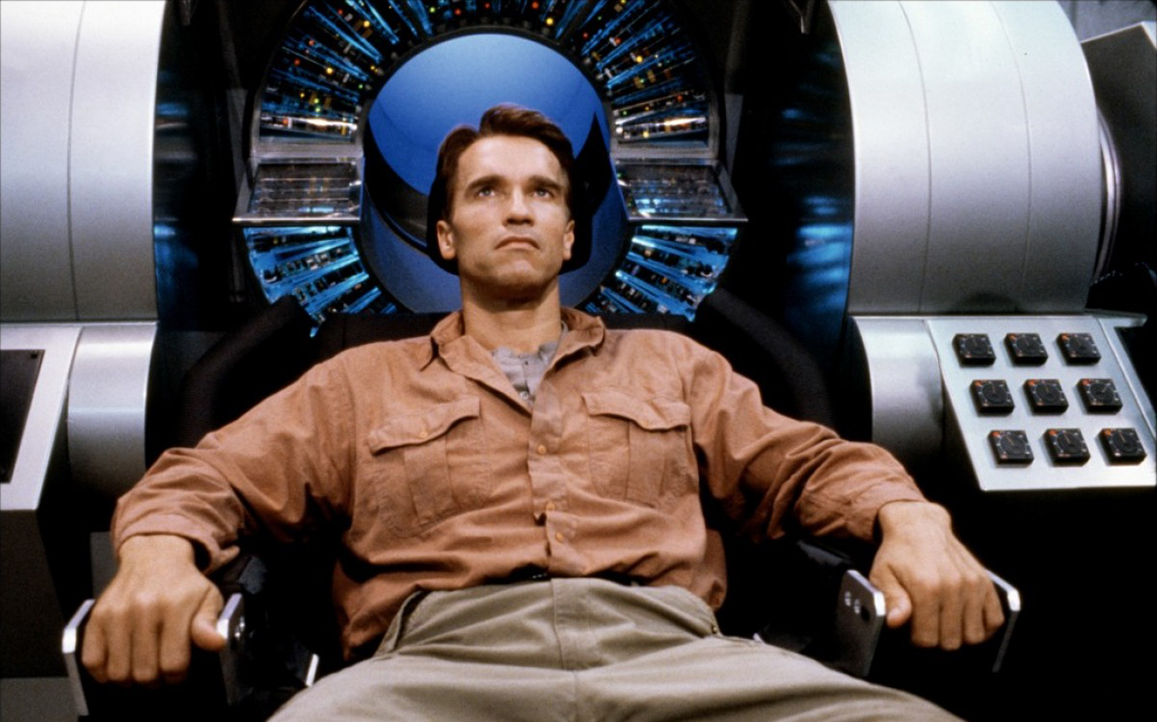
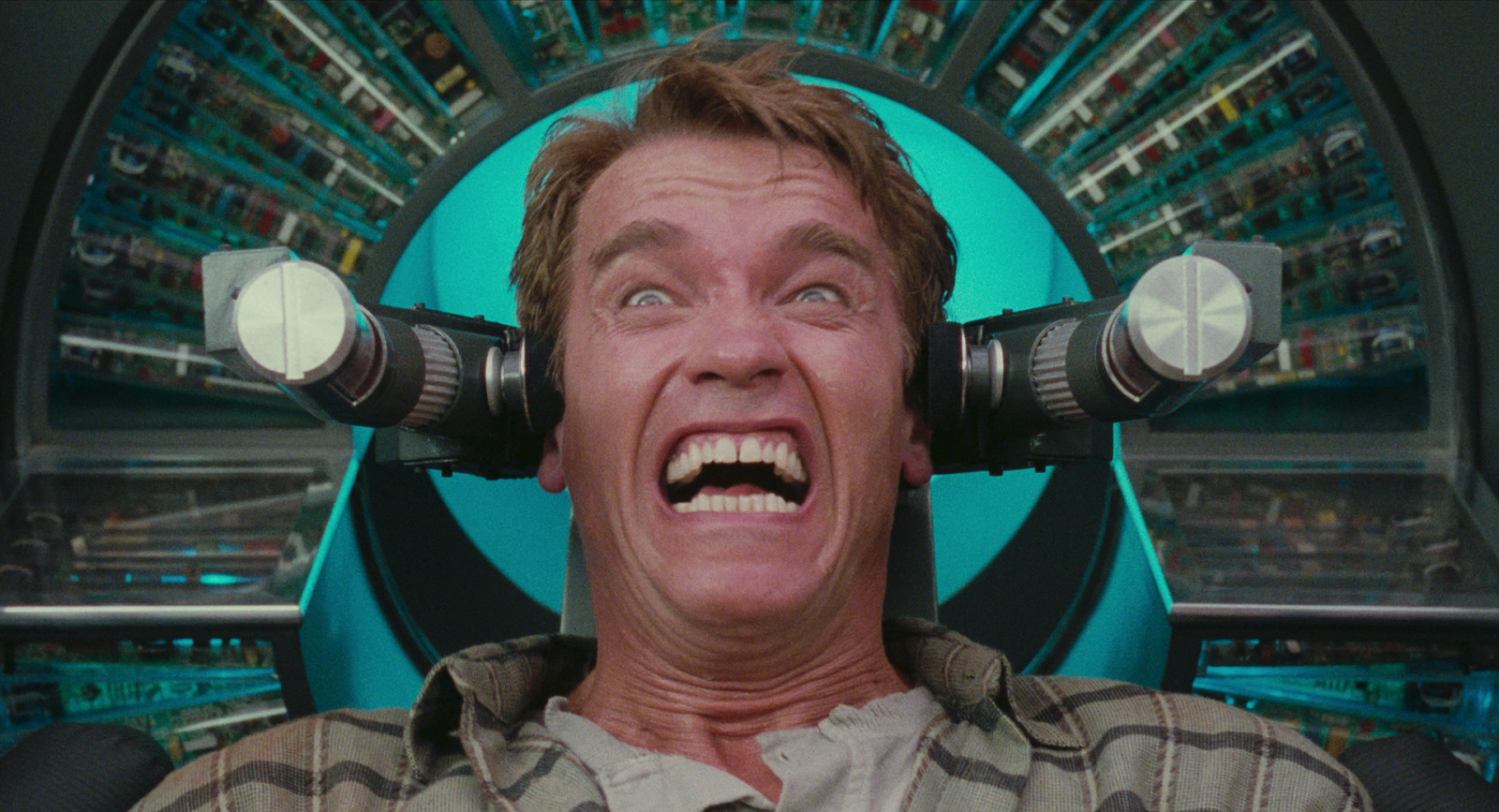
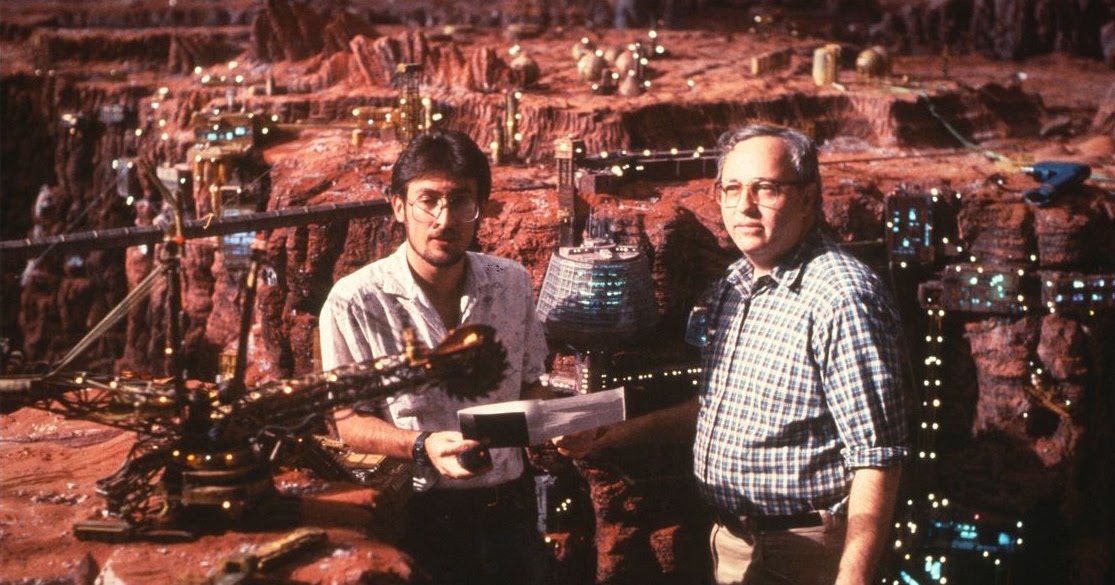
Paul Verhoeven’s Total Recall arrived after years of development and numerous script versions. Carolco eventually acquired the project, Arnold Schwarzenegger pushed hard to star in it, and Verhoeven came aboard after RoboCop. Gary Goldman helped reshape the later sections of the screenplay. Much of the film was shot in Mexico City and at Estudios Churubusco, with large physical sets, miniatures, prosthetics, animatronics, optical work and then-new digital techniques all occupying the same production.
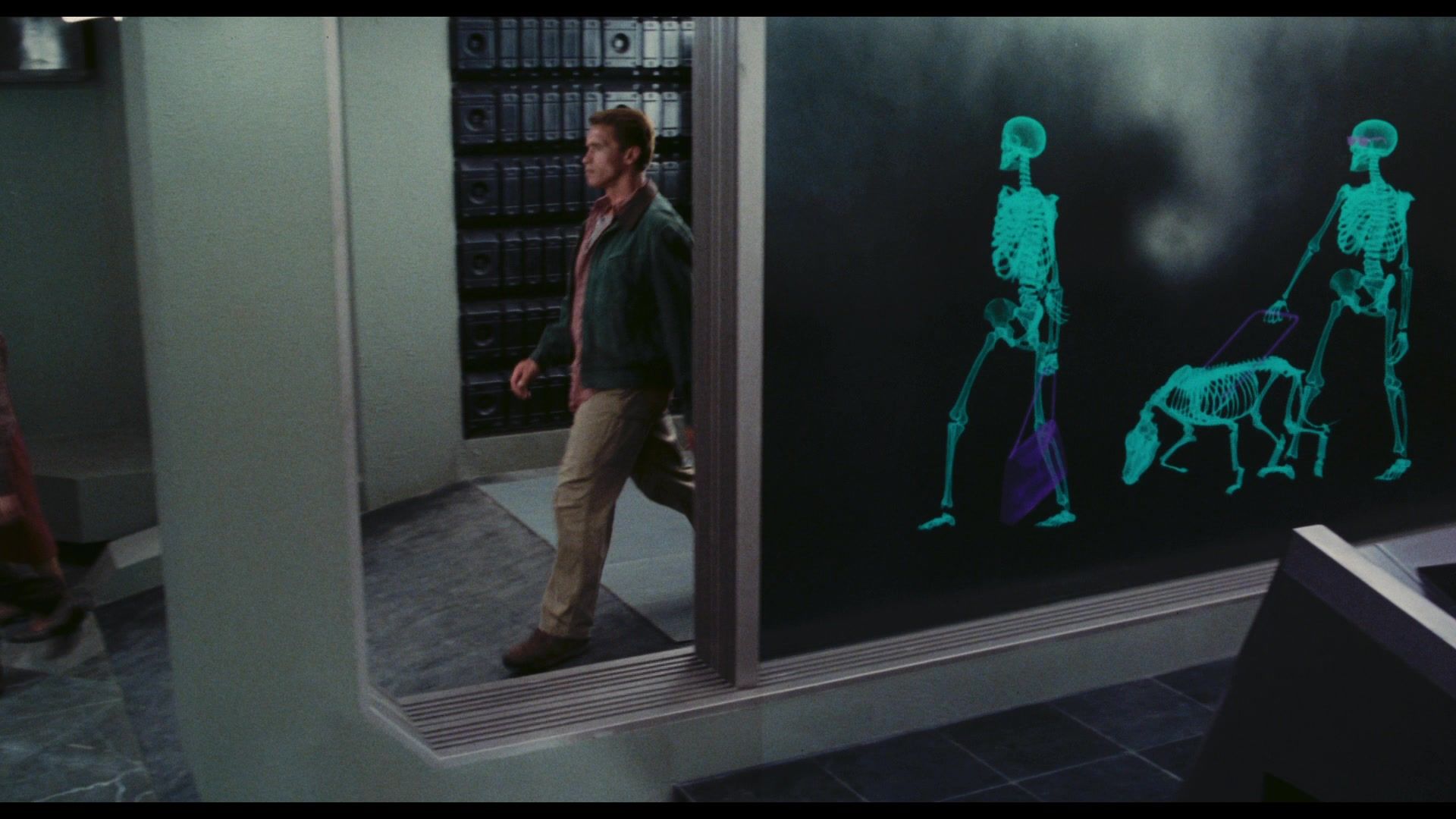
That mixture is worth stressing because it is easy to remember the film as the last word in practical effects. It was not. The X-ray security scan, for instance, was a conspicuous piece of early computer-generated imagery, and the film’s Oscar-recognised effects work was already combining disciplines. What makes it feel so physical is not that computers were absent. It is that the seams between techniques are often allowed to remain visible. The sets have weight. The models have scale. The prosthetics have texture. Even the bits that look slightly artificial have the useful quality of looking made.


Schwarzenegger Works Because He Looks So Certain
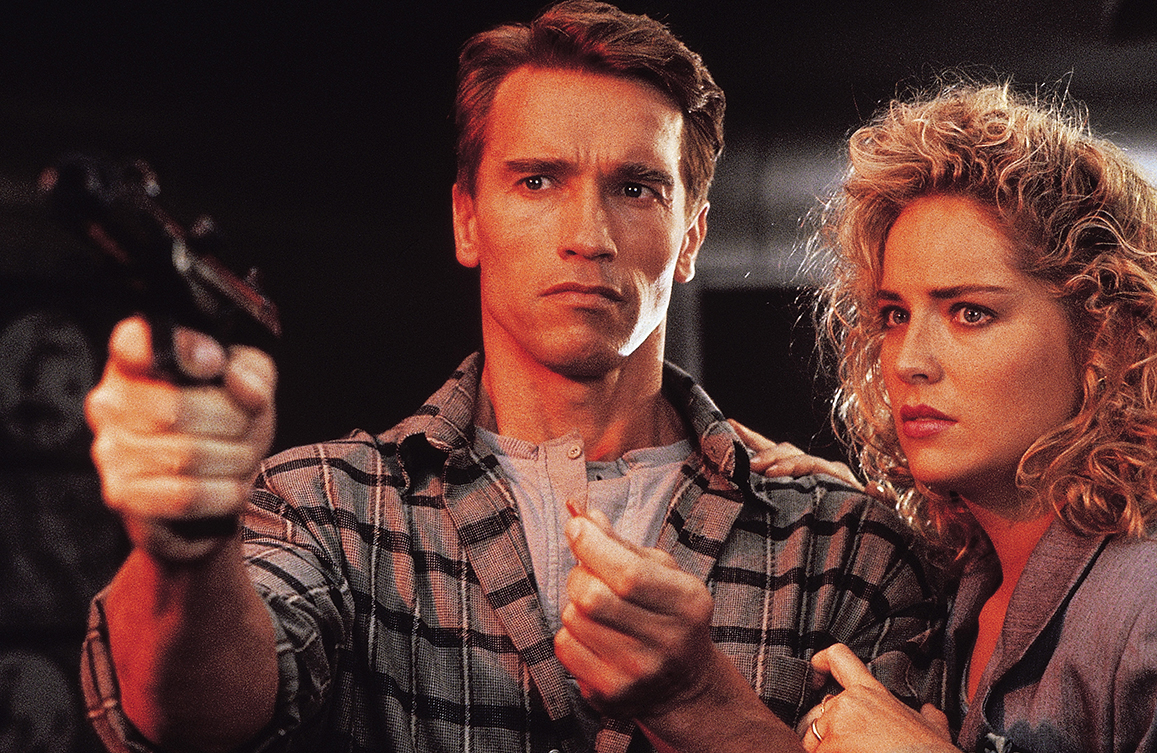
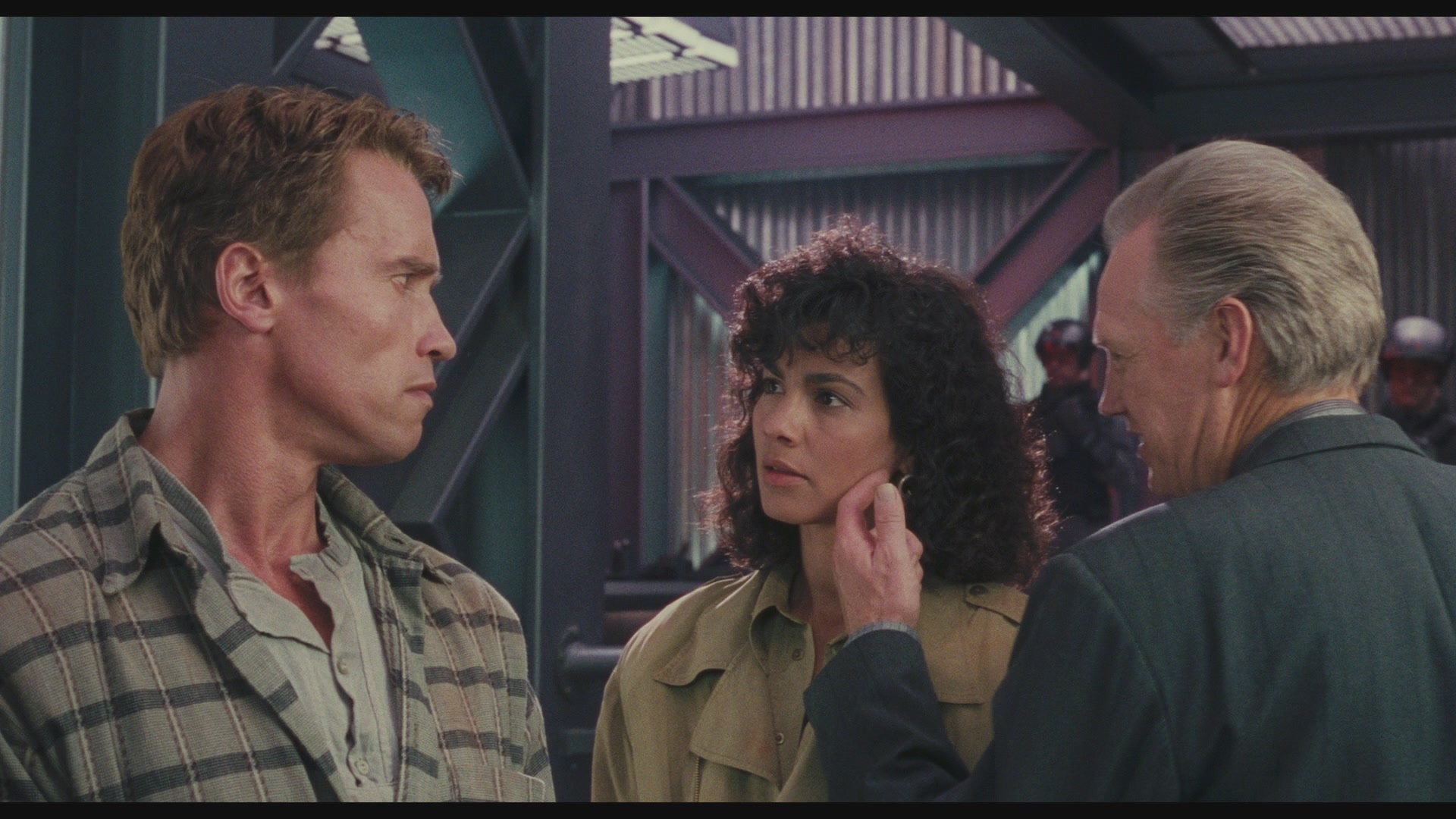
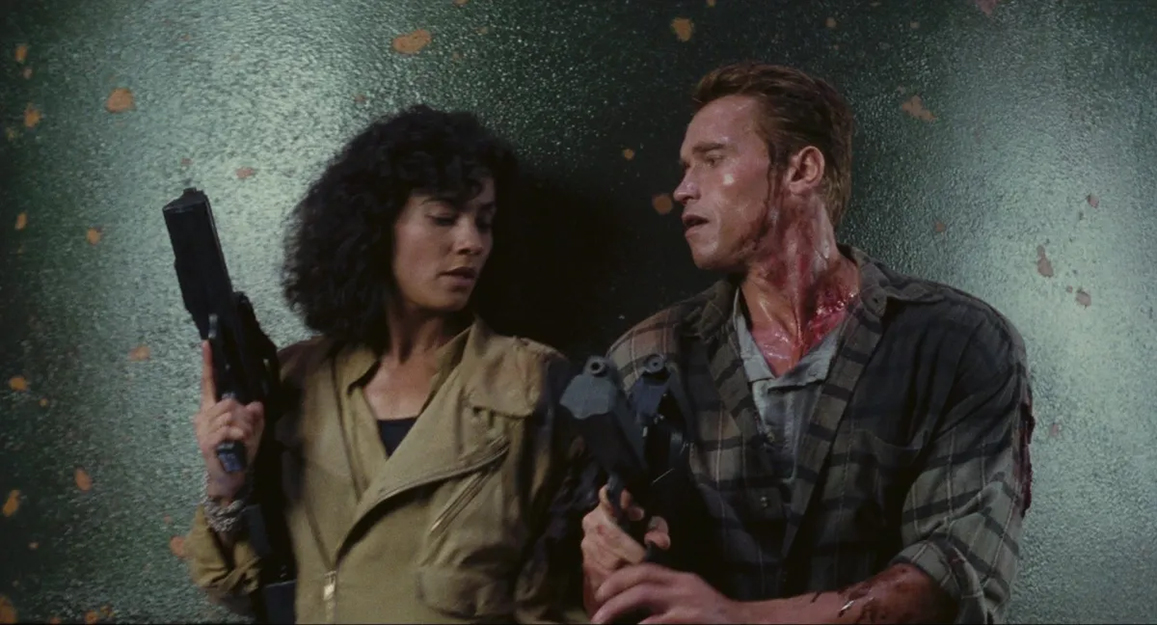
Schwarzenegger is an improbable but effective centre for a story about uncertainty. He looks like a man who should be completely sure of himself; his body seems to arrive in every room before the rest of him. Verhoeven keeps putting that certainty to work against the script. Quaid can punch through a wall and survive an absurd amount of punishment, but he cannot say whether the life on the other side of that wall belongs to him. The joke is broad, but the unease underneath it is not.
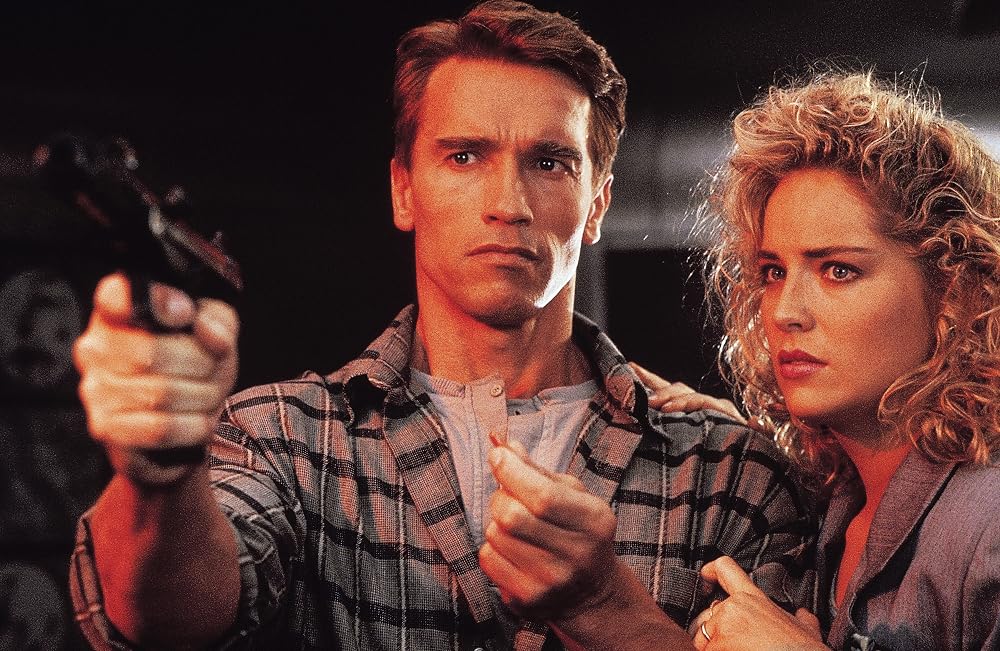
The betrayal by Lori is still one of the film’s best moves because it turns the most ordinary part of Quaid’s life into evidence against him. His home, marriage and recent past become a surveillance operation. Sharon Stone plays the shift cleanly: the affectionate wife does not slowly become sinister; she simply stops performing the role. Suddenly Quaid is not only being chased. He is being informed that the version of himself he trusted was assembled for him.



Mars Has Dirt Under Its Nails
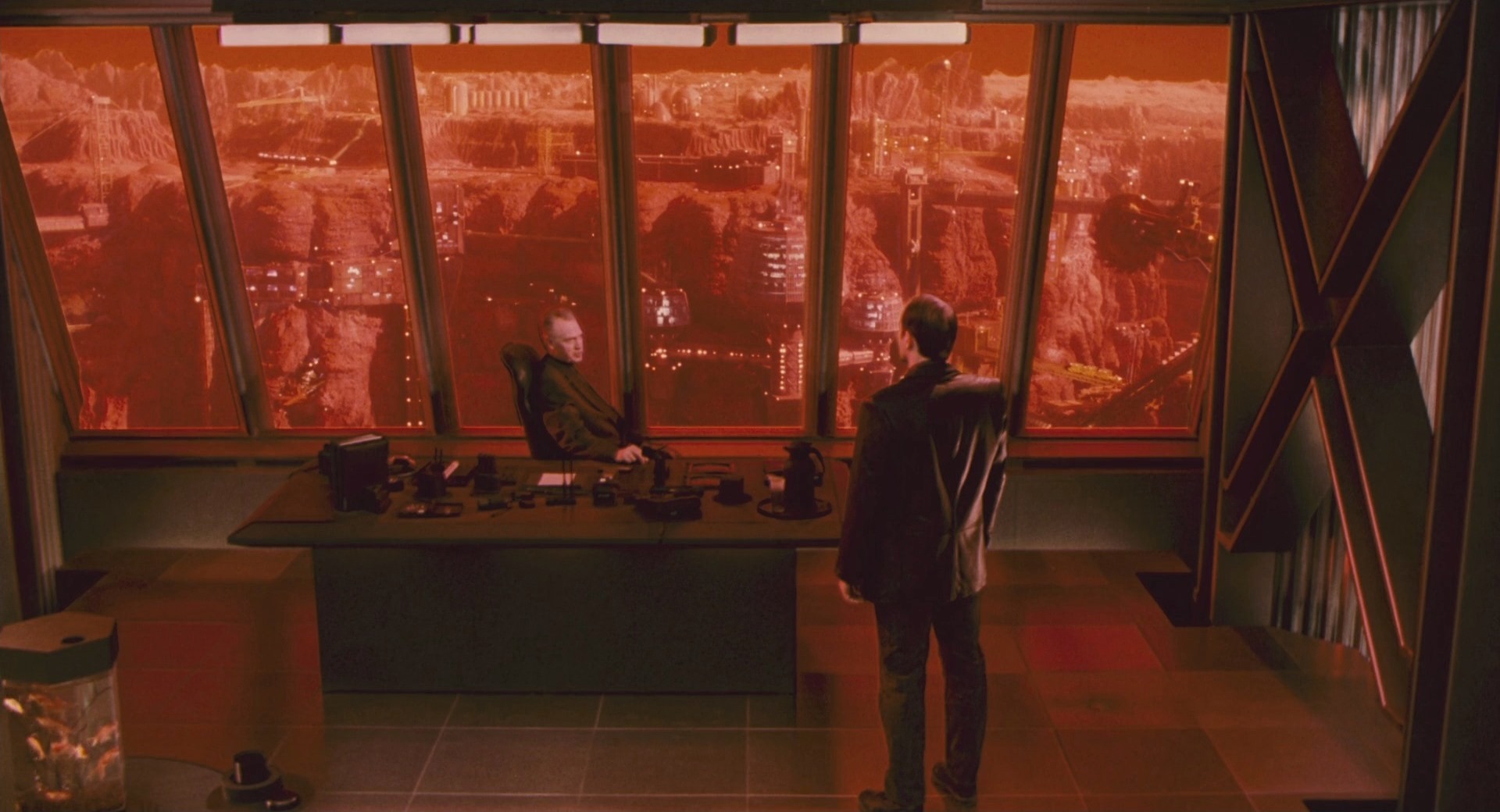
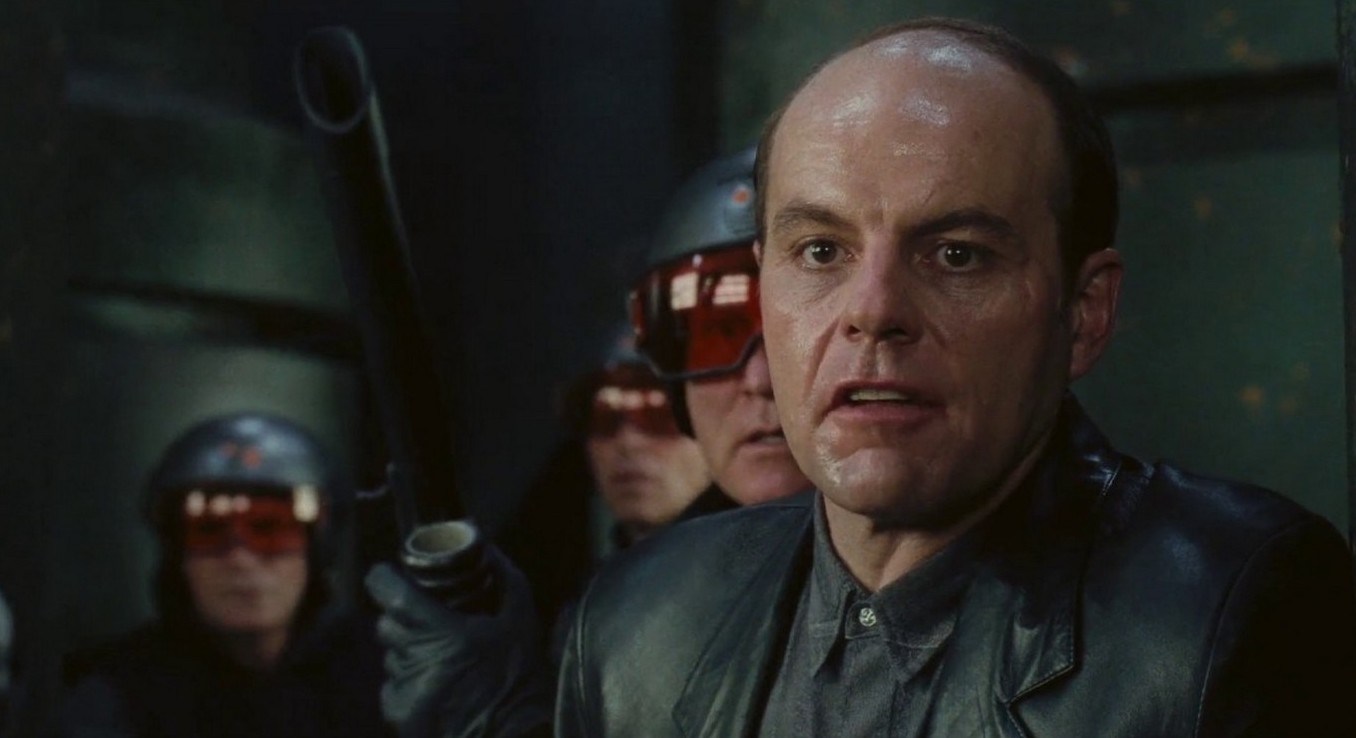
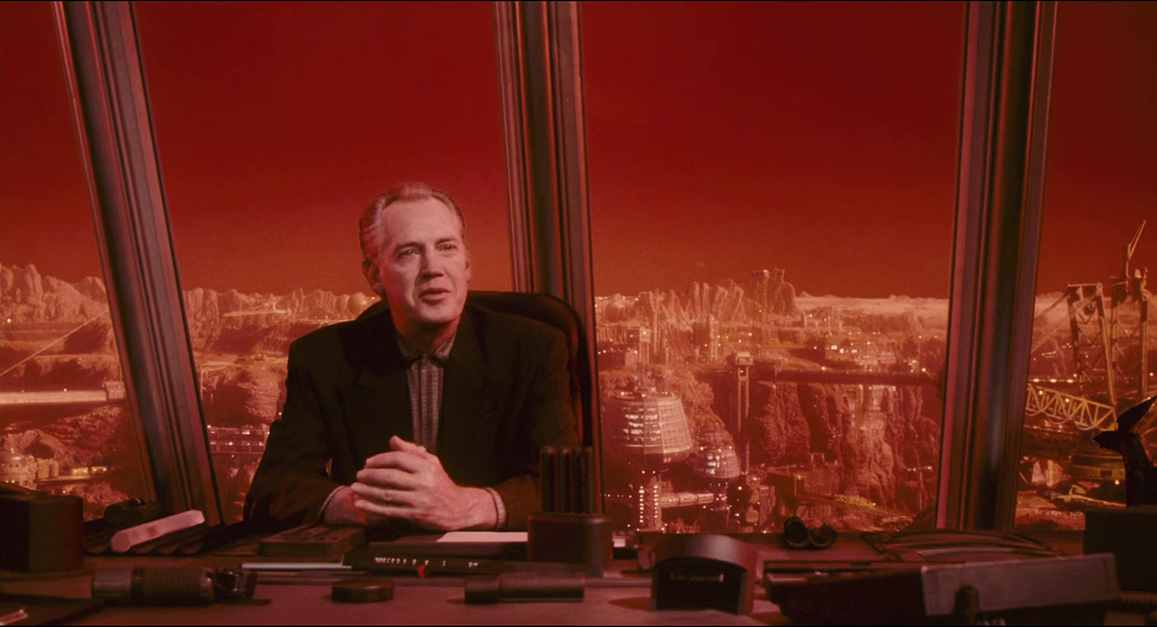
The great advantage of moving Dick’s premise fully to Mars is that Verhoeven gets to turn the planet into more than a destination. Mars is a company town where Vilos Cohaagen controls the air, which is about as direct a metaphor for monopoly power as a film can manage. The rich and powerful literally regulate access to breathing. The people most damaged by the colony’s conditions are pushed to the margins and labelled mutants, then become the population from which resistance grows.


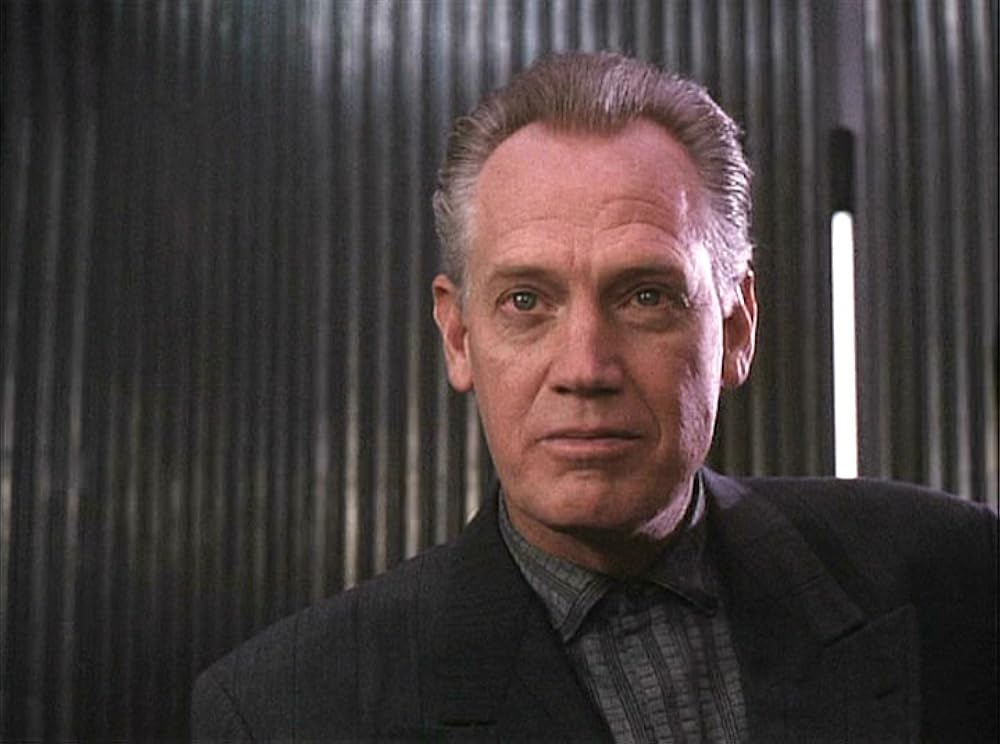
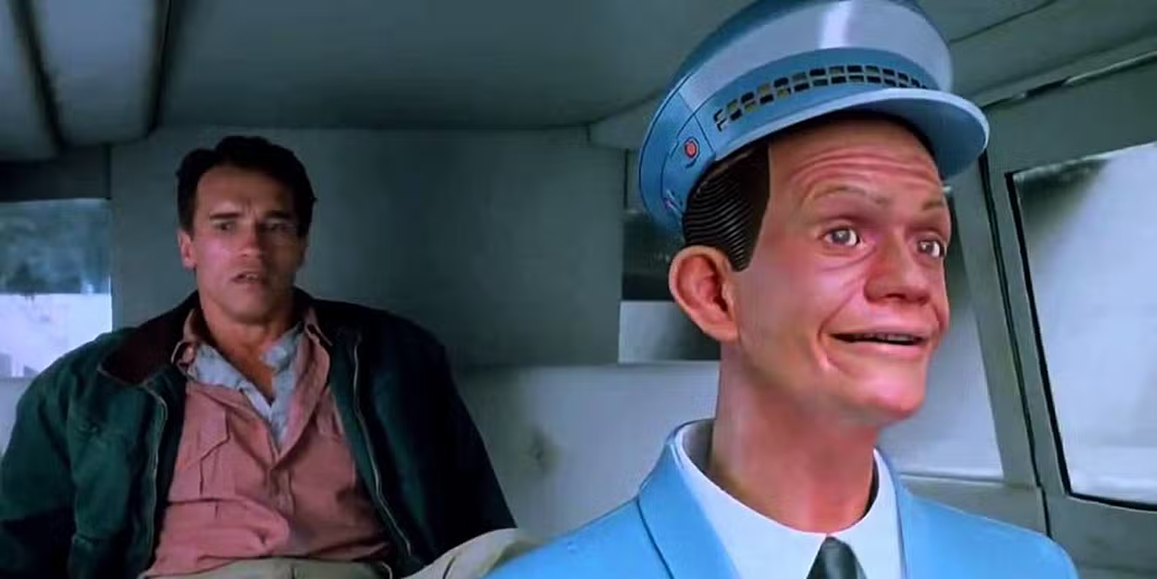
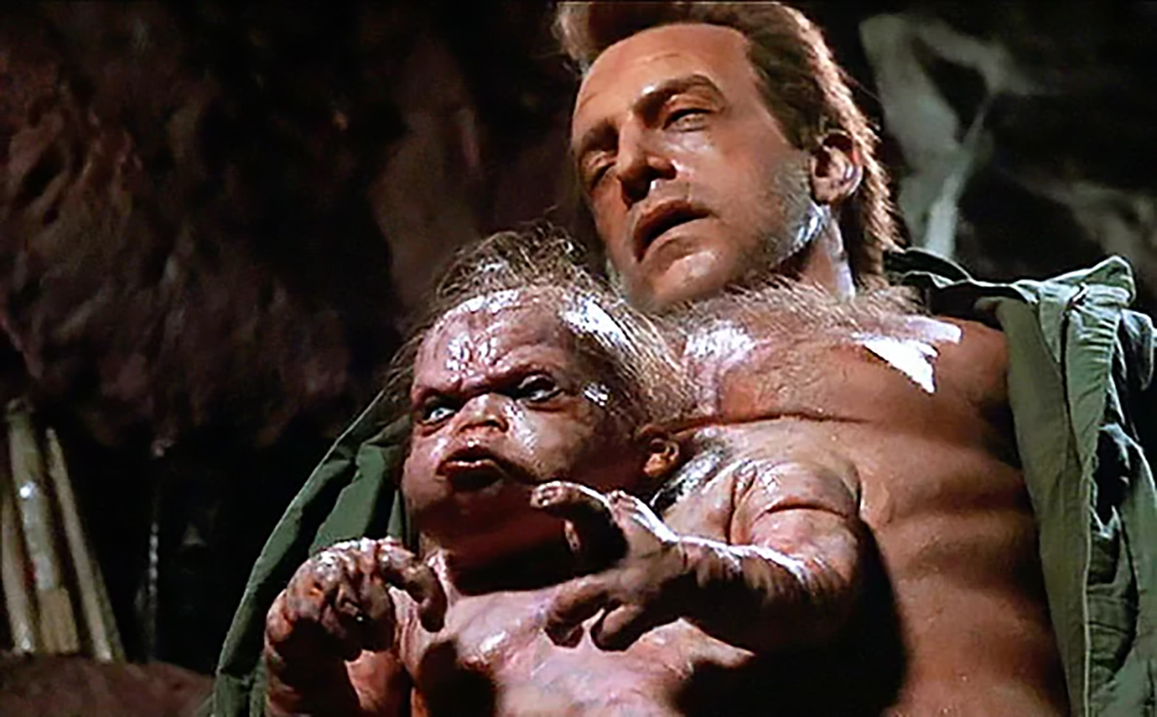
None of this is subtle, and subtlety would look rather out of place beside Kuato, exploding heads and a taxi driven by an unsettling plastic man. Verhoeven makes corporate cruelty, television advertising, revolutionary politics and body horror share the same grubby streets. His Mars has shops, commuters, bad air, marginalised people and a government that treats oxygen as a business asset. The film’s future is vulgar, commercial and overcrowded, which is another way of saying that it feels inhabited.




The Film Refuses to Close the File
The best thing Verhoeven does with the Rekall premise is refuse to tidy it up. Before the procedure, Quaid is sold a fantasy involving Mars, danger and the woman of his dreams. Afterward, his life begins to resemble the sales pitch with suspicious precision. Later, Dr Edgemar calmly offers another explanation: Quaid is still at Rekall and everything around him is a fantasy collapsing under its own weight.
Verhoeven has described his intention in terms of keeping two realities alive at once. That is more useful than trying to turn the film into a puzzle with a single hidden answer. If Quaid really was Hauser, the story is about a man choosing what to do with an identity he inherited. If he is still dreaming at Rekall, then the fantasy is revealing what sort of man he wants to be. Either way, action becomes more important than biography. The past may be compromised, but the next decision still belongs to him.

2012: The Future Becomes Architecture
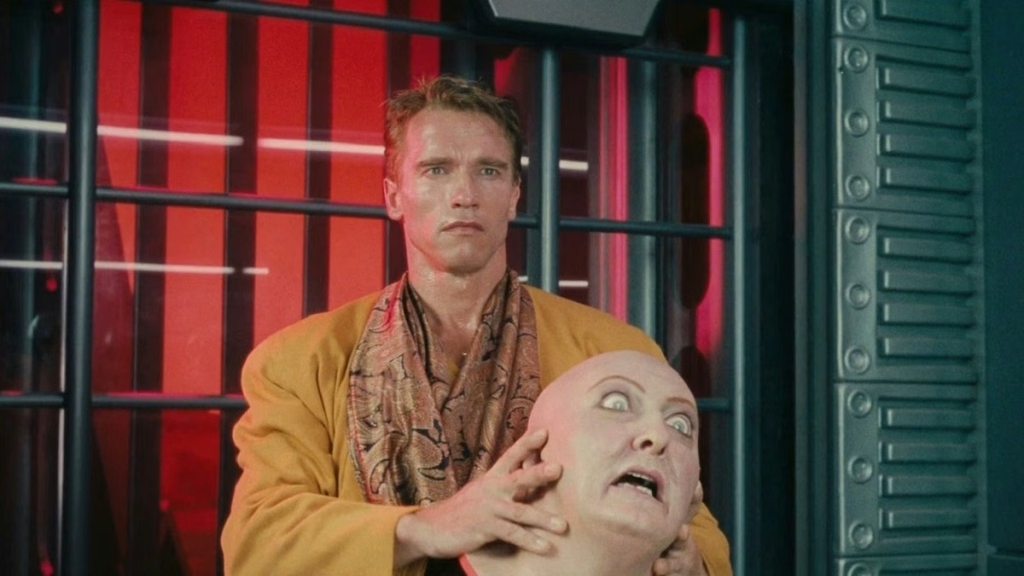
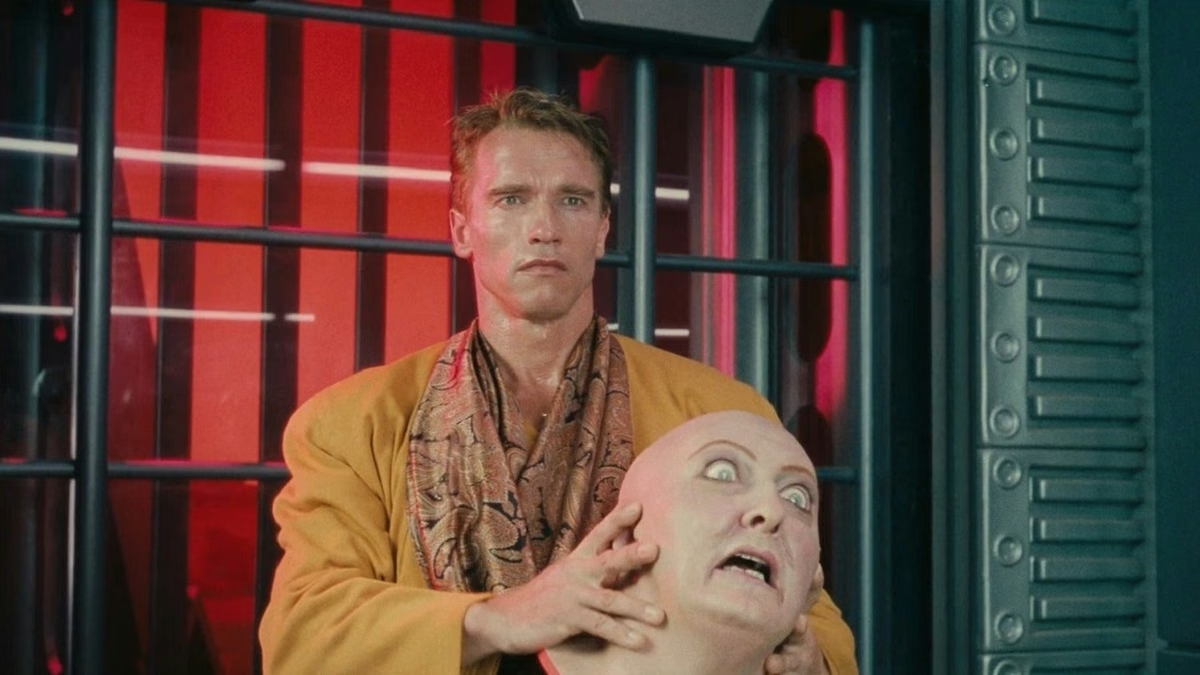
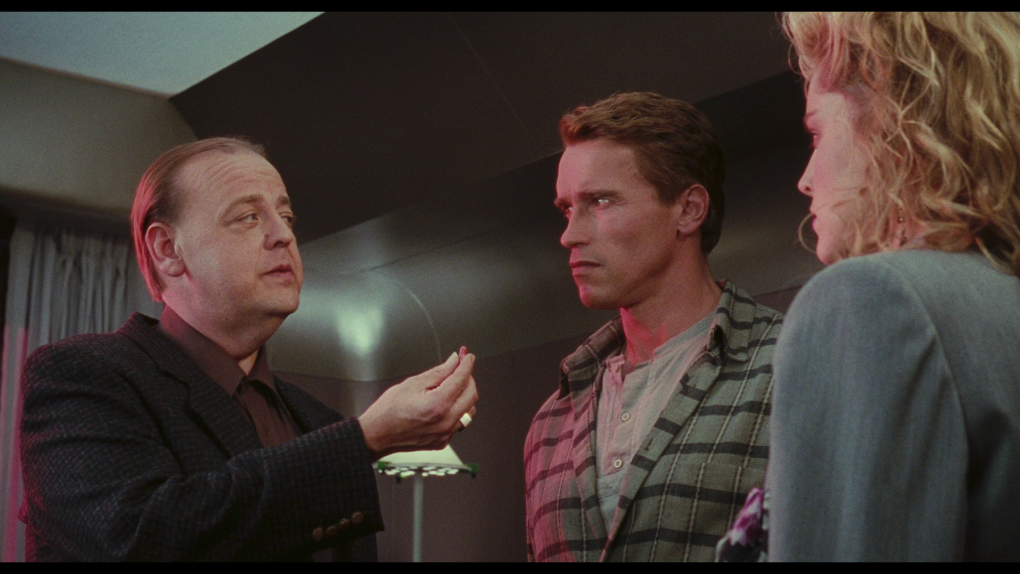
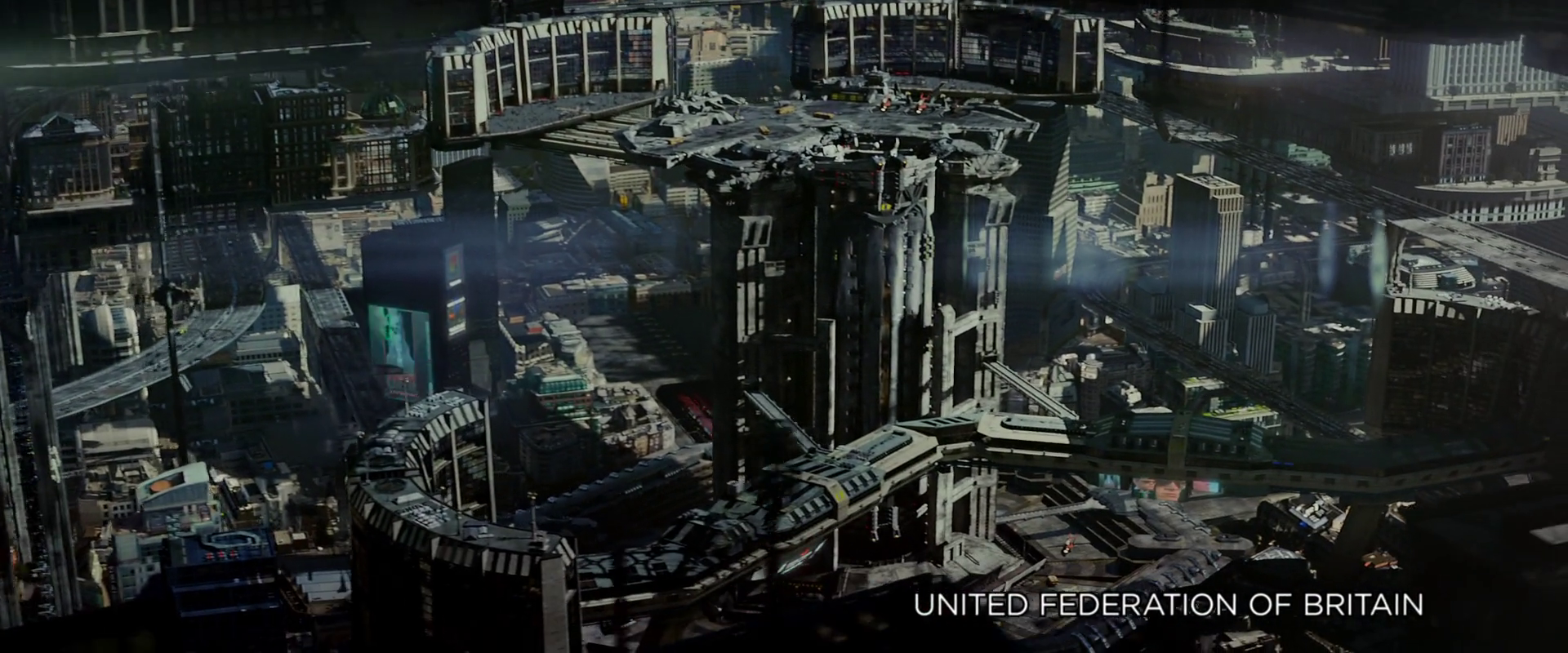
Len Wiseman’s 2012 Total Recall keeps many of the names and much of the skeleton but removes Mars. Earth has been devastated, leaving the United Federation of Britain and the Colony as the major habitable territories. Workers travel between them through the Fall, a transport system running through the planet. It is absurd if treated as engineering, but perfectly legible as an image: the working population is carried through the centre of the world every day to serve a richer one.

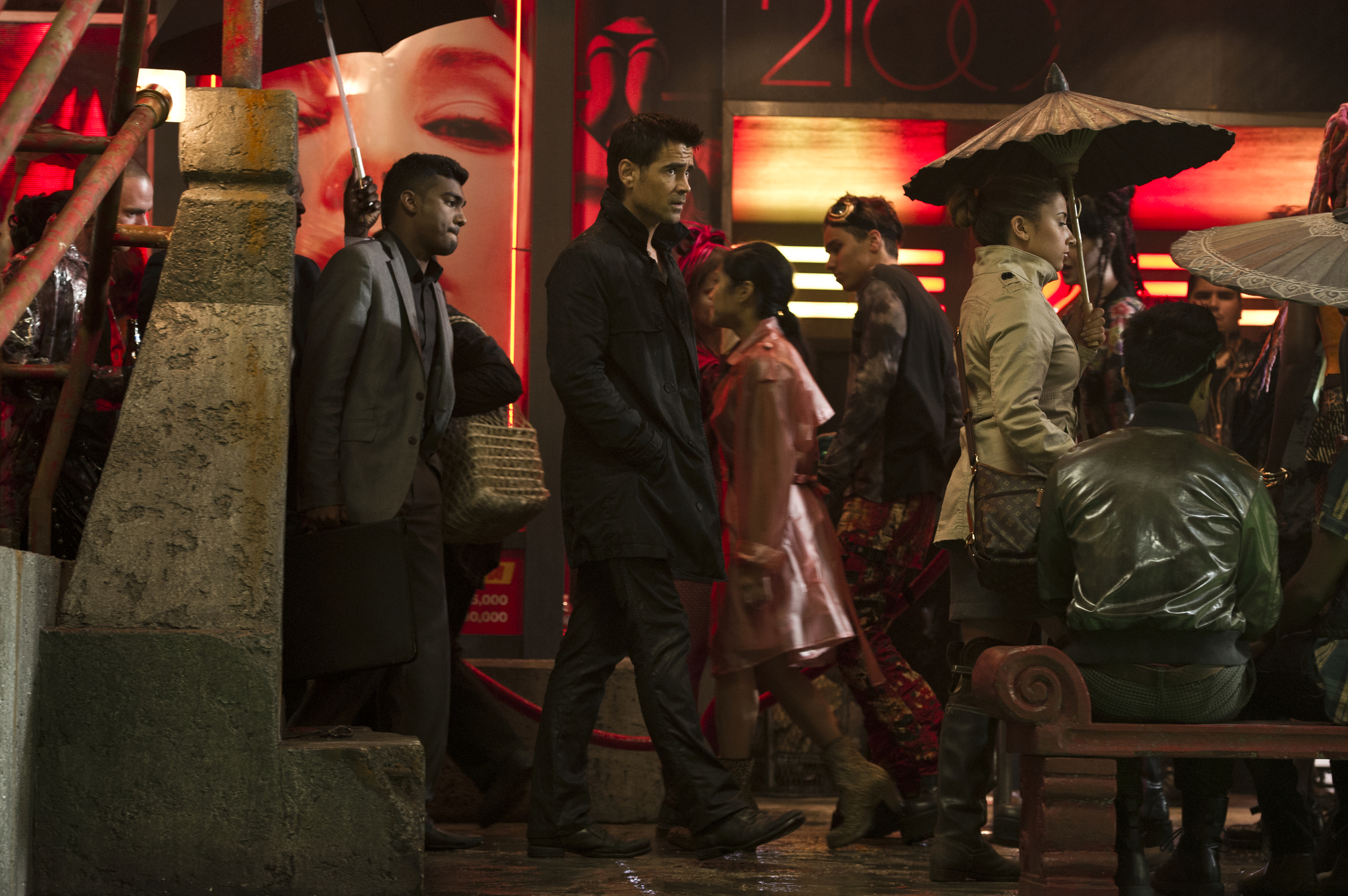

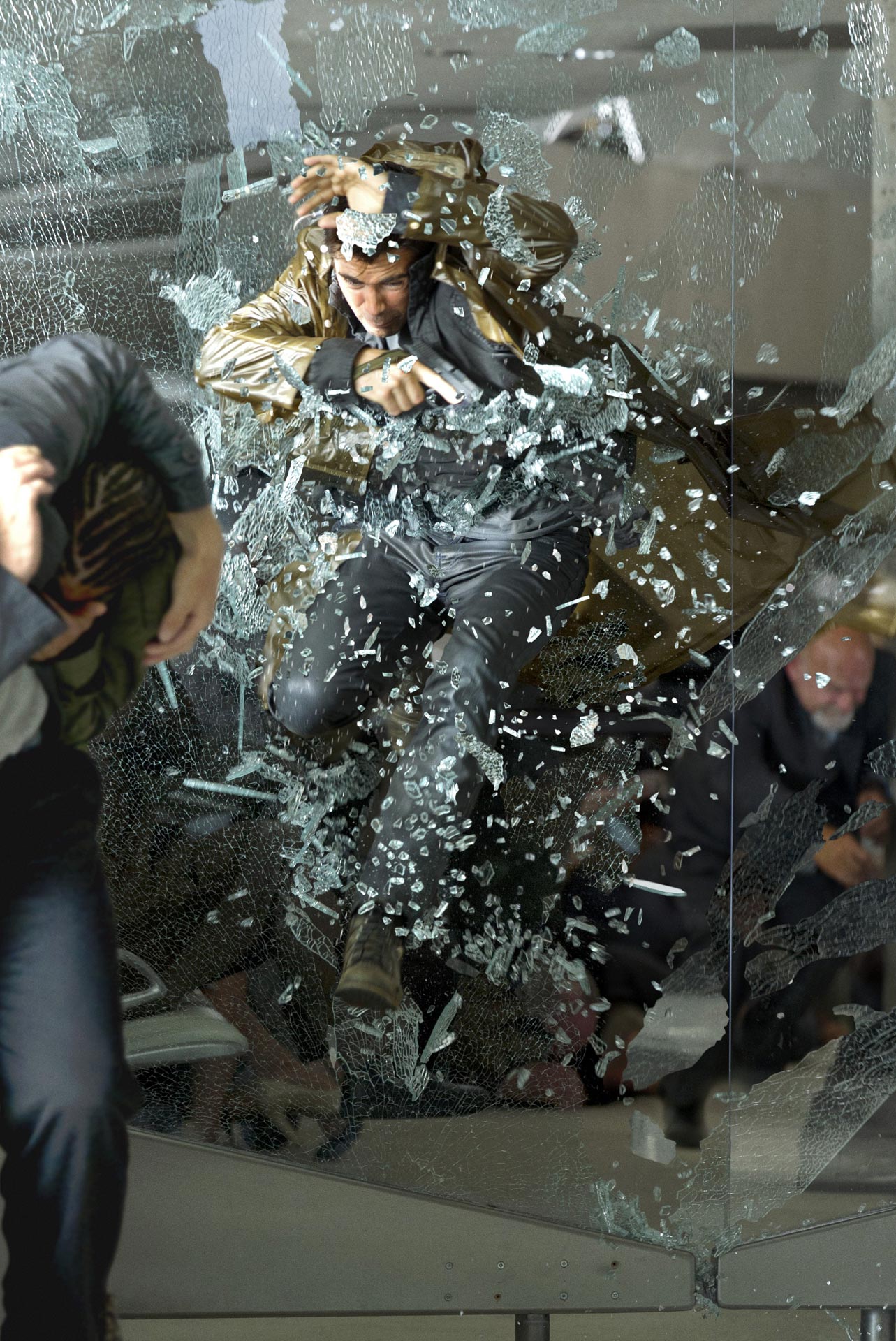

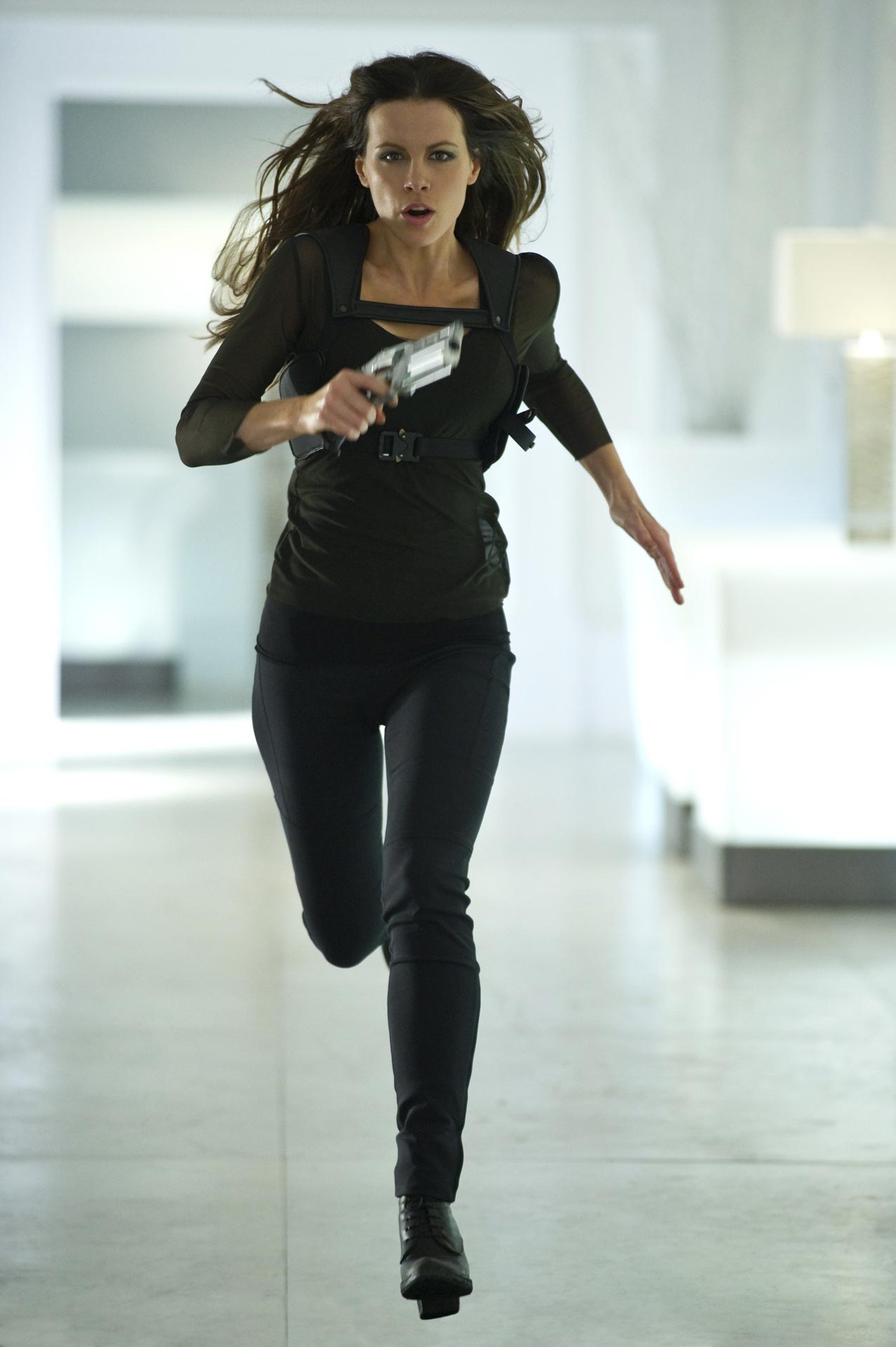
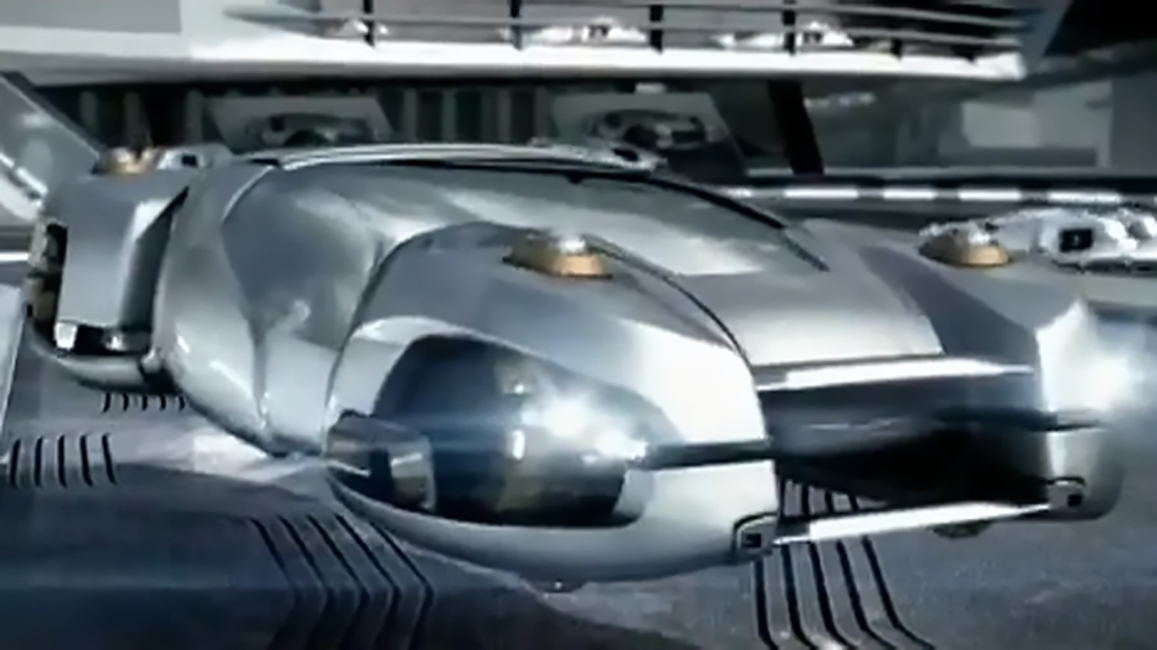
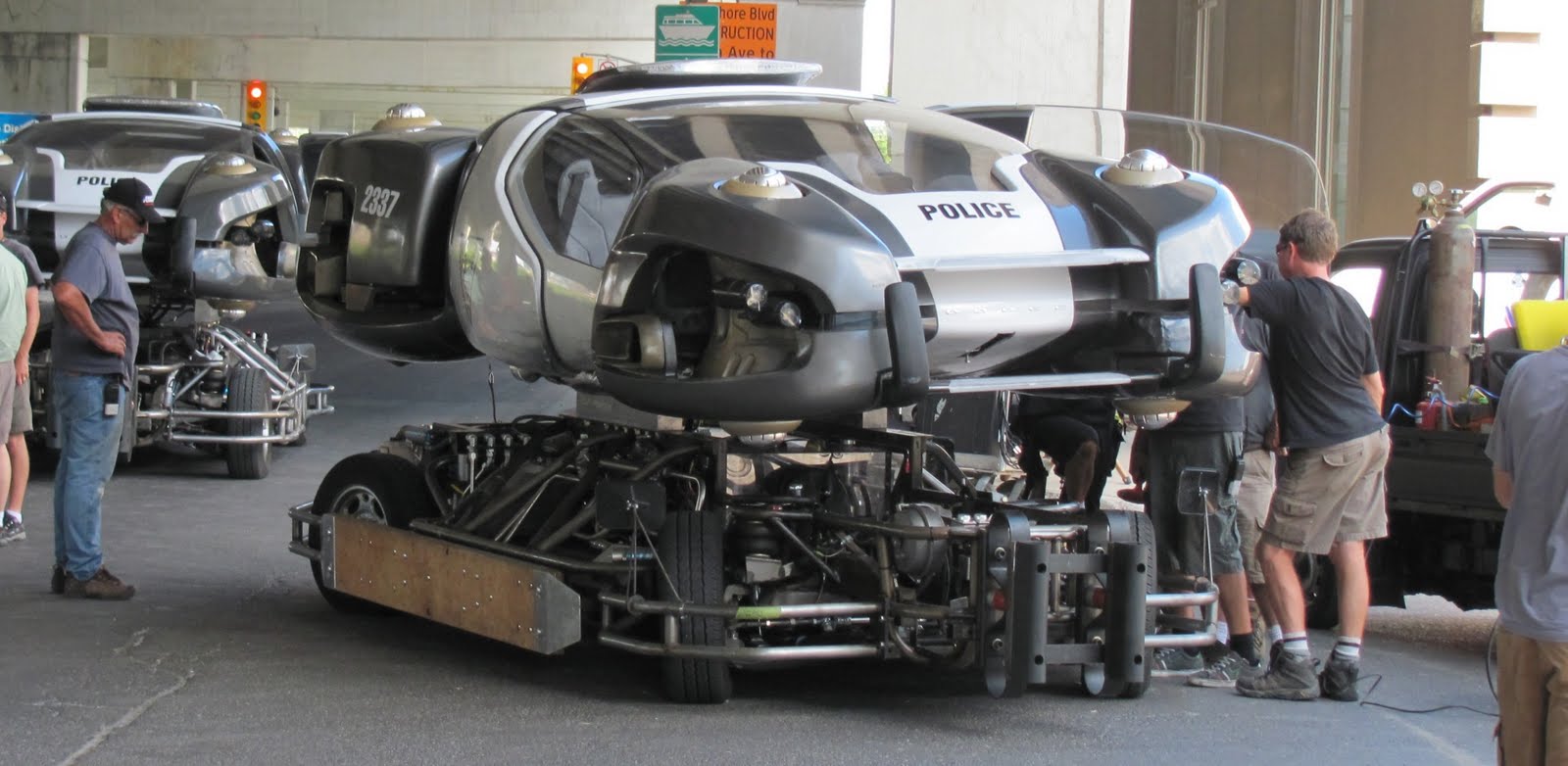
The film was made on a reported $125 million budget and shot primarily in Toronto. It is much more digitally constructed than the 1990 film, but here again the neat practical-versus-CGI argument does not really hold. The production used large sets, physical props and vehicles alongside extensive visual-effects extensions and synthetic cityscapes. Hover cars were built and photographed; environments were then multiplied, extended and reassembled digitally. The difference is not that the newer film stopped making things. It is that the finished image works harder to erase the evidence that anything was made separately.




Farrell’s Quaid and the Problem of Competence
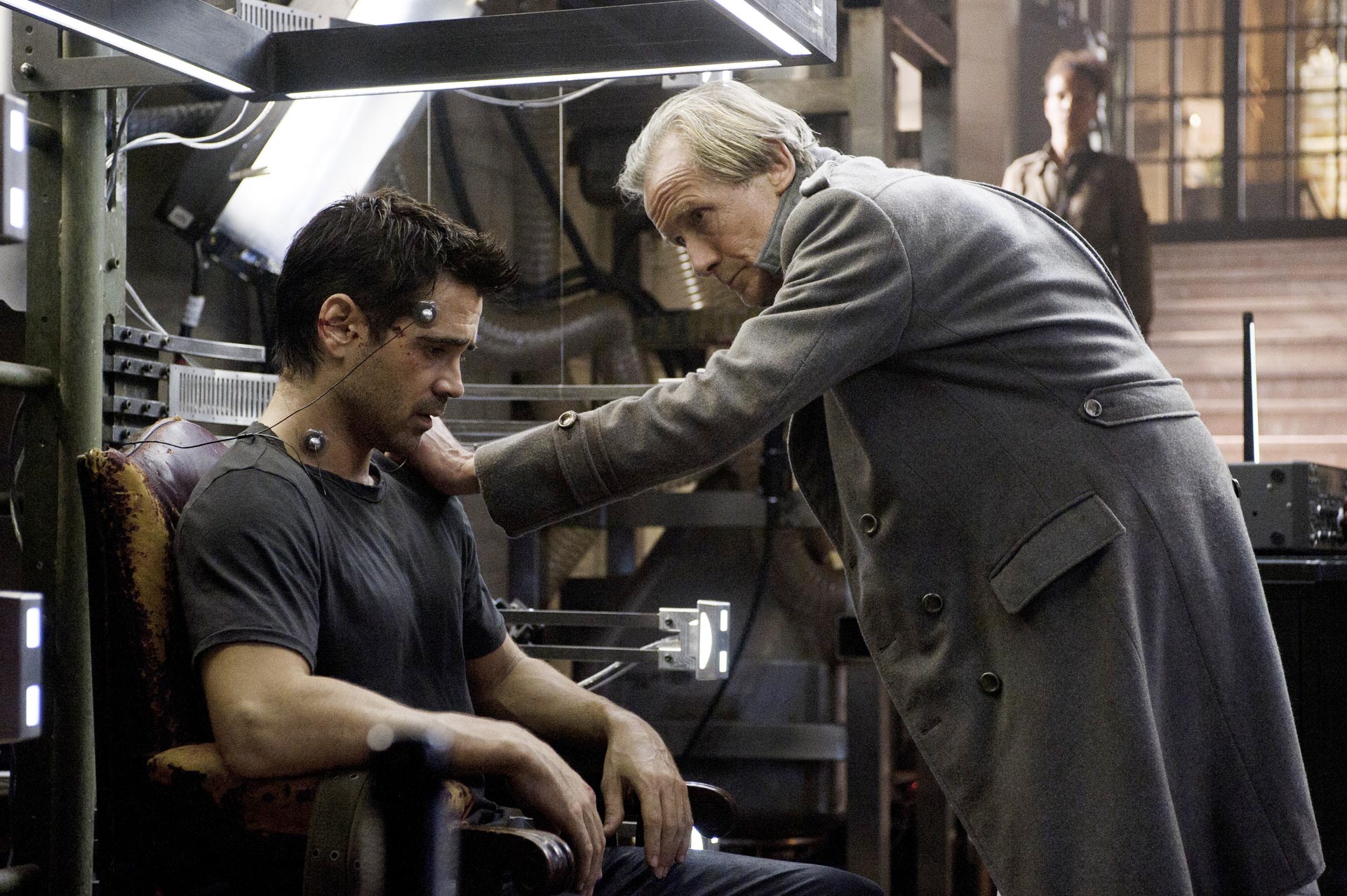
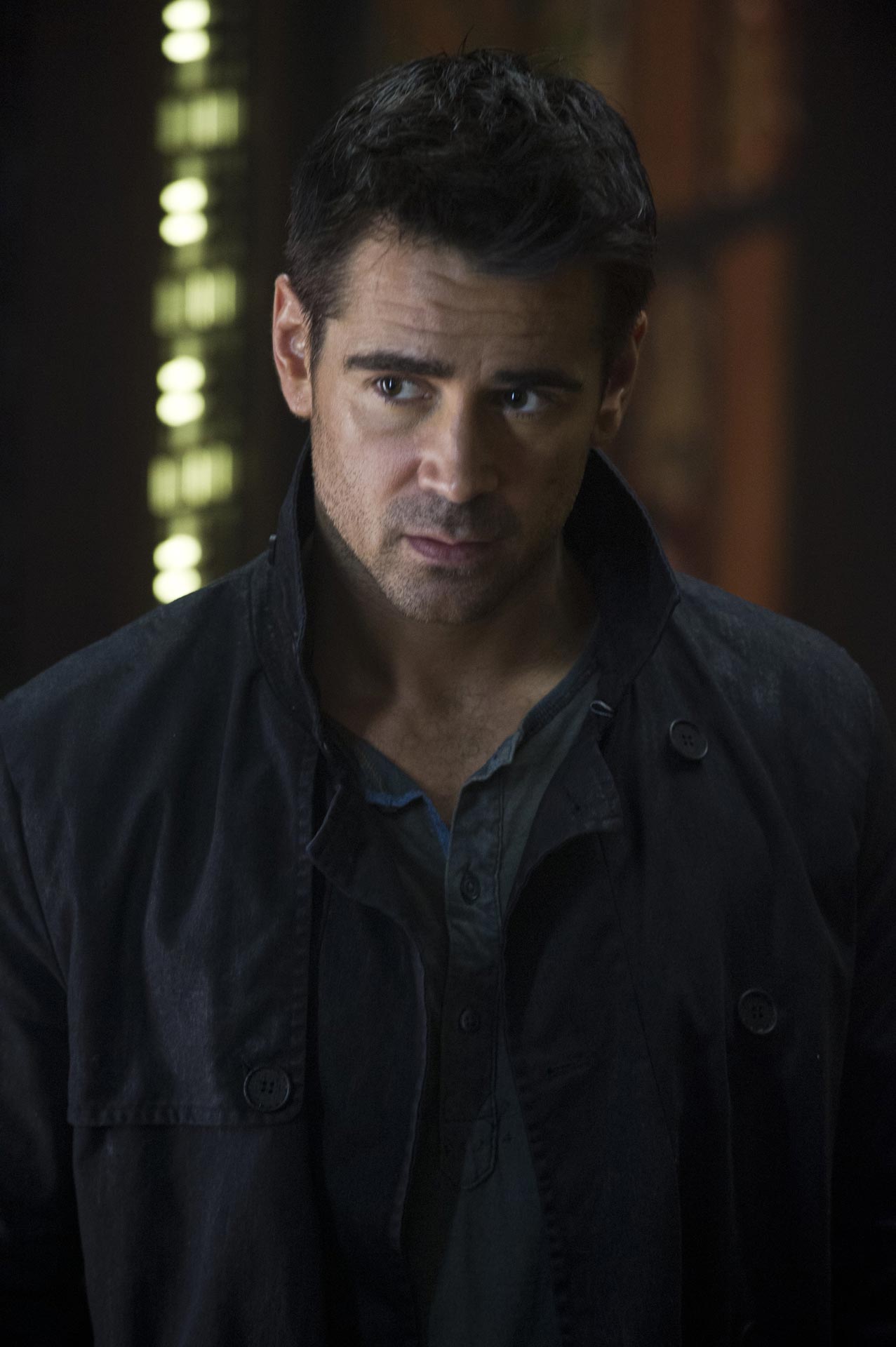
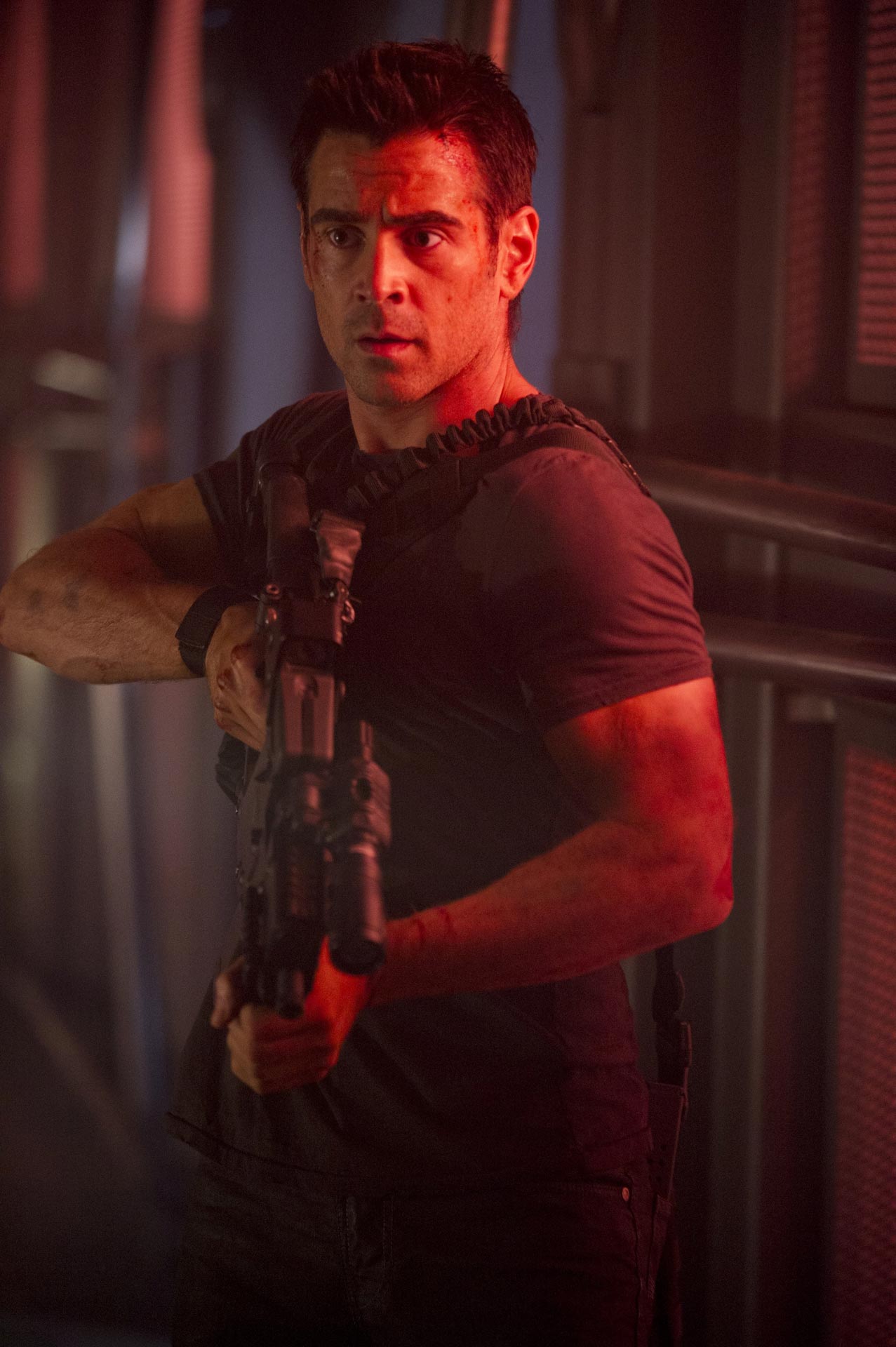
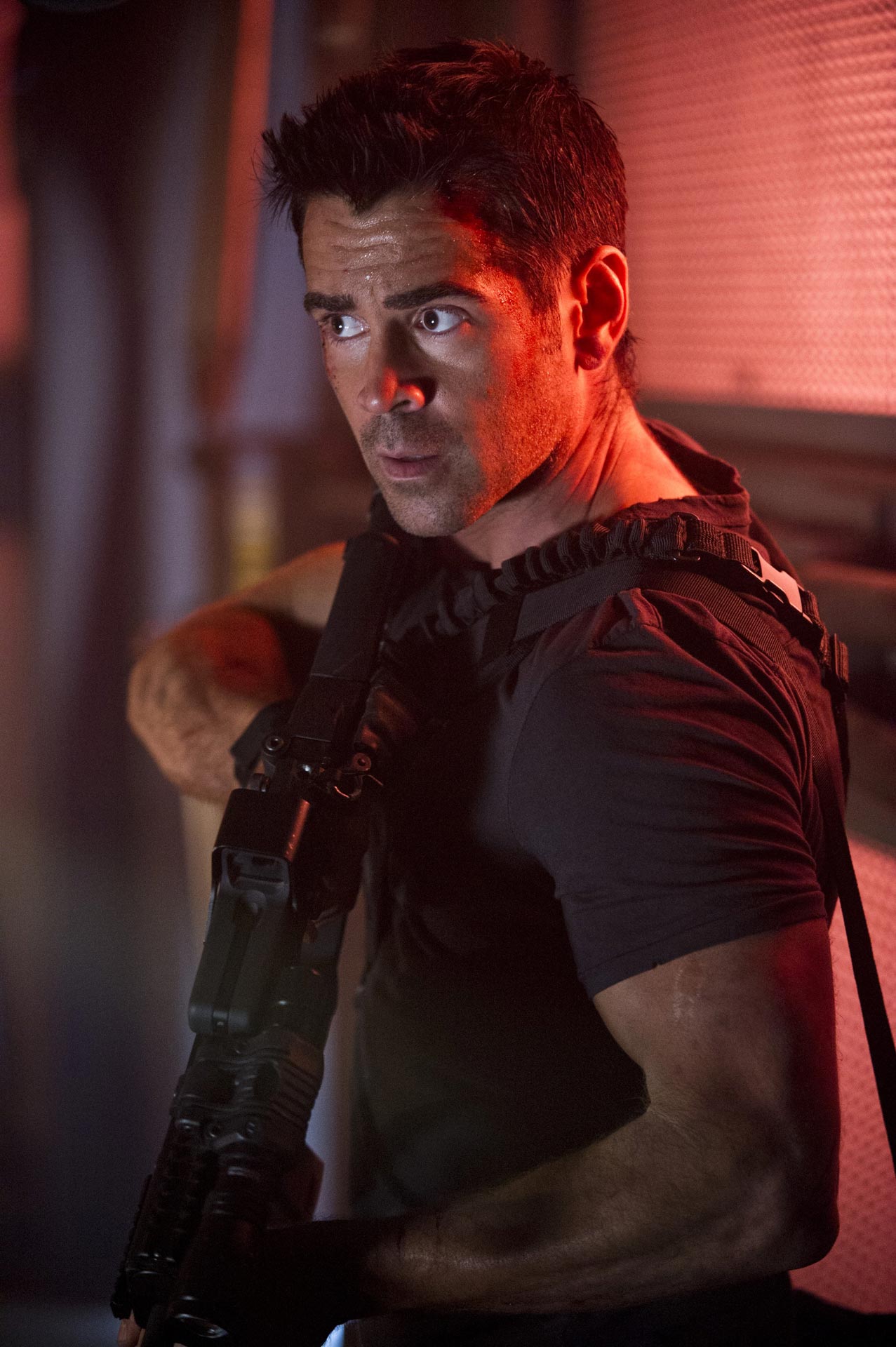
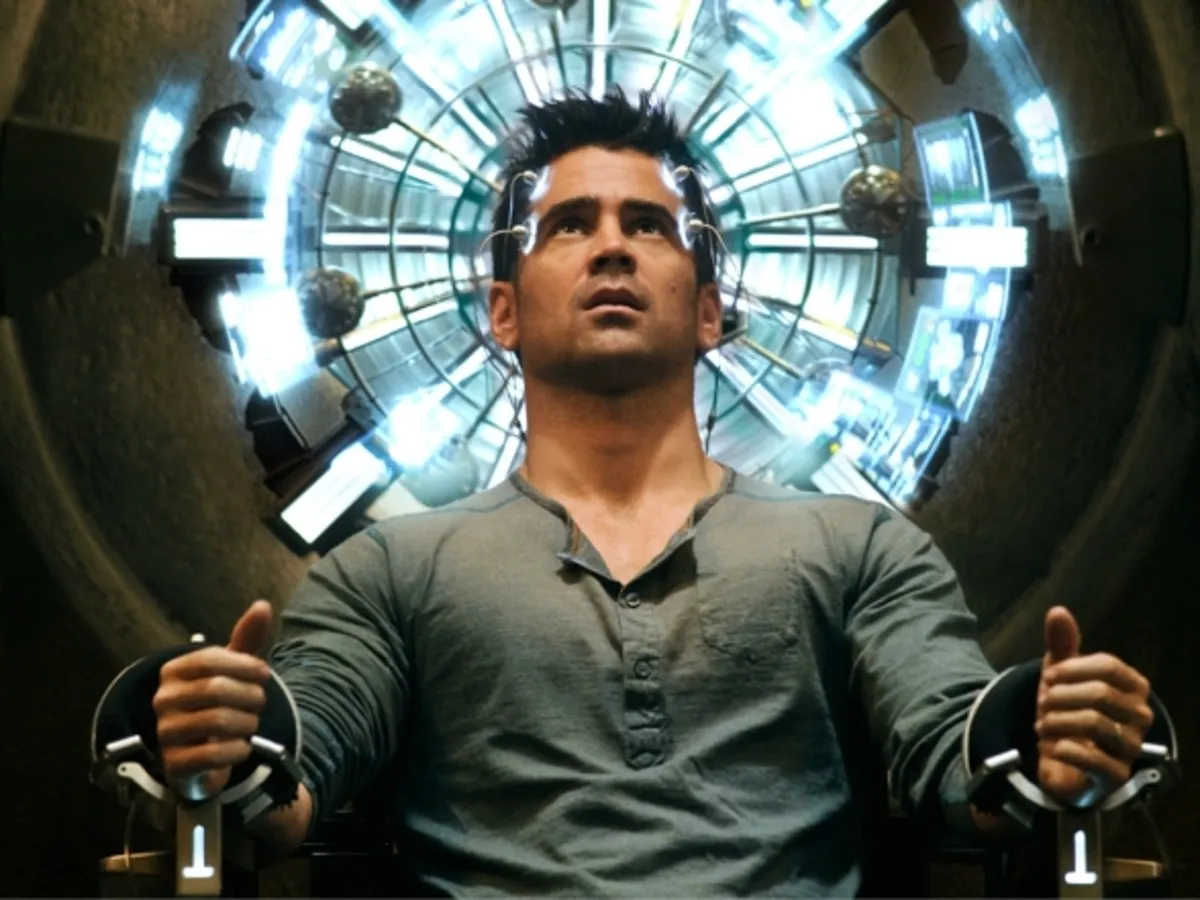
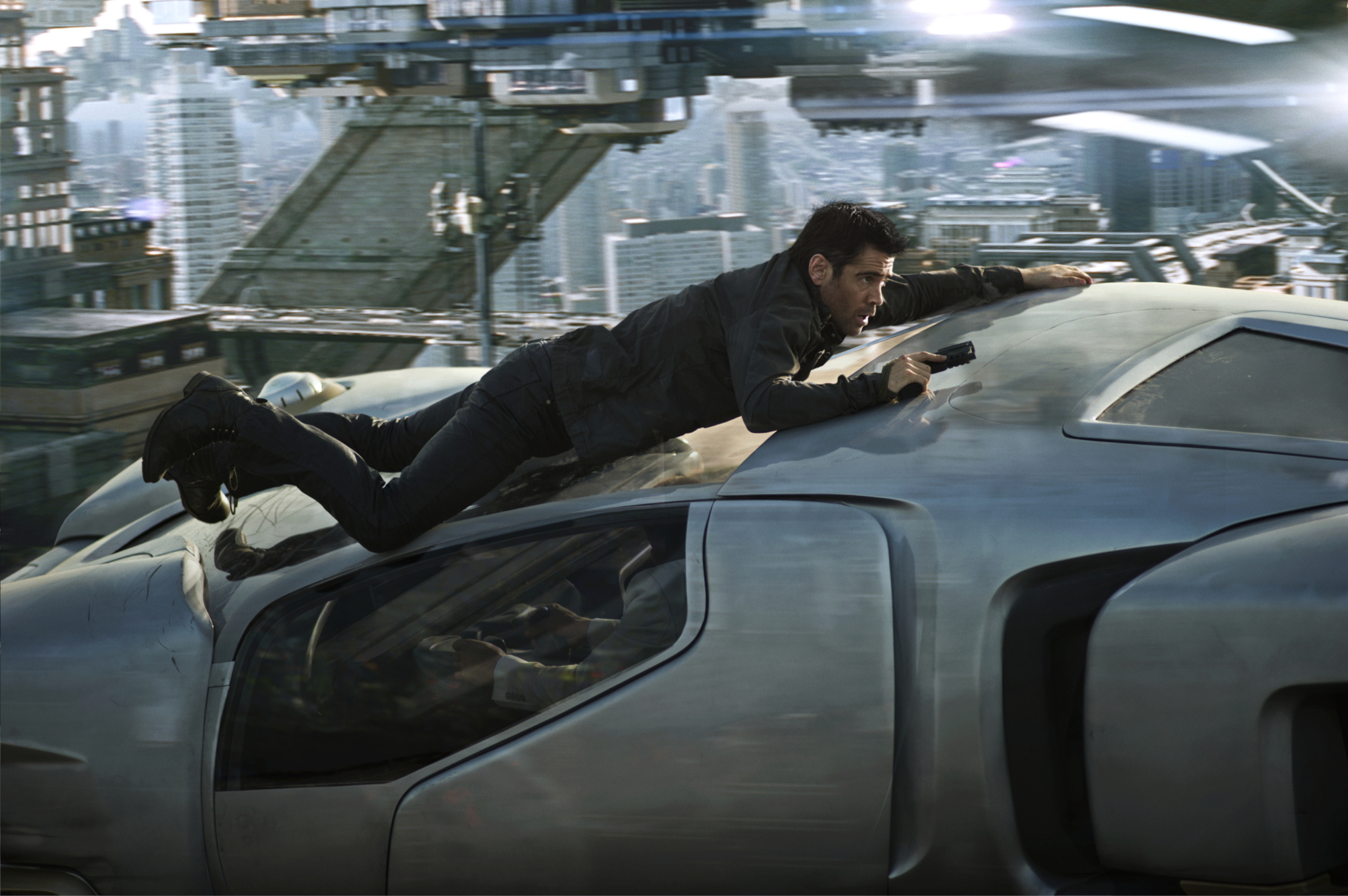
Colin Farrell is well suited to paranoia. He can look exhausted, wary and slightly embarrassed by the fact that his life has become impossible. His Quaid also feels more like somebody who might plausibly disappear into a crowd than Schwarzenegger ever could. The problem is that the film very quickly turns his hidden abilities on. Once that happens, uncertainty gives way to momentum.

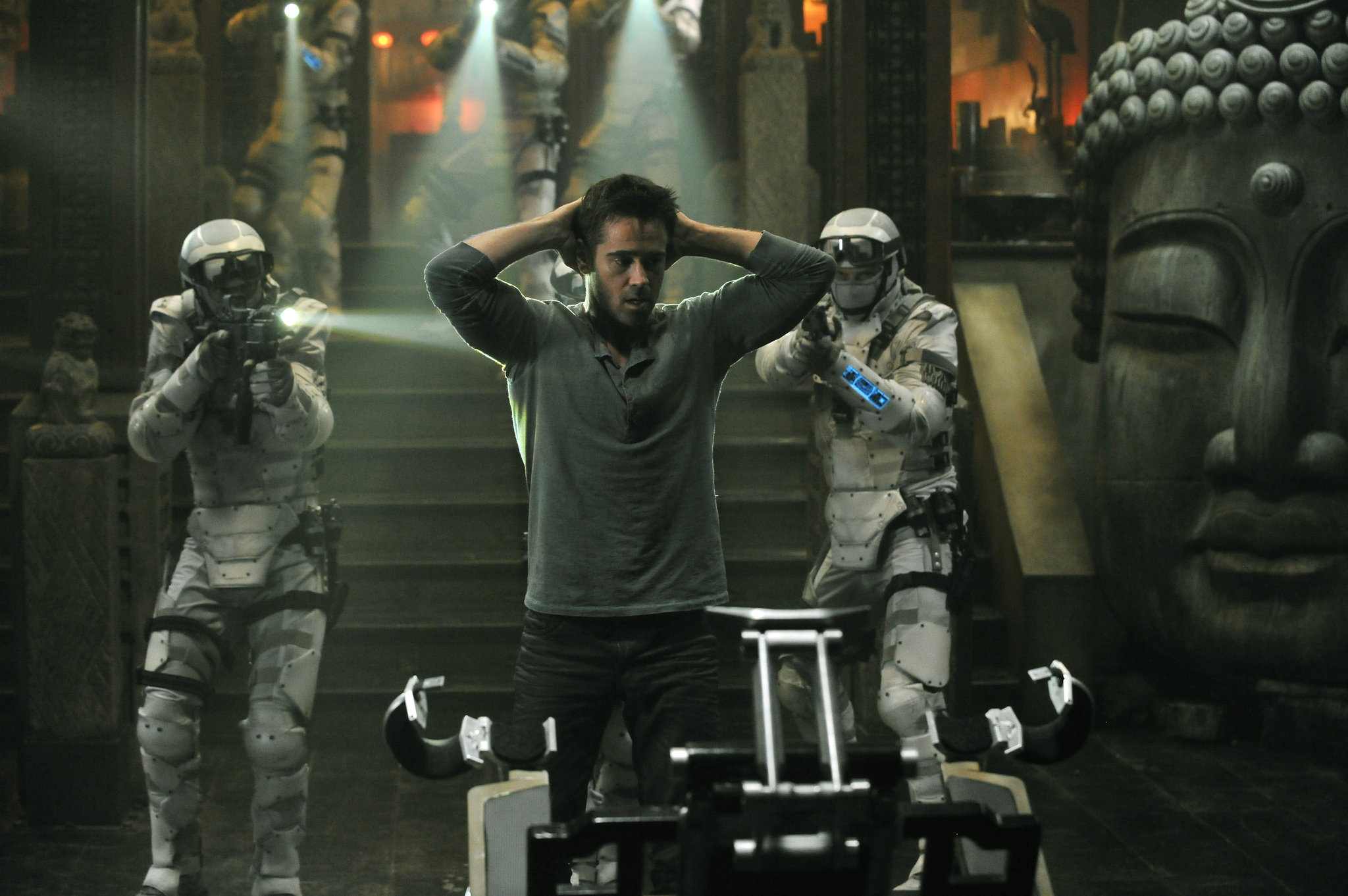
That makes for efficient action, but it changes the emotional shape of the story. Schwarzenegger’s physical certainty was constantly contradicted by his confusion. Farrell’s Quaid becomes convincing at survival almost immediately. He still doubts the story being told about him, but the film gives him less time to sit inside that doubt. He is usually running, jumping, fighting or being shot at before the question has had time to become uncomfortable.





The Fall Is the Remake’s Best Idea
I still like the Fall, even though the science is cheerfully beside the point. A commuter system running through the Earth turns class into a piece of impossible geography. The Colony’s workers do not simply travel across town; they disappear into the planet to reach an economy that needs their labour but would rather not live alongside them. It is enormous, silly and immediately readable. In a film so anxious to look credible, the Fall has the welcome nerve to be ridiculous, which puts it closer to Verhoeven’s instincts than much of the rest of the remake.

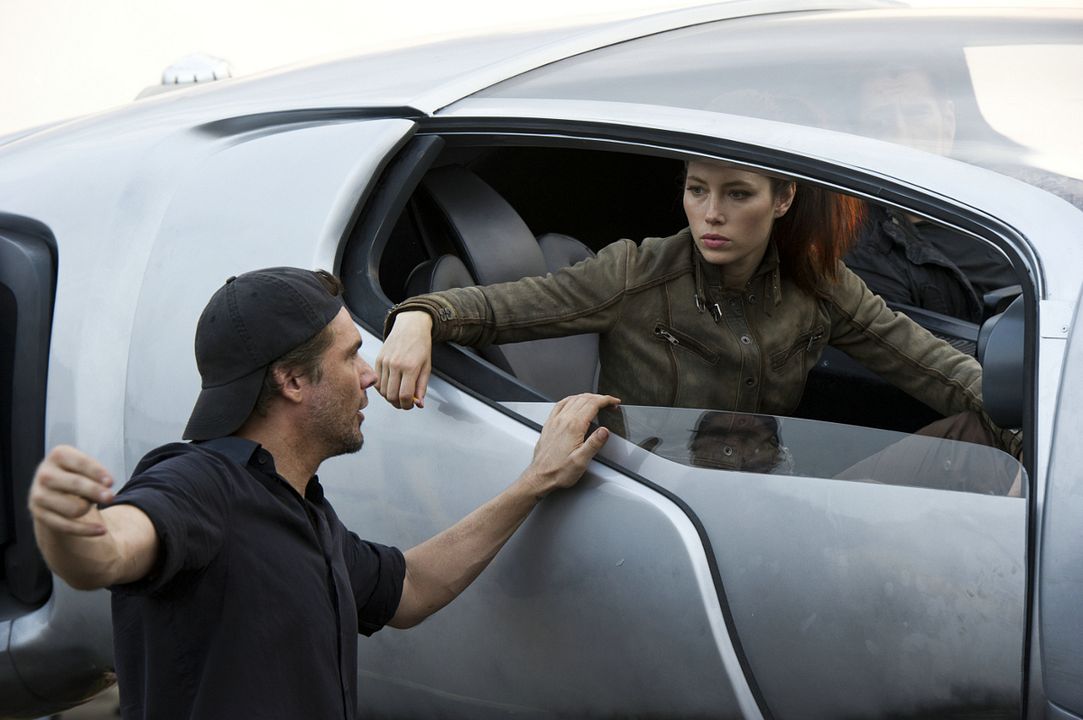

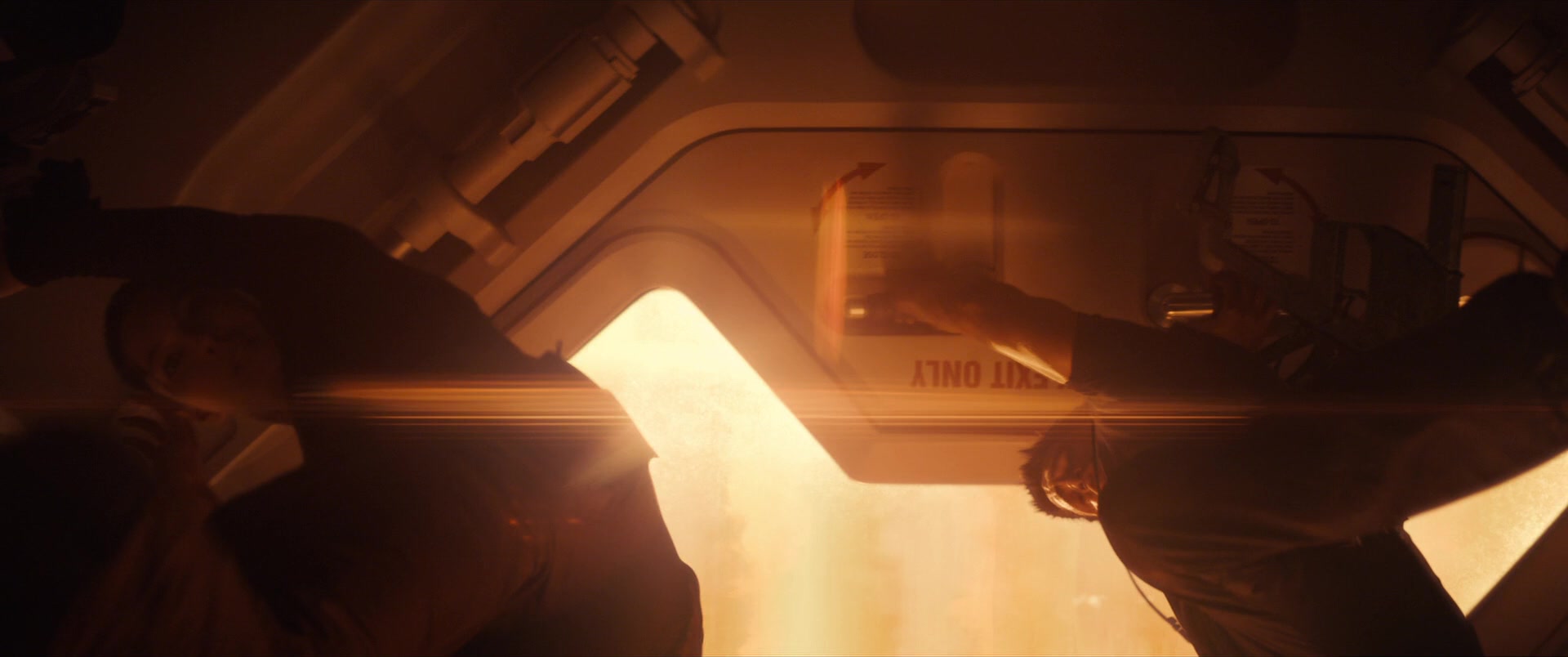
The production design surrounding that conceit has a density I enjoy. The Colony stacks roads, signage, walkways, apartments and commercial spaces almost on top of one another, while the United Federation of Britain has the luxury of order and distance. There are echoes of Blade Runner and Minority Report, although the difference between the two territories is clear before anybody delivers a speech about inequality. One has room to spread out; the other has to find space for everybody. These are effective images, even when the action rarely lets them sit still for long.




The remake still gestures towards the possibility that Quaid never left Rekall, but it treats the idea more like a familiar beat than a structural threat. There are sequences and conversations presented with an objective confidence that makes the surrounding world feel much more fixed. The story wants us to wonder, briefly, then get back to the chase.

The extended version plays more games with identity and contains material that makes the Hauser question messier, but the overall temperament remains different. Verhoeven seems delighted by the possibility that reality may be unrecoverable. Wiseman is more interested in whether Quaid can get through the next door before Lori does. There is nothing inherently wrong with that. It just means the same premise has been put to work in a different genre machine.
Same Names, Different Temperatures
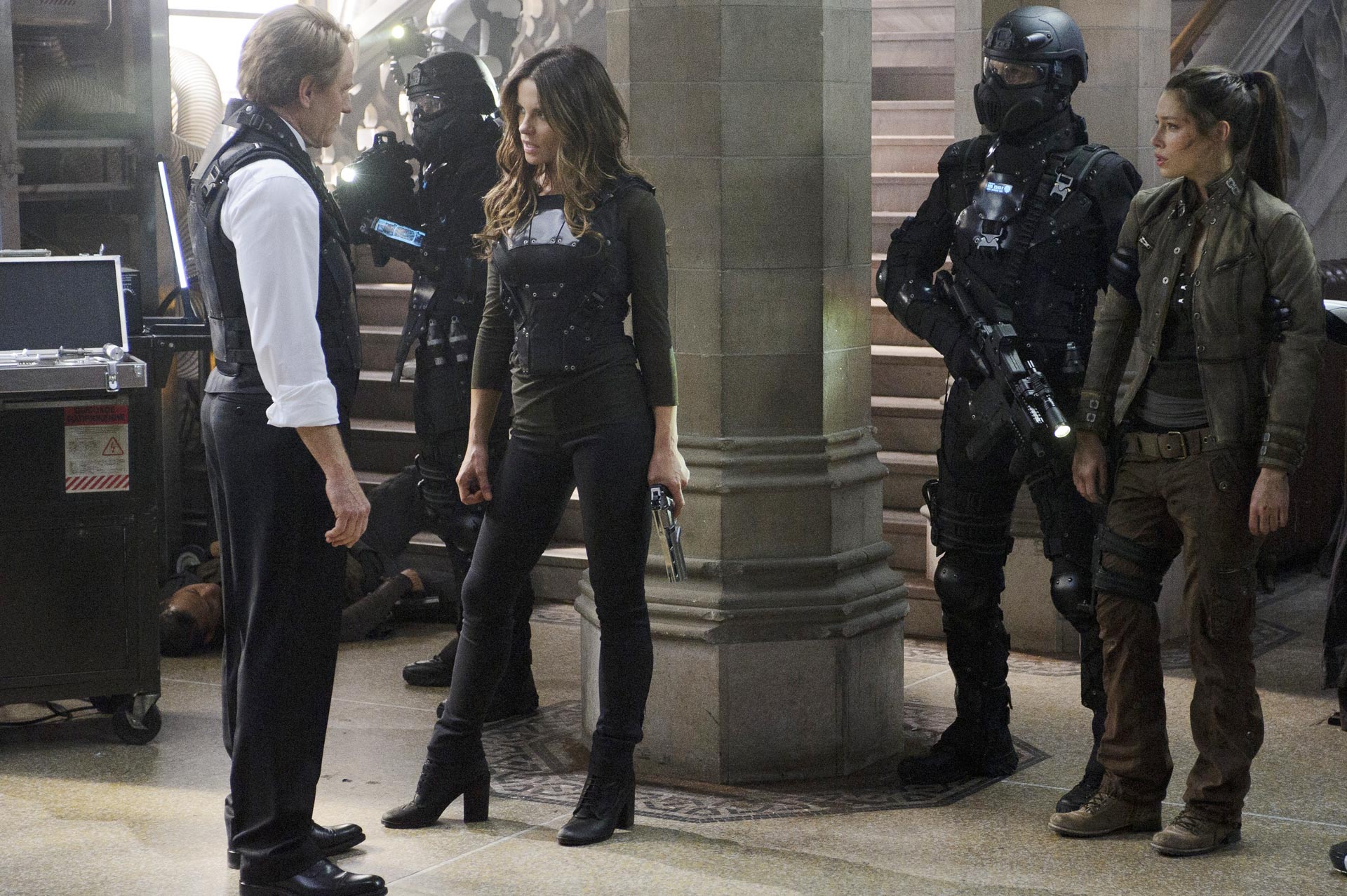
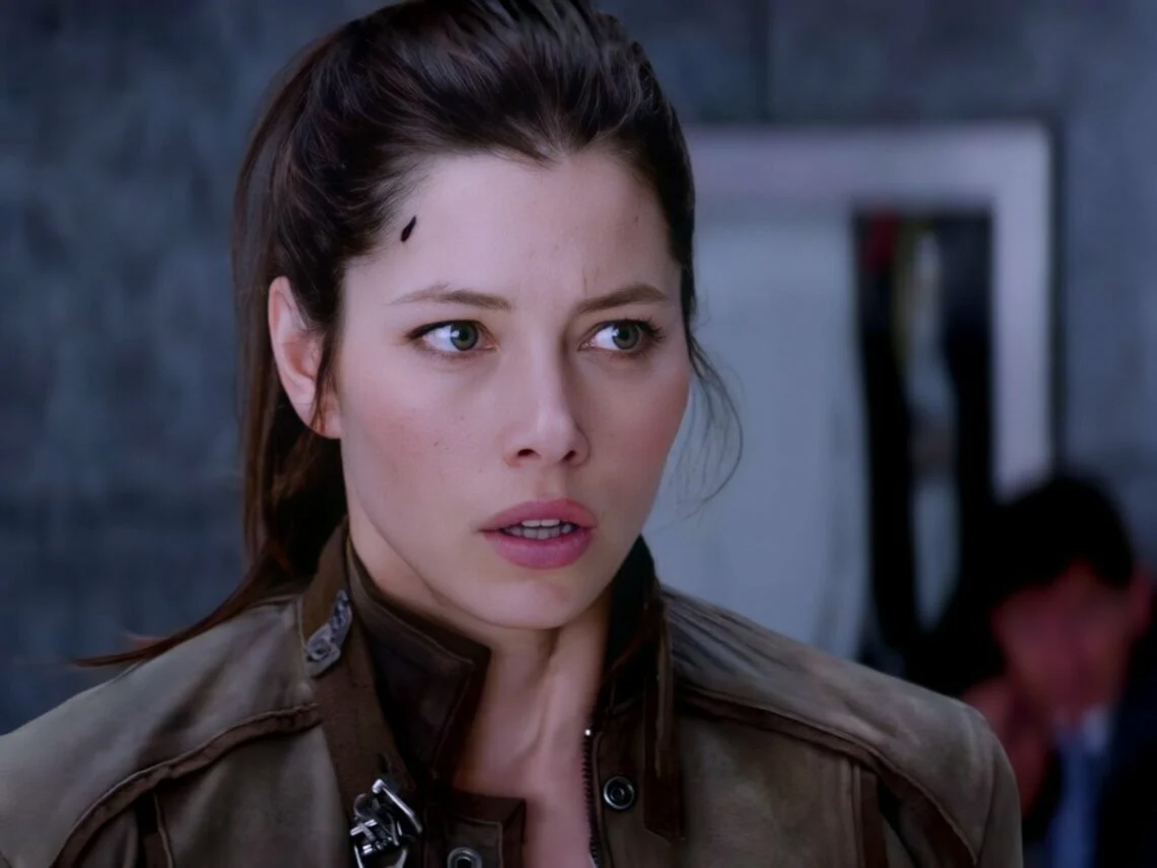
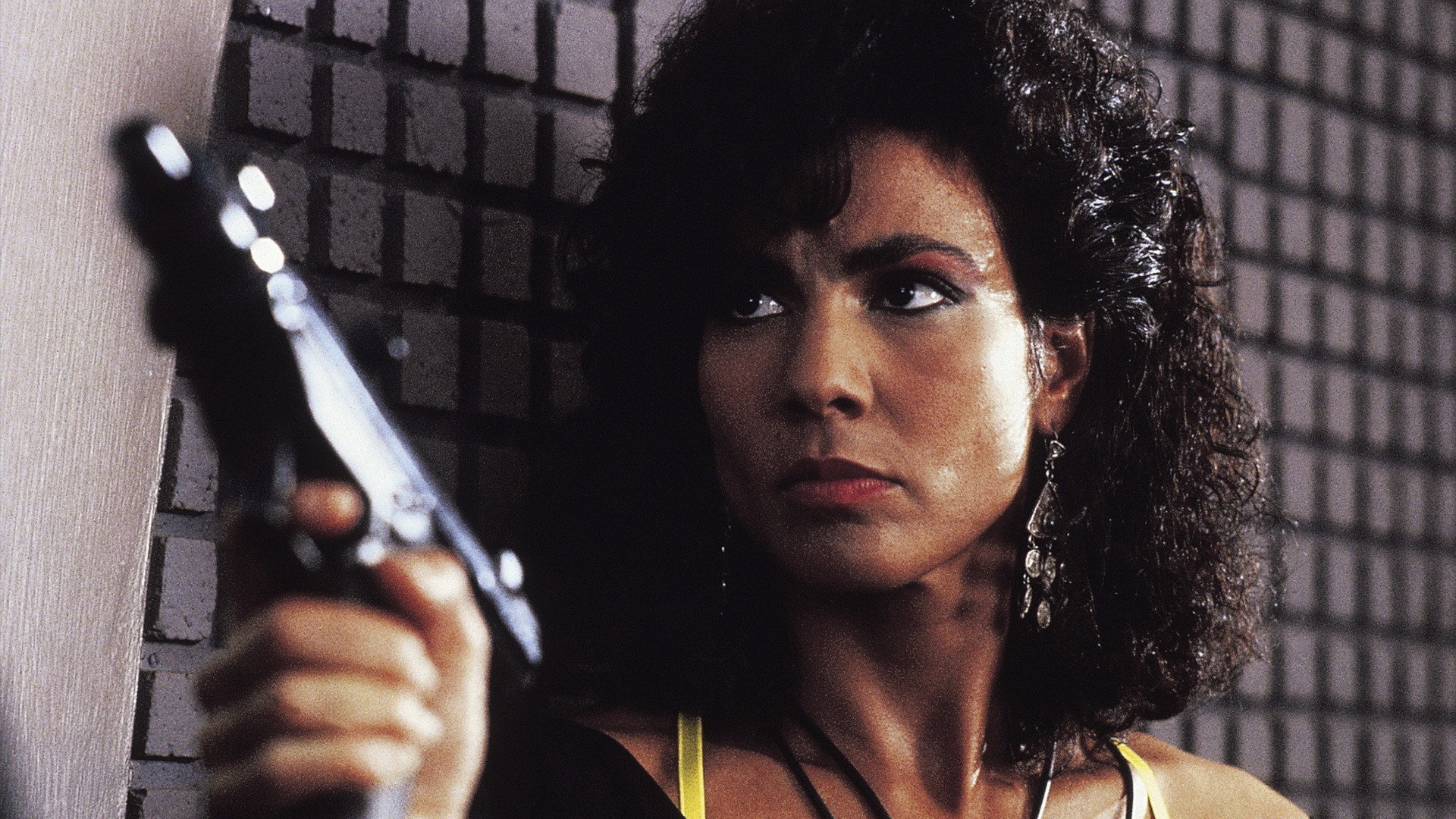
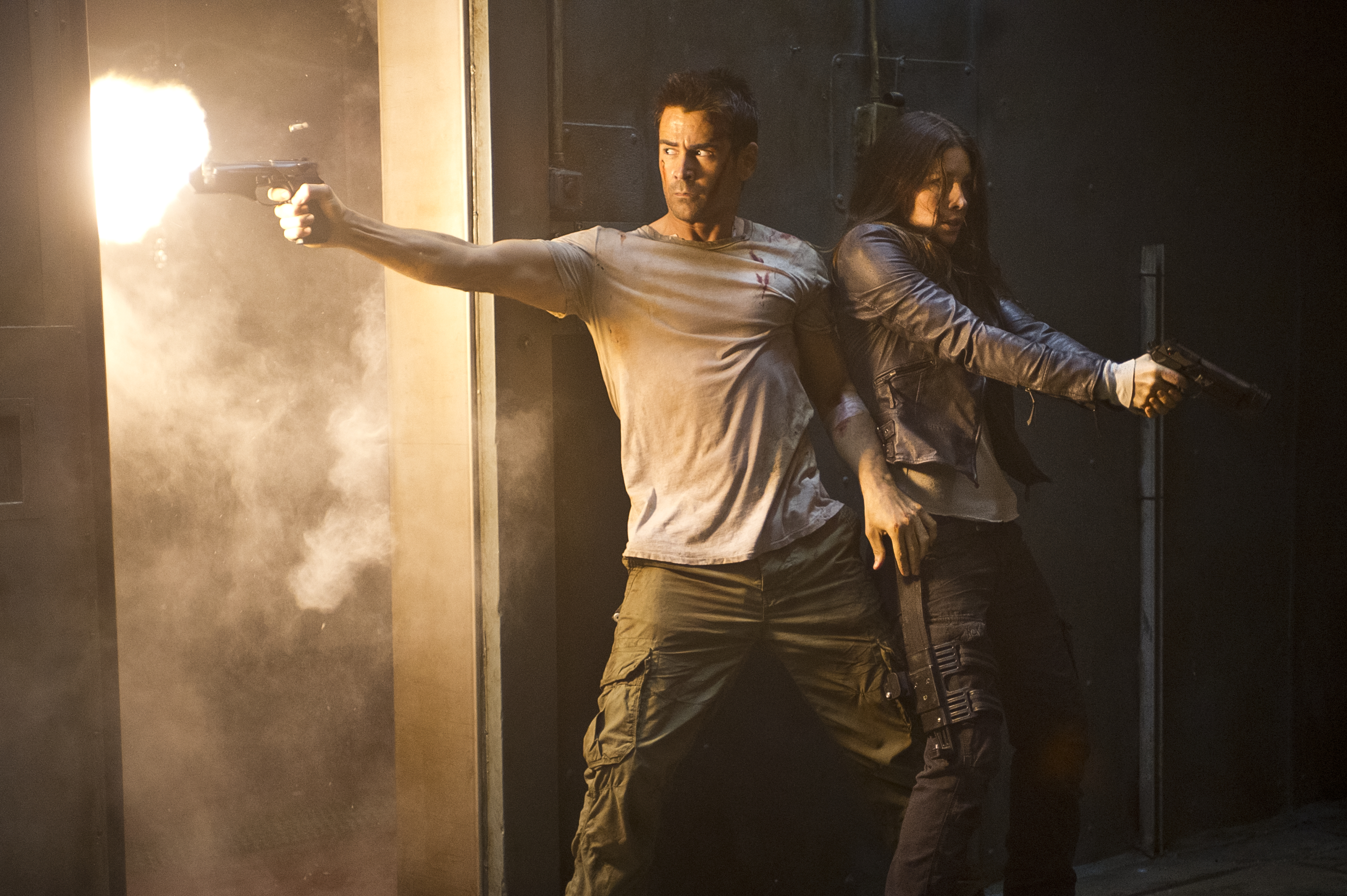
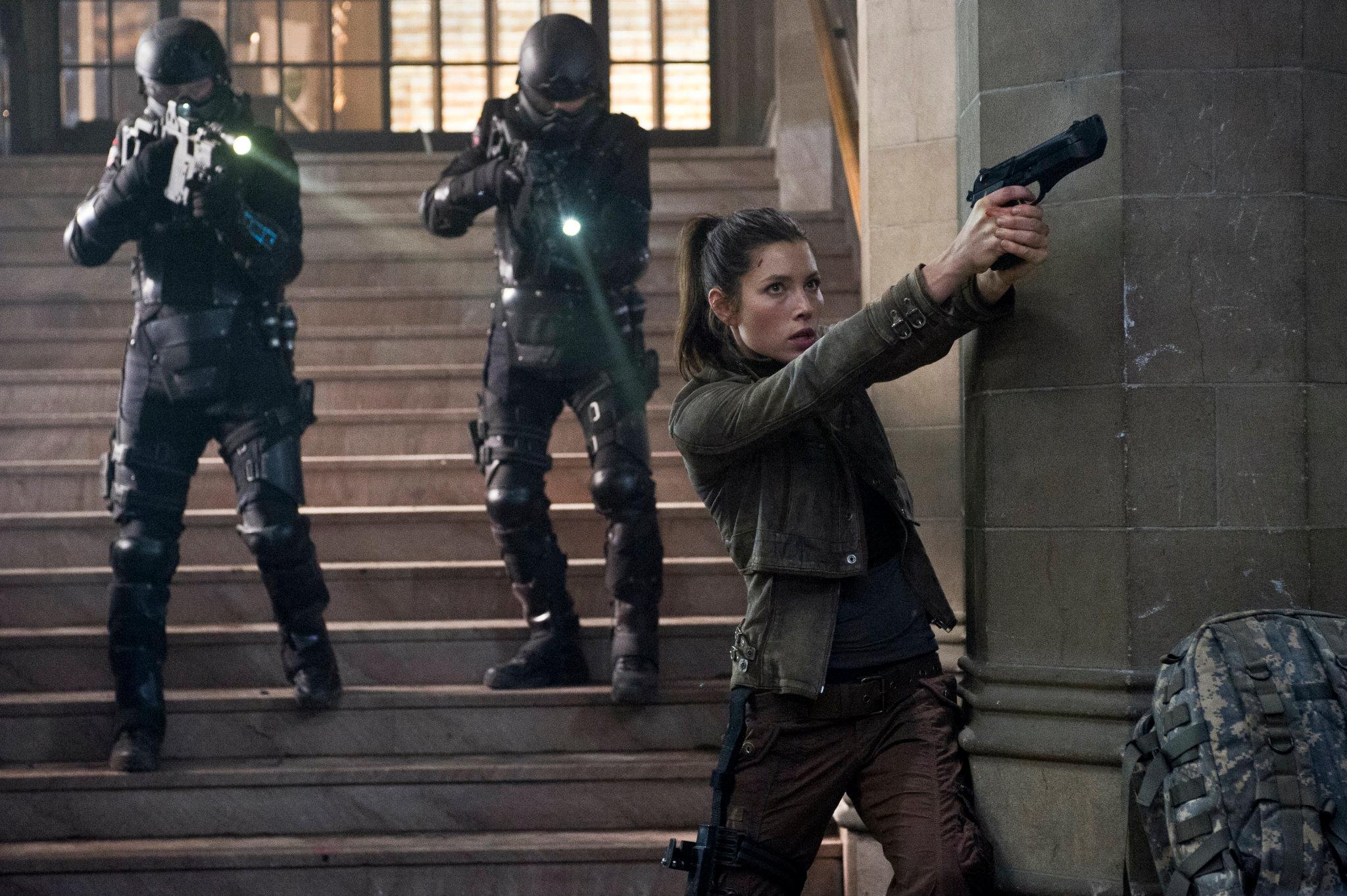
The character pairings are where the back-to-back viewing becomes especially revealing. Rachel Ticotin’s Melina enters the 1990 film with a history that Quaid does not fully possess. She has reasons to distrust the face in front of her because Hauser has already hurt her and the resistance. Jessica Biel’s Melina is capable and physically credible, but the 2012 film has less patience for that emotional abrasion. She spends more of her screen time helping the plot move.



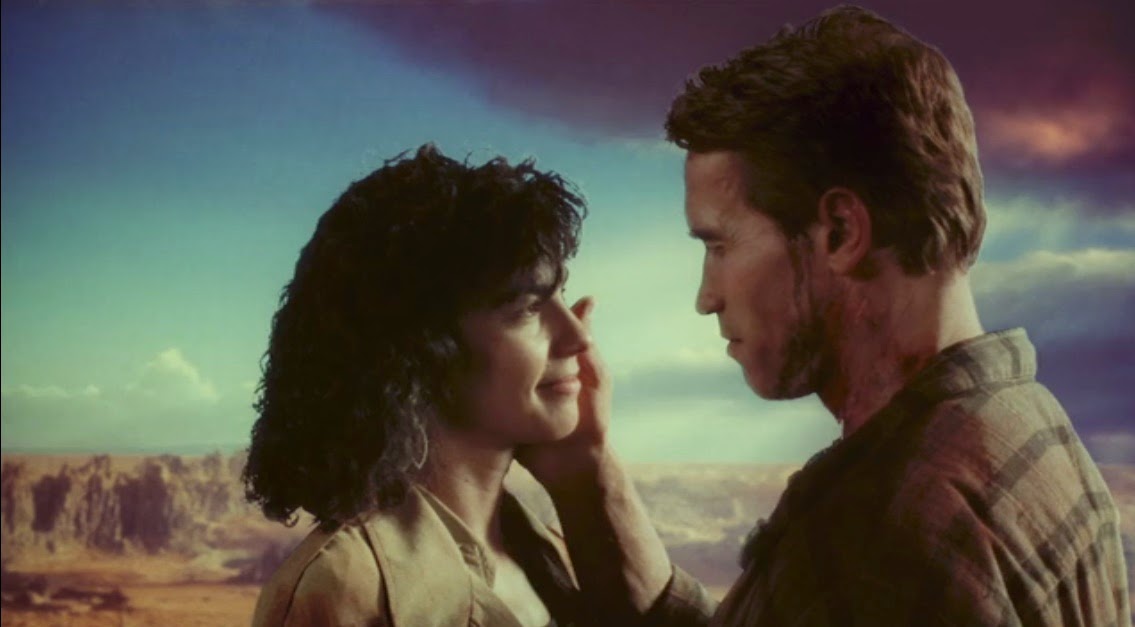
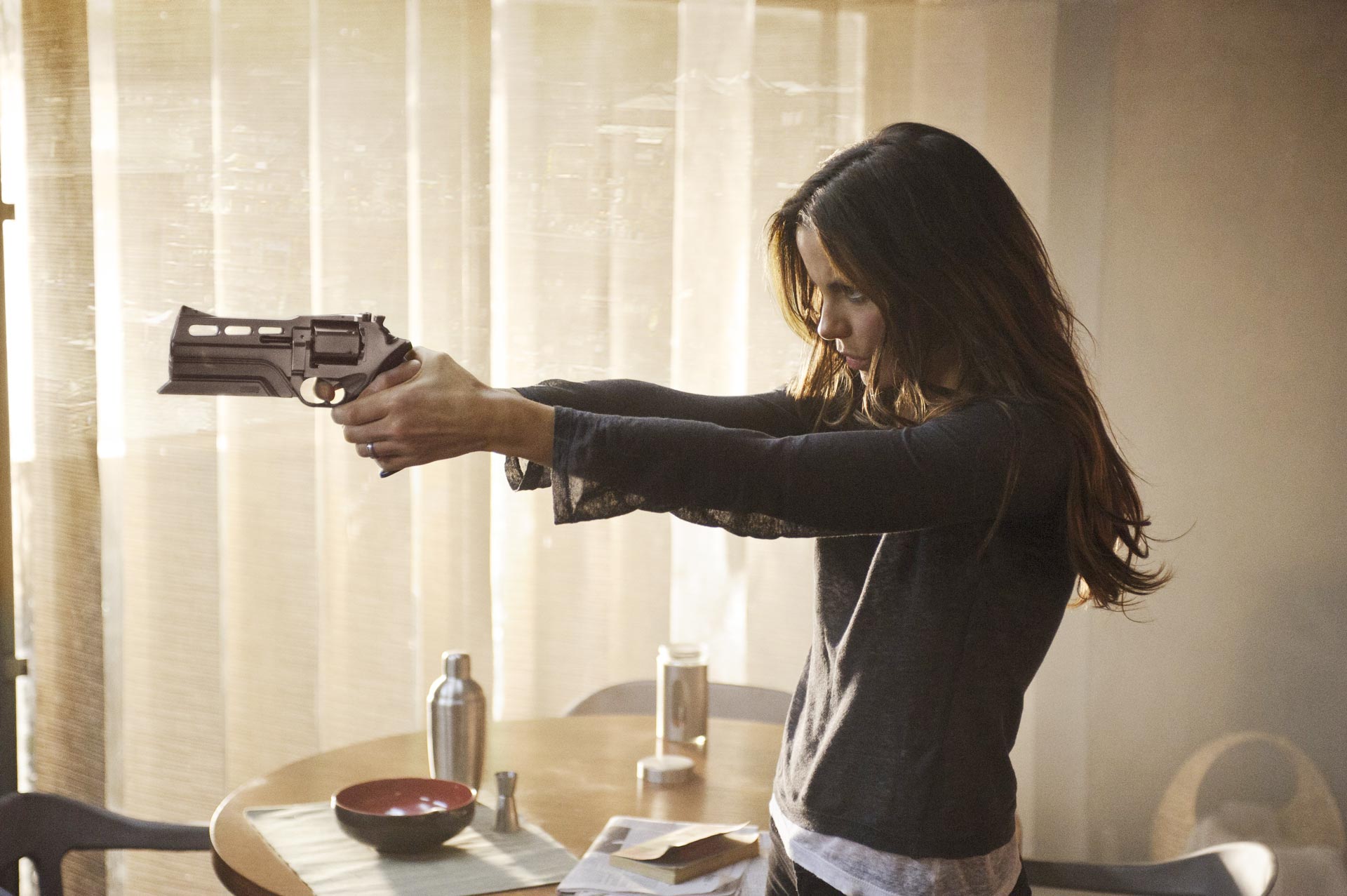
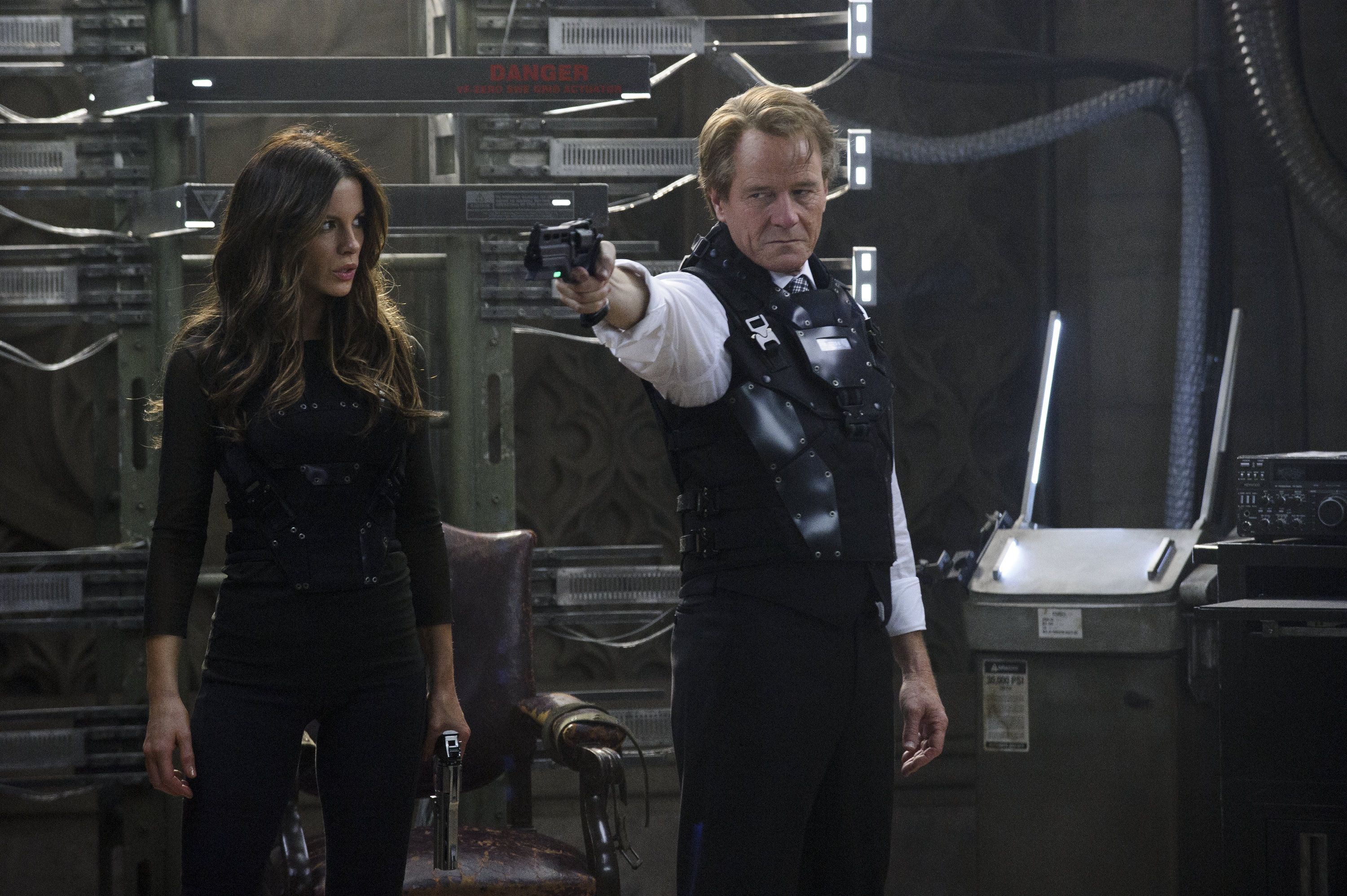
The two Loris diverge even more. Sharon Stone’s version is frightening because the domestic performance comes first. The violence matters because Quaid has already trusted her. Kate Beckinsale’s Lori becomes an engine of pursuit and is very good at it; she turns up with the persistence of a software process that refuses to quit. What is lost is some of the ugliness of discovering that an intimate relationship was administrative work.


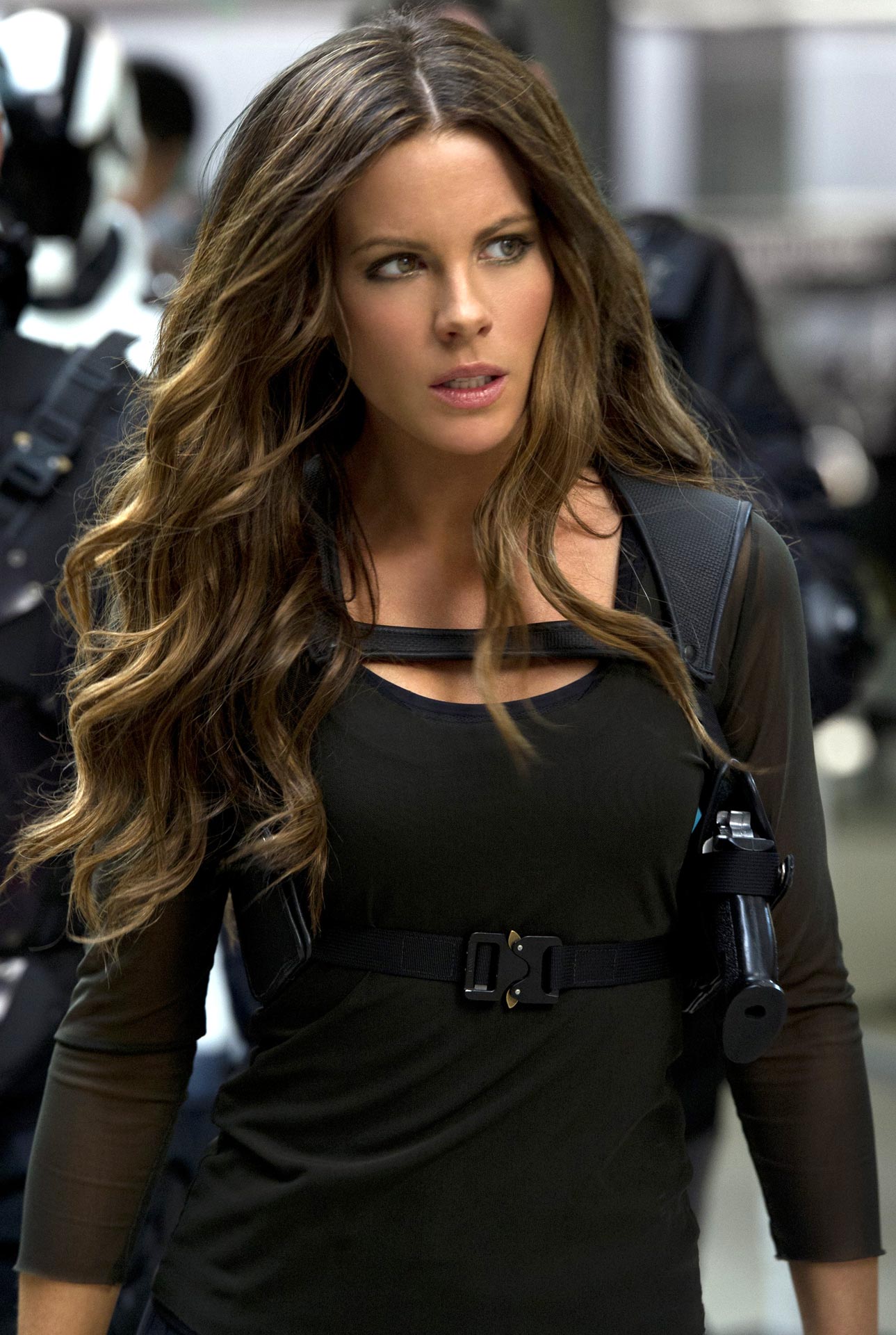

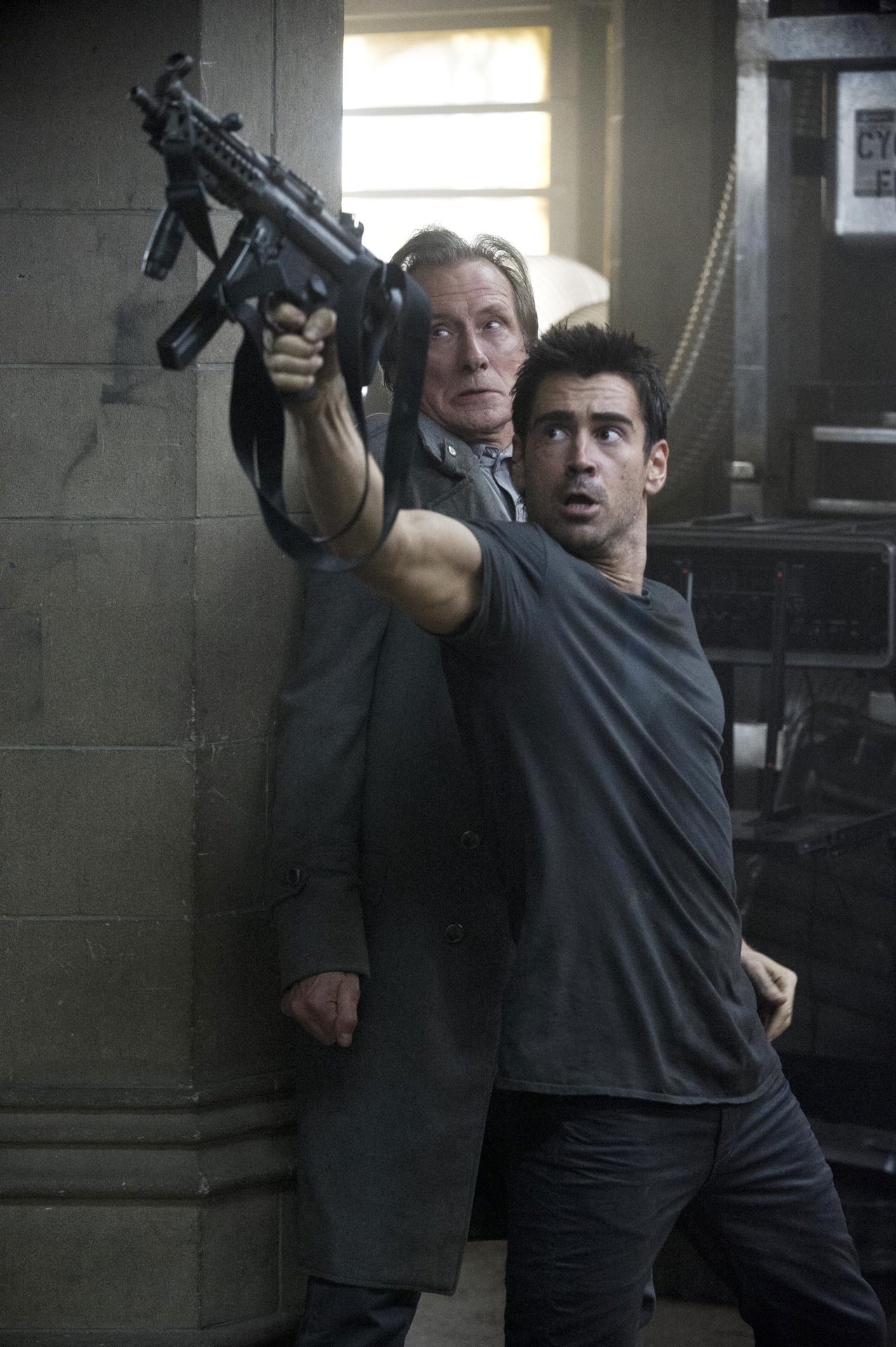
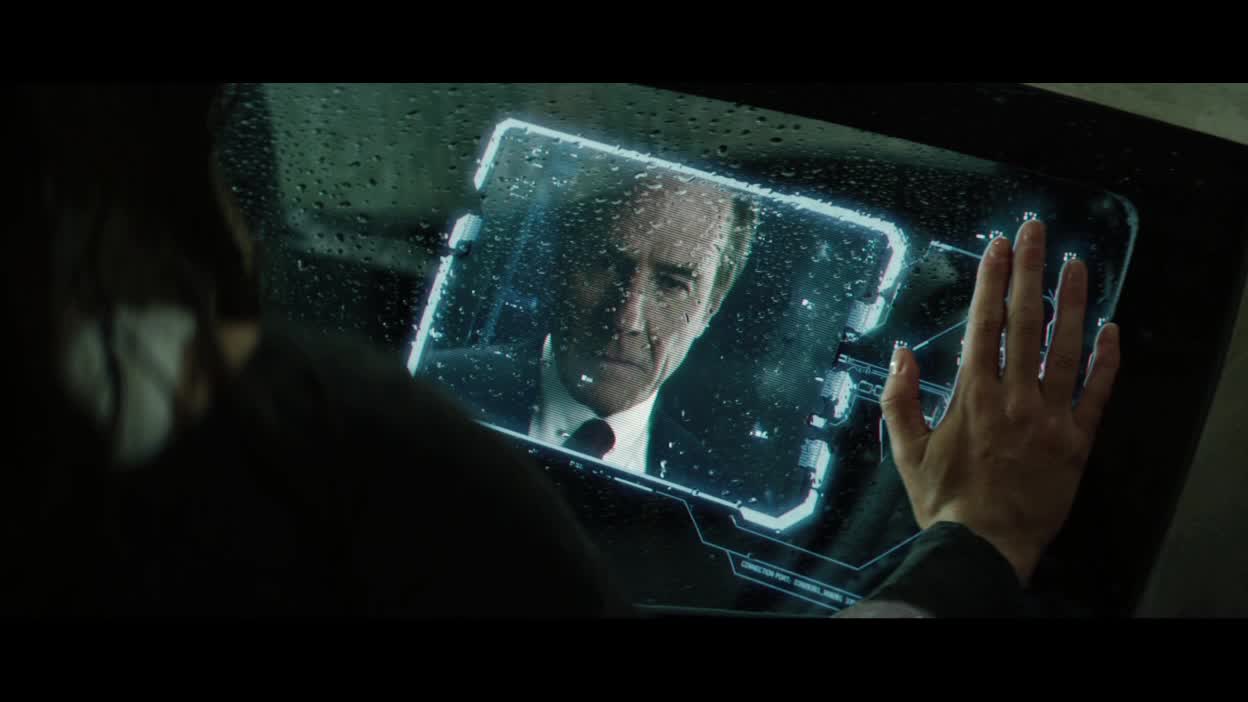
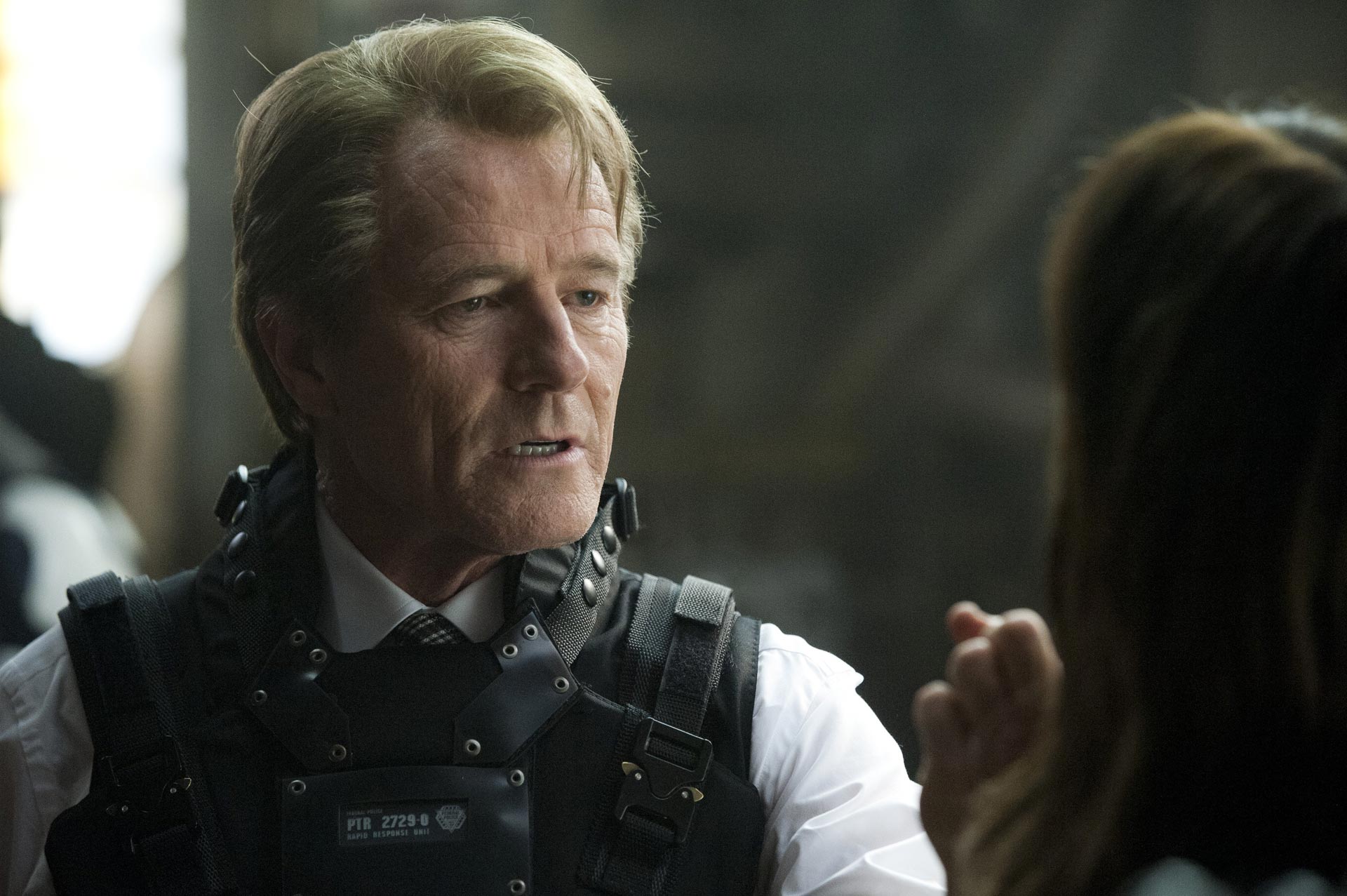
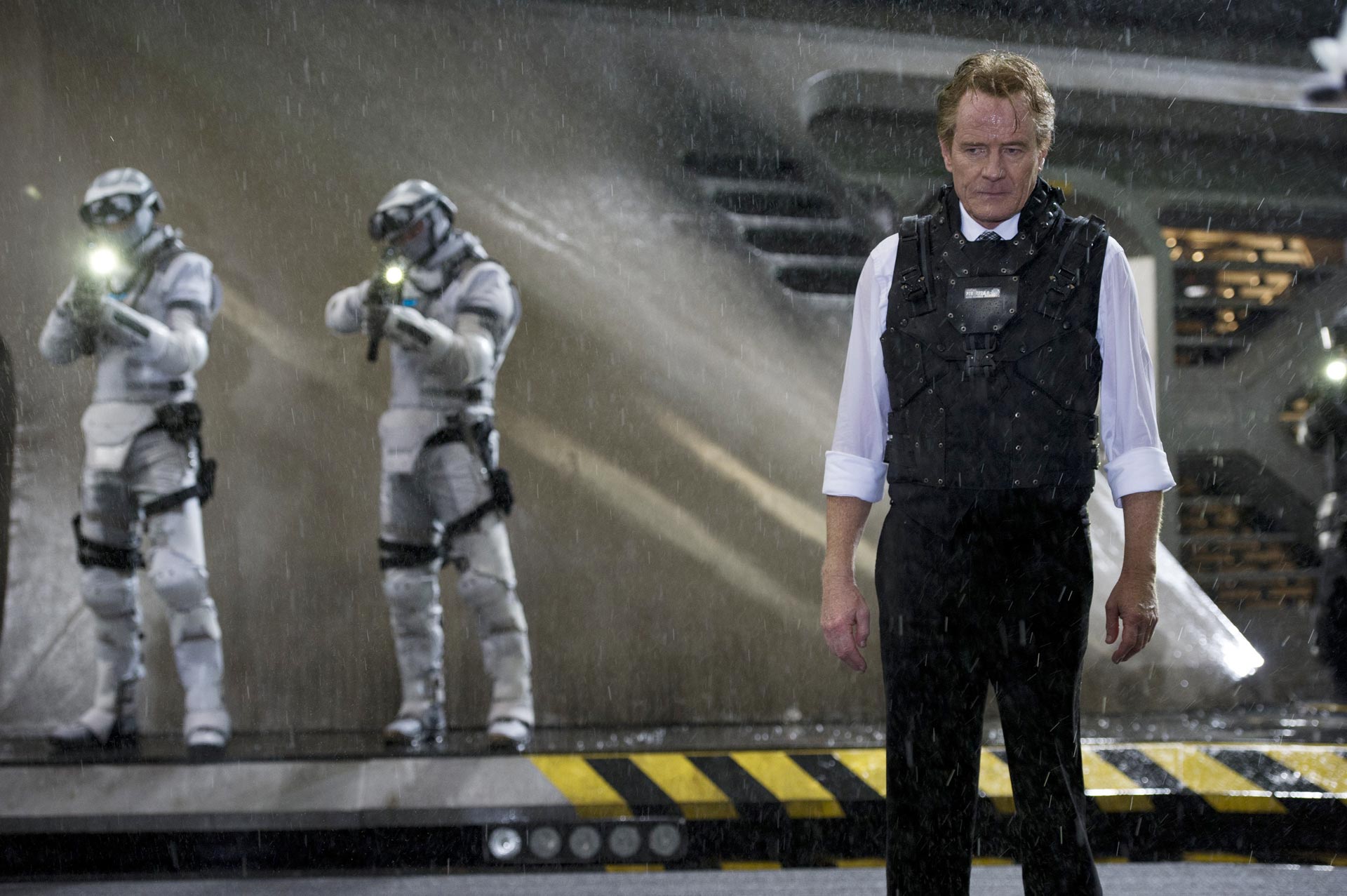
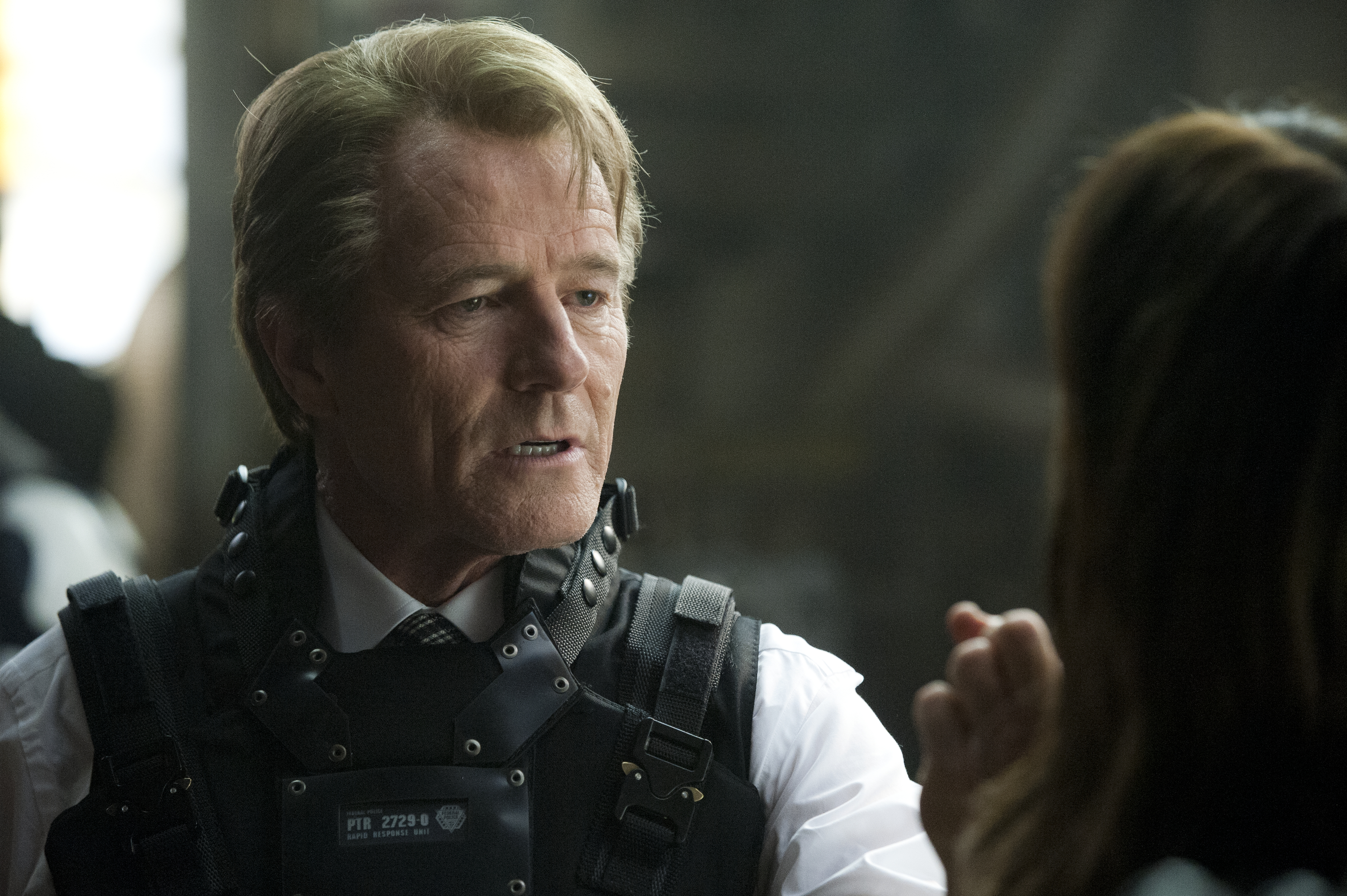
Ronny Cox’s Cohaagen also benefits from Verhoeven’s taste for smiling corporate monsters. He can sound reasonable while controlling the oxygen supply. Bryan Cranston’s Chancellor Cohaagen is colder and more overtly authoritarian, but the remake gives him less room to be socially charming, which makes him easier to file under “villain”. The older film keeps finding ways to make power look banal before it makes it monstrous.






What Twenty-Two Years Actually Changed
The easy argument would be practical effects against CGI, with the usual assumption that the older film has somehow won by default. I understand the temptation, especially when I remember individual props from 1990 more readily than entire sequences from 2012, but neither production fits that division. Verhoeven used miniatures, prosthetics, optical effects and early computer imagery; Wiseman also built substantial sets and physical vehicles around an increasingly digital world. The real difference is how each film wants its manufacture to feel. In the original, I can almost sense the workshop and the model-maker’s hands. In the remake, the joins have been polished away, and the city moves around the actors with almost no visible effort.
That difference changes what stays with me. From the older film I remember objects: Johnny Cab, the tracker pulled from a nostril, the woman-shaped disguise, Kuato, the reactor and a succession of chunky video screens. From the newer one I remember movement: an apartment chase, an airborne vehicle, a vertical city, the Fall and platforms travelling in improbable directions. One leaves props in my head, the other leaves routes. Neither is inherently a lesser achievement, but only one has managed to lodge a small, irritating taxi driver in my memory for decades.

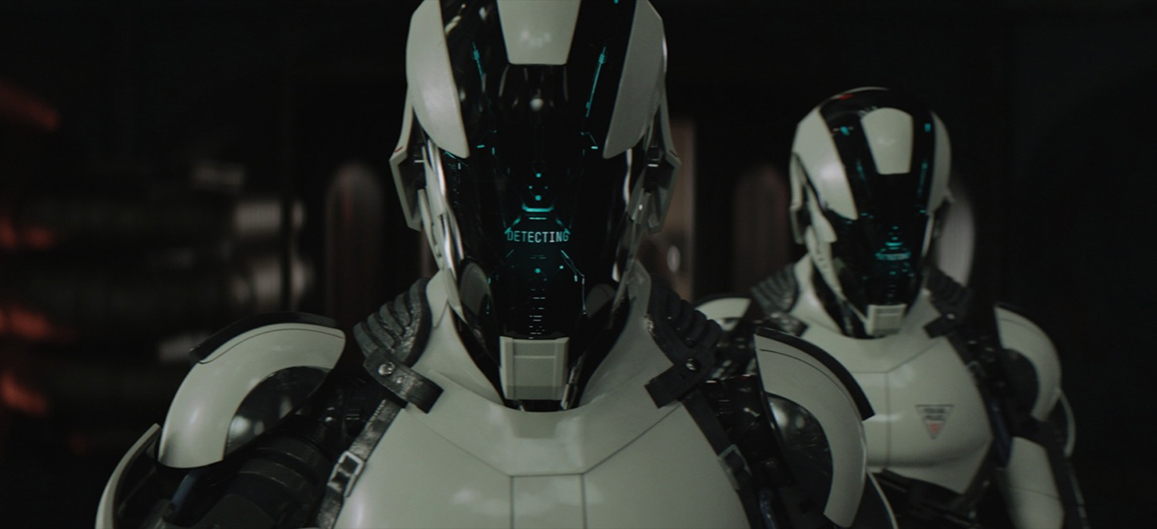
The ratings and blockbuster expectations matter as well. Verhoeven’s film is cheerfully R-rated, violent and vulgar, and its satire feeds on that bad taste. The remake was built as a PG-13 tent-pole and has a smoother relationship with violence. Robots absorb a lot of punishment that would have been directed at bodies in 1990. The newer film is not timid, exactly. It is simply calibrated for a broader industrial purpose.
Watching the Same Memory Twice
The odd pleasure of the double bill was noticing my own memory getting in the way. I remembered the 1990 film as bigger and stranger than it sometimes is, because thirty-odd years of clips, jokes, television screenings and repeated images have compressed it into a greatest-hits reel in my head. The remake was newer, technically cleaner and in many places more elaborate, yet it felt less familiar because fewer of its individual images had attached themselves to anything outside the film.
The remake also revisits one of Verhoeven’s most notorious throwaway visual jokes: the three-breasted woman glimpsed in a Martian bar. She reappears twenty-two years later beneath the neon lights of the Colony, instantly recognisable even though Mars itself has vanished from the story. It is a brief, knowingly ridiculous callback, but also a reminder of how selective film memory can be. Entire stretches of plot grow hazy while a character who barely interrupts the action survives intact, ready to turn up in the next version.

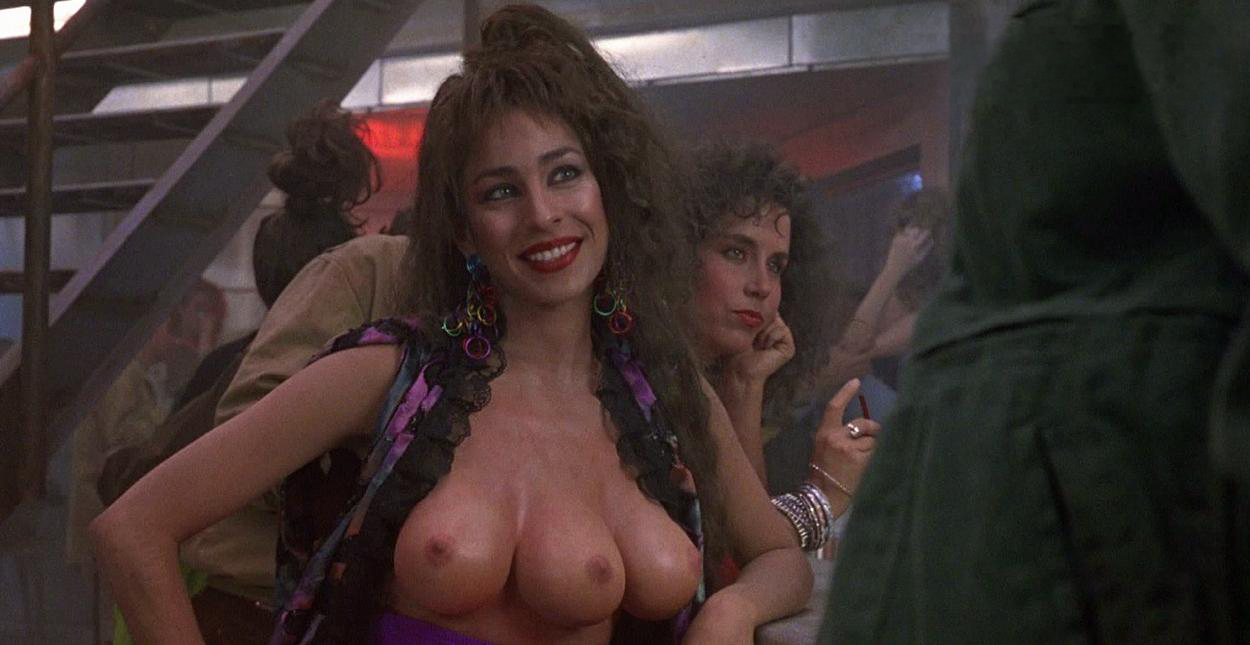

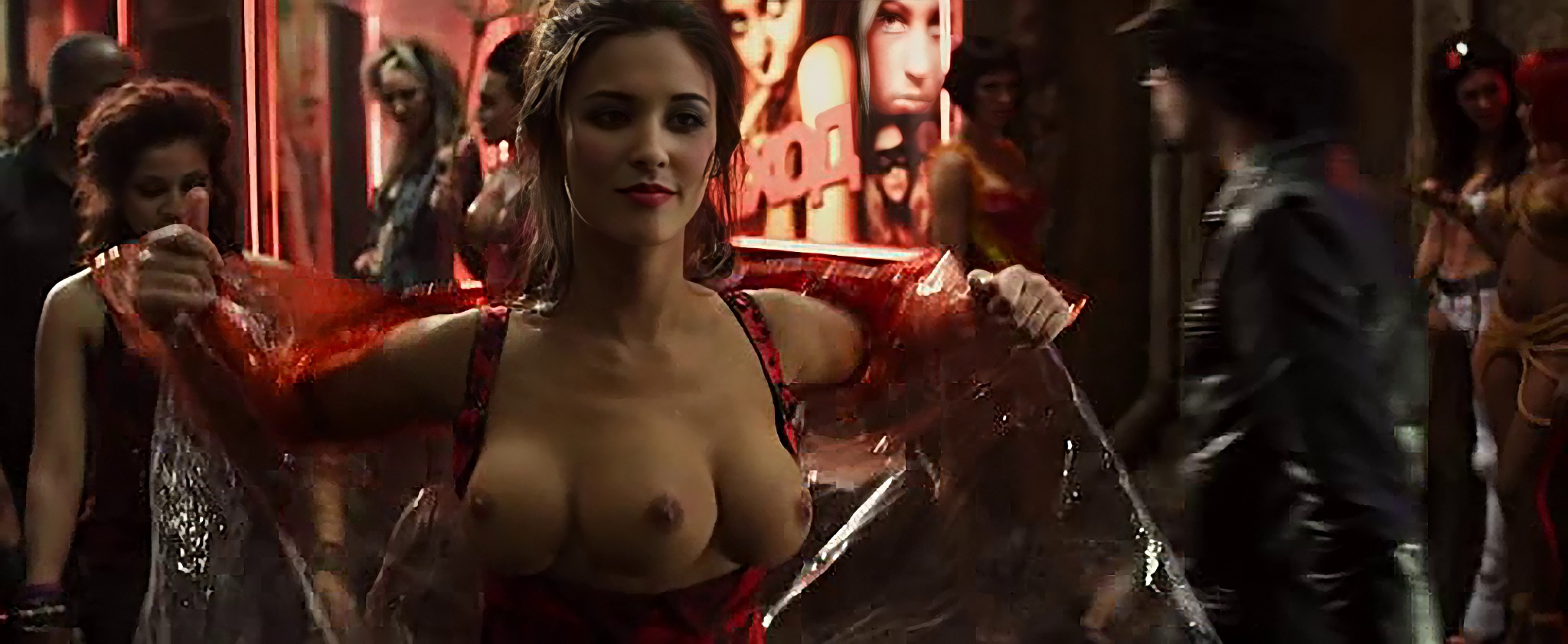
That may be the most Total Recall thing about this comparison. Memory is not a carefully labelled archive; it is closer to an edit made without showing us the timeline. We keep what fits, exaggerate certain textures and quietly discard the connective tissue. After enough years a film can become more itself in memory than it ever was on screen. The 1990 version has had decades of television broadcasts, quoted lines, clips and half-remembered conversations to undergo that process. Rewatching it means meeting the film and my private reconstruction of it at the same time.
Mars Still Matters, Even When Mars Is Missing
I understand why the 2012 film removed Mars. It was trying to distinguish itself, and the Colony/UFB split gives it a political geography of its own. But losing Mars also removes something useful from the story: distance. In 1990, Quaid wants another life so badly that he wants another planet. Rekall is selling not simply excitement but escape from the scale of his ordinary existence.
That makes Mars emotionally important before Quaid ever gets there. It is first a fantasy, then a memory, then a battleground and perhaps finally another layer of fantasy. The red planet keeps changing function depending on what Quaid thinks he knows. The remake’s Earth-bound world is visually impressive, but the destination never carries quite the same charge because Quaid is already inside the dystopia he needs to understand.

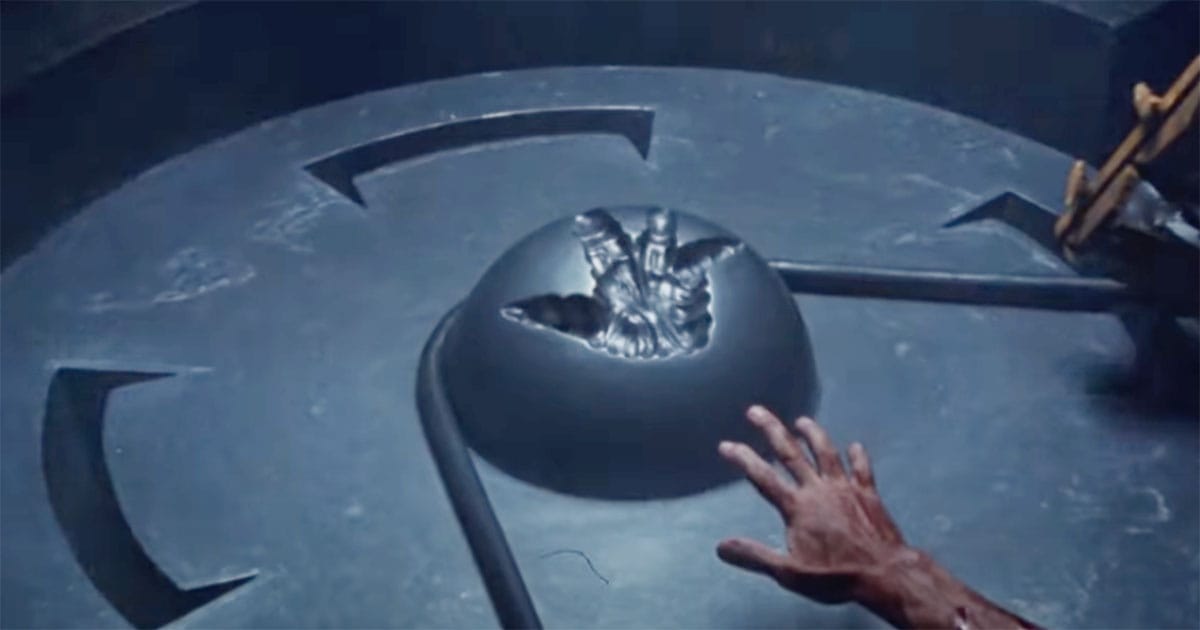
Memory Is the Last Special Effect
After the double bill, I did not conclude that 1990 succeeds because physical effects are inherently superior or that 2012 falters because digital tools exist. That is too neat a verdict for a story built around the unreliability of neat explanations. The older film works better for me because its satire, violence, deliberately awkward physicality, performances and lingering ambiguity all seem to be arguing about the same problem. Nothing in its world is fully secure, not even its tone. The remake is more orderly about delivering the thrills, but order is not necessarily a virtue when the subject is the collapse of certainty.
The 2012 version is an energetic action film with meticulous production design and a clever class metaphor in the Fall. I enjoy more of it than its reputation sometimes allows. What it cannot quite recreate is the feeling that the movie itself may be lying to me. It keeps the machinery of Total Recall but makes that machinery run smoothly, and smoothness is not always what this story needs.
Philip K. Dick’s premise has only become easier to recognise. We now live among synthetic images, algorithmically edited feeds and tools that can produce plausible versions of things that never happened. That does not make either film prophetic in any simple sense, but it makes the central anxiety feel less abstract. If memory can be altered, copied, manufactured or simply drowned in competing versions of reality, identity becomes a matter of what we choose to do next.
That is why Quaid’s response to uncertainty matters more to me than any theory about which scenes are real. He may never be able to identify a past that belongs to him with complete confidence, and the film does not grant us an easy way of doing it for him. He has to decide what kind of person he intends to be while the evidence keeps shifting. He acts without solving the puzzle first, and that small act of commitment is more interesting than a final explanatory twist would have been.
Rekall sells the fantasy of memory without inconvenience: a life that can be purchased, installed and believed. Cinema works in almost the opposite direction. We misremember films, carry bits of them around for decades, then go back and discover that the thing on screen is not quite the thing in our heads. Watching two versions of Total Recall did not establish which of Quaid’s lives was real. It reminded me that the version I had been carrying around all these years was already a remake, assembled without permission somewhere between the television set and the back of my mind.
Affiliate disclosure: Where a link is identified as an affiliate link, a purchase may earn this site a small commission at no additional cost to you.
Leave a Reply