
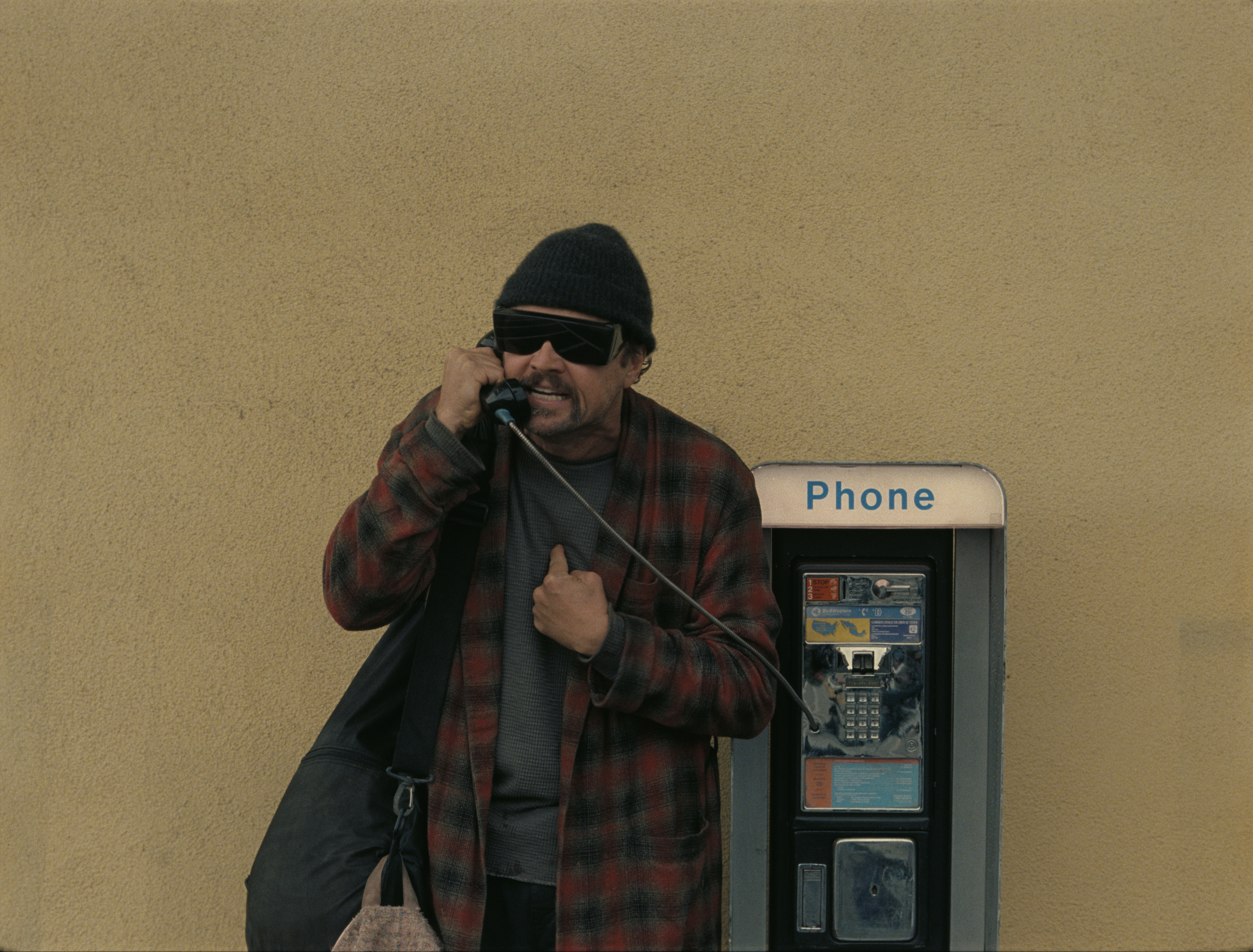
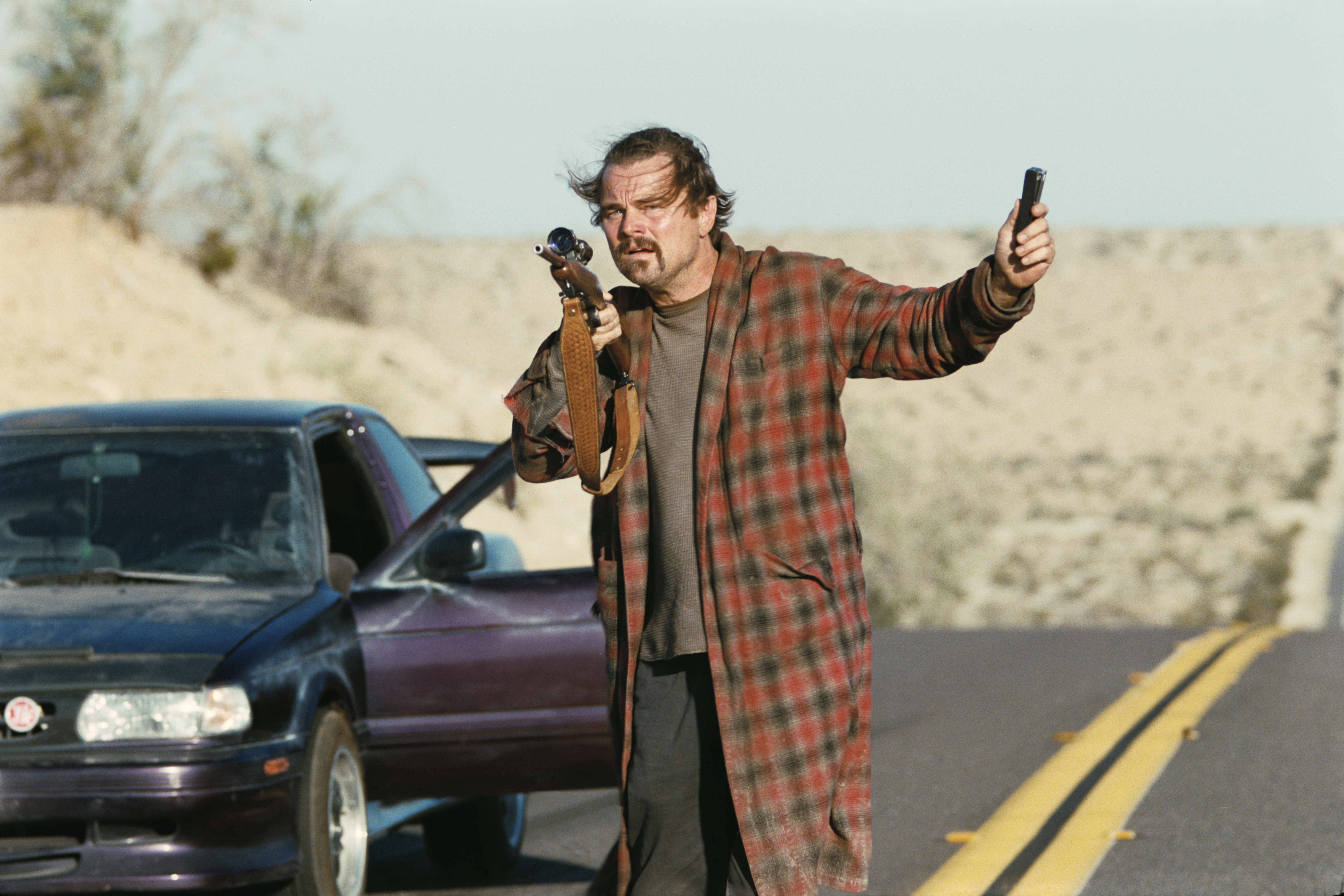
Somewhere in the middle of One Battle After Another, Leonardo DiCaprio’s Bob Ferguson finds himself in the sort of predicament that would be funny if his daughter’s life were not at stake. He needs help from his old revolutionary network. Unfortunately, the network has security procedures, Bob has spent years dismantling his own short-term memory, and the password that might save him has become one more thing he cannot quite retrieve. He is a former bomb-maker, an anxious father and, at this particular moment, the least suitable person to be handling a crisis.

Coming out of Paul Thomas Anderson’s film, I felt a little like Bob. For roughly the first twenty minutes I had been trying to work out the relationships between the French 75, the various code names, the armed authorities and an organisation called the Christmas Adventurers Club. Everything appeared to be happening at once, generally at considerable speed. I wondered whether I had missed some necessary briefing, or perhaps an earlier film. By the time the pieces began to settle, I was too caught up in the chase to mind.

That unsettled quality is part of what makes the film so interesting. Anderson gives us a political thriller, a messy family story, an occasionally ridiculous comedy and a substantial action film without keeping those elements in their separate boxes. This review discusses the major plot developments and ending, so there are spoilers ahead.
A Revolution Without an Instruction Manual
The French 75 are introduced in motion, carrying out attacks and interventions against institutions they regard as violent or oppressive. The film does not assemble them around a table to explain their charter. Their convictions, recklessness and internal contradictions emerge while things are already going wrong. For a while, we are simply expected to keep up, which makes the opening both exhilarating and mildly exhausting.

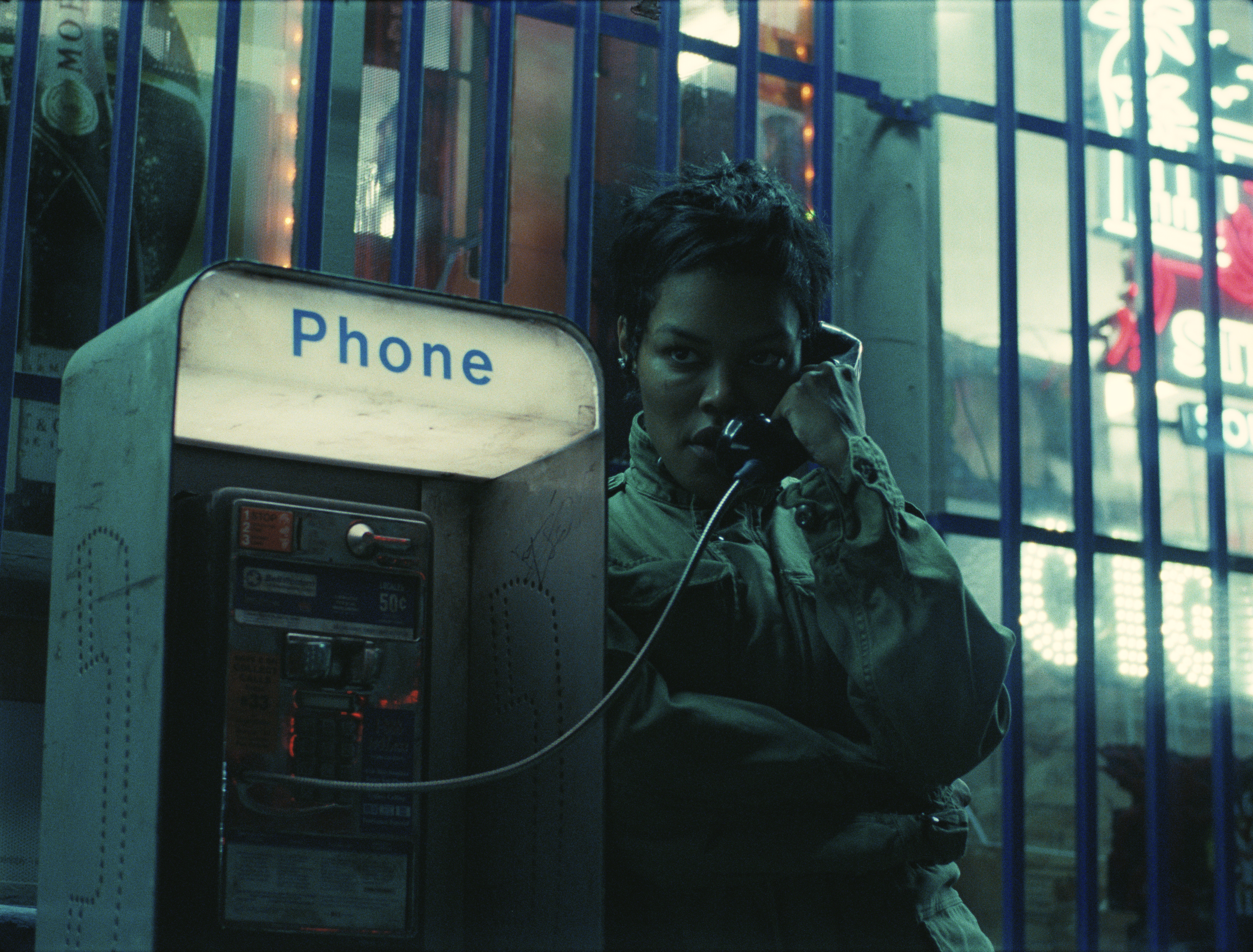
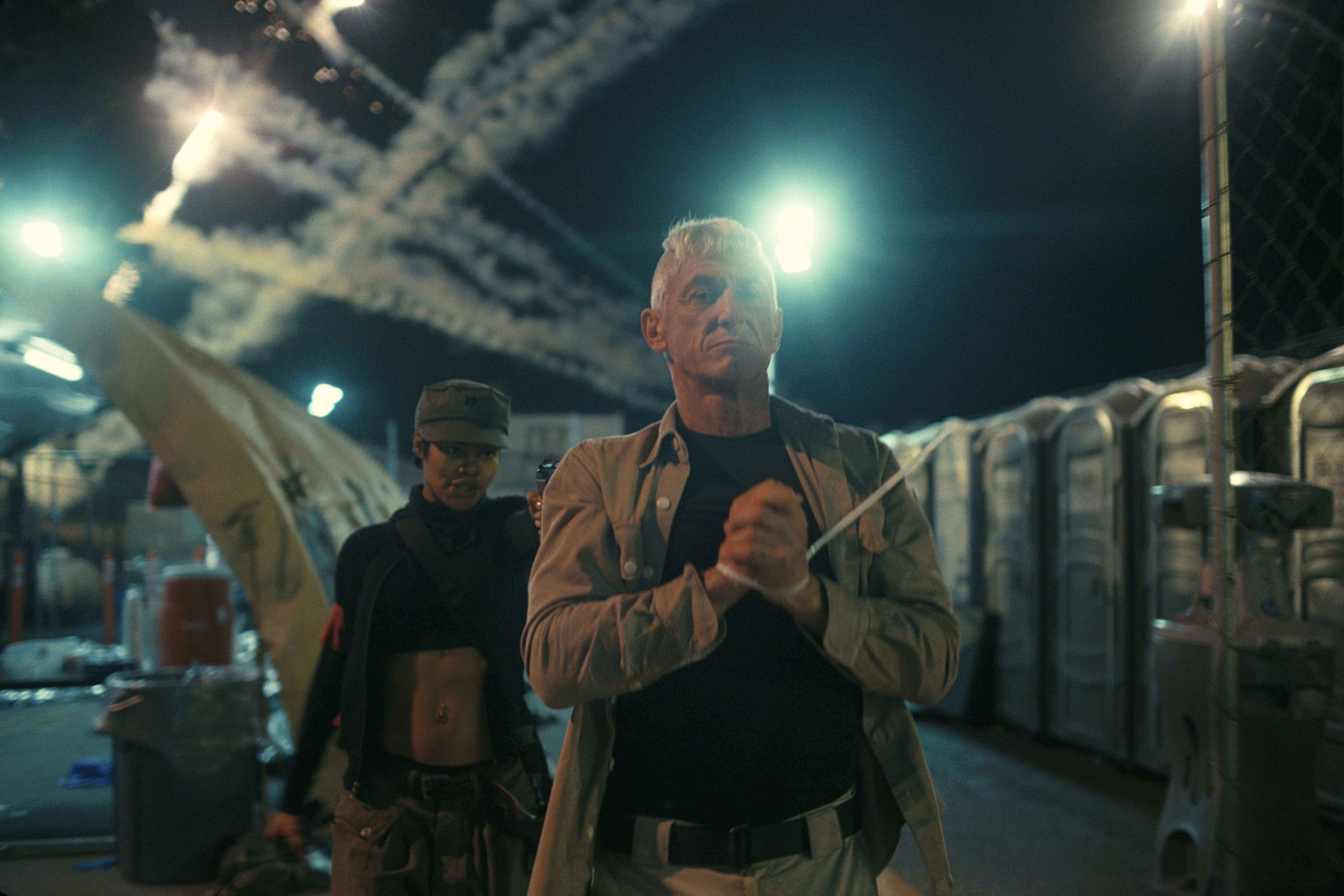
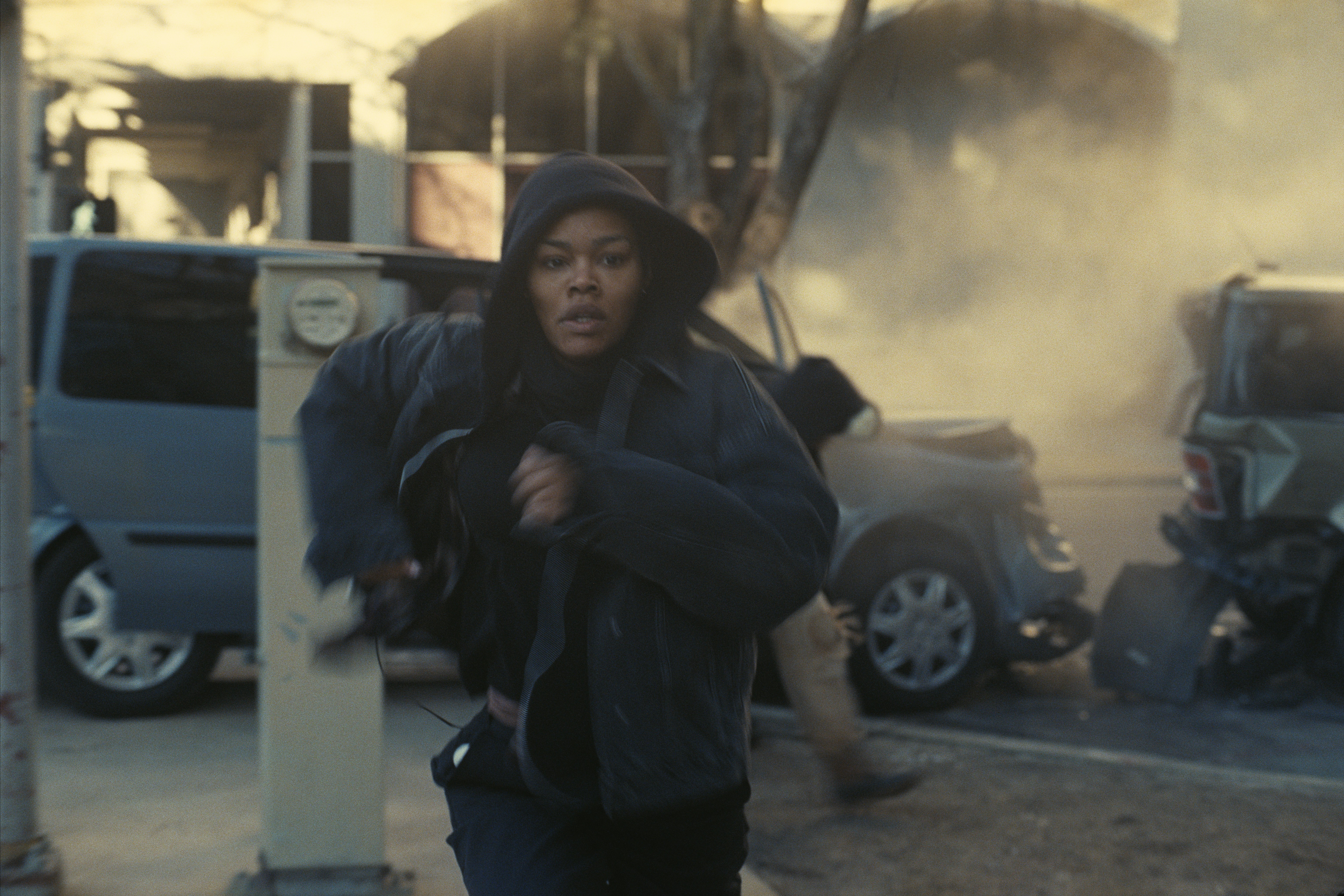
DiCaprio plays Pat Calhoun, later known as Bob Ferguson, a demolitions specialist whose partner Perfidia Beverly Hills (Teyana Taylor) is one of the group’s most forceful personalities. Their struggle brings them up against Colonel Steven J. Lockjaw (Sean Penn), a military officer who mixes authority, prejudice and sexual entitlement into a particularly unpleasant package. After the movement fractures and its members scatter, Bob disappears with the child he is raising, Willa. Sixteen years pass, but their former enemies have not forgotten them.

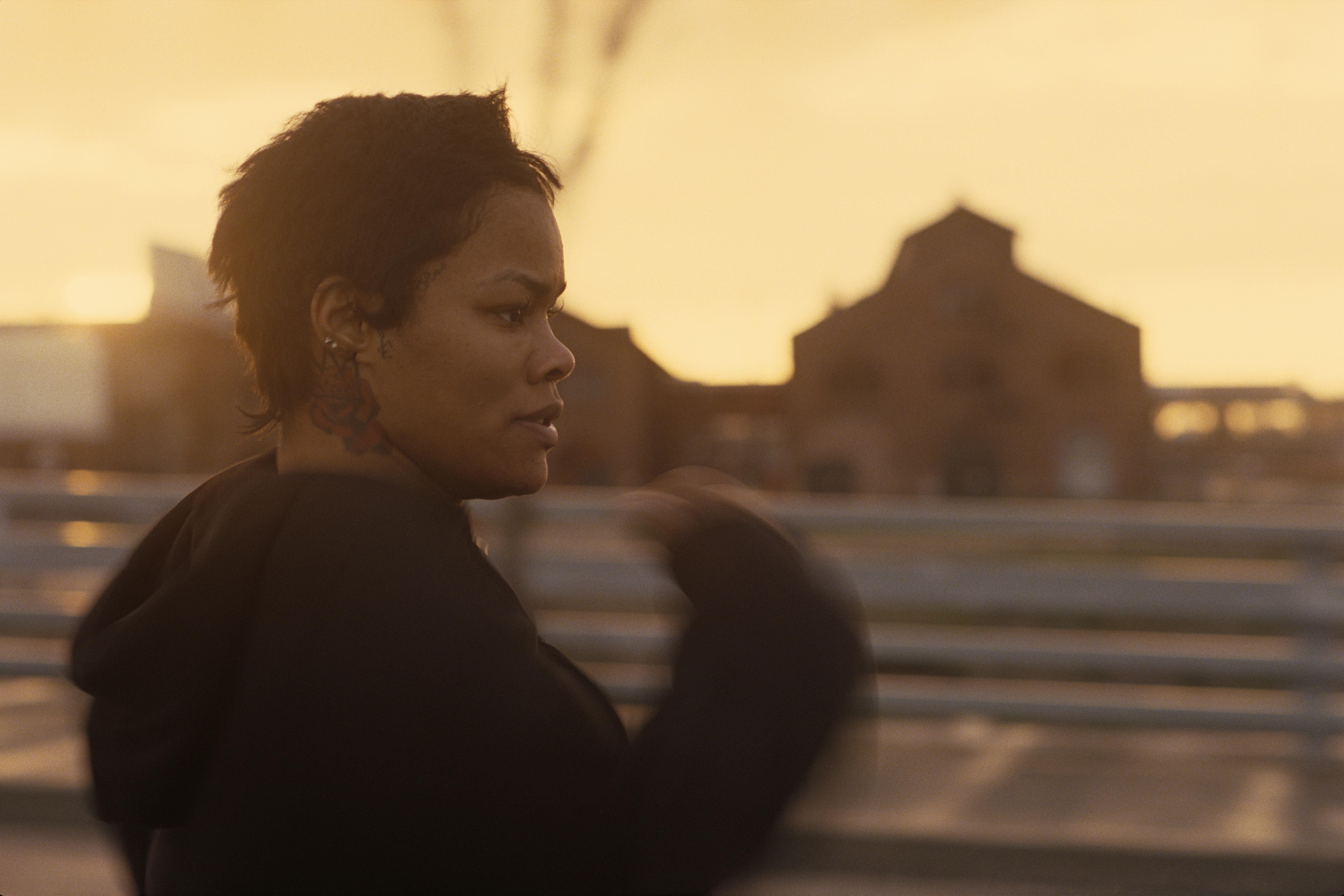
I initially read the setting as a slightly exaggerated future America. It is more uncomfortable than that. The detention centres, armed raids, networks of wealthy extremists and frightened people living off the grid are deliberately close enough to recognisable life. Anderson does not need a science-fiction calendar to make the world feel wrong; he nudges things only far enough for its absurdities to become impossible to ignore.


There is an important distinction, though, between understanding the French 75’s anger and treating everything they do as admirable. Anderson allows the group’s militant methods to carry consequences. The film recognises the appeal of decisive action, then spends much of its running time following the people who have to live with the damage once the excitement has passed.
Thomas Pynchon, Paranoia and the Past
The structure begins to make more sense when considered alongside Thomas Pynchon’s Vineland, the 1990 novel that loosely inspired the film. Pynchon was interested in what happens to the dreams of one political generation when another era arrives to dismantle them. His worlds tend to be full of surveillance, coded messages, compromised idealists and wonderfully improbable names. Anderson has visited this territory before in Inherent Vice, but here he takes the underlying concerns in a much more kinetic direction.

This is not a straightforward translation of Vineland from page to screen. Anderson reshapes the characters and places the action in an America shaped by its own present-day arguments, anxieties and divisions. What survives from Pynchon is the sense that nobody has a complete picture of the machinery they are caught inside. Some characters possess fragments of information; others have the right information and no idea what to do with it.

That may explain why the opening confusion eventually worked for me. I stopped expecting every name and faction to be neatly introduced. By the time Bob is scrambling to reconnect with people he once knew, disorientation has become a character trait as much as a storytelling device. He is not alone in losing track of what the revolution was meant to accomplish.

Bob Ferguson: The Hero Who Cannot Remember the Code
DiCaprio has played obsessives, schemers, adventurers and men determined to control a room. Bob cannot even reliably control his own morning. He shuffles through life in a haze of anxiety and intoxication, forever trying to reconcile his past as a committed radical with the rather less glamorous business of getting his daughter safely through the day. The physical comedy is unexpectedly good: there is a particular pleasure in watching an actor associated with intensity surrender to looking completely out of his depth.


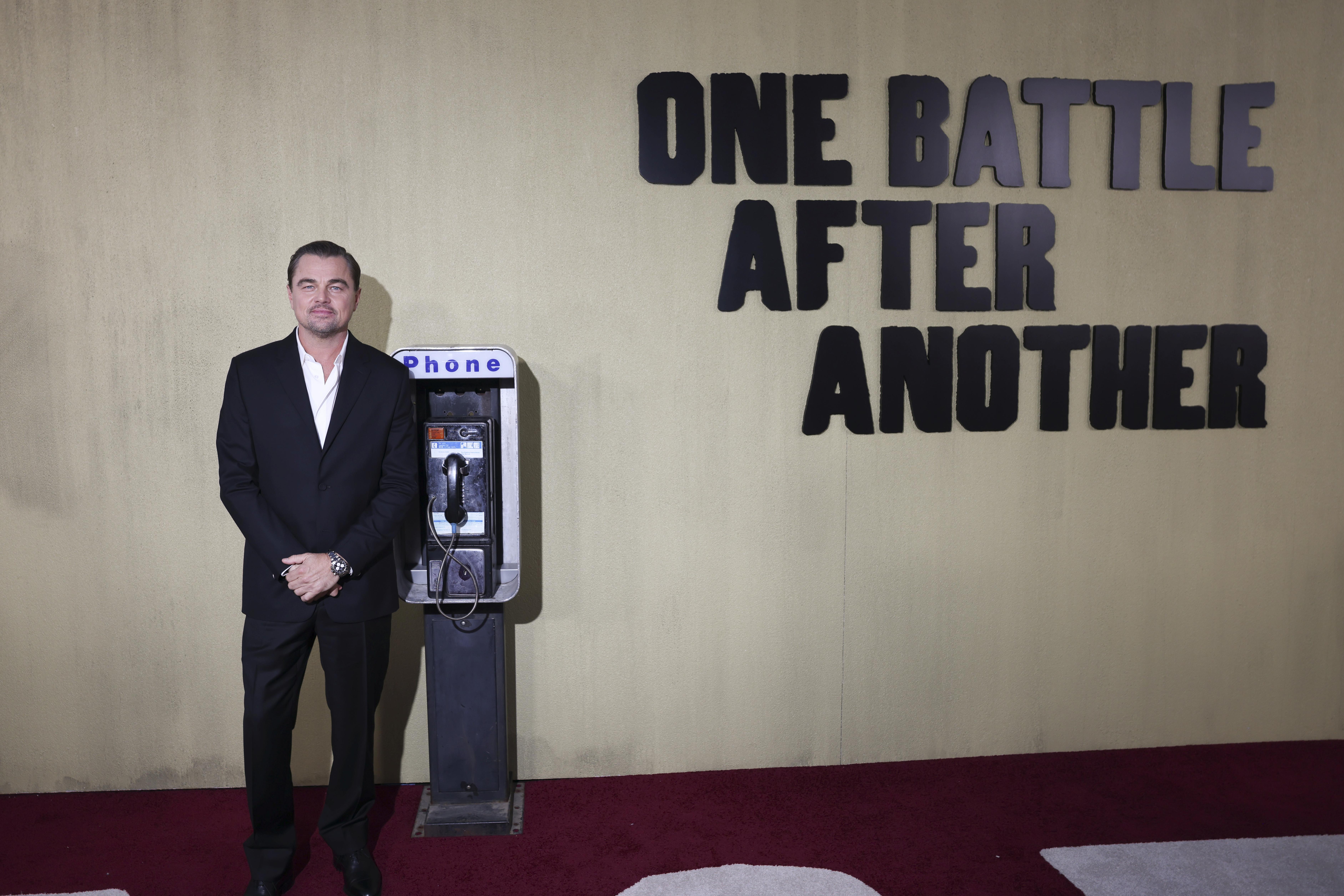
The emergency-phone sequence is the perfect expression of this. An underground operation has developed the procedures necessary to survive, while one of its former members has become so useless at following them that the safeguards themselves turn into an obstacle. It is not a joke at the expense of security, exactly. It is a joke about the distance between the heroic story Bob tells himself and the man now attempting to remember a phrase under pressure.

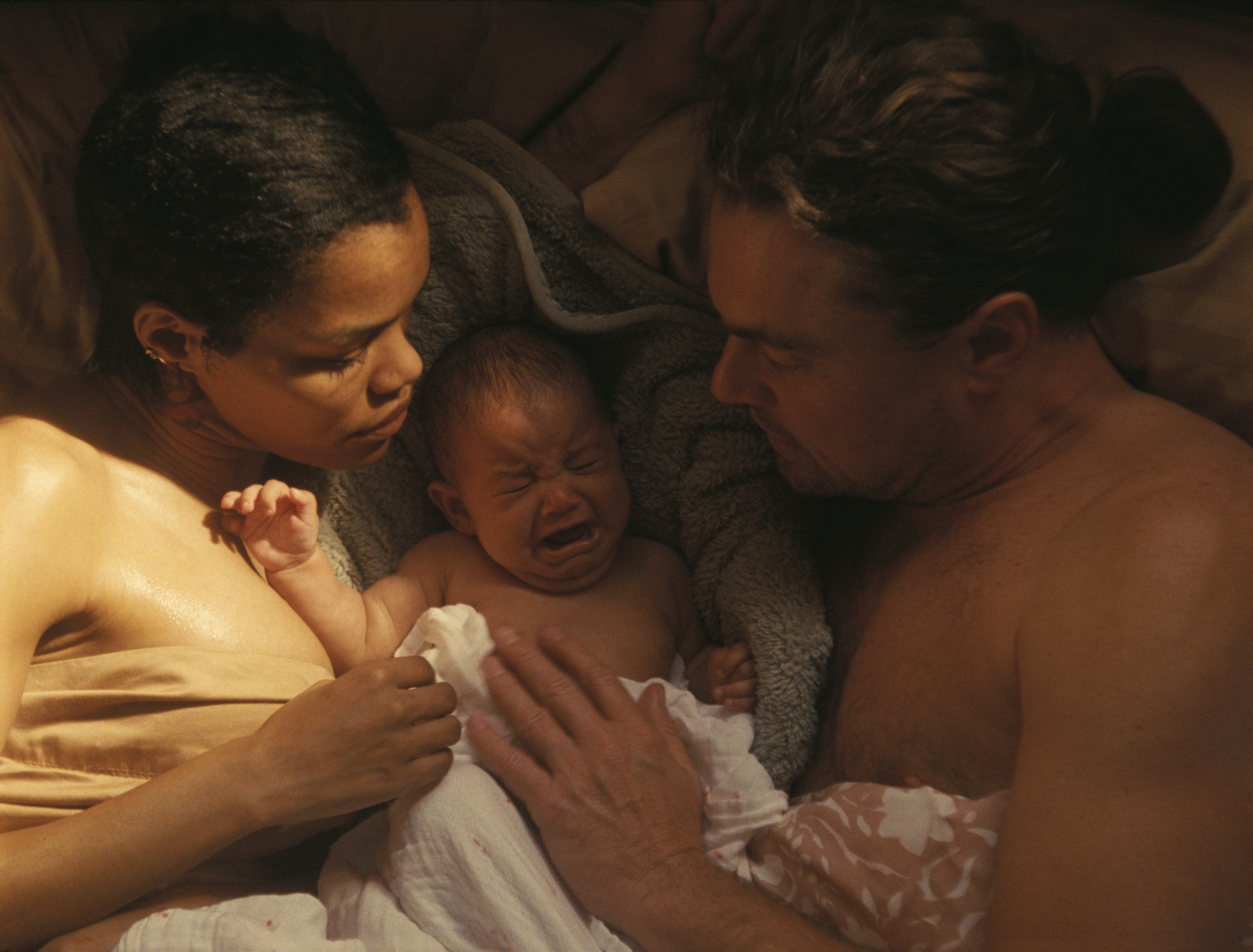
Bob can be infuriating. He is overprotective, unreliable and plainly not the parent Willa would have chosen if children were allowed a say in these arrangements. Yet the film gives him something to do that is far less abstract than saving the country. He has to find her. For all the running, shouting and improvised decisions, the emotional logic is simple enough: someone he loves is in danger, and this ageing revolutionary must become useful again.

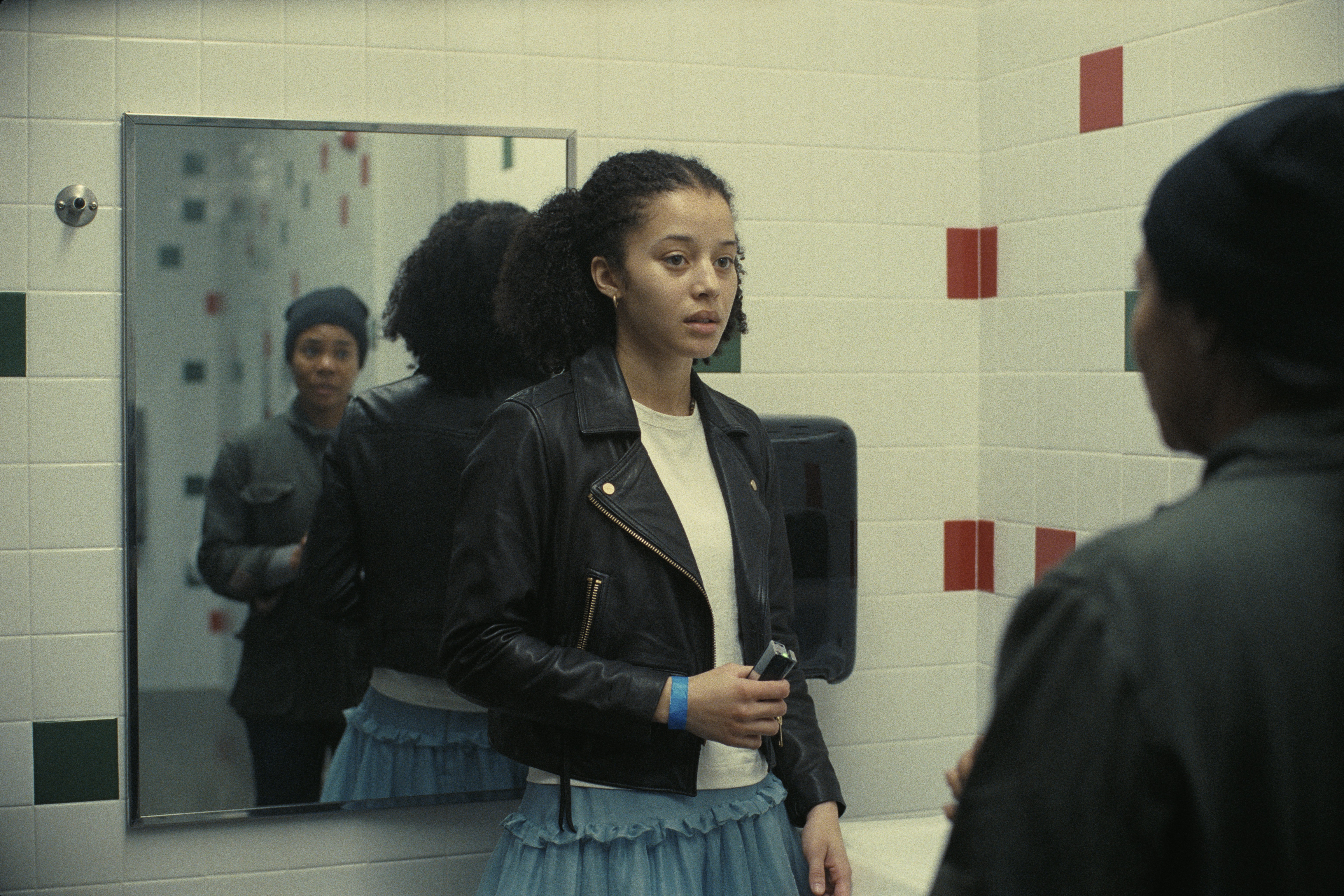
Willa Is Not Waiting to Be Rescued
Chase Infiniti gives Willa an alertness that makes Bob’s habitual fog even more apparent. She has grown up around secrecy and half-explanations, and she is understandably impatient with a father who is continually warning her about threats he will not properly describe. What could have been the familiar story of a teenage daughter learning to appreciate her difficult dad turns into something more reciprocal: Willa must find out who she is, while Bob is forced to acknowledge who she has already become.

Her competence does not make her invulnerable. Willa inherits a history she did not choose, and revelations about her parents unsettle the foundations of the life she thought she knew. Infiniti plays those shifts without making the character a miniature action hero. Even when Willa is frightened or uncertain, she is thinking; she observes the adults around her with considerably more attention than most of them deserve.

The film’s final movement allows the younger generation a degree of agency that the older characters have repeatedly squandered. But I did not read that ending as a neat promise that Willa will fix everything. Her strength matters precisely because the world is still complicated, and because she may be carrying forward arguments that have already cost her family more than she understands.

Lockjaw, Perfidia and the Damage Left Behind
Sean Penn’s Colonel Lockjaw is simultaneously frightening and absurd, which can be a difficult combination to sustain. The rigid walk, physical tension and obsessive attention to status make him look faintly ridiculous, but the people subject to his power do not have the luxury of laughing. He is a man who confuses authority with worth, and the film is particularly sharp about the insecurity beneath his grand notions of racial purity and hierarchy.

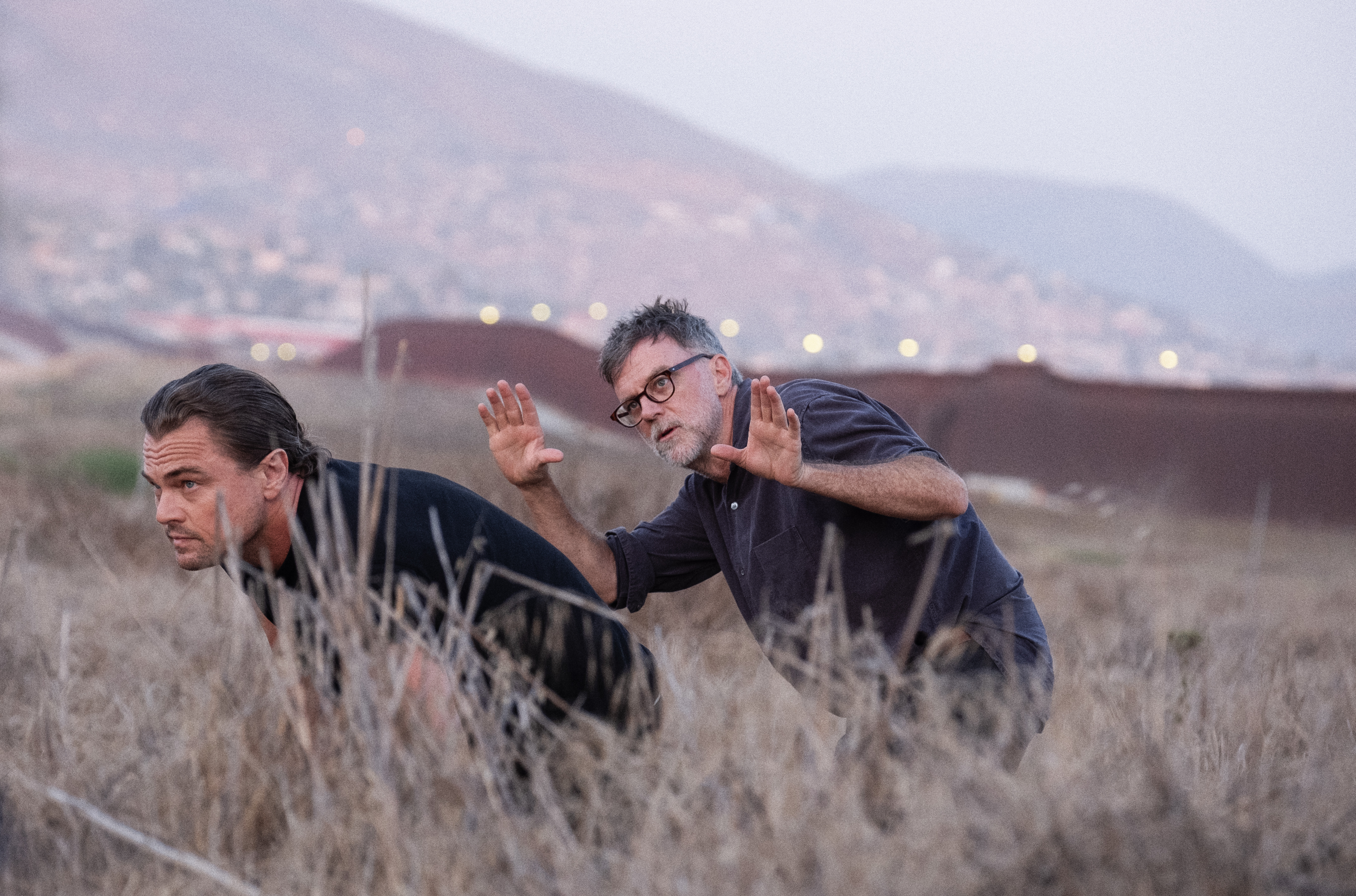
Lockjaw’s fixation on Perfidia adds another disturbing contradiction to his worldview. It would be too simple to describe her relationship with him as merely a disastrous attraction, because coercion and his official power shape what happens between them. Perfidia is capable of grave mistakes, including decisions that harm those closest to her, but the film does not grant Lockjaw innocence simply because her choices are complicated. Taylor’s performance keeps the character’s ferocity and vulnerability in uneasy contact.

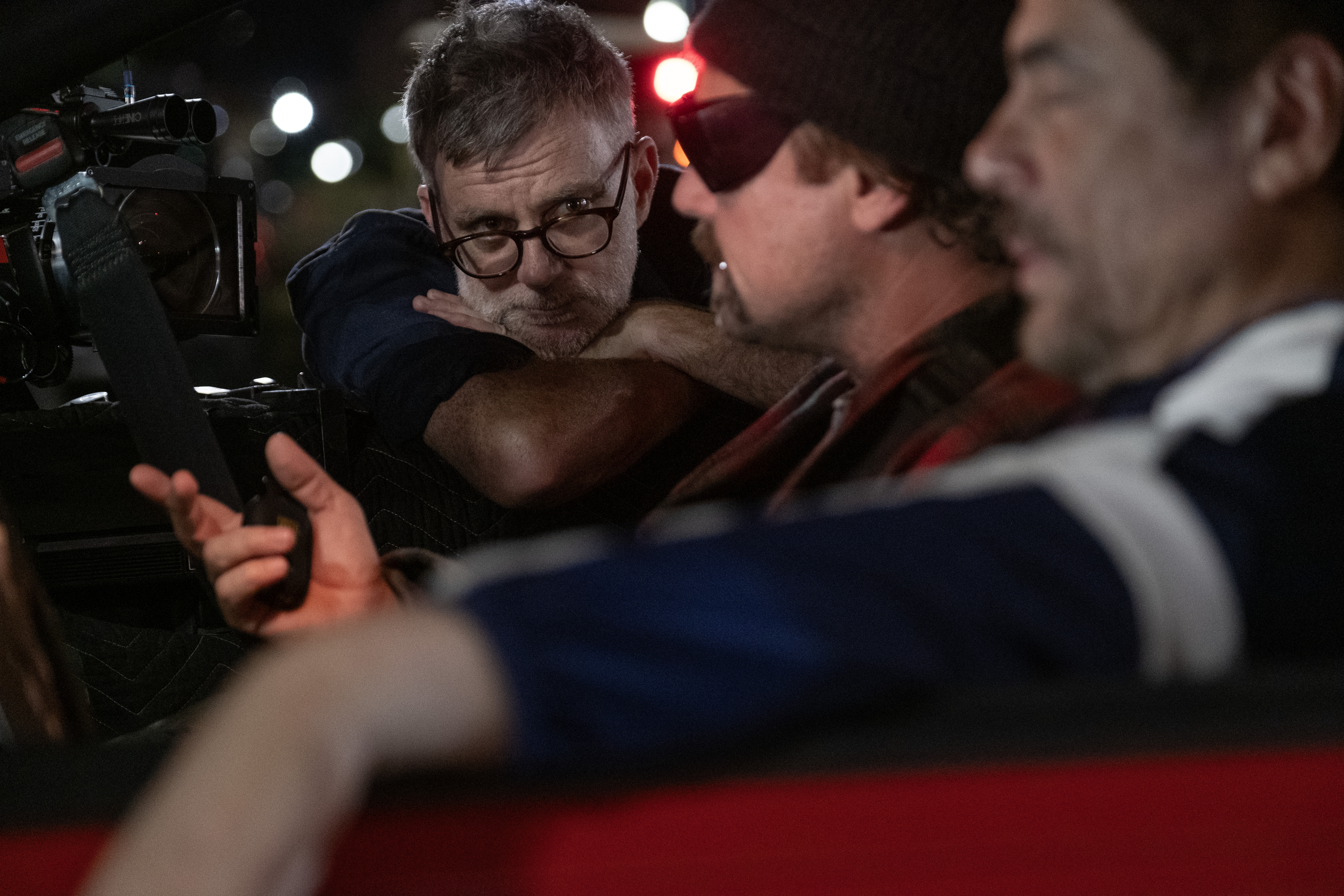
One of the film’s least reassuring ideas is that movements can be damaged from the inside as well as destroyed by their enemies. Perfidia’s story is about conviction, fear, betrayal and the failure to protect a child from the consequences of adult politics. Willa eventually has to live with knowledge of her mother that is painful and incomplete, rather than the simplified family mythology Bob has allowed to form around her.

The Christmas Adventurers Club is perhaps the clearest piece of satire. Lockjaw wants admission to a circle whose approval he imagines will confirm his own importance. Their response to his secrets reveals how expendable even a loyal servant can become. It is grotesquely funny, but not especially comforting; these people have influence well beyond their own absurd rituals.
The People Who Actually Know What They Are Doing
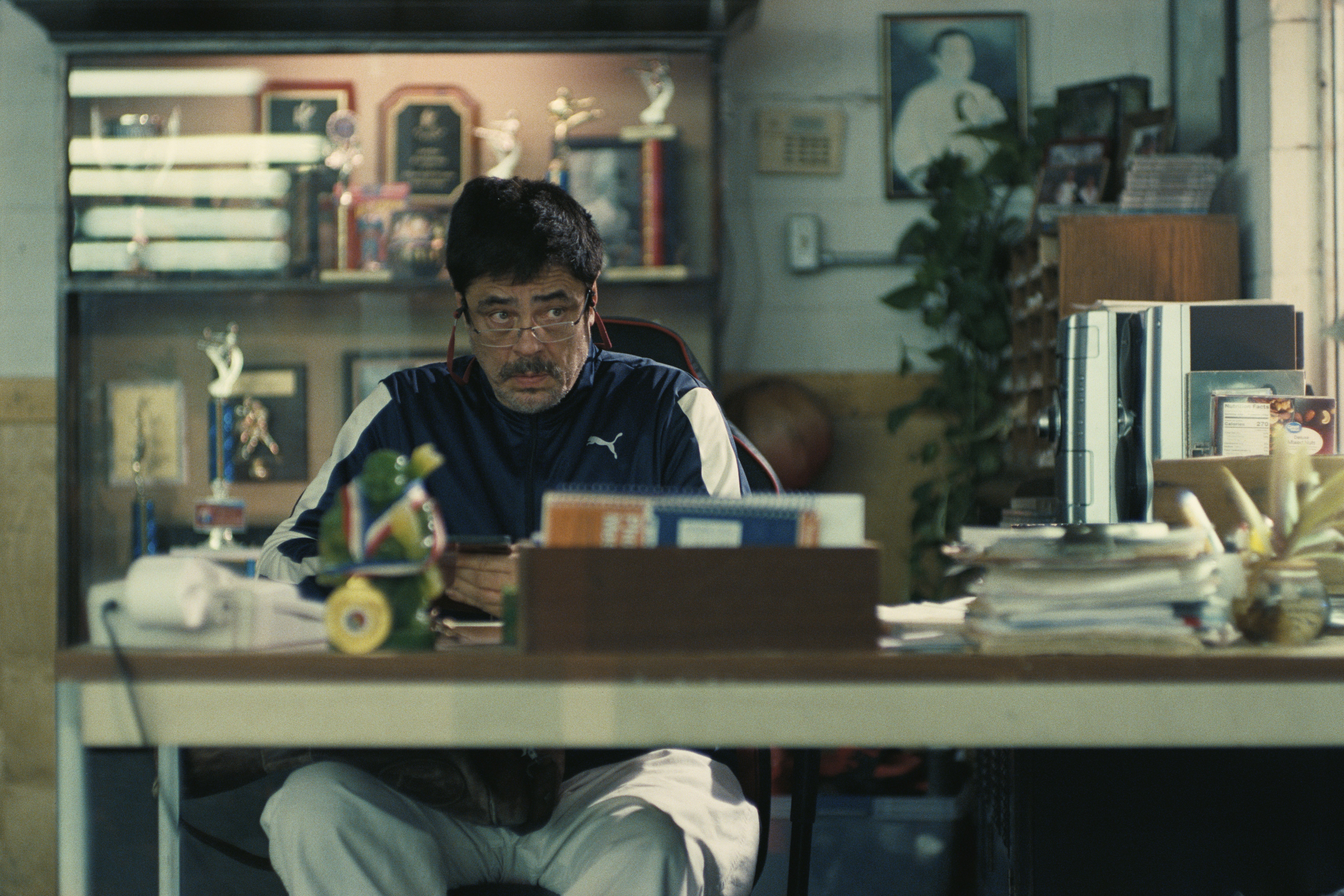
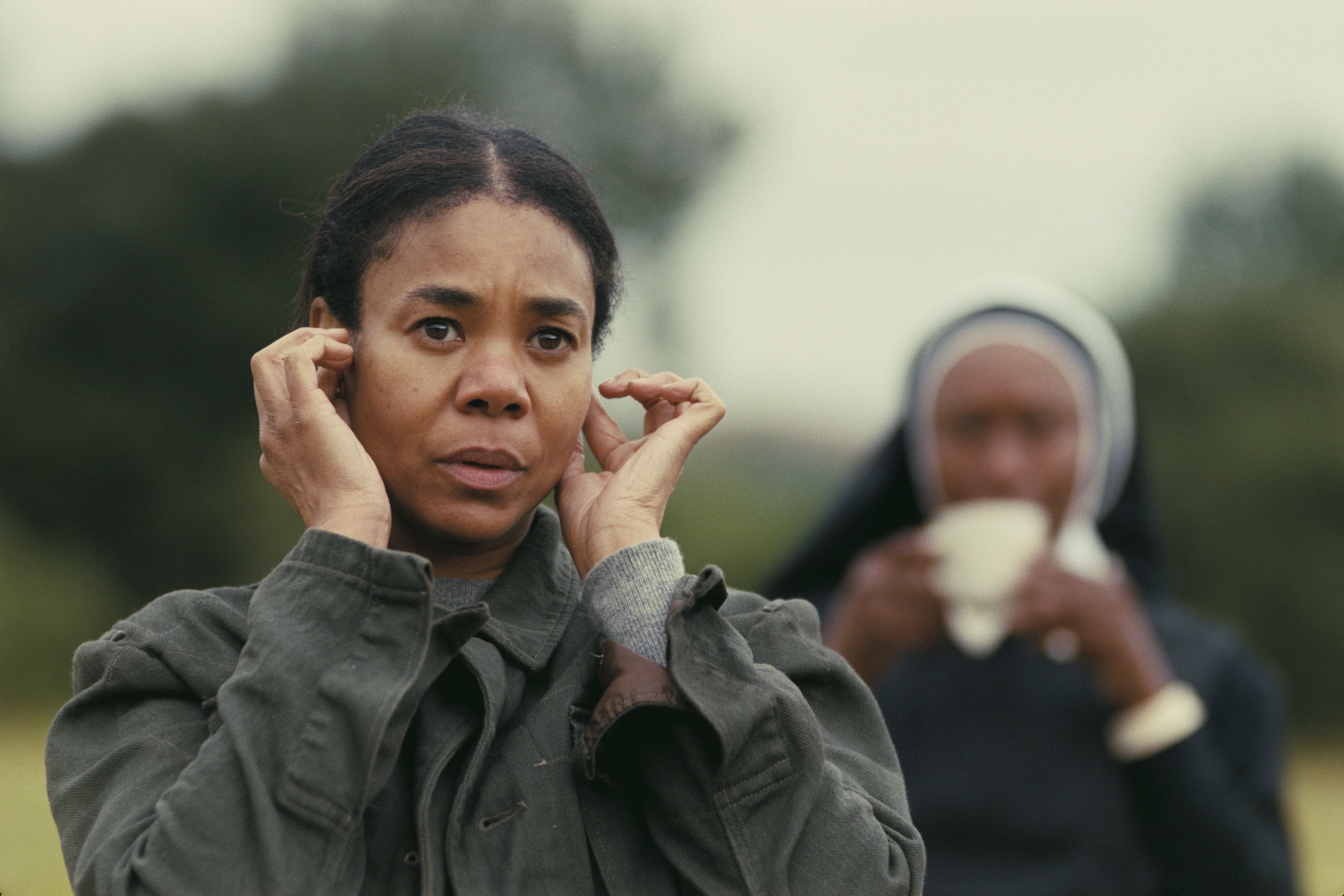
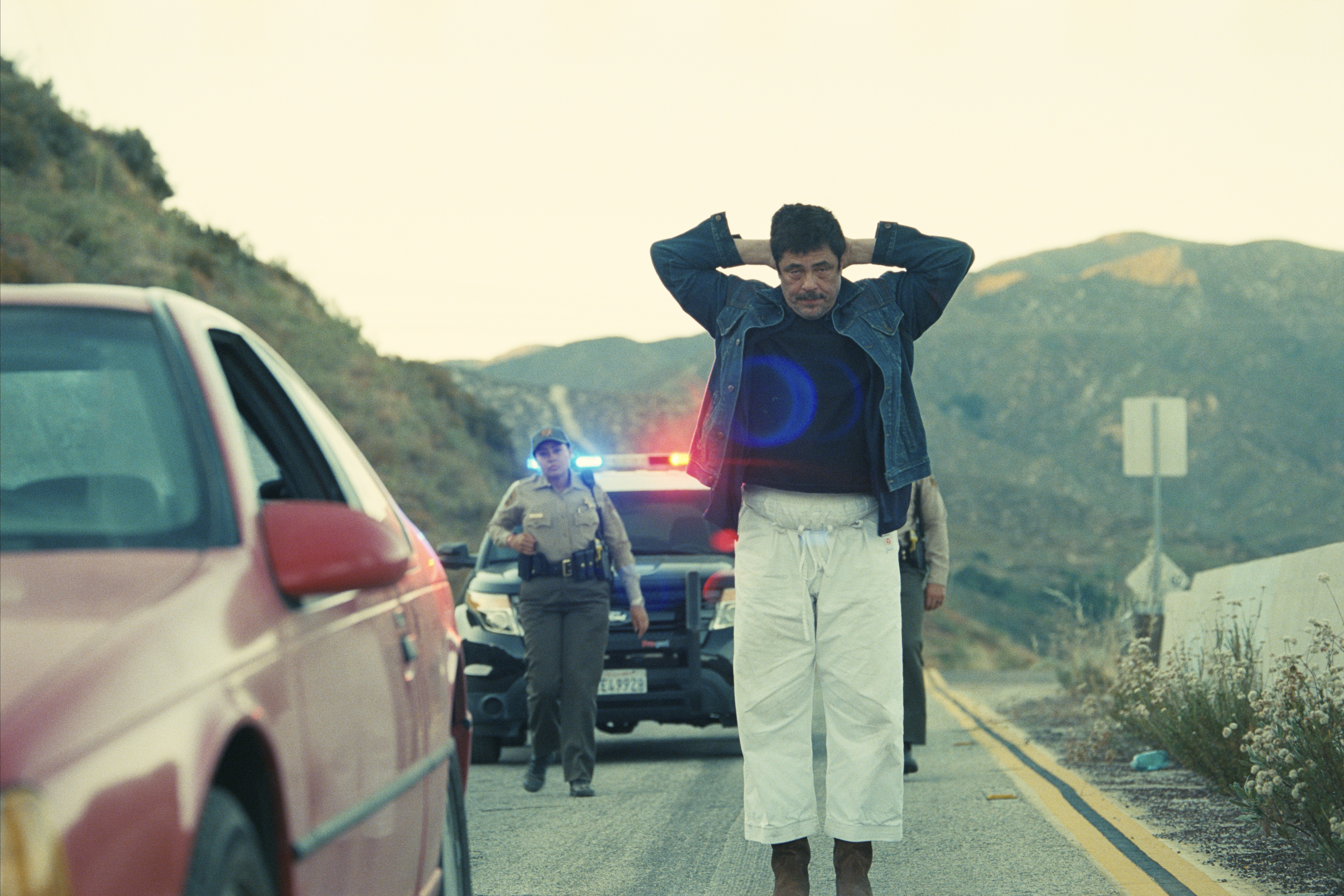
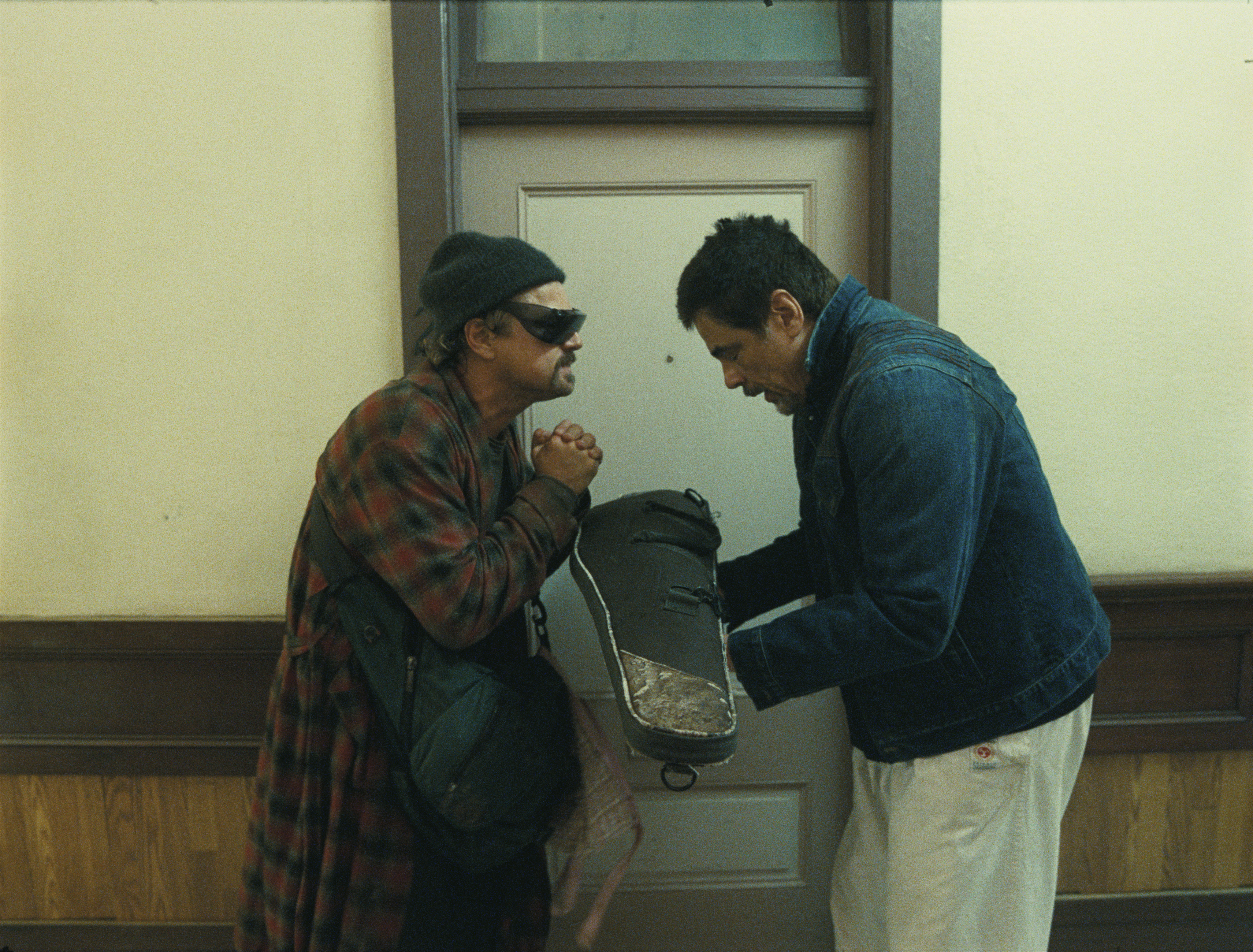
Benicio del Toro’s Sensei Sergio St. Carlos is almost a relief whenever he appears. While Bob panics and Lockjaw postures, Sergio quietly assesses the situation, gives practical instructions and gets on with helping people. His karate classes are only one part of his work; the community network around him provides protection and assistance where institutions either cannot or will not.


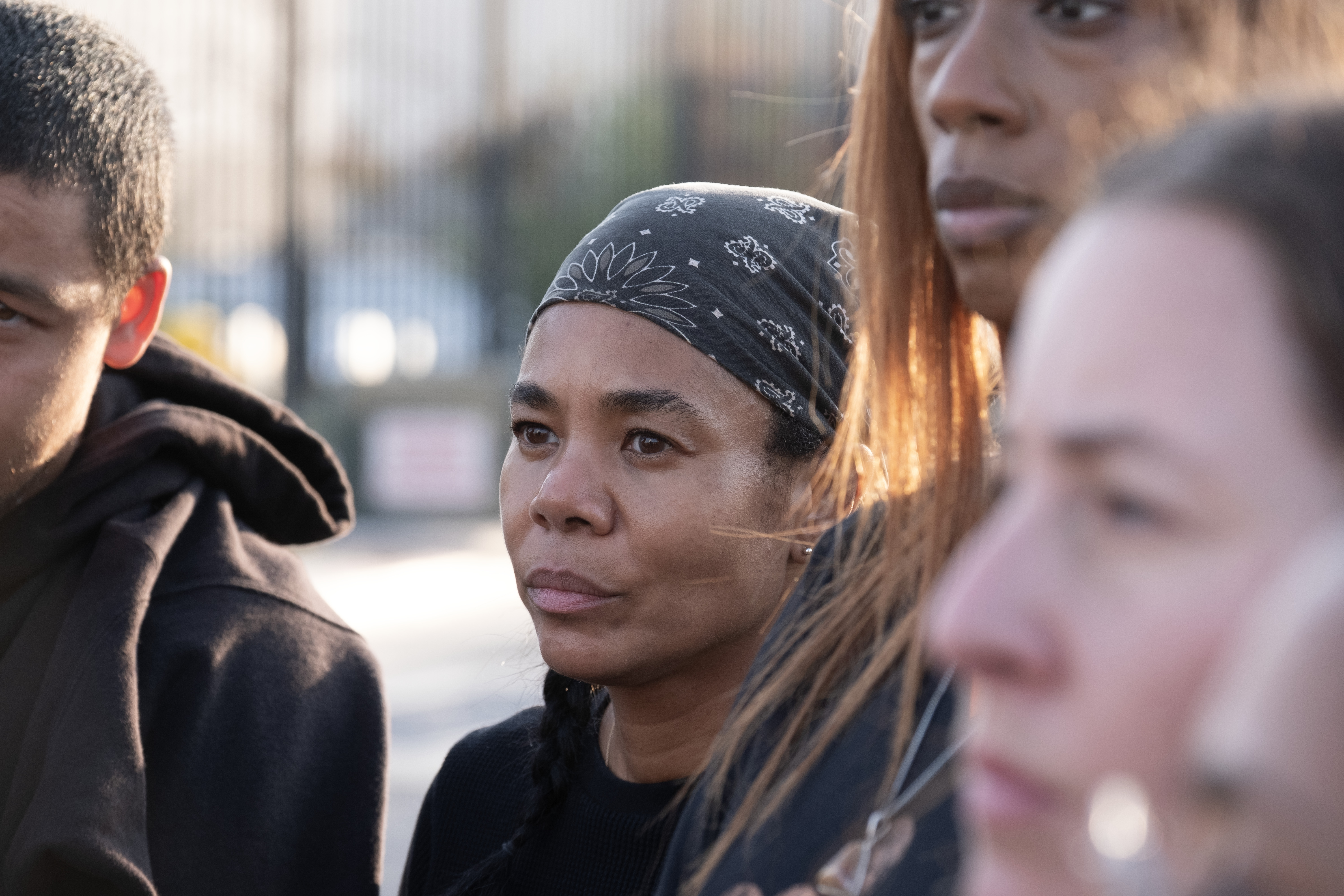
The contrast is deliberate. The old revolution was full of dramatic gestures, whereas Sergio’s version of resistance looks like organised transport, trusted neighbours, careful timing and an ability to remain calm when somebody else is losing the plot. Deandra, played by Regina Hall, brings a similar sense of competence and commitment to the rescue effort. These are the characters who make the film’s supposedly chaotic world seem navigable for a few minutes.

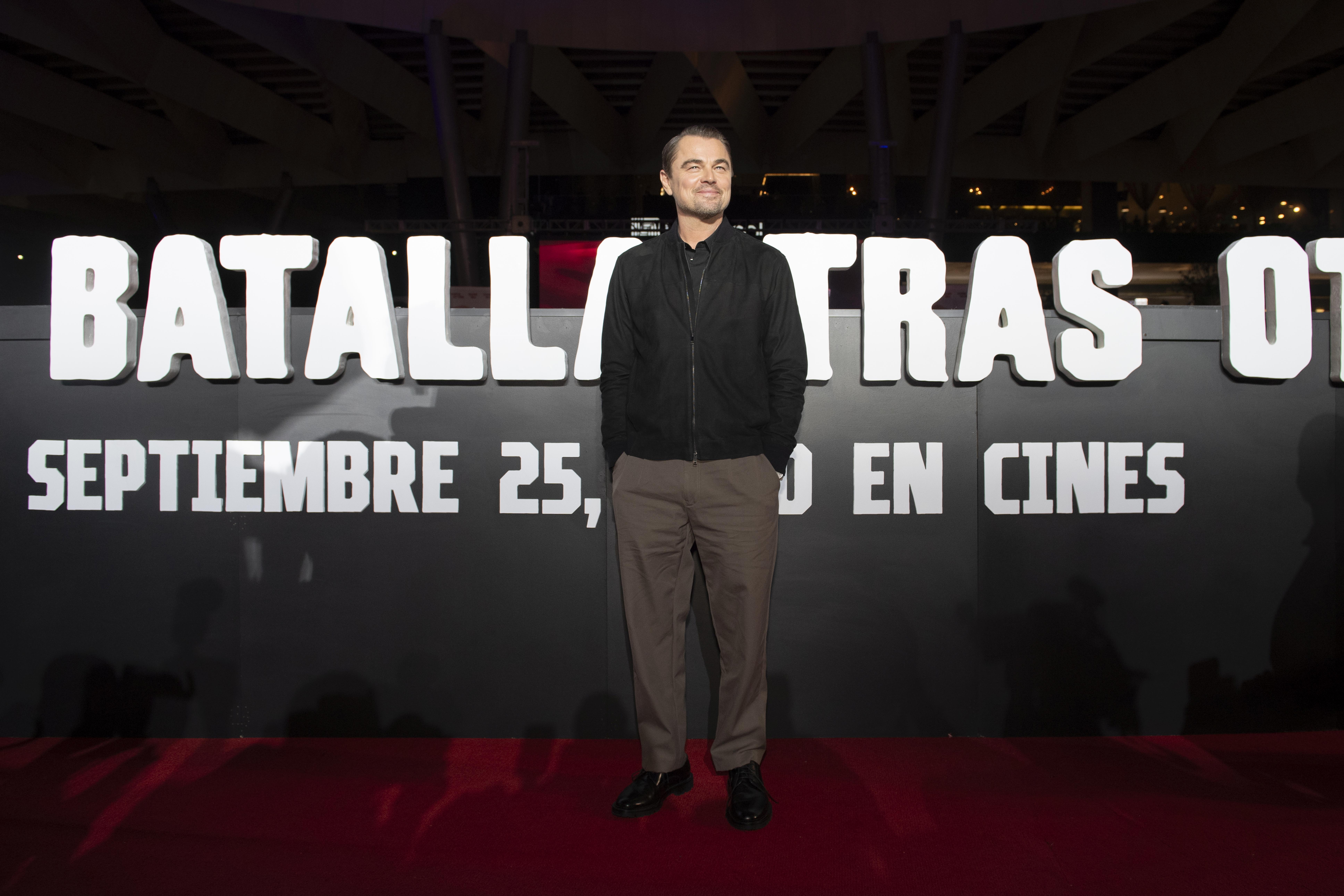
I found that more persuasive than the idea that another explosion will suddenly produce a better society. Anderson clearly enjoys the energy of revolt, but he also notices the people doing the less cinematic work of keeping others alive. They may not have the most memorable code names, which is probably a point in their favour.


The Film Looks as Restless as It Feels
At around two hours and forty minutes, the film has plenty of opportunities to wear out its welcome. It seldom does, partly because its visual language keeps changing with the characters. Michael Bauman’s cinematography and Anderson’s direction make rooms feel crowded with danger, then suddenly open the story out into huge stretches of landscape where the danger can be seen coming from a long way off. Distance is rarely the same thing as safety.


Much of the film was photographed using VistaVision, a horizontal 35mm film format associated with an earlier period of large-scale filmmaking. It is tempting to describe the effect as nostalgia, but the images are too alert and unstable for that. There is grain, texture, generous detail and a sense that the spaces have weight. The extraordinary road sequence, with cars cresting one rise and disappearing into the next, turns simple geography into a form of suspense. You can see what is happening, but not necessarily what will happen when the road drops away.


Jonny Greenwood’s score refuses to smooth everything out. Its insistent rhythms and nervous textures can feel like another character interrupting the proceedings, especially when Bob is trying and failing to think clearly. The music does not tell us which feeling to settle on; it keeps the film moving while comedy, panic and real menace compete for attention.

Anderson’s collaborators deserve mention here too. Florencia Martin’s production design gives the disparate locations a believable, lived-in quality, while Colleen Atwood’s costumes are particularly good at revealing who is performing authority and who has long since given up trying to look respectable. The film feels expensive without always behaving like the carefully polished prestige production its budget might suggest.


The Spectacle and the Price of Making Something Unusual
There is a familiar industry argument about whether studios will continue paying for large, original films that are not sequels, adaptations of superhero properties or obvious franchise starters. One Battle After Another sits right in the middle of that argument. Its scale is substantial and its risks are peculiar: a politically abrasive, tonally unstable story in which a major star spends a good deal of time being a hapless parent rather than an invincible action figure.


Box-office numbers are often presented as a final verdict, when they are really only one part of a film’s life. Marketing costs, theatrical revenue splits and later viewing all complicate the arithmetic. I would rather not reduce the film to a triumphant critical score on one side of the ledger and a supposed commercial disaster on the other. What interests me more is that a studio gave this particular writer-director room to make something so resistant to a tidy elevator pitch.

None of that makes the film untouchable. The opening can be bewildering, its satire sometimes prefers a very broad brush, and there are moments when the political grotesquerie is almost too pleased with itself. I also wanted more space for Perfidia’s interior life, rather than watching so much of it filtered through the men whose stories surround her. These reservations stayed with me even while the larger film worked.

What Remains After the Noise
By the end, the first twenty minutes seemed less like a test I had failed and more like the film establishing its terms. The characters keep trying to read one another, recover forgotten information and work out which old loyalties still mean anything. For Bob, the question is no longer whether he can become the revolutionary he once was. It is whether he can show up as a father without demanding that his daughter live inside his fears.

I came away admiring the action, the odd humour and the sheer nerve of putting them together, but the quieter contrast has lingered longer. Lockjaw needs institutions to tell him he matters. Bob needs a password to tell his comrades he is still one of them. Sergio simply gets on with the work, while Willa is left to decide what she believes for herself. For all the running and shouting, that difference says more about the film than any speech could.

My rating: 8.5/10. It is not an entirely comfortable film, nor one that resolves everything it stirs up, but I would happily watch it again. Preferably on a large screen, and preferably without anyone asking me for a security phrase afterwards.
Film: One Battle After Another (2025). Written and directed by: Paul Thomas Anderson. Principal cast: Leonardo DiCaprio, Chase Infiniti, Sean Penn, Teyana Taylor, Benicio del Toro and Regina Hall. Running time: approximately 162 minutes.
Further reading: Warner Bros. official film page and American Cinematographer on the film’s photography.
Leave a Reply